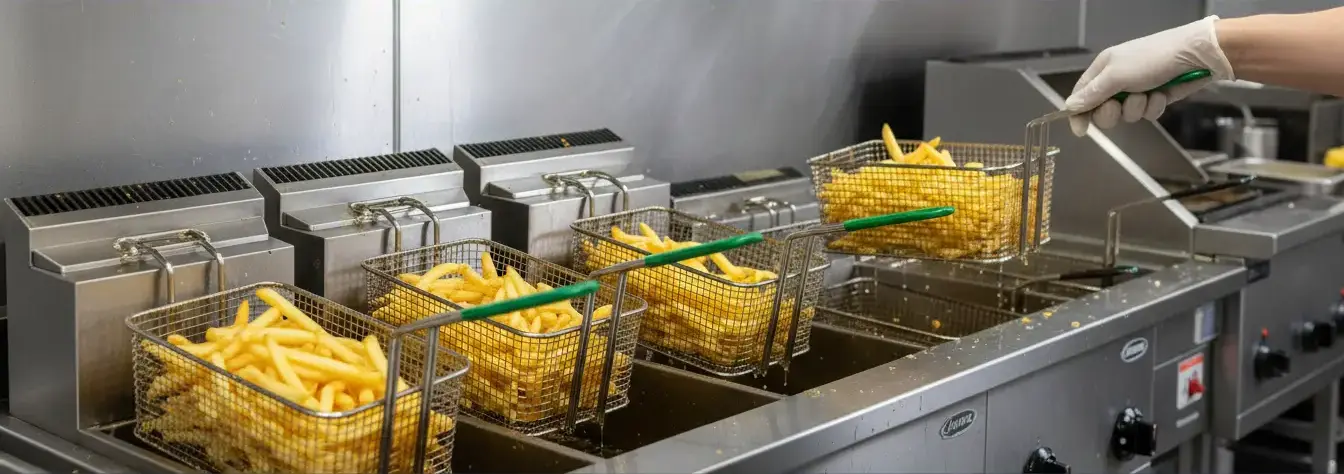
Find the Best Used Cooking Oil Collection Companies for Your Business
No obligation • Fast responses • Nationwide coverage

Why you can trust Restaurant Waste Disposal
Restaurant Waste Disposal is a leading U.S. resource for comparing restaurant composting, food-waste recycling, grease trap cleaning, and used cooking oil collection services. Our editorial team researches providers, checks credentials, and organizes unbiased information so operators can make informed decisions. Companies cannot pay to change ratings or placement.
Search providers near you
Top Used Cooking Oil Collection Companies in Olympia, Washington Ranked
For restaurants and food service businesses in Olympia, managing used cooking oil (UCO) is more than just a cleaning task-it's a critical component of operational compliance and environmental stewardship. Proper grease collection and disposal are regulated locally by the LOTT Clean Water Alliance to protect the city's sewer infrastructure and waterways from harmful fats, oils, and grease (FOG). By partnering with a licensed hauler, businesses can transform this waste product into valuable biodiesel, often at little to no cost, while ensuring they meet all regulatory requirements. This guide outlines the essential steps for compliant UCO management, from selecting a service to understanding local rules and the recycling process.
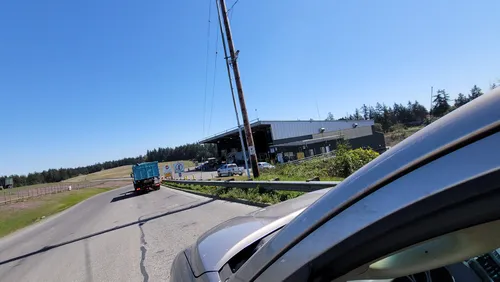
Thurston County Waste and Recovery Center (WARC)
2420 Hogum Bay Rd NE, Lacey, WA 98516
Thurston County Waste and Recovery Center (WARC) is a waste management facility located in Lacey, WA. It serves the local community by providing solid waste disposal and recycling services. The center previously offered a used cooking oil collection program but has suspended this service due to new traceability guidelines from its recycling vendor. WARC also manages other waste programs and is involved in exploring new transfer station developments to improve waste handling in the region.
DAR PRO Solutions
2041 Marc Ave, Tacoma, WA 98421
DAR PRO Solutions is a used cooking oil collection company based in Tacoma, WA. They provide collection services for used cooking oil, helping businesses manage their waste oil efficiently. DAR PRO Solutions is known for professional and prompt service in the Tacoma area.
Understanding Local FOG Regulations
In Olympia, Thurston County, and the surrounding cities of Lacey and Tumwater, the discharge of FOG into the sanitary sewer system is strictly regulated. The LOTT Clean Water Alliance oversees these regulations to prevent sewer blockages and overflows, which can lead to costly repairs and environmental damage 1. For any food service establishment, compliance isn't optional; it's a mandatory part of doing business.
Key regulatory points include:
- Prohibited Discharges: It is illegal to pour used fryer oil, grease, or food scraps down sinks, floor drains, or into storm drains. Mixing UCO with water or garbage is also prohibited.
- Prevention Requirements: Restaurants must implement best management practices (BMPs) to control FOG. This often includes having grease traps or interceptors professionally maintained and using proper on-site storage for used cooking oil.
- Record-Keeping: Maintaining records of your oil collection service is crucial for demonstrating compliance during inspections.
Failure to adhere to these rules can result in significant fines and enforcement actions. A professional used cooking oil collection service provides the documentation and compliant handling that keeps your business in good standing 2.
The Professional Collection Process
Engaging a professional service for your grease recycling streamlines waste management and ensures safety. The process is typically straightforward and designed to integrate seamlessly with kitchen operations.
Step 1: Service Sign-Up & Container Placement You begin by contracting with a licensed collector serving the Olympia area. Reputable providers will assess your oil production volume and provide a dedicated, secure storage container-often ranging from 40 to 300 gallons-at no upfront cost 3. These containers are lockable and covered to prevent contamination, odors, and rainwater ingress, and can be placed in a convenient outdoor or sheltered area.
Step 2: Scheduled Pickups Based on your usage, the provider establishes a regular collection schedule (e.g., weekly, bi-weekly, or monthly). On pickup day, a trained technician will transfer the oil from your container to their specialized collection truck. Many services also offer on-call or emergency pickups if your container fills up faster than expected 4.
Step 3: Recycling & Transformation The collected oil is not taken to a landfill. Instead, it is transported to a processing facility where it is cleaned and refined. The primary end product is biodiesel, a renewable, cleaner-burning fuel that reduces dependence on fossil fuels 5. This circular economy model turns a waste liability into a valuable resource.
Find the perfect used cooking oil collection companies for your needs
Get personalized recommendations and expert advice
On-Site Storage Best Practices
Proper on-site storage is the first line of defense for safety, compliance, and maintaining oil quality. Follow these guidelines:
- Use Provided Containers: Always store UCO in the dedicated, covered container supplied by your hauler. Never use makeshift barrels or open buckets 6.
- Prevent Contamination: Ensure the container lid is secure to keep out rainwater, food debris, and other contaminants. Contaminated oil has lower value and can be more difficult to recycle.
- Safe Location: Place the container on a stable, level surface in a designated area, preferably on a concrete pad to contain any potential spills. Keep it accessible for collection trucks but away from high-traffic public areas.
- No Mixing: Used cooking oil must be stored separately from other wastes. Do not mix it with used motor oil, solvents, water, or kitchen garbage.
The Economics of Oil Recycling
A common misconception is that used cooking oil disposal is a cost center. In reality, due to its value as a feedstock for biodiesel, many collection services are offered for free or can even generate a rebate for your business.
- Free Collection Services: Most providers offer free collection to restaurants that generate a qualifying minimum volume of oil, often around 40 gallons per pickup 7. The revenue the hauler earns from selling the oil to recyclers covers their service costs.
- Potential Rebates: For businesses producing high volumes of clean, uncontaminated oil, some services offer rebate programs. These can range from $0.10 to $0.65 per gallon, providing a small revenue stream or offsetting other operational costs 8 9.
- Cost Avoidance: Professional recycling helps you avoid the significant potential costs of sewer line blockages, fines from regulatory violations, and the environmental cleanup fees associated with improper disposal.
State-Level Considerations
While local FOG rules are paramount, Washington State Department of Ecology regulations also apply to used oil. It's important to understand that used cooking oil is generally not classified as a dangerous waste if it is recycled 10. However, specific rules apply if you store large quantities or mix oils. For instance, if you accumulate over 55 gallons of used oil at one time or mix your cooking oil with other types of used oil, different management standards may be triggered 11. Your licensed hauler will manage these complexities, ensuring all transportation and recycling meets state guidelines.
Choosing a Service Provider in Olympia
Selecting the right partner is crucial. Look for a service that is fully licensed and insured, with a strong reputation for reliability and customer service in the South Sound area. Key questions to ask include:
- What is your typical collection schedule, and how flexible is it?
- Do you provide all necessary compliance documentation and reporting?
- What type of containers do you provide, and how do you secure them?
- What is your process for handling spills or emergency pickups?
- Where is the oil taken for recycling, and what is it turned into?
A good provider acts as an extension of your team, offering staff training materials and being a resource for best practices in kitchen grease management 12.
Frequently asked questions
Sources
Footnotes
-
Fats, Oils and Grease Regulation Updates - https://www.lottcleanwater.org/wp-content/uploads/2022/12/fats-oils-grease-regulation-updates-fact-sheet.pdf ↩
-
Recycling Tips for Cooking Oil Disposal in Food Courts - https://nwbiofuel.com/blog/used-cooking-oil-disposal-for-food-courts-responsible-recycling-tips/ ↩
-
Used Cooking Oil - West Coast Renewables - https://wcrenewables.com/services/used-cooking-oil/ ↩
-
Used Cooking Oil Pickup vs Drop-Off-What's Best for Restaurants? - https://www.greaseprosrecycling.com/used-cooking-oil-pickup-vs-drop-off/ ↩
-
Recycling Used Cooking Oil With Green Grease Environmental - https://www.youtube.com/watch?v=KP05Yx-GkHk ↩
-
Used Cooking Oil Disposal: Complete Guide to Grease Pickups - https://greaseconnections.com/used-cooking-oil-disposal-guide-grease-pickups/ ↩
-
Used Cooking Oil Collection, Disposal, & Recycling - NW Biofuel - https://nwbiofuel.com/used-cooking-oil-collection/ ↩
-
Grease Collection Service: What is it - https://www.grandnaturalinc.com/blog/what-is-grease-collection-service.html ↩
-
Restaurant Used Cooking Oil Recycling & Disposal Guide - https://greaseconnections.com/restaurant-used-cooking-oil-disposal-recycling-revenue-guide/ ↩
-
Used oil - Washington State Department of Ecology - https://ecology.wa.gov/regulations-permits/guidance-technical-assistance/dangerous-waste-guidance/common-dangerous-waste/used-oil ↩
-
Basics of Managing Used Oil in Washington State - https://apps.ecology.wa.gov/publications/documents/2504004.pdf ↩
-
Used Cooking Oil (UCO) Collection Service For Restaurants - https://thegreasecompany.com/blog/restaurant-used-cooking-oil-collection/ ↩