
Find the Best Used Cooking Oil Collection Companies for Your Business
No obligation • Fast responses • Nationwide coverage

Why you can trust Restaurant Waste Disposal
Restaurant Waste Disposal is a leading U.S. resource for comparing restaurant composting, food-waste recycling, grease trap cleaning, and used cooking oil collection services. Our editorial team researches providers, checks credentials, and organizes unbiased information so operators can make informed decisions. Companies cannot pay to change ratings or placement.
Search providers near you
Top Used Cooking Oil Collection Companies in Federal Way, Washington Ranked
For restaurants and food service businesses in Federal Way, managing used cooking oil (UCO) is a critical operational task that intersects with environmental responsibility, regulatory compliance, and potential cost recovery. Properly handling this liquid waste-often categorized under Fats, Oils, and Grease (FOG)-is essential to prevent costly sewer backups and environmental damage. By partnering with a professional grease collection service, local establishments can ensure their waste oil is securely stored, regularly picked up, and transformed into valuable products like biodiesel, contributing to a circular economy right here in the Puget Sound region. This guide outlines the key considerations for establishing an efficient and compliant UCO management system.
Thurston County Waste and Recovery Center (WARC)
2420 Hogum Bay Rd NE, Lacey, WA 98516
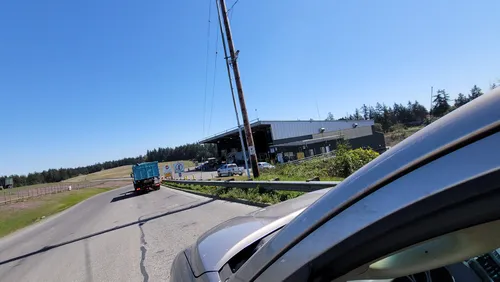
Thurston County Waste and Recovery Center (WARC) is a waste management facility located in Lacey, WA. It serves the local community by providing solid waste disposal and recycling services. The center previously offered a used cooking oil collection program but has suspended this service due to new traceability guidelines from its recycling vendor. WARC also manages other waste programs and is involved in exploring new transfer station developments to improve waste handling in the region.
Restaurant Technologies
19437 66th Ave S, Kent, WA 98032
Restaurant Technologies is a used cooking oil collection company based in Kent, WA. They provide an end-to-end cooking oil management system that includes bulk oil delivery, filtration, and recycling. Their automatic system installs tanks and controls in commercial kitchens to safely deliver fresh oil and remove used oil without manual handling. This service helps reduce hazards and improve safety in back-of-house operations while supporting sustainability initiatives.
Seattle Grease Trap Services
107 Cherry St #310, Seattle, WA 98104
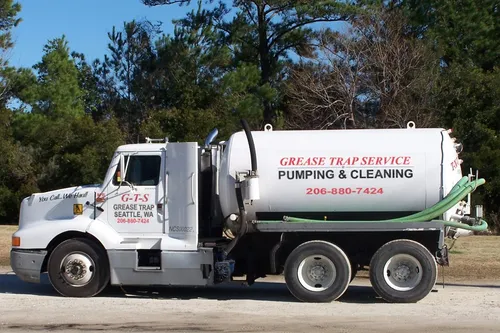
Seattle Grease Trap Services provides comprehensive grease trap and interceptor cleaning, pumping, installation, and repair services in Seattle, WA. Serving commercial kitchens, restaurants, schools, and industrial facilities, they cover Seattle and surrounding areas including King and Pierce Counties. With over 15 years of experience, the company offers licensed and environmentally responsible grease trap maintenance, ensuring compliance with local regulations. Their fleet of pump trucks and trained technicians handle grease trap measurement, pumping, cleaning, and record keeping to support smooth kitchen operations and prevent blockages or fines.

West Coast Renewables
2211 W Valley Hwy E, Sumner, WA 98390
West Coast Renewables is a grease trap cleaning and used cooking oil collection company based in Puyallup, WA. They serve a wide area across Western Washington, including cities like Seattle, Bellevue, Tacoma, and Olympia. Their services include grease trap pumping, maintenance, repair, and hydro-jetting, which uses high-pressure water to clear clogs and improve system performance. The company emphasizes proactive FOG (fats, oils, and grease) management to help commercial kitchens maintain hygiene and comply with local regulations. West Coast Renewables offers 24/7 emergency services to minimize disruptions for food service businesses.
Baker Commodities Inc
5795 S 130th Pl, Seattle, WA 98178
Baker Commodities Inc is a grease removal and used cooking oil collection company based in Seattle, WA. They serve the Pacific Northwest region, providing restaurant grease pickup, grease trap cleaning, and animal by-product recycling services. Their capabilities include using vacuum pumps and hydrojetters to clean grease traps efficiently, helping to prevent sewer clogs and promote environmental sustainability. The company offers 24-hour emergency rendering and grease collection services to support local food service businesses and protect the community's natural surroundings.
Understanding FOG Regulations and Best Practices
In Federal Way and the broader King County area, regulations strictly prohibit the disposal of fats, oils, and grease down drains or into the sewer system1 2. When poured down sinks, FOG cools, solidifies, and adheres to pipe walls, leading to severe blockages that can cause sewage overflows into homes, businesses, and local waterways. Compliance isn't just about avoiding fines; it's about protecting community infrastructure and the environment.
The cornerstone of compliance is proper on-site containment and storage. Best practices dictate that cooled cooking oil should be filtered to remove food particles and then transferred into a dedicated, sealable container. For most restaurants, this means using a specialized collection bin or tank provided by their grease hauling partner. These containers are designed to be secure and leak-proof, mitigating spill risks and preventing odors or pests.
Choosing the Right Storage Container
Selecting an appropriate storage solution is your first line of defense against spills, theft, and regulatory issues. Commercial collection services typically provide containers ranging from 40 to over 300 gallons in capacity 3. The right size depends entirely on your establishment's weekly oil usage volume.
- Indoor vs. Outdoor Storage: Tanks can be placed in a secure outdoor location with easy truck access or within a kitchen or storage area. Outdoor containers must be robust and often feature locking mechanisms to deter theft, which is a known issue for valuable used cooking oil.
- Security Features: Locking lids and tamper-resistant designs are standard for modern collection bins. This not only secures your asset (as some oil can generate rebates) but also ensures that only authorized personnel from your collection company can access it, maintaining a clear chain of custody.
- Maintenance: A good container should be easy for your staff to use without risk of mess or injury. It should also be easy for the hauler to connect to and pump from efficiently during service visits.
The Professional Collection Process
Partnering with a professional used cooking oil collection service streamlines the entire waste management process. Here's how a typical service works:
- Establishment of Service: You contact a provider (like NW Biofuel or other local haulers) to set up an account. They will assess your needs, recommend a container size, and establish a pickup schedule 4.
- Regular Pickups: Collections can be scheduled weekly, bi-weekly, or monthly. Alternatively, many services offer a "will call" option, where you notify them when your container is full. During a pickup, a trained driver will pump the oil directly from your storage tank into their specialized truck.
- Transport and Recycling: The collected oil is transported to a processing facility. In our region, companies like NW Biofuel convert this waste into biodiesel, a renewable fuel that powers vehicles and reduces reliance on fossil fuels. Other end uses can include ingredients for soap or animal feed supplements.
This closed-loop system ensures your kitchen waste is diverted from landfills and given a productive second life.
Find the perfect used cooking oil collection companies for your needs
Get personalized recommendations and expert advice
Cost Structure and Potential Revenue
The financial model for used cooking oil collection is not one-size-fits-all; it's primarily driven by volume and oil quality. Understanding this can help you maximize the value of your waste stream.
- Free Pickup Services: Many collectors offer free pickup for establishments generating lower volumes of oil, typically under 100 gallons per month. This service is often contingent on you using their provided container and may be part of a broader waste management contract.
- Rebate Programs: For medium to high-volume producers, used cooking oil has market value. Collectors may pay rebates based on the quantity and quality of oil you provide. Rates can vary with market conditions but often range from $0.10 to $0.25 per gallon for moderate volumes, and can exceed $0.65 per gallon for very high volumes of clean, well-filtered oil5 6.
- Factors Influencing Value: The key to maximizing rebates is oil quality. Clean oil with minimal water, food sediment, and other contaminants is more valuable to recyclers. Proper filtering before storage and ensuring container lids are sealed to prevent rainwater ingress are simple steps that can improve your rebate rate.
Preventing Theft and Ensuring Security
Used cooking oil theft, sometimes called "grease piracy," is a concern as the commodity's value has increased. Thieves will siphon oil from unsecured containers to sell on the secondary market. To protect your asset and avoid the mess and liability of a tampered-with container:
- Always use a locking bin provided by a reputable service.
- Place containers in well-lit areas or behind locked fences if stored outdoors.
- Consider indoor storage if feasible for your operation.
- Report any suspicious activity around your storage area to your collection company and local authorities.
A professional hauler's locked containers and regular, predictable service are significant deterrents to theft 7.
Environmental Impact and Community Benefits
Choosing to recycle your used cooking oil has a direct positive impact on the Federal Way community and environment. When converted into biodiesel, this waste product displaces fossil fuels, reducing greenhouse gas emissions and air pollution8 9. Furthermore, by ensuring FOG is properly managed, restaurants play a vital role in protecting the local sewer system and preventing spills that could harm Puget Sound ecosystems. It's a practical step toward sustainability that aligns with Washington State's environmental goals.
Frequently asked questions
Sources
Footnotes
-
Fats, Oil and Grease - Options & restrictions - King County - https://info.kingcounty.gov/services/recycling-garbage/solid-waste/what-do-i-do-with/Restrictions?m=50 ↩
-
Fats, Oils, and Grease Clog Pipes - Utilities | seattle.gov - https://www.seattle.gov/utilities/protecting-our-environment/sustainability-tips/fats-oils-and-grease-(fog) ↩
-
Grease Collection Service: What is it - Grand Natural Inc - https://www.grandnaturalinc.com/blog/what-is-grease-collection-service.html ↩
-
Used Cooking Oil (UCO) Collection Service For Restaurants - https://thegreasecompany.com/blog/restaurant-used-cooking-oil-collection/ ↩
-
Used Cooking Oil Disposal: Complete Guide to Grease Pickups - https://greaseconnections.com/used-cooking-oil-disposal-guide-grease-pickups/ ↩
-
Restaurant Used Cooking Oil Recycling & Disposal Guide - https://greaseconnections.com/restaurant-used-cooking-oil-disposal-recycling-revenue-guide/ ↩
-
Used Cooking Oil Pickup vs Drop-Off-What's Best for Restaurants? - https://www.greaseprosrecycling.com/used-cooking-oil-pickup-vs-drop-off/ ↩
-
Used Cooking Oil Collection, Disposal, & Recycling - NW Biofuel - https://nwbiofuel.com/used-cooking-oil-collection/ ↩
-
Recycling - WMNorthwest - https://www.wmnorthwest.com/federalway/recycling/ ↩