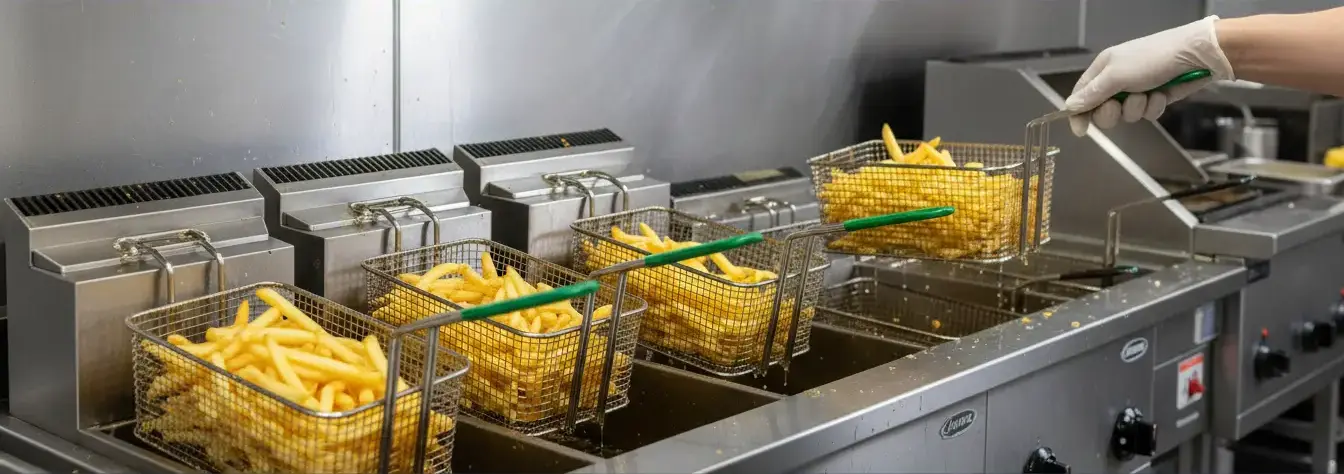
Find the Best Used Cooking Oil Collection Companies for Your Business
No obligation • Fast responses • Nationwide coverage

Why you can trust Restaurant Waste Disposal
Restaurant Waste Disposal is a leading U.S. resource for comparing restaurant composting, food-waste recycling, grease trap cleaning, and used cooking oil collection services. Our editorial team researches providers, checks credentials, and organizes unbiased information so operators can make informed decisions. Companies cannot pay to change ratings or placement.
Search providers near you
Top Used Cooking Oil Collection Companies in Auburn, Washington Ranked
For restaurants and commercial kitchens in Auburn, managing used cooking oil (UCO) is a critical operational and environmental responsibility. Proper disposal of this liquid waste is not just a best practice; it's a regulated component of the City of Auburn's Fats, Oils, and Grease (FOG) program, designed to protect the local sewer system from costly blockages and overflows. By partnering with a licensed grease collection service, Auburn businesses can transform a waste product into valuable commodities like biodiesel, often turning a disposal cost into a potential revenue stream. This guide outlines the local rules, collection processes, and key considerations for effective grease trap and cooking oil recycling in Auburn.
Thurston County Waste and Recovery Center (WARC)
2420 Hogum Bay Rd NE, Lacey, WA 98516
Thurston County Waste and Recovery Center (WARC) is a waste management facility located in Lacey, WA. It serves the local community by providing solid waste disposal and recycling services. The center previously offered a used cooking oil collection program but has suspended this service due to new traceability guidelines from its recycling vendor. WARC also manages other waste programs and is involved in exploring new transfer station developments to improve waste handling in the region.
Restaurant Technologies
19437 66th Ave S, Kent, WA 98032
Restaurant Technologies is a used cooking oil collection company based in Kent, WA. They provide an end-to-end cooking oil management system that includes bulk oil delivery, filtration, and recycling. Their automatic system installs tanks and controls in commercial kitchens to safely deliver fresh oil and remove used oil without manual handling. This service helps reduce hazards and improve safety in back-of-house operations while supporting sustainability initiatives.
Seattle Grease Trap Services
107 Cherry St #310, Seattle, WA 98104
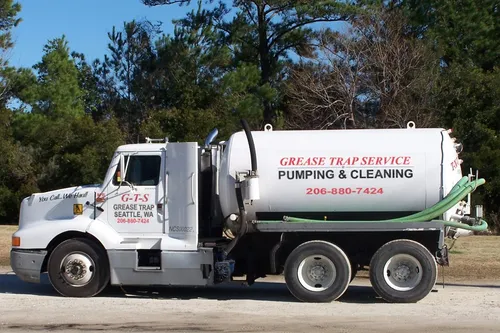
Seattle Grease Trap Services provides comprehensive grease trap and interceptor cleaning, pumping, installation, and repair services in Seattle, WA. Serving commercial kitchens, restaurants, schools, and industrial facilities, they cover Seattle and surrounding areas including King and Pierce Counties. With over 15 years of experience, the company offers licensed and environmentally responsible grease trap maintenance, ensuring compliance with local regulations. Their fleet of pump trucks and trained technicians handle grease trap measurement, pumping, cleaning, and record keeping to support smooth kitchen operations and prevent blockages or fines.

West Coast Renewables
2211 W Valley Hwy E, Sumner, WA 98390
West Coast Renewables is a grease trap cleaning and used cooking oil collection company based in Puyallup, WA. They serve a wide area across Western Washington, including cities like Seattle, Bellevue, Tacoma, and Olympia. Their services include grease trap pumping, maintenance, repair, and hydro-jetting, which uses high-pressure water to clear clogs and improve system performance. The company emphasizes proactive FOG (fats, oils, and grease) management to help commercial kitchens maintain hygiene and comply with local regulations. West Coast Renewables offers 24/7 emergency services to minimize disruptions for food service businesses.
Baker Commodities Inc
5795 S 130th Pl, Seattle, WA 98178
Baker Commodities Inc is a grease removal and used cooking oil collection company based in Seattle, WA. They serve the Pacific Northwest region, providing restaurant grease pickup, grease trap cleaning, and animal by-product recycling services. Their capabilities include using vacuum pumps and hydrojetters to clean grease traps efficiently, helping to prevent sewer clogs and promote environmental sustainability. The company offers 24-hour emergency rendering and grease collection services to support local food service businesses and protect the community's natural surroundings.
Understanding Auburn's FOG Regulations
The City of Auburn mandates specific practices for food service establishments to prevent grease from entering the sewer system. Pouring used fryer oil down the drain is strictly prohibited, as it solidifies and contributes to severe pipe blockages1. Central to these regulations is the requirement for properly sized and maintained grease interceptors or oil/water separators. These devices capture fats and grease before wastewater leaves your facility, and their maintenance is a key part of compliance.
Beyond interceptors, the city's guidelines emphasize secure storage of used cooking oil prior to pickup. Oil should be stored in dedicated, covered containers provided by your hauler. These containers, which typically range from 40 to 300 gallons, should be kept in an accessible location, such as near a loading dock or back door, for easy collection2. Using locking bins is also recommended to prevent theft and contamination from rainwater, which can dilute the oil and reduce its recycling value3.
The Grease Collection and Recycling Process
A well-managed grease recycling program follows a simple but important sequence:
- Cool and Transfer: Always allow cooking oil to cool completely before transferring it from fryers into your designated storage container. This is a basic safety step.
- Secure Storage: Use only the sealed, covered containers supplied by your licensed collection provider. This prevents spills, pests, and contamination.
- Scheduled Pickup: Your contracted hauler will collect the full containers on a regular schedule-weekly, bi-weekly, or monthly-based on your volume. Some providers offer "on-call" service for lower-volume producers4.
- Recycling and Repurposing: The collected oil is transported to a processing facility where it is rendered and purified. From there, it begins a new life as a feedstock for renewable biodiesel, animal feed supplements, or industrial ingredients for soaps and detergents 5.
This process ensures that the oil is handled responsibly from your kitchen to its next use, aligning with both environmental goals and waste diversion targets.
Evaluating Costs and Potential Revenue
The financial model for used cooking oil collection in Auburn is not one-size-fits-all. Costs for service can vary and are often influenced by the volume of oil you generate, the frequency of pickup required, and the quality of the oil you provide.
- Service Fees: Some haulers charge a fee for collection, particularly if the oil is contaminated with water or food debris. Contamination increases the cost of processing and lowers the oil's market value6.
- Rebates and Free Service: Conversely, restaurants that generate high volumes of clean, uncontaminated used cooking oil are often in a position to receive rebates from their collection company. These rebates, which can range significantly per gallon, may offset disposal costs or even generate a small revenue stream7. In many cases, for consistent producers of quality oil, the pickup service itself is provided at no charge, with the hauler's revenue coming from the sale of the recycled commodity.
Find the perfect used cooking oil collection companies for your needs
Get personalized recommendations and expert advice
Choosing a Collection Service Provider
Selecting a reliable partner for your grease and used oil recycling is crucial. You should look for a provider that is licensed by the Washington State Department of Ecology to transport and market used oil8. Key local and regional providers that service Auburn's commercial kitchens include specialized companies like NW Biofuel and The Grease Company, which focus specifically on used cooking oil collection for biodiesel production9 10. Larger waste management firms, such as Waste Management Northwest, also offer comprehensive commercial services that may include used oil collection alongside trash and recycling11 12.
When evaluating providers, ask about container options, pickup scheduling flexibility, and their policies on oil quality and rebates. A good provider will help you optimize your storage setup to prevent spills and ensure efficient collections.
Best Practices for Kitchen Management
Successful used oil management starts with daily practices in your kitchen. Train staff to never pour grease or oil down sinks or floor drains. Implement a clear, safe procedure for cooling and transferring oil. Regularly inspect and maintain your grease interceptor as required by city code to ensure it functions properly13. Keep your outdoor storage area clean and clear to provide safe access for collection drivers. By integrating these steps into your routine, you maintain compliance, support recycling efforts, and protect your business from the risks of sewer backups.
For larger quantity disposal questions or additional guidance, King County's Solid Waste Division offers resources on restrictions and options for fats, oils, and grease14. Always remember that proper used cooking oil management is an integral part of operating a sustainable and compliant food service business in Auburn.
Frequently asked questions
Sources
Footnotes
-
Reduction Program - City of Auburn - https://www.auburnwa.gov/city_hall/public_works/sewer/fats_oils_and_grease_fog/reduction_program ↩
-
Auburn Collection Guidelines - WMNorthwest - https://www.wmnorthwest.com/wp-content/uploads/2025/01/guidelines-auburn.pdf ↩
-
Used Cooking Oil Disposal: Complete Guide to Grease Pickups - https://greaseconnections.com/used-cooking-oil-disposal-guide-grease-pickups/ ↩
-
Used Cooking Oil (UCO) Collection Service For Restaurants - https://thegreasecompany.com/blog/restaurant-used-cooking-oil-collection/ ↩
-
Navigating Legal Requirements for Used Cooking Oil Disposal - https://bakercommodities.com/blog/2024/02/08/legal-requirement-used-cooking-grease/ ↩
-
Grease Collection Service: What is it - Grand Natural Inc - https://www.grandnaturalinc.com/blog/what-is-grease-collection-service.html ↩
-
Restaurant Used Cooking Oil Recycling & Disposal Guide - https://greaseconnections.com/restaurant-used-cooking-oil-disposal-recycling-revenue-guide/ ↩
-
Used oil - Washington State Department of Ecology - https://ecology.wa.gov/regulations-permits/guidance-technical-assistance/dangerous-waste-guidance/common-dangerous-waste/used-oil ↩
-
Used Cooking Oil Collection, Disposal, & Recycling - NW Biofuel - https://nwbiofuel.com/used-cooking-oil-collection/ ↩
-
Cooking Oil Collection & Grease Recycling Service - https://thegreasecompany.com/oilcollection.html ↩
-
Auburn Commercial Collection Guidelines - WMNorthwest - https://www.wmnorthwest.com/wp-content/uploads/2025/01/guidelines-auburn-com.pdf ↩
-
Recycling - Auburn - WMNorthwest - https://www.wmnorthwest.com/auburn/recycling/ ↩
-
13.22.080 Oil/water separators required - Auburn City Code - https://auburn.municipal.codes/ACC/13.22.080 ↩
-
Fats, Oil and Grease - Options & restrictions - King County - https://info.kingcounty.gov/services/recycling-garbage/solid-waste/what-do-i-do-with/Restrictions?m=50 ↩