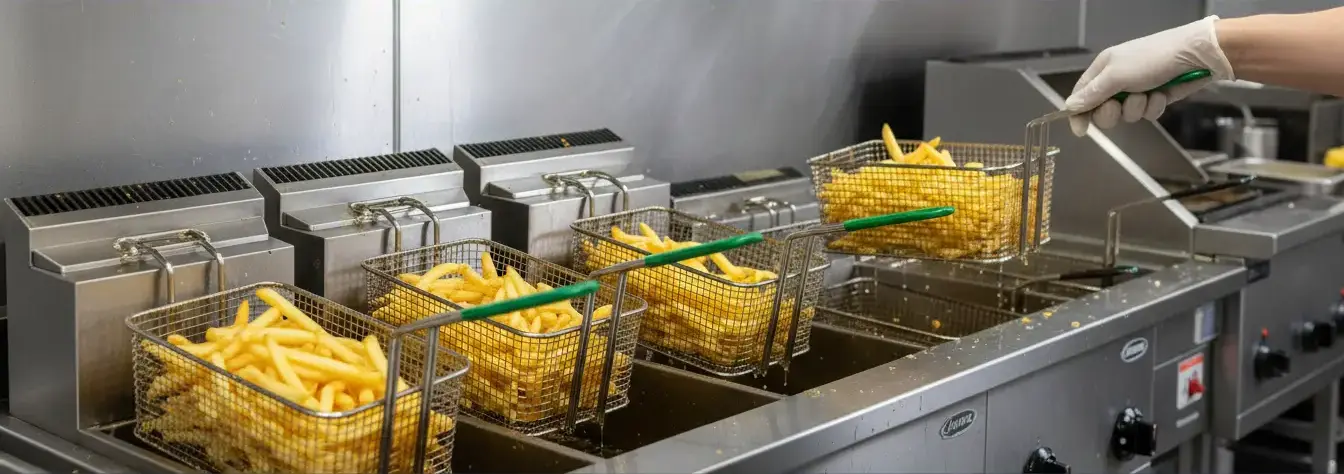
Find the Best Used Cooking Oil Collection Companies for Your Business
No obligation • Fast responses • Nationwide coverage

Why you can trust Restaurant Waste Disposal
Restaurant Waste Disposal is a leading U.S. resource for comparing restaurant composting, food-waste recycling, grease trap cleaning, and used cooking oil collection services. Our editorial team researches providers, checks credentials, and organizes unbiased information so operators can make informed decisions. Companies cannot pay to change ratings or placement.
Search providers near you
Top Used Cooking Oil Collection Companies in Wylie, Texas Ranked
For restaurants in Wylie, managing used cooking oil (UCO) is a critical operational task that intersects with environmental compliance, cost management, and sustainability goals. Proper disposal of this waste stream is regulated by Texas state law, requiring a shift away from simple drain disposal to a structured collection and recycling process. By partnering with a licensed collection service, local food service establishments can ensure safe, legal handling of their grease while potentially turning a waste product into a source of revenue or cost savings, contributing to a circular economy right here in the Dallas-Fort Worth metroplex.
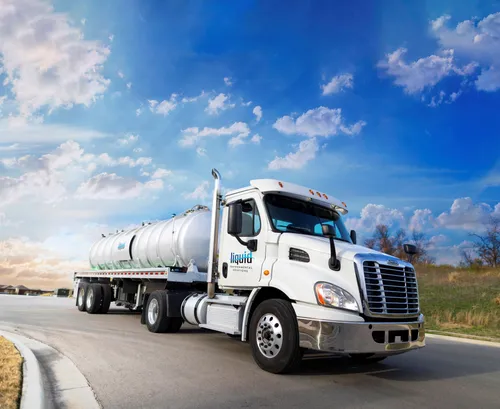
Liquid Environmental Solutions
7651 Esters Blvd Suite 200, Irving, TX 75063
Liquid Environmental Solutions is a non-hazardous liquid waste management company based in Fort Worth, TX. They provide services including used cooking oil collection, grease trap and interceptor cleaning, oil water separator and grit trap cleaning, and wastewater disposal. The company serves industries such as restaurants, grocery stores, convenience stores, automotive services, and environmental services, focusing on compliance and sustainability. Founded over twenty years ago, Liquid Environmental Solutions operates with state-of-the-art equipment and facilities to support their service delivery across multiple locations.
DAR PRO Solutions
5601 N MacArthur Blvd, Irving, TX 75063
DAR PRO Solutions is a used cooking oil collection company based in Fort Worth, TX. They specialize in collecting and recycling used cooking oil for businesses in the area. While the company has served clients for several years, recent reviews indicate some challenges with service consistency.
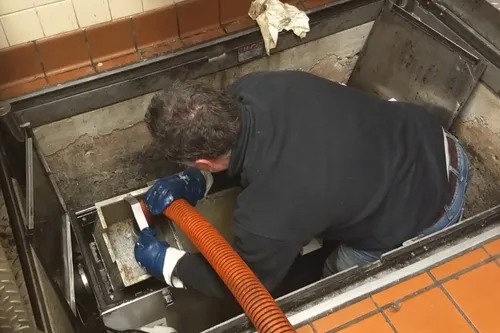
Dallas Grease Trap Services
Fort Worth, TX
Dallas Grease Trap Services provides grease trap pumping, cleaning, and interceptor maintenance for commercial kitchens in Fort Worth, TX. They serve restaurants, schools, cafeterias, and industrial facilities throughout the Dallas-Fort Worth metroplex. The company operates a fleet of pump trucks and offers services including grease trap installation, used fryer oil collection, exhaust hood cleaning, and pressure washing. They ensure compliance with local health and safety codes by maintaining detailed service records and provide eco-friendly disposal and recycling of waste. Dallas Grease Trap Services has grown from a small operation to a major provider in the area and offers early hour and emergency services to meet client needs.
Cease The Grease Cooking Oil Recycling Station
3939 Valley View Ln, Dallas, TX 75244
Cease The Grease Cooking Oil Recycling Station is a used cooking oil collection company located in Dallas, TX. The business specializes in collecting and recycling used cooking oil to help reduce waste and promote environmental sustainability in the Dallas area.
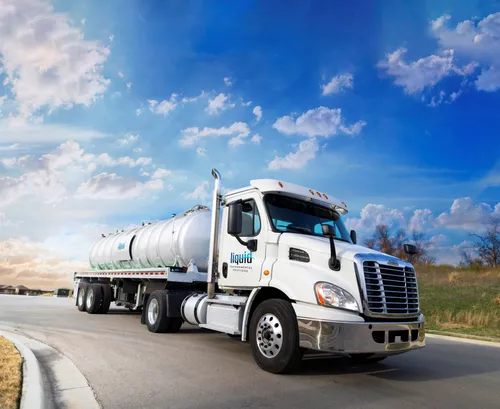
Liquid Environmental Solutions
11115 Goodnight Ln, Dallas, TX 75229
Liquid Environmental Solutions is a provider of non-hazardous liquid waste management services based in Fort Worth, TX. The company offers services including used cooking oil collection, grease trap and interceptor cleaning, oil water separator and grit trap cleaning, and wastewater disposal. They serve industries such as restaurants, grocery stores, convenience stores, automotive services, and environmental services, focusing on recycling and compliance. Founded over twenty years ago, Liquid Environmental Solutions emphasizes environmental stewardship and sustainability in their operations.
Understanding Texas and Wylie Regulations for Grease Disposal
Navigating the legal requirements is the first step for any restaurant owner or manager. The Texas Commission on Environmental Quality (TCEQ) explicitly prohibits the disposal of used cooking oil into sewers, drains, or onto land 1. This rule is designed to prevent sewer blockages, environmental contamination, and public health issues. In practice, this means every restaurant in Wylie must have a plan for its spent fryer oil that involves proper containment and professional removal.
Local compliance focuses on three key areas: safe storage, regular collection, and documentation. Establishments must store their UCO in secure, leak-proof containers, often provided by their recycling partner. These containers, which can range from 40 to 300 gallons, should be kept in designated indoor or outdoor areas, preferably locked to prevent spills, pest attraction, and theft. Adhering to these protocols helps avoid health code violations and ensures your operation aligns with environmentally sound waste management practices.
The Step-by-Step Process for Oil Collection and Recycling
Implementing a reliable grease collection system is straightforward when you work with a professional service. The process typically follows a consistent cycle designed for convenience and compliance.
Initial Partnership and Setup: The first action is to contact a licensed Texas-based recycler that services the Wylie area. Companies like Mahoney Environmental or Grand Natural Inc. will assess your establishment's volume and needs 2. They will then provide the appropriate collection bins-often at no cost-and place them in an agreed-upon, accessible location at your facility.
Scheduled Pump-Outs and Transportation: Based on your oil production, a regular pickup schedule (weekly, bi-weekly, or monthly) is established. On service day, a technician will pump the oil from your storage containers into a specialized truck. This scheduled service is crucial for preventing overflows, odors, and pest problems. The collected oil is then transported to a regional processing facility.
Transformation into New Products: This is where waste becomes a resource. At the processing plant, the used cooking oil is cleaned and converted into valuable commodities. The primary product is biodiesel, a renewable fuel. It can also be processed into ingredients for animal feed, soaps, and industrial lubricants 3. This recycling loop significantly reduces landfill waste and supports local green industries.
Cost Structures and Financial Benefits for Your Business
One of the most common questions from restaurant operators is about cost. The good news is that used cooking oil collection is frequently a low-cost or even revenue-generating service, depending on your volume.
Many providers offer free collection and bin rental for businesses that meet a minimum monthly volume, often around 40 gallons or more 4. This model works because the recycler profits from the end product (e.g., biodiesel). For establishments with very high output-think large-scale frying operations producing 100 gallons or more per month-there is often potential for rebates or direct payments 4. The revenue from the recycled commodity is shared back with the restaurant.
For smaller volumes that don't hit the free-service threshold, a modest fee may apply. This fee structure is typically designed to cover the service's operational costs. Beyond direct fees or payments, the benefits include free equipment (containers), emergency pickup services, staff training on proper oil handling, and invaluable compliance support 5. The financial equation balances disposal cost avoidance, potential rebates, and the operational efficiency of a clean, managed waste system.
Find the perfect used cooking oil collection companies for your needs
Get personalized recommendations and expert advice
Choosing the Right Collection Service in Wylie
Not all grease collectors are created equal. Selecting a reliable partner is essential for seamless operations. Look for a company that is fully licensed and insured to operate in Texas. They should have a proven track record of reliable, on-time service in the North Texas region. Ask about their container options, scheduling flexibility, and response time for emergency needs, such as a container that is unexpectedly full.
A reputable provider will also be a resource for compliance, helping you maintain proper documentation for health and environmental inspectors. They should transparently explain their pricing or rebate structure and provide a clear service agreement 6 7. Taking the time to get specific quotes and understand the bin setup and service schedule will ensure a partnership that keeps your kitchen running smoothly and sustainably.
Environmental and Operational Advantages
Beyond compliance and cost, a professional used cooking oil recycling program offers significant advantages. Environmentally, it is a direct contribution to sustainability. Converting UCO into biodiesel reduces reliance on fossil fuels and lowers greenhouse gas emissions 8 9. It's a tangible way for your Wylie restaurant to demonstrate a commitment to environmental stewardship, which resonates with a growing segment of consumers.
Operationally, it simplifies back-of-house management. Designated, secure containers reduce spill risks and improve safety. Regular, professional pickups eliminate the hassle and hazard of staff handling hot, heavy oil. This leads to a cleaner, more organized kitchen environment, which can improve staff morale and reduce the risk of pest infestations or slip-and-fall accidents. In essence, a good grease collection service is a foundational component of a professional, efficient, and responsible food service operation.
Frequently asked questions
Sources
Footnotes
-
Used Oil Recycling Program - https://www.tceq.texas.gov/permitting/registration/used_oil/recycling.html ↩
-
Restaurant Grease Pick Up & Disposal Services in Dallas, TX - https://www.mahoneyes.com/fryer-oil-disposal-recycling-dallas-tx/ ↩
-
Used Cooking Oil (UCO) Collection Service For Restaurants - https://thegreasecompany.com/blog/restaurant-used-cooking-oil-collection/ ↩
-
Restaurant Used Cooking Oil Recycling & Disposal Guide - https://greaseconnections.com/restaurant-used-cooking-oil-disposal-recycling-revenue-guide/ ↩ ↩2
-
Grease Collection Service: What is it - https://www.grandnaturalinc.com/blog/what-is-grease-collection-service.html ↩
-
Used Cooking Oil Pickup vs Drop-Off-What's Best for Restaurants? - https://www.greaseprosrecycling.com/used-cooking-oil-pickup-vs-drop-off/ ↩
-
Used Cooking Oil Disposal: Complete Guide to Grease Pickups - https://greaseconnections.com/used-cooking-oil-disposal-guide-grease-pickups/ ↩
-
ReGrease - Used Cooking Oil Recycling - Texas Triangle - https://regrease.com/ ↩
-
Cooking Oil Recycling | Houston, TX - https://www.fryoilhouston.com/cooking-oil-recycling ↩