Find the Best Used Cooking Oil Collection Companies for Your Business
No obligation • Fast responses • Nationwide coverage

Why you can trust Restaurant Waste Disposal
Restaurant Waste Disposal is a leading U.S. resource for comparing restaurant composting, food-waste recycling, grease trap cleaning, and used cooking oil collection services. Our editorial team researches providers, checks credentials, and organizes unbiased information so operators can make informed decisions. Companies cannot pay to change ratings or placement.
Search providers near you
Top Used Cooking Oil Collection Companies in Texas City, Texas Ranked
For restaurants and food service businesses in Texas City, managing used cooking oil (UCO) is a critical operational task that intersects with environmental responsibility, regulatory compliance, and even potential cost recovery. Properly handling this waste stream involves more than just disposal; it's about partnering with a reliable collection service that ensures your kitchen runs safely and efficiently while contributing to a circular economy. By implementing a structured program for grease trap cleaning and oil recycling, local establishments can prevent costly plumbing issues, avoid regulatory fines, and support the production of renewable biofuels. This guide outlines the essential practices, local service options, and benefits of a professional used cooking oil management plan tailored for the Texas City area.
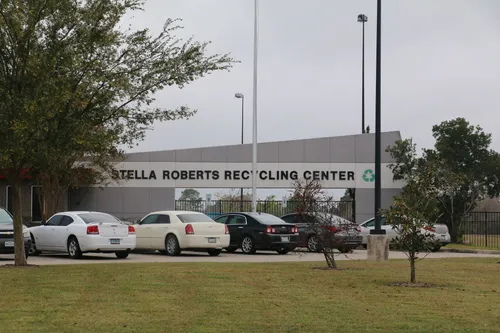
Keep Pearland Beautiful - Stella Roberts Recycling Center
5800 Magnolia Pkwy, Pearland, TX 77584
Keep Pearland Beautiful - Stella Roberts Recycling Center offers comprehensive recycling services in Pearland, TX. The center accepts a wide range of materials including used cooking oils, hazardous waste, electronics, appliances, automotive fluids, batteries, and various recyclables. They provide specialized capabilities such as on-site glass crushing for aggregate production and collection of household hazardous waste on designated days. The facility operates as an environmental nonprofit and emphasizes safety by requiring visitors to remain in their vehicles during drop-off. Hazardous waste recycling is available Fridays and Saturdays with specific fee structures based on residency.
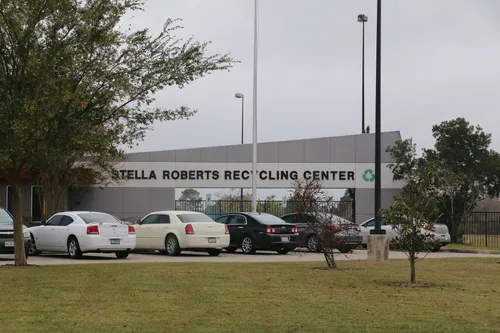
Lone Star Oil Recovery
4176 N Masters Rd, Pearland, TX 77584
Lone Star Oil Recovery provides used cooking oil collection services in Houston, TX. The company specializes in the safe and efficient collection of used cooking oil from various commercial sources. Lone Star Oil Recovery focuses on environmentally responsible disposal and recycling of cooking oil to support sustainable practices in the region.
Why Proper UCO Management is Essential
Improper disposal of used fryer oil and grease is a leading cause of sewer blockages and sanitary sewer overflows. In Texas City, as throughout Texas, pouring fats, oils, and grease (FOG) down drains is not just bad practice-it's prohibited by state and local regulations. When hot oil cools in pipes, it solidifies, creating stubborn clogs that can lead to expensive backups in your own facility or the municipal system. Violations can result in significant fines. Beyond compliance, a well-managed UCO program enhances kitchen safety by reducing slip hazards and fire risks associated with improper storage. It also transforms a waste product into a valuable resource, as collected oil is a primary feedstock for renewable diesel and sustainable aviation fuel.
Key Regulations and Best Practices
Adhering to a few core guidelines will keep your operation compliant and clean:
- Never Pour Down Drains: The cardinal rule. Used cooking oil must never be disposed of in sinks, toilets, or floor drains. This also includes outdoor storm drains, which lead directly to local waterways 1 2.
- Cool Before Handling: Always allow oil to cool below 120°F before transferring it to a storage container. This prevents severe burns and damage to plastic storage totes or drums.
- Use Approved Containers: Store cooled UCO in sturdy, sealable containers provided by your recycling service. These are typically lockable steel or heavy-duty plastic tanks designed to prevent leaks, spills, and theft.
- Designate a Storage Area: Place your collection container in a designated, accessible area. Outdoor locations with secondary spill containment are ideal, but if stored indoors, ensure the area is well-ventilated and has absorbent materials nearby.
- Separate Solids: Scrape food solids and batter debris into the trash or compost bin before pouring oil into the storage container. This keeps the oil cleaner, which can improve its recycling value and prevent clogs in the storage tank pump 3.
How Professional Collection and Recycling Works
Engaging a professional used cooking oil collection service streamlines the entire process. Here's what a typical service entails:
- Container Provision: The service provider supplies a dedicated, appropriately sized storage tank or tote for your kitchen at no upfront cost. They maintain ownership of the container.
- Regular Scheduled Pickups: Based on your oil production volume, the company establishes a pickup schedule-weekly, bi-weekly, or monthly. This prevents overflows and ensures consistent service.
- Oil Collection: On service day, a technician pumps the used oil from your container into a specialized collection truck. They will often clean up any minor spills around the container and check the equipment.
- Transportation and Processing: The collected oil is transported to a recycling facility. There, it undergoes filtration to remove food particles and water.
- Transformation into Biofuel: The purified oil is then processed through a chemical reaction called transesterification to create biodiesel, or it is hydrotreated to produce renewable diesel or sustainable aviation fuel (SAF) 4 5.
This closed-loop system ensures that your kitchen waste is diverted from landfills and sewers and given a second life as a cleaner-burning energy source.
Find the perfect used cooking oil collection companies for your needs
Get personalized recommendations and expert advice
Understanding Service Models and Costs
The cost structure for used cooking oil collection in Texas City can vary, primarily depending on your volume and the service model you choose. It's important to understand the options to find the best fit for your business.
- Volume-Based or "Free" Pickup: For establishments generating significant volumes of clean UCO (often 100 gallons or more per month), many providers offer pickup at no charge. In some cases, they may even share a small revenue payment per gallon, as the recycled oil has substantial value in the biofuel market. However, "free" services may be less reliable or responsive than fee-based contracts.
- Fee-for-Service Model: Many restaurants opt to pay a monthly service fee, which typically ranges from $35 to $120. This fee covers the provision and maintenance of the storage container, regularly scheduled pickups, and the peace of mind that comes with reliable, compliant service. This model is often recommended for its consistency and accountability, ensuring your oil is collected on time regardless of market price fluctuations 6.
- Cost Factors: Smaller volumes of oil or oil contaminated with excessive food solids and water may incur a charge per gallon for pickup, which can range from $0.10 to $0.65 per gallon 7. The clearest pricing often comes from a transparent monthly fee.
When evaluating providers, look beyond just price. Consider their service reliability, local reputation, and the quality of their customer support. A dependable partner who prevents spills and compliance issues is often more valuable in the long run.
Local and Regional Service Providers
While several national and regional companies serve the greater Houston and Galveston County area, including Texas City, it's beneficial to work with providers familiar with local regulations. Here are examples of established services in the region:
- Mahoney Environmental: A national leader with local service branches, Mahoney provides comprehensive used cooking oil collection, including storage tanks, scheduled pickups, and detailed service reporting. They serve the Houston metropolitan area and emphasize converting UCO into renewable fuels 8 9.
- First Texas Grease (Fryoil Houston): A Houston-based provider offering cooking oil recycling services, including supplying containers and custom pickup schedules. They focus on local service and recycling oil for biofuel production 10.
- Grease Connections: While primarily an informational resource, Grease Connections offers valuable insights into the different service and pricing models available in the Texas market, helping business owners make informed decisions.
When selecting a provider, request quotes from multiple companies, confirm their licensing and insurance, and ask for local references to ensure they provide timely and professional service in Texas City.
The Environmental and Economic Impact
Choosing professional used cooking oil collection creates a positive ripple effect. Environmentally, it directly reduces the burden on wastewater treatment facilities and helps prevent sewer overflows that can contaminate Galveston Bay. By recycling UCO into biofuel, your business supports a reduction in greenhouse gas emissions compared to fossil fuels. Economically, it supports a growing green industry in Texas and can provide a minor revenue stream or predictable waste management costs for your business. It's a practical step toward operational sustainability that benefits your bottom line and your community.
Frequently asked questions
Sources
Footnotes
-
Used Oil Recycling Program - Texas Commission on Environmental ... - https://www.tceq.texas.gov/permitting/registration/used_oil/recycling.html ↩
-
Reducing Fats, Oils, and Grease in Your Home or Apartment - https://www.tceq.texas.gov/assistance/water/wastewater/fog/home_fog.html ↩
-
Used Cooking Oil Disposal: Complete Guide to Grease Pickups - https://greaseconnections.com/used-cooking-oil-disposal-guide-grease-pickups/ ↩
-
Recycling Used Cooking Oil With Green Grease Environmental - https://www.youtube.com/watch?v=KP05Yx-GkHk ↩
-
What happens with the used oil from restaurants and fast-food ... - https://www.quora.com/What-happens-with-the-used-oil-from-restaurants-and-fast-food-chains-Is-there-any-sort-of-recycling ↩
-
Why "Free" Used Cooking Oil Collection Can Cost More Than ... - https://greaseconnections.com/free-used-oil-pickup-cost-trap/ ↩
-
Restaurant Used Cooking Oil: Disposal, Recycling & Revenue Guide - https://greaseconnections.com/restaurant-used-cooking-oil-disposal-recycling-revenue-guide/ ↩
-
Used Cooking Oil Pickup and Recycling Services in Dallas, TX - https://www.mahoneyes.com/waste-oil-pickup-recycling-dallas-tx/ ↩
-
Used Cooking Oil Pick Up & Recycling Service in Houston TX - https://www.mahoneyes.com/waste-oil-pickup-recycling-houston-tx/ ↩
-
Cooking Oil Recycling | Houston, TX - https://www.fryoilhouston.com/cooking-oil-recycling ↩