
Find the Best Used Cooking Oil Collection Companies for Your Business
No obligation • Fast responses • Nationwide coverage

Why you can trust Restaurant Waste Disposal
Restaurant Waste Disposal is a leading U.S. resource for comparing restaurant composting, food-waste recycling, grease trap cleaning, and used cooking oil collection services. Our editorial team researches providers, checks credentials, and organizes unbiased information so operators can make informed decisions. Companies cannot pay to change ratings or placement.
Search providers near you
Top Used Cooking Oil Collection Companies in Temple, Texas Ranked
For restaurants and food service establishments in Temple, proper used cooking oil (UCO) management is a critical operational and environmental responsibility. It involves a regulated system of collection, recycling, and documentation designed to protect the city's sewer infrastructure and turn a waste product into valuable resources like biodiesel. Navigating the requirements for grease trap maintenance, selecting a licensed hauler, and understanding the potential for revenue can streamline your operations and ensure compliance with local ordinances. This guide outlines the essential steps for effective grease and oil management specific to Temple.
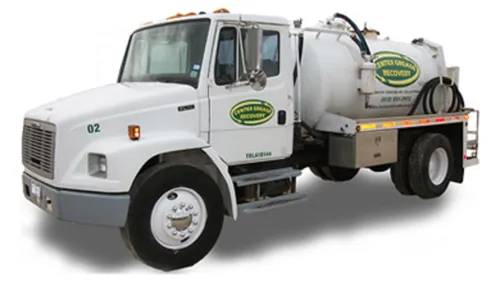
Centex Grease Recovery
151 County Rd 307, Jarrell, TX 76537
Centex Grease Recovery is a used cooking oil collection company based in Georgetown, TX. They serve restaurants throughout Central and North East Texas, including the Metroplex and San Antonio. The company collects waste vegetable oil and processes it locally into bio-diesel, a clean-burning alternative to petro-diesel. This local processing helps reduce transportation energy and supports the Central Texas economy by turning waste products into green fuel.
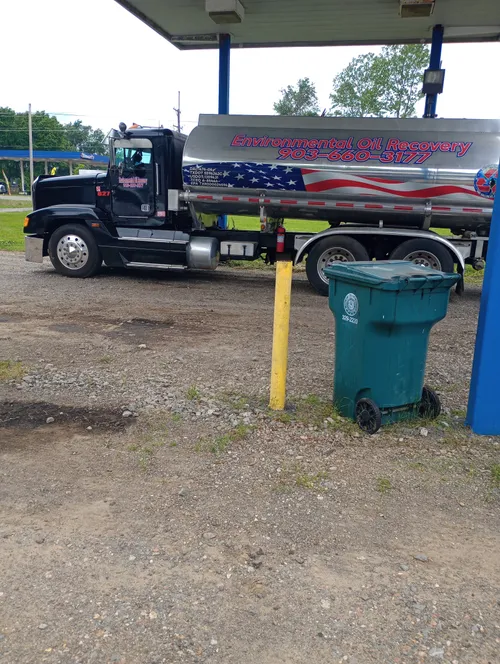
Environmental Oil Recovery
Longview, TX
Environmental Oil Recovery is a used cooking oil collection company based in Longview, TX. The company specializes in collecting and recycling used cooking oil from various commercial sources to support environmental sustainability.
Understanding Temple's FOG Program and Regulations
The City of Temple enforces a Fats, Oils, and Grease (FOG) management program to prevent sewer blockages and overflows. For any business that prepares food, compliance is not optional-it's mandated by city code 1. The cornerstone of this program is the prohibition of pouring any FOG down drains or into storm sewers. Instead, all used fryer oil, grease, and food scraps must be intercepted and collected for proper disposal by a licensed professional 2.
The primary tool for compliance is a properly sized and maintained grease interceptor or grease trap. These devices capture FOG before it enters the wastewater system. City rules require that these traps be pumped and cleaned by a licensed liquid waste hauler at least every 90 days, or more frequently when the grease and solids accumulate to 25% of the trap's capacity 3. It's important to note that while the City of Temple offers a free used oil collection program for residents (for motor oil and cooking oil), this service is not available for commercial food service establishments, which must contract with private, licensed haulers 4.
The Role of Licensed Grease Haulers
You cannot manage used fryer oil disposal on your own. Temple regulations require that all grease trap waste and used cooking oil be handled by a hauler licensed with the Texas Commission on Environmental Quality (TCEQ) 5. These professionals are authorized to transport and process this type of liquid waste safely and legally.
Working with a licensed provider ensures you receive the necessary documentation for city inspections. After each collection, your hauler should provide you with a manifest form (often a TCEQ Form 124 or similar) that details the volume collected, the date, and the destination facility. Keeping these records on file is your proof of compliance and is essential if a city inspector visits your establishment. Choosing a reputable, licensed hauler is the first and most important step in establishing a compliant UCO management system.
On-Site Storage and Preparation Best Practices
Proper on-site handling of used cooking oil before pickup is crucial for safety, efficiency, and maintaining the oil's quality for recycling.
- Storage Containers: Use dedicated, heavy-duty containers provided by your collection service. For indoor storage, these are typically 40-55 gallon drums. For outdoor, larger 110-300 gallon bins are common. Ensure all containers have secure, tight-fitting lids to prevent spills, odors, and pests.
- Location: Place collection bins in a convenient, accessible location, ideally near your loading dock or kitchen exit. This makes pickup quick and unobtrusive for both your staff and the hauler's crew.
- Oil Preparation: Before transferring oil to the storage bin, filter out large food particles. More importantly, always allow the oil to cool to a safe temperature (below 120°F is recommended) before handling to prevent serious burns and to preserve its quality for the recycling process 6 7.
The Collection and Recycling Process
Understanding what happens after pickup can highlight the environmental and economic benefits of proper UCO disposal.
- Scheduled Pickup: You or your manager will schedule regular pickups with your service provider. The frequency is based on your oil usage volume-high-volume restaurants may need weekly service, while others might be on a bi-weekly or monthly schedule.
- Collection: On the scheduled day, the hauler's truck will arrive. They will pump the used cooking oil directly from your storage bins into their specialized tanker truck.
- Transportation & Processing: The oil is transported to a processing facility. There, it is cleaned, filtered, and refined. High-quality used cooking oil is a valuable feedstock for the production of biodiesel, a renewable fuel 8. It can also be processed into other products like renewable diesel, animal feed supplements, soaps, and lubricants 9.
- Documentation: As mentioned, you will receive a manifest or service receipt, completing the chain of custody and providing your proof of responsible recycling.
Find the perfect used cooking oil collection companies for your needs
Get personalized recommendations and expert advice
Cost Structure and Potential Revenue
The financial model for used cooking oil collection in Temple often works on a sliding scale based on your establishment's output volume and the quality of the oil.
- For High-Volume Establishments: If your restaurant generates a consistent, significant amount of clean, well-filtered used cooking oil, you are likely in a position to earn revenue from it. Collection companies often pay rebates for high-quality oil, with rates that can vary based on market conditions but have historically ranged from $0.10 to $0.65 per gallon collected 10. This revenue can potentially offset or even cover the cost of associated services like grease trap cleaning.
- For Lower-Volume Establishments: Many service providers offer free used cooking oil pickup, provided you meet a minimum volume threshold per collection (e.g., 40 gallons). If your volume falls below this minimum, or if you require only grease trap cleaning without oil collection, you may be charged a service fee 11 12. It's essential to discuss pricing models and minimums clearly with potential providers.
Maintaining Compliance and Avoiding Violations
Staying in compliance protects your business from potential fines and costly sewer backups. Key steps include:
- Maintain Grease Traps: Adhere to the 90-day/25% full pumping schedule without fail. Keep a log of all cleaning and pumping services.
- Secure Documentation: File every manifest and service receipt from your hauler in an organized, easily accessible manner.
- Train Your Staff: Ensure all kitchen employees understand never to pour grease, oil, or food scraps down any drain. Post clear signage above sinks and drains as a reminder.
- Schedule Proactively: Don't wait until your grease trap is overflowing to call for service. Work with your hauler on a predictable, preventive schedule.
By implementing a systematic approach to used cooking oil collection, Temple restaurants can fulfill their regulatory duties, contribute to local environmental sustainability efforts, and potentially turn a waste stream into a modest revenue stream.
Frequently asked questions
Sources
Footnotes
-
FOG - Welcome to City of Temple, TX - https://www.templetx.gov/departments/city_departments/public_works/utility_services/environmental_programs/fog.php ↩
-
Restaurants and Food Preparation Facilities - TempleTX.gov - https://www.templetx.gov/departments/city_departments/public_works/drainage/storm_water_management_program/restaurants_and_food_preparation_facilities.php ↩
-
Liquid Waste Ordinance FAQ - Generator (FSE) - Revize Website - https://cms9files.revize.com/templetx/Public%20Works/Utility%20Services/environmental/Food%20Service%20Establishment%20FAQs.pdf ↩
-
Temple City Used Cooking Oil Collection - Grease Management - https://greasemanagement.org/oilcollectiontemplecity.html ↩
-
Used Oil Recycling Program - https://www.tceq.texas.gov/permitting/registration/used_oil/recycling.html ↩
-
Navigating Legal Requirements for Used Cooking Oil Disposal - https://bakercommodities.com/blog/2024/02/08/legal-requirement-used-cooking-grease/ ↩
-
Used Cooking Oil Disposal: Complete Guide to Grease Pickups - https://greaseconnections.com/used-cooking-oil-disposal-guide-grease-pickups/ ↩
-
Used Cooking Oil (UCO) Collection Service For Restaurants - https://thegreasecompany.com/blog/restaurant-used-cooking-oil-collection/ ↩
-
Used Cooking Oil Disposal - ReGrease - https://regrease.com/used-cooking-oil-pickup/ ↩
-
Restaurant Used Cooking Oil Recycling & Disposal Guide - https://greaseconnections.com/restaurant-used-cooking-oil-disposal-recycling-revenue-guide/ ↩
-
Used Cooking Oil Pickup vs Drop-Off-What's Best for Restaurants? - https://www.greaseprosrecycling.com/used-cooking-oil-pickup-vs-drop-off/ ↩
-
Grease Collection Service: What is it - https://www.grandnaturalinc.com/blog/what-is-grease-collection-service.html ↩