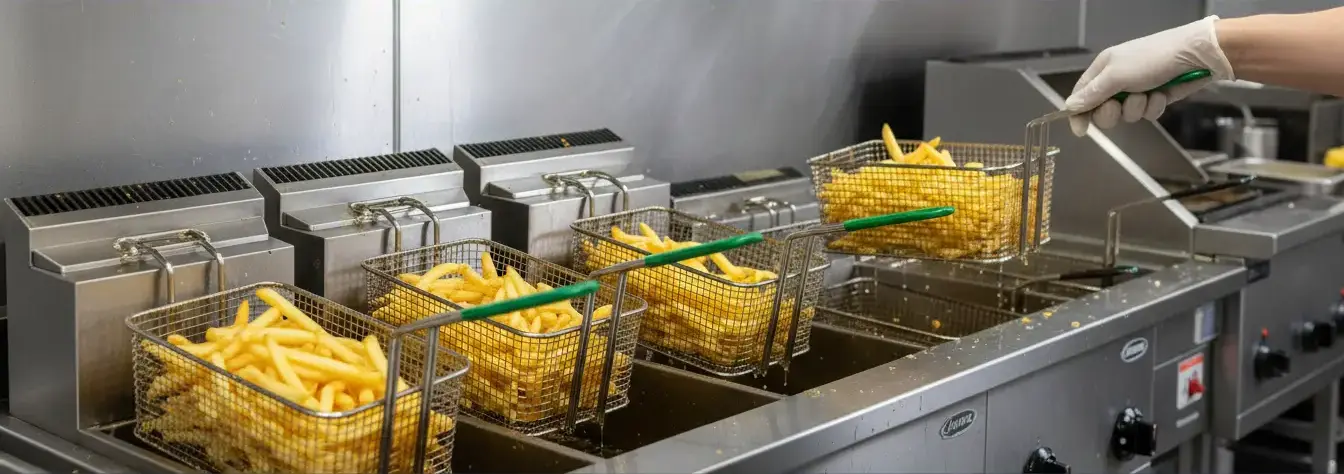
Find the Best Used Cooking Oil Collection Companies for Your Business
No obligation • Fast responses • Nationwide coverage

Why you can trust Restaurant Waste Disposal
Restaurant Waste Disposal is a leading U.S. resource for comparing restaurant composting, food-waste recycling, grease trap cleaning, and used cooking oil collection services. Our editorial team researches providers, checks credentials, and organizes unbiased information so operators can make informed decisions. Companies cannot pay to change ratings or placement.
Search providers near you
Top Used Cooking Oil Collection Companies in Pharr, Texas Ranked
For restaurants and food service businesses in Pharr, managing used cooking oil (UCO) is a critical operational and environmental responsibility. Proper waste oil disposal is not just about cleanliness; it's a regulated process that protects local sewer systems, supports Texas environmental goals, and can even become a potential revenue stream. By partnering with licensed grease collection and recycling services, Pharr establishments ensure compliance with state laws while contributing to the circular economy by transforming waste into valuable resources like biodiesel.
Understanding Texas and Local Regulations
Navigating the legal landscape is the first step for any Pharr business handling cooking oil waste. The Texas Commission on Environmental Quality (TCEQ) sets forth clear guidelines under the Texas Health & Safety Code, which strictly prohibit the disposal of used oil down drains, into sewers, or on land 1 2 3. These rules are designed to prevent costly and damaging sewer blockages and environmental contamination. For businesses that generate used oil, compliance hinges on proper storage and using authorized transporters.
Key regulatory requirements include:
- Storage: Used oil must be kept in sturdy, leak-proof containers or tanks that are clearly labeled "Used Oil" and kept covered to protect from weather and pests.
- Collection: Only transporters registered with the TCEQ should be used for pickup 4. If your business also collects oil from other locations (acting as a collection center), you must register with the TCEQ 5.
- Grease Trap Maintenance: Separate from liquid oil, grease interceptors (traps) must be regularly maintained and pumped to prevent fats, oils, and grease (FOG) from entering the municipal sewer system.
The Step-by-Step Collection Process for Restaurants
Implementing a smooth, efficient UCO management system involves a standardized workflow from the kitchen to the recycling truck. Following a consistent process minimizes mess, ensures safety, and maximizes the quality and value of the oil collected.
- Scrape and Strain: Kitchen staff should scrape food solids from cookware into compost or trash bins before washing. Liquid oil should be poured through a strainer or screen to remove food particles before it enters the storage container. Cleaner oil is more valuable.
- Secure Storage: The strained oil is transferred into a dedicated, TCEQ-compliant storage tank or barrel. These are often provided by the recycling company and placed in a secure, accessible outdoor location for pickup.
- Schedule Regular Pickup: Establish a service schedule with a licensed used cooking oil collector, such as ReGrease or Mahoney Environmental, who service the Texas Triangle region including Pharr. Frequency depends on your oil production volume.
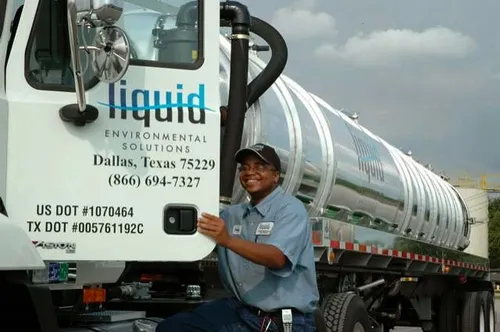
- Professional Collection: On the scheduled day, a service technician will pump the oil from your storage tank directly into their specialized collection truck. Reputable providers handle this cleanly and efficiently.
- Recycling and Transformation: The collected oil is transported to a processing facility where it is filtered and purified. It is then converted into biodiesel fuel, industrial lubricants, or other sustainable products, diverting waste from landfills 6.
- Receive Documentation: Your provider should supply you with documentation or a manifest for each pickup, which serves as a record for your compliance and waste tracking.
Cost Structure and Potential Value
The financial model for used cooking oil collection in Pharr is typically volume-based and can shift from a service cost to a potential revenue source. Understanding this can help businesses budget and negotiate service agreements.
For establishments with lower output, such as smaller cafes or food trucks generating less than 40 gallons per month, collection services may involve a monthly fee to cover the cost of pickup and transportation 7 8. However, as volume increases, the dynamics change. Businesses like busy restaurants or large-scale kitchens that produce 40 gallons or more per month often qualify for free pickup services 7 9. Furthermore, with consistent, high-quality (minimally contaminated) oil, businesses may even earn rebates or direct payments. Payment rates can vary based on market conditions but have been noted in a range from $0.10 to $0.65 per gallon 7 9. Factors influencing cost and value include your container size, collection frequency, contract terms, and most importantly, the purity of the oil you provide.
Find the perfect used cooking oil collection companies for your needs
Get personalized recommendations and expert advice
Choosing a Service Provider in the Pharr Area
Selecting the right partner for your grease trap cleaning and used oil recycling needs is crucial. Look for providers that are fully licensed and insured, with a proven track record of reliable service in the Rio Grande Valley. Key considerations include the flexibility of pickup schedules to match your kitchen's pace, the cleanliness and professionalism of their operations, and the transparency of their pricing or rebate structure. Providers like Mahoney Environmental and ReGrease highlight their compliance with TCEQ standards and their role in the biofuel supply chain, which can be a point of alignment for businesses focused on sustainability 10 11.
Environmental and Community Benefits
Proper used cooking oil collection extends far beyond individual business compliance. When Pharr restaurants participate in certified recycling programs, they contribute to significant positive outcomes. First, they directly prevent sewer overflows and infrastructure damage, which protects the local water system and avoids costly public works repairs. Second, by supplying feedstock for biodiesel production, they help reduce reliance on fossil fuels and lower greenhouse gas emissions 12. This circular economy model turns a waste product into a clean energy source, enhancing the community's environmental stewardship.
Best Practices for On-Site Management
To ensure a safe and efficient operation, restaurant managers should train all kitchen staff on proper oil handling procedures. This includes using dedicated, labeled funnels and containers to avoid mix-ups, performing regular visual checks on storage tanks for leaks or damage, and keeping the area around the storage container clear and accessible for service technicians. Establishing a clear log for tracking oil disposal dates and volumes can also simplify inventory management and service communications.
Frequently asked questions
Sources
Footnotes
-
What Do Restaurants Do with Grease? - Mahoney Environmental - https://www.mahoneyes.com/what-do-restaurants-do-with-grease/ ↩
-
Used Oil Recycling Program - https://www.tceq.texas.gov/permitting/registration/used_oil/recycling.html ↩
-
HEALTH AND SAFETY CODE CHAPTER 371. USED OIL COLLECTION, MANAGEMENT, AND RECYCLING - https://statutes.capitol.texas.gov/docs/HS/htm/HS.371.htm ↩
-
Used Oil: Collection - https://www.tceq.texas.gov/permitting/registration/used_oil/collection.html ↩
-
TCEQ RG-325 Used Oil Recycling - Texas.gov - https://www.tceq.texas.gov/downloads/permitting/waste-registration/pub/rg-325.pdf/@@download/file/rg-325.pdf ↩
-
Used Cooking Oil (UCO) Collection Service For Restaurants - https://thegreasecompany.com/blog/restaurant-used-cooking-oil-collection/ ↩
-
Do you get paid for used cooking oil? : r/cookingoilrecycling - Reddit - https://www.reddit.com/r/cookingoilrecycling/comments/1kvlxl5/do_you_get_paid_for_used_cooking_oil/ ↩ ↩2 ↩3
-
Used Cooking Oil Pickup vs Drop-Off - GreasePros Recycling - https://www.greaseprosrecycling.com/used-cooking-oil-pickup-vs-drop-off/ ↩
-
Restaurant Used Cooking Oil Recycling & Disposal Guide - https://greaseconnections.com/restaurant-used-cooking-oil-disposal-recycling-revenue-guide/ ↩ ↩2
-
Used Cooking Oil Pick Up & Recycling Service in Houston TX - https://www.mahoneyes.com/waste-oil-pickup-recycling-houston-tx/ ↩
-
ReGrease - Used Cooking Oil Recycling - Texas Triangle - https://regrease.com/ ↩
-
What happens with the used oil from restaurants and fast-food ... - https://www.quora.com/What-happens-with-the-used-oil-from-restaurants-and-fast-food-chains-Is-there-any-sort-of-recycling ↩