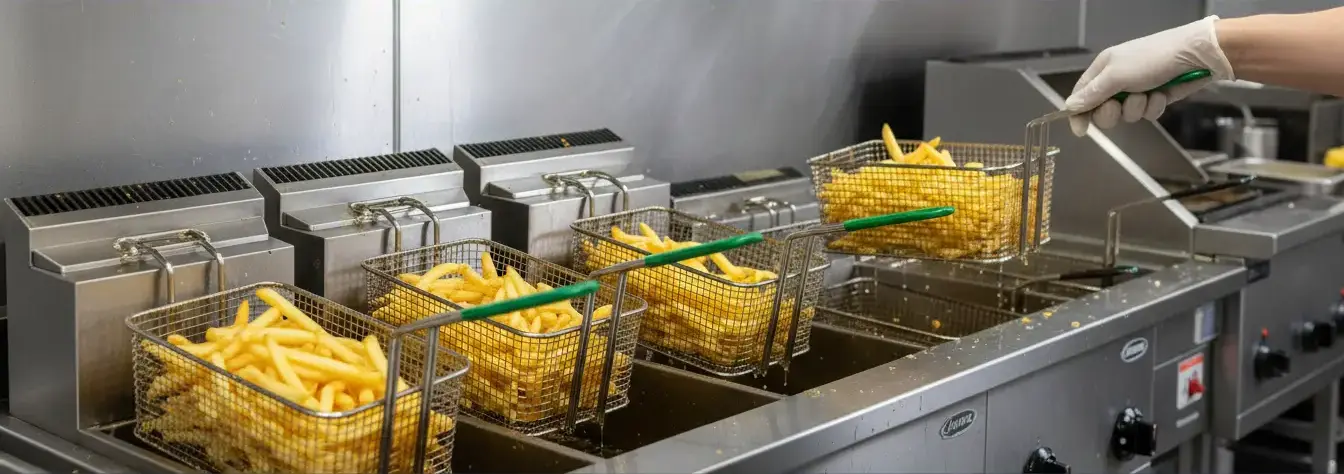
Find the Best Used Cooking Oil Collection Companies for Your Business
No obligation • Fast responses • Nationwide coverage

Why you can trust Restaurant Waste Disposal
Restaurant Waste Disposal is a leading U.S. resource for comparing restaurant composting, food-waste recycling, grease trap cleaning, and used cooking oil collection services. Our editorial team researches providers, checks credentials, and organizes unbiased information so operators can make informed decisions. Companies cannot pay to change ratings or placement.
Search providers near you
Top Used Cooking Oil Collection Companies in North Richland Hills, Texas Ranked
For restaurants and food service businesses in North Richland Hills, managing used cooking oil (UCO) is a critical operational and environmental responsibility. Proper grease collection and recycling not only keep your kitchen compliant with local regulations but also transform a waste product into valuable biodiesel fuel. By partnering with a licensed hauler, you ensure this material is kept out of drains and sewers, preventing costly blockages and overflows, while potentially offsetting disposal costs or generating a modest revenue stream.
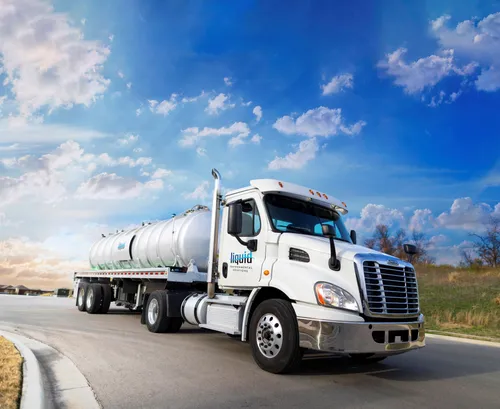
Liquid Environmental Solutions
7651 Esters Blvd Suite 200, Irving, TX 75063
Liquid Environmental Solutions is a non-hazardous liquid waste management company based in Fort Worth, TX. They provide services including used cooking oil collection, grease trap and interceptor cleaning, oil water separator and grit trap cleaning, and wastewater disposal. The company serves industries such as restaurants, grocery stores, convenience stores, automotive services, and environmental services, focusing on compliance and sustainability. Founded over twenty years ago, Liquid Environmental Solutions operates with state-of-the-art equipment and facilities to support their service delivery across multiple locations.
DAR PRO Solutions
5601 N MacArthur Blvd, Irving, TX 75063
DAR PRO Solutions is a used cooking oil collection company based in Fort Worth, TX. They specialize in collecting and recycling used cooking oil for businesses in the area. While the company has served clients for several years, recent reviews indicate some challenges with service consistency.
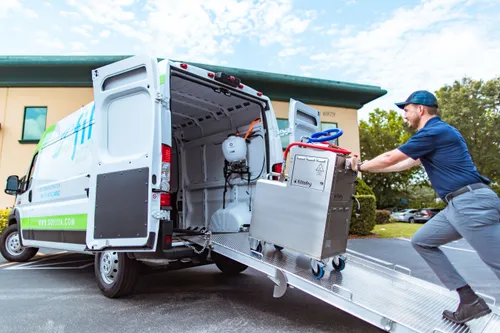
Filta Environmental Kitchen Solutions
803 Ave H East #311, Arlington, TX 76011
Filta Environmental Kitchen Solutions provides fryer cleaning and used cooking oil management services in Dallas, TX. Their offerings include micro-filtration of cooking oil to extend oil life and improve food consistency, vacuum-based fryer detailing, and the removal of used cooking oil for conversion into biodiesel. Additional services include eco-friendly moisture control for refrigeration units and probiotic drain cleaning to reduce buildup and odors. Filta's solutions aim to improve kitchen safety by reducing fryer maintenance risks and support sustainability through waste oil recycling.
Dallas Grease Trap Services
Fort Worth, TX
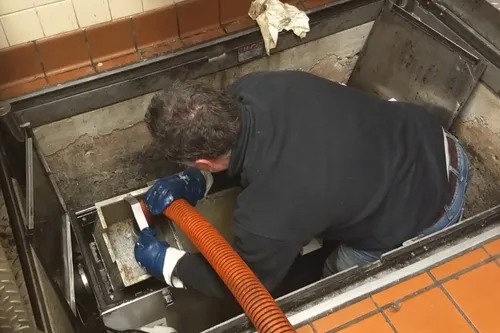
Dallas Grease Trap Services provides grease trap pumping, cleaning, and interceptor maintenance for commercial kitchens in Fort Worth, TX. They serve restaurants, schools, cafeterias, and industrial facilities throughout the Dallas-Fort Worth metroplex. The company operates a fleet of pump trucks and offers services including grease trap installation, used fryer oil collection, exhaust hood cleaning, and pressure washing. They ensure compliance with local health and safety codes by maintaining detailed service records and provide eco-friendly disposal and recycling of waste. Dallas Grease Trap Services has grown from a small operation to a major provider in the area and offers early hour and emergency services to meet client needs.
Southwaste Disposal
525 S 6th Ave, Mansfield, TX 76063
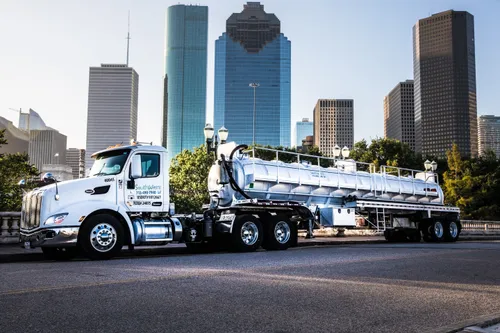
Southwaste Disposal is a waste management company based in Fort Worth, TX, specializing in used cooking oil collection, grease trap cleaning, and commercial plumbing services. They serve restaurants, car washes, and industrial facilities, offering tailored waste collection and recycling solutions that comply with local, state, and federal regulations. Southwaste Disposal operates with a focus on sustainability and environmental responsibility, providing services such as grease trap repairs and hydro-jetting to maintain plumbing systems. The company holds the necessary licenses and permits and offers 24/7 emergency response to address urgent needs.
Why Proper Grease Disposal is Non-Negotiable
Pouring used fryer oil, animal fats, and greasy food scraps down the drain is one of the leading causes of sewer system problems. When these materials cool, they solidify, creating massive blockages known as "fatbergs" in the pipes. This can lead to sewage backups into your business or neighborhood, resulting in expensive emergency plumbing repairs and significant fines from municipal authorities. The City of North Richland Hills and regional initiatives like Defend Your Drains North Texas actively promote proper disposal to protect the community's infrastructure 1.
Beyond the drains, improper disposal is wasteful. Used cooking oil is a feedstock for renewable energy. When collected correctly, it is processed into biodiesel, a cleaner-burning fuel that reduces greenhouse gas emissions compared to traditional petroleum diesel. Responsible grease management is a simple yet impactful step toward sustainability.
Step-by-Step: Setting Up a UCO Collection System
Implementing an effective used oil collection process in your kitchen involves a few key steps:
- Designate Storage Containers: Once the oil has cooled completely, transfer it from fryers into sturdy, sealable containers. For smaller volumes, dedicated metal or thick plastic containers work. For most restaurants, professional haulers provide specialized collection bins that are secure, covered, and clearly labeled.
- Maintain Oil Quality: The value of your used oil for recycling depends on its purity. Use drain screens to catch food solids, quickly absorb spills, and always keep collection containers covered to prevent contamination from water or debris. Cleaner oil commands better rebates.
- Partner with a Licensed Hauler: You cannot place used cooking oil with regular trash or recycling 2. You must contract with a licensed grease collection service. These companies will provide the appropriate storage bin and establish a regular pickup schedule tailored to your volume.
- Ensure Grease Trap Maintenance: Your kitchen's grease trap/interceptor is the first line of defense for your plumbing. It must be pumped out regularly by a professional service. This is a separate but equally vital service that works in tandem with used cooking oil collection to ensure full FOG (Fats, Oils, and Grease) compliance 3 4.
Find the perfect used cooking oil collection companies for your needs
Get personalized recommendations and expert advice
Understanding Costs and Potential Rebates
The financial model for used cooking oil pickup varies. Many collection services offer the pickup at no direct charge, as they generate revenue by selling the oil to biodiesel producers. Your cost or benefit often depends on your monthly volume and the quality of the oil you provide 5 6.
- Low Volume Producers (Under 100 gallons/month): Services are typically offered for free, or for a minimal service fee, as a way to secure the material and prevent improper disposal.
- Medium Volume Producers (100-300 gallons/month): You may begin to see modest rebates, often in the range of $0.10 to $0.25 per gallon, which can help offset the cost of the service or related operational expenses.
- High Volume Producers (Over 300 gallons/month): With consistent, high-quality oil, rebates can become more significant, potentially reaching $0.65 or more per gallon. For these businesses, used cooking oil collection transitions from a waste service to a minor revenue stream.
The key to maximizing value is consistency and cleanliness. A hauler is more likely to offer favorable terms to a restaurant that provides uncontaminated oil on a predictable schedule.
Choosing a Grease Collection Service in North Richland Hills
When selecting a partner for your grease recycling needs, consider more than just price. Look for a reliable, permitted hauler with a strong local presence. Companies like Baker Commodities, which services the greater Houston and North Texas region, and ReGrease, operating in the Texas Triangle, are examples of established providers 7 8. A good service provider will:
- Offer compliant, durable collection containers.
- Maintain a consistent and reliable pickup schedule.
- Provide documentation for your records, proving proper recycling and disposal for regulatory compliance.
- Have clear communication channels for service issues or schedule changes.
To find local providers, a targeted online search for "restaurant used cooking oil recycling North Richland Hills" is an effective starting point 9.
Environmental and Community Benefits
Participating in a formal UCO collection program extends benefits far beyond your kitchen. By ensuring your oil is converted into biodiesel, you are directly supporting the circular economy and reducing reliance on fossil fuels. This community-wide effort helps North Richland Hills and the broader North Texas region manage waste streams more effectively, reduce sewer maintenance costs, and improve local environmental health 10 11. It's a practical example of how responsible business practices contribute to a cleaner, more sustainable city.
Frequently asked questions
Sources
Footnotes
-
Calendar • Recycling of Cooking Oils & Grease - https://www.nrhtx.com/Calendar.aspx?EID=7006 ↩
-
Acceptable Garbage | North Richland Hills, TX - Official Website - https://www.nrhtx.com/146/Acceptable-Garbage ↩
-
What Do Restaurants Do with Grease? - Mahoney Environmental - https://www.mahoneyes.com/what-do-restaurants-do-with-grease/ ↩
-
Fats, Oils and Grease (FOG) | Richland Hills, TX - https://www.richlandhills.com/221/Fats-Oils-and-Grease-FOG ↩
-
Restaurant Used Cooking Oil Recycling & Disposal Guide - https://greaseconnections.com/restaurant-used-cooking-oil-disposal-recycling-revenue-guide/ ↩
-
Used Cooking Oil Disposal: Complete Guide to Grease Pickups - https://greaseconnections.com/used-cooking-oil-disposal-guide-grease-pickups/ ↩
-
ReGrease - Used Cooking Oil Recycling - Texas Triangle - https://regrease.com/ ↩
-
Restaurant Grease Collection in Houston, Texas - Baker Commodities - https://bakercommodities.com/our-locations/houston-tx/ ↩
-
Restaurant Grease & Cooking Oil Recycling Services - https://eazygrease.com/restaurant-grease-cooking-oil-recycling/ ↩
-
Used Cooking Oil (UCO) Collection Service For Restaurants - https://thegreasecompany.com/blog/restaurant-used-cooking-oil-collection/ ↩
-
Holiday Grease Roundup - Defend Your Drains North Texas - https://www.defendyourdrainsnorthtexas.org/holiday-grease-roundup/index.html ↩