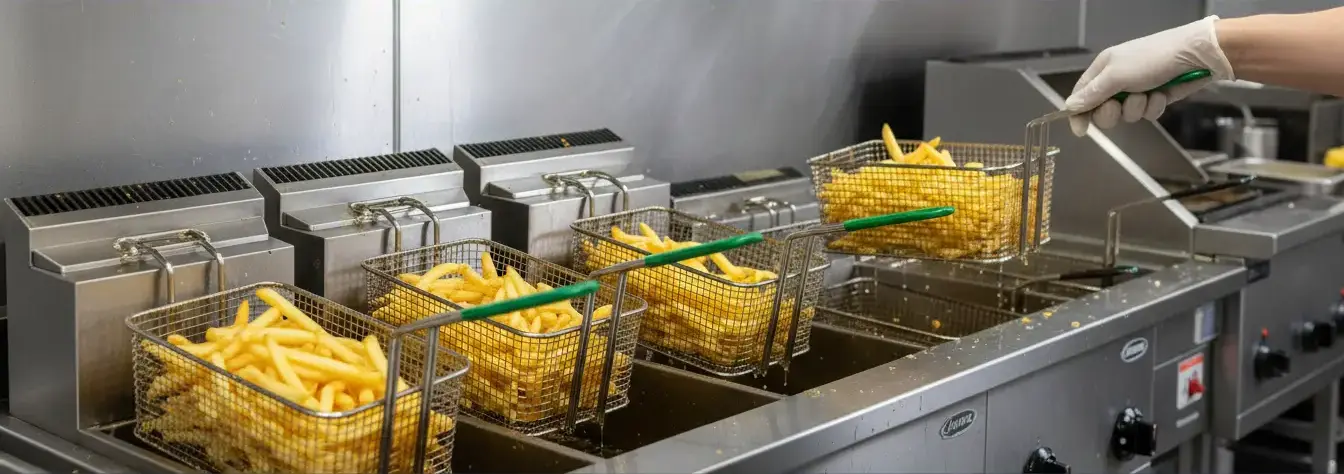
Find the Best Used Cooking Oil Collection Companies for Your Business
No obligation • Fast responses • Nationwide coverage

Why you can trust Restaurant Waste Disposal
Restaurant Waste Disposal is a leading U.S. resource for comparing restaurant composting, food-waste recycling, grease trap cleaning, and used cooking oil collection services. Our editorial team researches providers, checks credentials, and organizes unbiased information so operators can make informed decisions. Companies cannot pay to change ratings or placement.
Search providers near you
Top Used Cooking Oil Collection Companies in Mission, Texas Ranked
For restaurants in Mission, Texas, managing used cooking oil (UCO) is a critical operational and environmental responsibility. Proper grease collection and recycling not only ensure compliance with strict state and local regulations but also transform a waste product into a valuable resource like biodiesel. By partnering with a licensed hauler, food service establishments can implement a safe, efficient system for oil disposal that often includes free collection services and can even generate supplemental revenue, turning a logistical necessity into a potential financial benefit.
Understanding Local Regulations for Grease Disposal
Navigating the legal landscape is the first step for any Mission restaurant establishing a used cooking oil program. Texas state law explicitly prohibits the disposal of used oil into sewers, waterways, or on land 1. This mandate is designed to prevent costly and damaging sewer blockages and environmental contamination. To enforce these rules, the state requires that any entity transporting used kitchen grease off-site must be a licensed "Industrial Kitchen Grease" (IKG) hauler2 3. Utilizing an unlicensed service can leave your business liable for violations. Compliance isn't just about avoiding fines; it's a fundamental part of responsible business operations in the Rio Grande Valley, protecting local infrastructure and water resources.
Setting Up Your On-Site Collection System
A proper collection system starts with correct on-site handling. After cooking, oil should be allowed to cool and then filtered to remove food particulates before being transferred to a dedicated storage container. This step is crucial for maintaining oil quality, which can impact its recycling value.
Licused cooking oil collection companies typically provide the storage bins as part of their service. Your options generally include:
- Indoor Containers: Smaller, sealed containers (often 40-55 gallons) suitable for kitchens with limited space or lower volume.
- Outdoor Storage Bins: Larger, locked tanks or bins (ranging from 110 to 300 gallons) placed in a secure exterior location like a loading dock or fenced area.
These company-provided bins are designed to be secure and leak-proof, ensuring safe storage until the scheduled pickup. The choice between indoor and outdoor units depends on your kitchen's weekly oil volume, available space, and the frequency of service you arrange with your hauler.
The Collection and Recycling Process
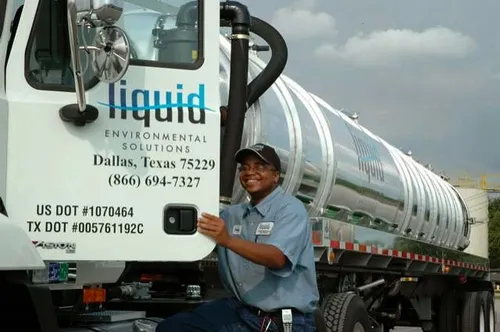
Once your storage system is in place, the process follows a consistent cycle managed by your service provider. A licensed hauler will establish a regular pickup schedule-weekly, bi-weekly, or monthly-based on your establishment's production volume. On service day, a technician will collect the oil from your secured bin and transport it in a specialized vehicle to a processing facility.
This is where the waste is transformed. At the processing plant, the used cooking oil undergoes purification and is then refined into valuable products. The primary end product is biodiesel, a renewable fuel 4. It can also be used in the production of animal feed, industrial lubricants, and other bio-based products. By participating in this cycle, Mission restaurants directly contribute to the circular economy, reducing fossil fuel dependence and landfill waste.
Financial Considerations: Costs, Rebates, and Revenue
The financial model for used cooking oil collection in Mission is typically volume-based. Many service providers offer a tiered structure:
- Low Volume (Less than 40 gallons/month): Restaurants with lower output may incur a modest monthly service fee to cover the cost of collection and recycling.
- Medium to High Volume (40+ gallons/month): This is the most common threshold. Businesses generating this volume or more often qualify for free collection services5 6. Furthermore, they frequently become eligible for rebates or direct payments.
The potential revenue from your used oil depends on global commodity markets for feedstocks like grease and tallow. Payments are usually calculated per gallon, with rates fluctuating. High-volume producers can command better prices, which have been noted to range from $0.10 to $0.65 per gallon in various markets7 8 9. This payment can act as a rebate on other services or a direct check, effectively offsetting operational costs or creating a new, small revenue stream.
Find the perfect used cooking oil collection companies for your needs
Get personalized recommendations and expert advice
Choosing a Service Provider in Mission
Selecting the right licensed hauler is key to a smooth and compliant program. When researching used cooking oil collection companies serving Mission, focus on their credentials, service offerings, and transparency.
Key questions to ask potential providers include:
- Can you provide proof of your Texas IKG hauler license?
- What types and sizes of storage containers do you provide, and is there a cost?
- How do you determine the pickup schedule?
- What is your pricing structure? Do you offer free collection for volumes over 40 gallons per month?
- If I qualify, what is your payment or rebate schedule, and how is the price per gallon determined?
- What are your procedures for cleaning up spills or drips during service?
Establishing a relationship with a reputable, local provider ensures reliable service and helps you stay on the right side of environmental regulations.
Best Practices for Restaurant Managers
Maximizing the efficiency and value of your grease recycling program goes beyond just signing a contract. Implementing a few best practices in your kitchen can make a significant difference:
- Maintain Oil Purity: Consistently filter oil after each use and never mix it with water or other liquids. Clean oil is more valuable and easier to recycle10.
- Secure Your Bin: Always keep the collection bin locked when not in active use. This prevents unauthorized dumping, which can contaminate your oil, and reduces liability.
- Train Your Staff: Ensure all kitchen staff understand the proper cooling, filtering, and transfer procedures. Clear protocols prevent accidents and maintain oil quality.
- Monitor Volume: Keep a simple log of how quickly you fill your container. This data is useful for verifying your hauler's pickup frequency and ensuring you are receiving appropriate service for your volume tier.
By following these guidelines, you protect your business, enhance the value of your recyclable oil, and contribute to a sustainable solution for Mission.
Frequently asked questions
Sources
Footnotes
-
Used Oil Recycling Program - https://www.tceq.texas.gov/permitting/registration/used_oil/recycling.html ↩
-
Cooking Oil Collection & Grease Recycling Service - https://thegreasecompany.com/oilcollection.html ↩
-
Cooking Oil Recycling | Houston, TX - https://www.fryoilhouston.com/cooking-oil-recycling ↩
-
Used Cooking Oil (UCO) Collection Service For Restaurants - https://thegreasecompany.com/blog/restaurant-used-cooking-oil-collection/ ↩
-
Grease Collection Service: What is it - https://www.grandnaturalinc.com/blog/what-is-grease-collection-service.html ↩
-
Used Cooking Oil Pickup vs Drop-Off-What's Best for Restaurants? - https://www.greaseprosrecycling.com/used-cooking-oil-pickup-vs-drop-off/ ↩
-
Used Cooking Oil Disposal: Complete Guide to Grease Pickups - https://greaseconnections.com/used-cooking-oil-disposal-guide-grease-pickups/ ↩
-
Restaurant Used Cooking Oil Recycling & Disposal Guide - https://greaseconnections.com/restaurant-used-cooking-oil-disposal-recycling-revenue-guide/ ↩
-
Do you get paid for used cooking oil? : r/cookingoilrecycling - Reddit - https://www.reddit.com/r/cookingoilrecycling/comments/1kvlxl5/do_you_get_paid_for_used_cooking_oil/ ↩
-
Used Cooking Oil Disposal - ReGrease - https://regrease.com/used-cooking-oil-pickup/ ↩