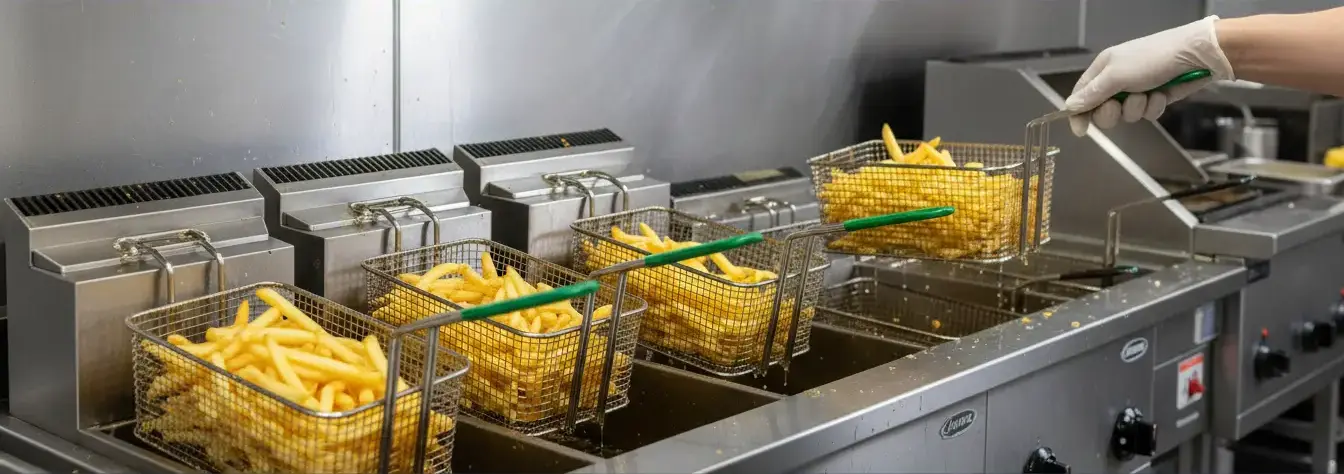
Find the Best Used Cooking Oil Collection Companies for Your Business
No obligation • Fast responses • Nationwide coverage

Why you can trust Restaurant Waste Disposal
Restaurant Waste Disposal is a leading U.S. resource for comparing restaurant composting, food-waste recycling, grease trap cleaning, and used cooking oil collection services. Our editorial team researches providers, checks credentials, and organizes unbiased information so operators can make informed decisions. Companies cannot pay to change ratings or placement.
Search providers near you
Top Used Cooking Oil Collection Companies in McKinney, Texas Ranked
For restaurants and food service establishments in McKinney, managing fats, oils, and grease (FOG) is a critical operational and environmental responsibility. Proper used cooking oil (UCO) collection and grease trap maintenance are not just best practices-they are mandated by local and state regulations to protect the city's sewer infrastructure and waterways. By partnering with a professional collection service, McKinney businesses can turn a waste product into a valuable resource for biodiesel and other products, ensuring compliance and contributing to a circular economy. This guide outlines the essential steps, rules, and benefits of establishing a reliable UCO management system.
DAR PRO Solutions
5601 N MacArthur Blvd, Irving, TX 75063
DAR PRO Solutions is a used cooking oil collection company based in Fort Worth, TX. They specialize in collecting and recycling used cooking oil for businesses in the area. While the company has served clients for several years, recent reviews indicate some challenges with service consistency.
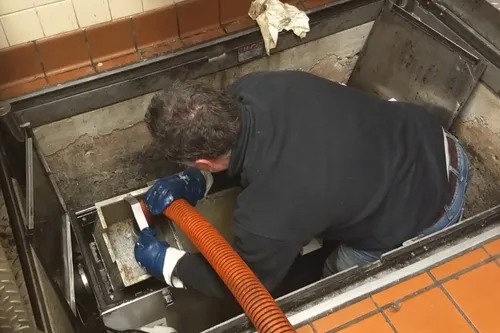
Dallas Grease Trap Services
Fort Worth, TX
Dallas Grease Trap Services provides grease trap pumping, cleaning, and interceptor maintenance for commercial kitchens in Fort Worth, TX. They serve restaurants, schools, cafeterias, and industrial facilities throughout the Dallas-Fort Worth metroplex. The company operates a fleet of pump trucks and offers services including grease trap installation, used fryer oil collection, exhaust hood cleaning, and pressure washing. They ensure compliance with local health and safety codes by maintaining detailed service records and provide eco-friendly disposal and recycling of waste. Dallas Grease Trap Services has grown from a small operation to a major provider in the area and offers early hour and emergency services to meet client needs.
Cease The Grease Cooking Oil Recycling Station
3939 Valley View Ln, Dallas, TX 75244
Cease The Grease Cooking Oil Recycling Station is a used cooking oil collection company located in Dallas, TX. The business specializes in collecting and recycling used cooking oil to help reduce waste and promote environmental sustainability in the Dallas area.
Liquid Environmental Solutions
11115 Goodnight Ln, Dallas, TX 75229
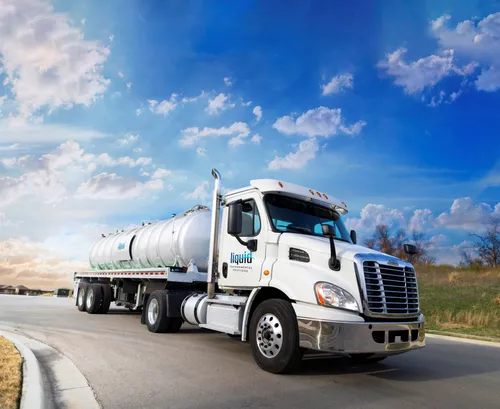
Liquid Environmental Solutions is a provider of non-hazardous liquid waste management services based in Fort Worth, TX. The company offers services including used cooking oil collection, grease trap and interceptor cleaning, oil water separator and grit trap cleaning, and wastewater disposal. They serve industries such as restaurants, grocery stores, convenience stores, automotive services, and environmental services, focusing on recycling and compliance. Founded over twenty years ago, Liquid Environmental Solutions emphasizes environmental stewardship and sustainability in their operations.
Restaurant Technologies
9755 Clifford Dr #170, Dallas, TX 75220
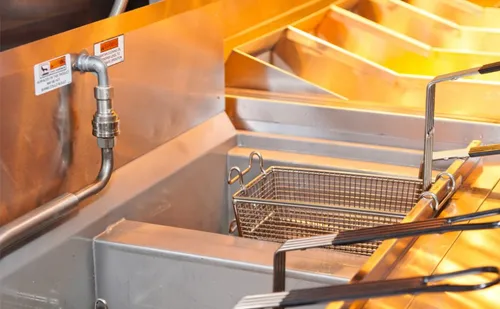
Restaurant Technologies is a used cooking oil collection company based in Dallas, TX. They offer an end-to-end bulk cooking oil delivery, filtration, and recycling service designed to automate and simplify cooking oil management for commercial kitchens. Their system includes installing tanks connected to fryers for fresh and waste oil, allowing automatic delivery and removal without manual handling. This closed-loop process helps reduce hazards associated with hot oil and supports sustainability initiatives. The company operates a depot in Dallas and serves local businesses with their Total Oil Management solution.
Understanding FOG Management Regulations in McKinney
Compliance begins with understanding the rules. In Texas, the management of used oil and grease is governed by a combination of city ordinances and Texas Commission on Environmental Quality (TCEQ) regulations.
- City of McKinney & Sewer System Protection: The City of McKinney, in alignment with the "Defend Your Drains North Texas" initiative, requires all food service establishments to install and properly maintain grease traps or interceptors 1. These devices are the first line of defense, preventing fats, oils, and grease from entering the public sewer lines where they can cool, solidify, and cause costly blockages and sanitary sewer overflows.
- TCEQ Used Oil Rules: State law strictly prohibits the disposal of used cooking oil into sewers, drains, ditches, or waterways 2 3. The TCEQ classifies used oil as a recyclable material and mandates its proper handling. Establishments must ensure used oil is collected by a registered transporter and recycled appropriately 2.
- Consequences of Non-Compliance: Failure to adhere to these regulations can result in significant penalties, including fines and potential operational disruptions. Regular maintenance and proper documentation of grease trap cleaning and oil collection are key to passing inspections.
The Two Streams: Yellow Grease vs. Brown Grease
A crucial concept in kitchen grease management is the separation of two distinct waste streams. Confusing them can lead to problems and lost revenue.
- Yellow Grease (Used Cooking Oil - UCO): This is the relatively clean, liquid oil recovered from fryers, griddles, and other cooking equipment. It has high economic value and is the primary target for recycling companies. It is typically stored in dedicated containers provided by your collector.
- Brown Grease (Grease Trap Waste): This is the congealed mixture of FOG, food solids, and wastewater captured in your grease interceptor. It is not suitable for the same recycling processes as yellow grease and requires separate, specialized pumping and disposal services.
Never mix yellow grease with brown grease or water. Keeping these streams separate preserves the value of your UCO and ensures both waste types are handled correctly and cost-effectively.
Step-by-Step: Setting Up Your Oil Collection and Recycling System
Implementing a smooth UCO collection process involves coordination between your kitchen staff and your service provider.
- On-Site Separation & Storage: Kitchen staff should pour cooled UCO from fryers into sturdy, leak-proof containers, often 35- or 55-gallon drums supplied by your recycling company. These containers must be clearly labeled "Used Cooking Oil," kept covered, and stored on a stable, paved surface to prevent spills and environmental contamination.
- Scheduled Pickup: Your service provider will establish a regular pickup schedule-weekly, bi-weekly, or monthly-based on your oil generation volume. They will dispatch a vacuum truck to safely and efficiently transfer the oil from your storage containers 4.
- Recycling & Repurposing: The collected UCO is transported to a processing facility. There, it is filtered and refined to become a valuable feedstock for the production of biodiesel, a renewable fuel. It can also be used in the creation of animal feed, soaps, and industrial lubricants, completing the recycling loop 5.
- Grease Trap Maintenance: Remember that this is a separate, essential service. A licensed grease trap cleaning company must regularly pump out the accumulated brown grease from your interceptor to keep it functioning and in compliance. This service is a required operational expense.
Find the perfect used cooking oil collection companies for your needs
Get personalized recommendations and expert advice
Cost Structure and Service Provider Options
Understanding the financial model for grease management helps in budgeting and selecting the right partner.
- Used Cooking Oil Collection: For establishments generating sufficient volumes (often around 40 gallons or more per pickup), UCO collection is frequently offered as a free service-or can even generate a small revenue stream. Recyclers profit from the end product (biodiesel), so they provide the pickup and containers at no charge for the oil itself 6.
- Grease Trap Cleaning: This is a fee-based service. Costs vary based on the size of your interceptor, the frequency of required cleaning, and the service provider. It is a critical, non-negotiable cost of doing business to avoid sewer problems and regulatory fines 7.
- Local Service Providers: The McKinney and greater Dallas-Fort Worth area is served by several reputable national and regional companies. These include providers like Mahoney Environmental, MOPAC, ReGrease, and Grand Natural, among others 8 9 10. When evaluating providers, consider their reliability, compliance documentation, and the range of services offered.
Best Practices for Restaurant Managers
To ensure a seamless and compliant operation, integrate these practices into your daily routine:
- Staff Training: Educate all kitchen employees on the importance of separating oil from food debris and water, and correctly pouring UCO into the designated collection container.
- Preventative Maintenance: Keep your grease interceptor in good working order with cleanings as often as needed. A well-maintained trap is more effective and can reduce cleaning frequency over time.
- Keep Records: Maintain a clear log of all grease trap cleanings and UCO pickups. This documentation is your proof of compliance during health or municipal inspections.
- Spill Preparedness: Have spill containment materials (like absorbent pads) readily available near your oil storage area to manage any accidental drips or overflows immediately.
By proactively managing your used cooking oil and grease trap waste, your McKinney restaurant not only meets legal obligations but also participates in a sustainable practice that benefits the local community and environment.
Frequently asked questions
Sources
Footnotes
-
Restaurants are Required to Maintain Grease Traps - https://www.defendyourdrainsnorthtexas.org/restaurants.html ↩
-
Used Oil Recycling Program - https://www.tceq.texas.gov/permitting/registration/used_oil/recycling.html ↩ ↩2
-
TCEQ RG-325 Used Oil Recycling - Texas.gov - https://www.tceq.texas.gov/downloads/permitting/waste-registration/pub/rg-325.pdf/@@download/file/rg-325.pdf ↩
-
How to Recycle Used Cooking Oil and Grease for Residents and Restaurants - https://www.mopac.com/2024/02/12/how-to-recycle-used-cooking-oil-and-grease-for-residents-and-restaurants-3/ ↩
-
What Do Restaurants Do with Grease? - https://www.mahoneyes.com/what-do-restaurants-do-with-grease/ ↩
-
Used Cooking Oil Pickup and Recycling Services in Dallas, TX - https://www.mahoneyes.com/waste-oil-pickup-recycling-dallas-tx/ ↩
-
Restaurant Grease Pick Up & Disposal Services in Dallas, TX - https://www.mahoneyes.com/fryer-oil-disposal-recycling-dallas-tx/ ↩
-
Grease Collection Service: What is it - Grand Natural Inc - https://www.grandnaturalinc.com/blog/what-is-grease-collection-service.html ↩
-
Used Cooking Oil Disposal - ReGrease - https://regrease.com/used-cooking-oil-pickup/ ↩
-
How to Recycle Used Cooking Oil and Grease - Mopac - https://mopac.com/2024/02/12/how-to-recycle-used-cooking-oil-and-grease-for-residents-and-restaurants-3/ ↩