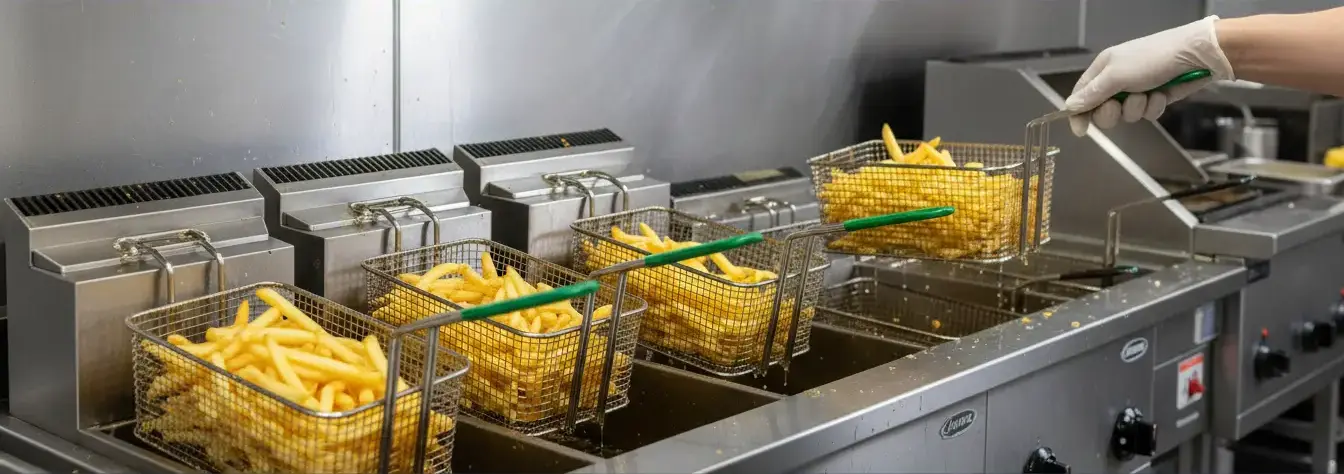
Find the Best Used Cooking Oil Collection Companies for Your Business
No obligation • Fast responses • Nationwide coverage

Why you can trust Restaurant Waste Disposal
Restaurant Waste Disposal is a leading U.S. resource for comparing restaurant composting, food-waste recycling, grease trap cleaning, and used cooking oil collection services. Our editorial team researches providers, checks credentials, and organizes unbiased information so operators can make informed decisions. Companies cannot pay to change ratings or placement.
Search providers near you
Top Used Cooking Oil Collection Companies in Mansfield, Texas Ranked
For restaurants and food service businesses in Mansfield, managing used cooking oil (UCO) is a critical operational and environmental responsibility. Properly handling this waste stream is not just about compliance; it's an opportunity to contribute to a circular economy by transforming a byproduct into valuable resources like biodiesel. In Mansfield, as in all of Texas, pouring fats, oils, and grease (FOG) down the drain is prohibited, making a professional collection service essential for avoiding costly sewer backups and potential fines. By partnering with a licensed hauler, local establishments can ensure secure, regular pickups that keep their kitchens running smoothly and sustainably.
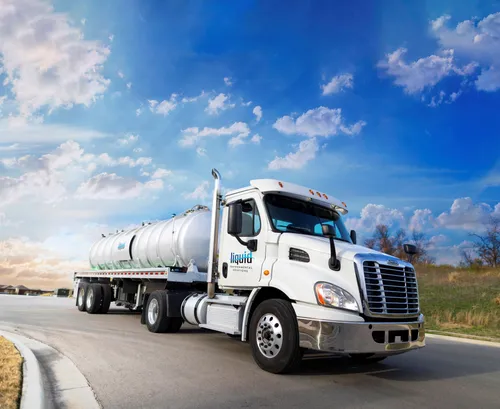
Liquid Environmental Solutions
7651 Esters Blvd Suite 200, Irving, TX 75063
Liquid Environmental Solutions is a non-hazardous liquid waste management company based in Fort Worth, TX. They provide services including used cooking oil collection, grease trap and interceptor cleaning, oil water separator and grit trap cleaning, and wastewater disposal. The company serves industries such as restaurants, grocery stores, convenience stores, automotive services, and environmental services, focusing on compliance and sustainability. Founded over twenty years ago, Liquid Environmental Solutions operates with state-of-the-art equipment and facilities to support their service delivery across multiple locations.
DAR PRO Solutions
5601 N MacArthur Blvd, Irving, TX 75063
DAR PRO Solutions is a used cooking oil collection company based in Fort Worth, TX. They specialize in collecting and recycling used cooking oil for businesses in the area. While the company has served clients for several years, recent reviews indicate some challenges with service consistency.
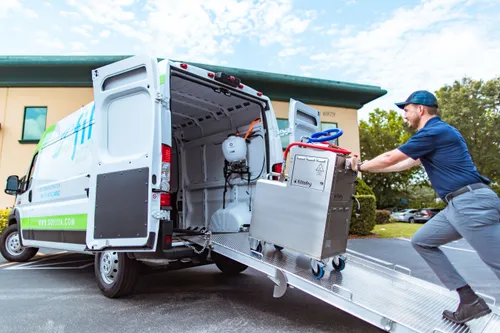
Filta Environmental Kitchen Solutions
803 Ave H East #311, Arlington, TX 76011
Filta Environmental Kitchen Solutions provides fryer cleaning and used cooking oil management services in Dallas, TX. Their offerings include micro-filtration of cooking oil to extend oil life and improve food consistency, vacuum-based fryer detailing, and the removal of used cooking oil for conversion into biodiesel. Additional services include eco-friendly moisture control for refrigeration units and probiotic drain cleaning to reduce buildup and odors. Filta's solutions aim to improve kitchen safety by reducing fryer maintenance risks and support sustainability through waste oil recycling.
Dallas Grease Trap Services
Fort Worth, TX
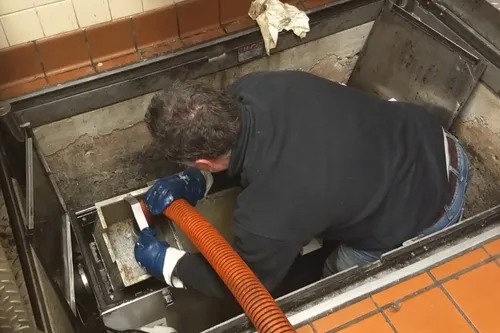
Dallas Grease Trap Services provides grease trap pumping, cleaning, and interceptor maintenance for commercial kitchens in Fort Worth, TX. They serve restaurants, schools, cafeterias, and industrial facilities throughout the Dallas-Fort Worth metroplex. The company operates a fleet of pump trucks and offers services including grease trap installation, used fryer oil collection, exhaust hood cleaning, and pressure washing. They ensure compliance with local health and safety codes by maintaining detailed service records and provide eco-friendly disposal and recycling of waste. Dallas Grease Trap Services has grown from a small operation to a major provider in the area and offers early hour and emergency services to meet client needs.
Southwaste Disposal
525 S 6th Ave, Mansfield, TX 76063
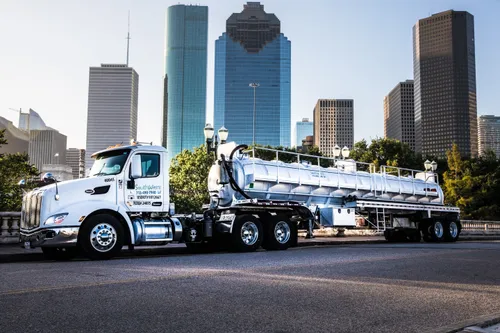
Southwaste Disposal is a waste management company based in Fort Worth, TX, specializing in used cooking oil collection, grease trap cleaning, and commercial plumbing services. They serve restaurants, car washes, and industrial facilities, offering tailored waste collection and recycling solutions that comply with local, state, and federal regulations. Southwaste Disposal operates with a focus on sustainability and environmental responsibility, providing services such as grease trap repairs and hydro-jetting to maintain plumbing systems. The company holds the necessary licenses and permits and offers 24/7 emergency response to address urgent needs.
Why Proper Grease Management is Non-Negotiable
Improper disposal of cooking oil and grease is a leading cause of sewer system blockages. When poured down sinks, FOG cools and solidifies inside pipes, creating stubborn clogs that can lead to sewage overflows-a public health hazard and a significant expense for property owners and the city. Texas state regulations and local Mansfield ordinances explicitly prohibit this practice for both residential and commercial entities. For businesses, the risks extend beyond plumbing issues. Dumping used oil into dumpsters or regular trash is also illegal, as it is considered a form of liquid or hazardous waste that can contaminate landfills. Adhering to proper grease trap maintenance and UCO collection protocols is the only way to operate responsibly and avoid regulatory penalties.
The Environmental and Economic Upside of Recycling
When collected correctly, used cooking oil is far from waste; it's a feedstock for recycling. The primary end product is biodiesel, a cleaner-burning renewable fuel that reduces reliance on fossil fuels. This process gives your restaurant's cooking oil a second life, contributing to lower carbon emissions. Beyond biofuel, recycled grease and oil can be processed into animal feed supplements, industrial lubricants, and even ingredients for soap production. This recycling loop turns a mandatory disposal task into a positive environmental action, aligning with growing consumer expectations for sustainable business practices.
How Professional Grease Collection Services Work
Engaging a professional used cooking oil pickup service streamlines the entire process for Mansfield restaurant owners.
Step 1: Service Setup You contract with a licensed used cooking oil collection company that services the Dallas-Fort Worth area, including Mansfield. They will assess your establishment's volume and needs to determine the right service schedule.
Step 2: Container Provision The provider will typically supply secure, lockable collection bins at no upfront cost. These containers are designed to be durable, covered to prevent rainwater contamination and deter theft or vandalism 1.
Step 3: Scheduled Pickups Based on your oil production (e.g., weekly, bi-weekly, or monthly), the hauler will perform regular collections. The driver will swap out full containers for clean, empty ones, ensuring a continuous and hassle-free system 2 3.
Step 4: Recycling & Processing The collected oil is transported to a processing facility where it is filtered to remove food particles and water. It is then sold to refiners who convert it into the useful products mentioned earlier, completing the recycling journey.
Find the perfect used cooking oil collection companies for your needs
Get personalized recommendations and expert advice
Best Practices for On-Site Oil Storage
Maximizing the value of your used oil and ensuring smooth service starts with proper on-site handling. The quality of the oil directly impacts its recyclability and the potential revenue it can generate.
- Use Covered Containers: Always store oil in the covered, dedicated bins provided by your hauler. This prevents rainwater from diluting the oil and keeps out food debris, which can lower its quality and value.
- Avoid Contamination: Never mix used cooking oil with other liquids like water, chemicals, or solvents. Contaminated oil is more difficult and costly to recycle and may be rejected by your hauler.
- Secure the Location: Place collection bins in a secure, accessible area for the hauler's truck. Locking bins help prevent unauthorized dumping or theft, protecting your asset.
- Let Oil Cool: Allow oil to cool sufficiently before transferring it to the storage bin to prevent burns and damage to the container.
Following these steps ensures you provide a clean, high-quality product for recycling, which is key to securing the best possible terms with your collection service.
Understanding Costs and Potential Rebates
The financial model for used cooking oil collection is unique. Unlike many waste services where you pay for disposal, UCO collection can often be free or even generate income, depending on your volume and oil quality.
- Low-Volume Producers: Smaller establishments generating less than 100 gallons per month often benefit from free pickup services. The hauler's revenue from selling the recycled material covers the cost of collection.
- Medium to High-Volume Producers: Restaurants with higher output, typically over 100 gallons per month, frequently qualify for rebate programs. Payments can range from $0.10 to $0.25 per gallon for medium volumes (100-300 gal/month) and $0.25 to $0.65 or more per gallon for high-volume producers (300+ gal/month) 4 5.
- The Quality Premium: The figures above are for clean, well-managed oil. Contamination with water or food solids can significantly reduce these rates. Proper storage isn't just about compliance-it directly impacts your bottom line by maximizing your rebate potential.
It's important to discuss pricing and rebate structures directly with service providers, as they can vary based on market conditions for recycled commodities like biodiesel.
Mansfield's Rules and Residential Resources
The City of Mansfield actively educates the public on the importance of keeping FOG out of the sewer system. Their Fats, Oil & Grease (FOGS) program outlines the prohibitions for both residents and businesses, emphasizing that grease blockages are a preventable problem. For residents, the city offers specific solutions, such as the seasonal Holiday Grease Roundup, a special collection event for used cooking oil generated during holiday cooking 6.
Important Distinction: These city-sponsored programs are designed for residential use. Commercial entities, including restaurants, cafes, bakeries, and any food-service business, are required by law to contract with a private, licensed used cooking oil hauler for regular, compliant collection and recycling 7 8. Relying on residential drop-off options is not a legal or scalable solution for commercial waste.
Choosing a Service Provider in Mansfield
When selecting a used cooking oil collection partner, Mansfield businesses should consider several factors:
- Licensing & Compliance: Ensure the hauler is fully licensed and permitted to operate in Texas and understands local Mansfield requirements 9 10.
- Service Reliability: Look for a company with a proven track record of consistent, on-time pickups to prevent overflow and mess.
- Container Quality: Providers should offer robust, lockable bins that protect your oil from the elements and theft.
- Transparent Terms: Understand the service agreement, including pickup schedules, any fees, and the details of any rebate program. Ask how rebate rates are determined and how payments are issued.
- Environmental Commitment: Inquire about the final destination and use of the collected oil. Reputable companies will have partnerships with bona fide biodiesel producers or other recycling facilities.
By taking the time to choose the right partner, you turn used cooking oil management from a chore into a streamlined, compliant, and potentially revenue-supporting part of your operations.
Frequently asked questions
Sources
Footnotes
-
Grease Collection Service: What is it - Grand Natural Inc - https://www.grandnaturalinc.com/blog/what-is-grease-collection-service.html ↩
-
Used Cooking Oil (UCO) Collection Service For Restaurants - https://thegreasecompany.com/blog/restaurant-used-cooking-oil-collection/ ↩
-
Used Cooking Oil Pickup vs Drop-Off-What's Best for Restaurants? - https://www.greaseprosrecycling.com/used-cooking-oil-pickup-vs-drop-off/ ↩
-
Used Cooking Oil Disposal: Complete Guide to Grease Pickups - https://greaseconnections.com/used-cooking-oil-disposal-guide-grease-pickups/ ↩
-
Restaurant Used Cooking Oil Recycling & Disposal Guide - https://greaseconnections.com/restaurant-used-cooking-oil-disposal-recycling-revenue-guide/ ↩
-
Don't pour used cooking oil or grease down the drain; recycle ... - https://www.instagram.com/p/DQnYWU6j66e/ ↩
-
Fats, Oil & Grease (FOGS) - Mansfield, TX - https://www.mansfieldtexas.gov/239/Fats-Oil-Grease-FOGS ↩
-
Mansfield Garbage and Recycling Ordinance PDF - https://www.mansfieldtexas.gov/DocumentCenter/View/475/Mansfield-Garbage-and-Recycling-Ordinance-PDF ↩
-
Used Cooking Oil Pickup and Recycling Services in Dallas, TX - https://www.mahoneyes.com/waste-oil-pickup-recycling-dallas-tx/ ↩
-
Used Oil Recycling Program - https://www.tceq.texas.gov/permitting/registration/used_oil/recycling.html ↩