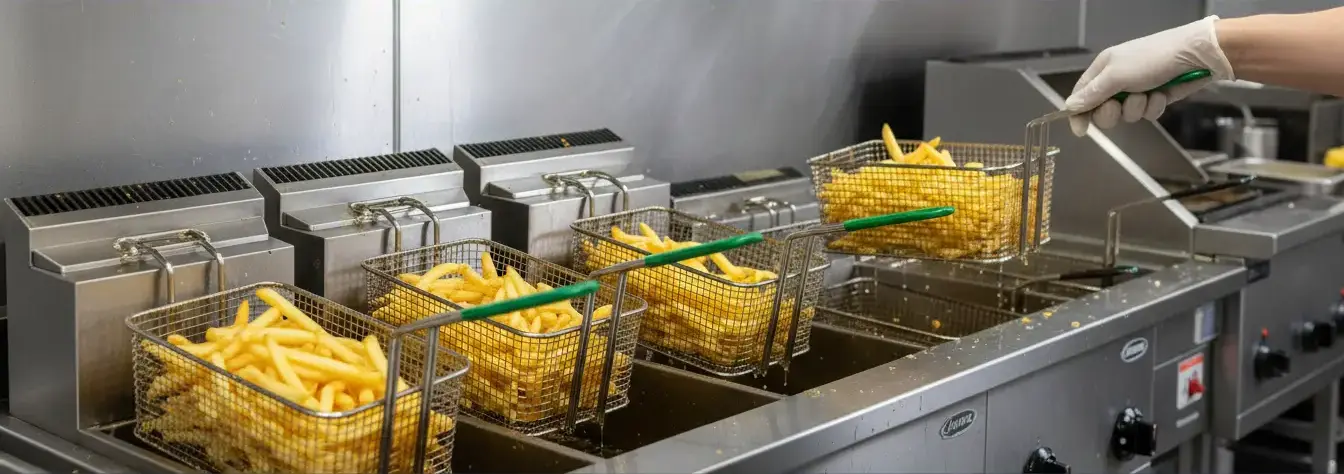
Find the Best Used Cooking Oil Collection Companies for Your Business
No obligation • Fast responses • Nationwide coverage

Why you can trust Restaurant Waste Disposal
Restaurant Waste Disposal is a leading U.S. resource for comparing restaurant composting, food-waste recycling, grease trap cleaning, and used cooking oil collection services. Our editorial team researches providers, checks credentials, and organizes unbiased information so operators can make informed decisions. Companies cannot pay to change ratings or placement.
Search providers near you
Top Used Cooking Oil Collection Companies in Little Elm, Texas Ranked
For restaurants in Little Elm, managing used cooking oil (UCO) is a critical operational and environmental responsibility. Proper disposal of this waste stream is not just about cleanliness; it's a regulated process that can turn a liability into a potential revenue source through recycling programs. By partnering with a licensed grease collection service, local eateries ensure compliance with town ordinances, protect their plumbing and the municipal sewer system from costly clogs, and contribute to the circular economy by transforming waste into biodiesel. This guide outlines the essential steps, local rules, and best practices for effective UCO management in Little Elm.
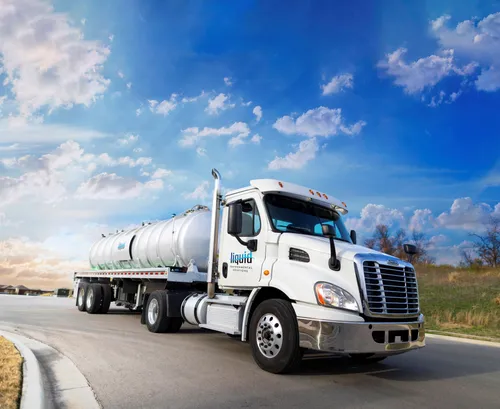
Liquid Environmental Solutions
7651 Esters Blvd Suite 200, Irving, TX 75063
Liquid Environmental Solutions is a non-hazardous liquid waste management company based in Fort Worth, TX. They provide services including used cooking oil collection, grease trap and interceptor cleaning, oil water separator and grit trap cleaning, and wastewater disposal. The company serves industries such as restaurants, grocery stores, convenience stores, automotive services, and environmental services, focusing on compliance and sustainability. Founded over twenty years ago, Liquid Environmental Solutions operates with state-of-the-art equipment and facilities to support their service delivery across multiple locations.
DAR PRO Solutions
5601 N MacArthur Blvd, Irving, TX 75063
DAR PRO Solutions is a used cooking oil collection company based in Fort Worth, TX. They specialize in collecting and recycling used cooking oil for businesses in the area. While the company has served clients for several years, recent reviews indicate some challenges with service consistency.
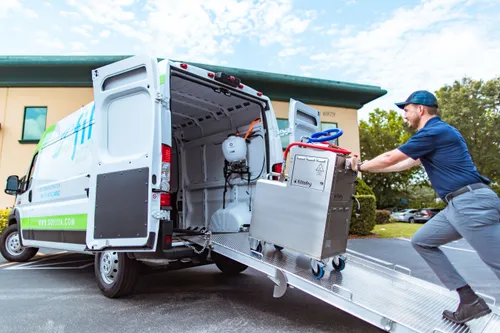
Filta Environmental Kitchen Solutions
803 Ave H East #311, Arlington, TX 76011
Filta Environmental Kitchen Solutions provides fryer cleaning and used cooking oil management services in Dallas, TX. Their offerings include micro-filtration of cooking oil to extend oil life and improve food consistency, vacuum-based fryer detailing, and the removal of used cooking oil for conversion into biodiesel. Additional services include eco-friendly moisture control for refrigeration units and probiotic drain cleaning to reduce buildup and odors. Filta's solutions aim to improve kitchen safety by reducing fryer maintenance risks and support sustainability through waste oil recycling.
Dallas Grease Trap Services
Fort Worth, TX
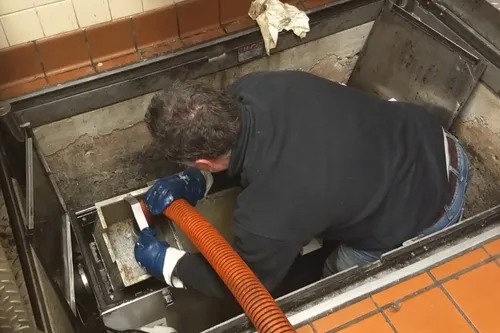
Dallas Grease Trap Services provides grease trap pumping, cleaning, and interceptor maintenance for commercial kitchens in Fort Worth, TX. They serve restaurants, schools, cafeterias, and industrial facilities throughout the Dallas-Fort Worth metroplex. The company operates a fleet of pump trucks and offers services including grease trap installation, used fryer oil collection, exhaust hood cleaning, and pressure washing. They ensure compliance with local health and safety codes by maintaining detailed service records and provide eco-friendly disposal and recycling of waste. Dallas Grease Trap Services has grown from a small operation to a major provider in the area and offers early hour and emergency services to meet client needs.
Cease The Grease Cooking Oil Recycling Station
3939 Valley View Ln, Dallas, TX 75244
Cease The Grease Cooking Oil Recycling Station is a used cooking oil collection company located in Dallas, TX. The business specializes in collecting and recycling used cooking oil to help reduce waste and promote environmental sustainability in the Dallas area.
Understanding Local Regulations and Franchise Agreements
In Little Elm, commercial waste disposal operates under a franchise system. This means the town designates specific haulers for solid waste, and this framework extends to liquid wastes like used fryer oil. Restaurants cannot simply contract with any company; they must use a licensed grease collection and recycling service that operates in compliance with local rules. Pouring used oil down drains is strictly prohibited and can lead to significant fines, as it is a primary cause of sewer blockages and infrastructure damage.
Maintaining proper documentation is a key part of compliance. Your collection service should provide certificates of recycling or pickup logs. Keeping these records demonstrates that your restaurant is responsibly managing its UCO in line with local requirements and is prepared for any potential inspections.
The Step-by-Step Collection and Recycling Process
A well-manused cooking oil program follows a clear chain of custody from your kitchen to its new life as a renewable resource.
- Cooling and Initial Transfer: After use, oil must be allowed to cool completely in the fryer. It is then carefully filtered to remove food particulates and transferred into a dedicated, sealable "caddy" or container. This step prevents burns and maintains oil quality.
- Secure Storage: The oil is poured from the caddy into a large, lockable outdoor storage bin provided by your recycling company. These bins are typically heavy-duty, leak-proof, and designed to prevent contamination and theft.
- Scheduled Pickup: Your restaurant works with the service provider to establish a regular pickup schedule-whether weekly, bi-weekly, or monthly-based on your volume of oil production. When the service truck arrives, a technician uses a pump to safely transfer the oil from your storage bin into the collection tank 1.
- Recycling and Transformation: The collected oil is transported to a processing facility. There, it is cleaned and refined. The primary end product is biodiesel, a cleaner-burning renewable fuel. It can also be used in the production of animal feed, lubricants, and other industrial products, ensuring nothing goes to waste.
Best Practices for On-Site Storage and Handling
Proper handling on your premises is crucial for safety, efficiency, and maximizing the value of your oil.
- Use the Right Equipment: Always use the containers and tools provided by your recycling partner. This typically includes a closed-caddy for safe transport from fryer to bin and a professionally rated outdoor storage container. Never use makeshift containers that can leak or break 2.
- Prioritize Security and Cleanliness: The outdoor storage bin should always be kept locked when not in use. This deters theft (as used oil has value) and prevents contamination from rainwater or debris, which can degrade the oil's quality for recycling 3.
- Filter Fryers Regularly: Implementing a consistent filtering schedule for your fryers extends the life of your cooking oil, improving food quality and reducing how often you need to change it. Cleaner oil collected at the end of its life is also more valuable to recyclers.
Find the perfect used cooking oil collection companies for your needs
Get personalized recommendations and expert advice
Cost Structure and Potential Rebates
The financial model for used cooking oil collection is typically volume-based and can be very favorable for restaurants. For establishments generating lower volumes (often under 100 gallons per month), pickup and disposal are frequently offered as a free service. The recycler covers the cost because the value of the raw material offsets their operational expenses 4 5.
For medium to high-volume producers, the model often shifts to a rebate program. Restaurants generating between 100 and 500+ gallons per month may earn a rebate on their oil. Rates can vary but often range from $0.10 to over $0.65 per gallon, depending on market conditions and oil quality 6 7. This rebate can effectively turn a waste disposal line item into a minor revenue stream or, at minimum, cover the cost of associated waste management services. Reputable providers serving the Dallas-Fort Worth area, including Little Elm, usually provide the storage bins, pickup, and recycling services as part of their package, with no upfront equipment fees 6 8.
Choosing a Service Provider in the DFW Area
When selecting a partner for your grease trap and used oil needs, consider providers that are fully licensed and insured, and have a proven track record in the North Texas region. Look for companies that offer clear contracts, reliable scheduling, and provide all necessary compliance documentation. Services should include the provision of secure, lockable collection containers and transparent reporting on your collected volumes and rebates, if applicable.
Environmental and Community Impact
Participating in a formal used cooking oil recycling program has benefits that extend beyond your restaurant's back door. By ensuring your oil is converted into biodiesel, you are directly supporting the reduction of fossil fuel dependence and greenhouse gas emissions. Furthermore, you are helping to protect Little Elm's local waterways and sewer infrastructure from pollution and blockages, contributing to the community's overall health and reducing municipal maintenance costs 9 10. Responsible UCO management is a clear example of a sustainable business practice that aligns operational necessity with environmental stewardship.
Frequently asked questions
Sources
Footnotes
-
Used Cooking Oil Disposal - ReGrease - https://regrease.com/used-cooking-oil-pickup/ ↩
-
Grease Removal for Restaurants - Webstaurant Store - https://www.webstaurantstore.com/blog/4746/grease-removal-for-restaurants.html ↩
-
Restaurant Oil Disposal: Explained - Eazy Grease - https://eazygrease.com/how-do-restaurants-get-rid-of-their-oil/ ↩
-
Used Cooking Oil Pickup vs Drop-Off-What's Best for Restaurants? - https://www.greaseprosrecycling.com/used-cooking-oil-pickup-vs-drop-off/ ↩
-
Used Cooking Oil Disposal: Complete Guide to Grease Pickups - https://greaseconnections.com/used-cooking-oil-disposal-guide-grease-pickups/ ↩
-
Restaurant Grease Pick Up & Disposal Services in Dallas, TX - https://www.mahoneyes.com/fryer-oil-disposal-recycling-dallas-tx/ ↩ ↩2
-
Restaurant Used Cooking Oil Recycling & Disposal Guide - https://greaseconnections.com/restaurant-used-cooking-oil-disposal-recycling-revenue-guide/ ↩
-
Used Cooking Oil (UCO) Collection Service For Restaurants - https://thegreasecompany.com/blog/restaurant-used-cooking-oil-collection/ ↩
-
an ordinance of the town of little elm, texas, adopting - https://www.littleelm.gov/DocumentView.asp?DID=456 ↩
-
What Happens To The Used Cooking Oil Once It Leaves Your Restaurant? - https://www.grandnatural.com/blog/what-happens-to-the-used-cooking-oil-once-it-leaves-your-restaurant.html ↩