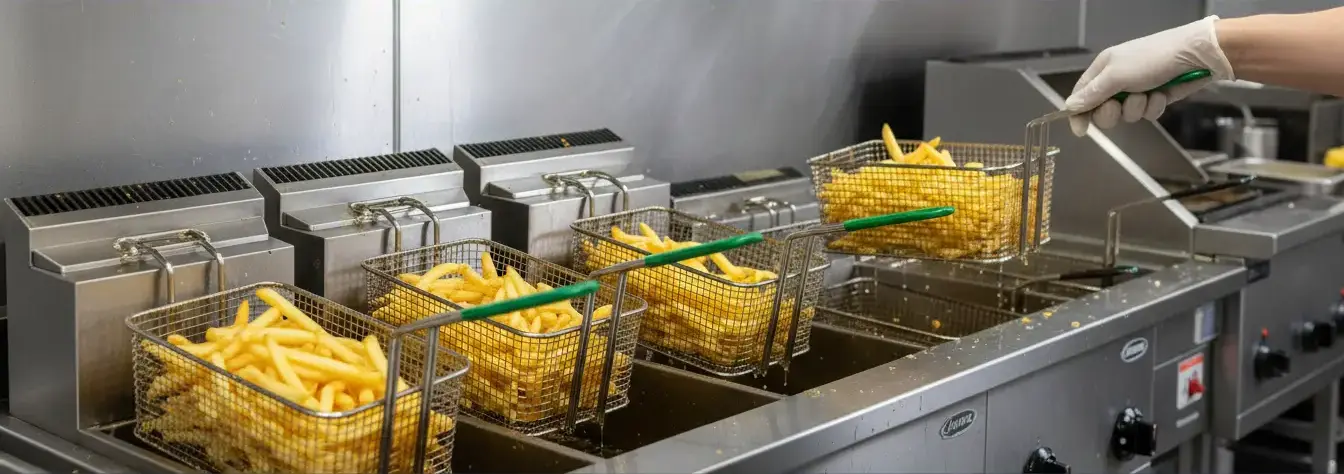
Find the Best Used Cooking Oil Collection Companies for Your Business
No obligation • Fast responses • Nationwide coverage

Why you can trust Restaurant Waste Disposal
Restaurant Waste Disposal is a leading U.S. resource for comparing restaurant composting, food-waste recycling, grease trap cleaning, and used cooking oil collection services. Our editorial team researches providers, checks credentials, and organizes unbiased information so operators can make informed decisions. Companies cannot pay to change ratings or placement.
Search providers near you
Top Used Cooking Oil Collection Companies in Leander, Texas Ranked
For restaurants in Leander, managing used cooking oil (UCO) is a critical operational and environmental responsibility. Proper disposal isn't just about cleanliness; it's a state-regulated process that, when handled correctly, can contribute to a circular economy by transforming waste into valuable resources like biodiesel. Partnering with a licensed collection service ensures compliance with Texas environmental laws, protects your plumbing from costly clogs, and can even turn your waste oil into a potential revenue stream. This guide outlines the essential steps, regulations, and benefits of establishing a reliable UCO management system for your food service business.
Round Rock Recycling Center
310 Deep Wood Dr, Round Rock, TX 78681
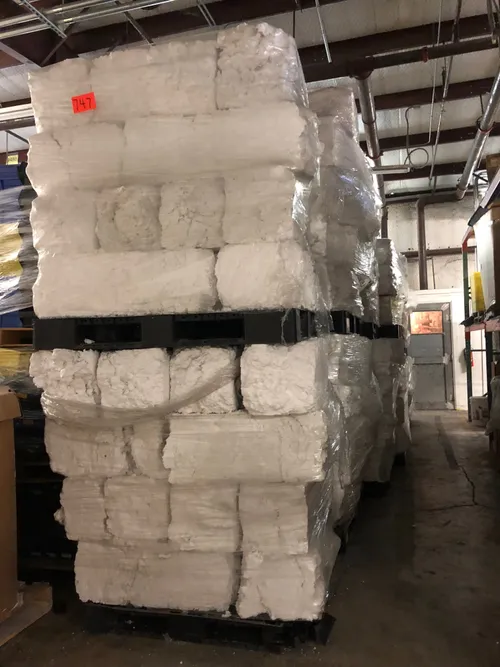
Round Rock Recycling Center in Georgetown, TX, offers a variety of recycling services including used cooking oil collection, household hazardous waste drop-off, curbside recycling, brush recycling, and Styrofoam recycling. The center accepts many types of recyclables such as aluminum, glass, paper, plastics, and scrap metal, simplifying the process by consolidating materials. It also provides a Re-USE Building where certain household hazardous waste products are made available for reuse. The center operates six days a week and serves as the city's designated drop-off location for items that cannot be recycled curbside.
Centex Grease Recovery
151 County Rd 307, Jarrell, TX 76537
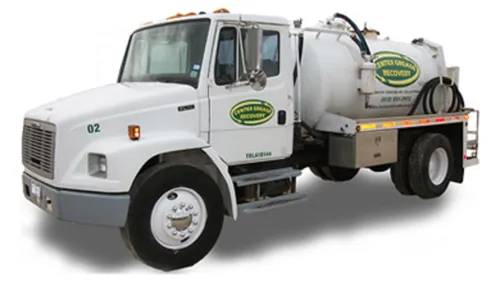
Centex Grease Recovery is a used cooking oil collection company based in Georgetown, TX. They serve restaurants throughout Central and North East Texas, including the Metroplex and San Antonio. The company collects waste vegetable oil and processes it locally into bio-diesel, a clean-burning alternative to petro-diesel. This local processing helps reduce transportation energy and supports the Central Texas economy by turning waste products into green fuel.
SouthWaste Disposal
800 Linger Ln, Austin, TX 78721
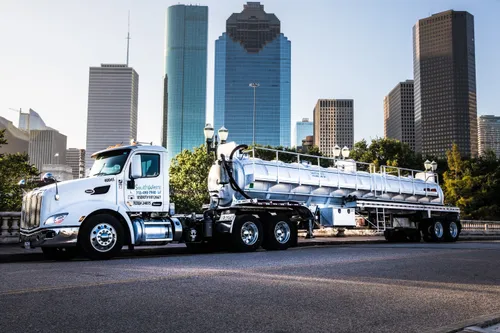
SouthWaste Disposal is a waste management company based in Austin, TX, specializing in used cooking oil collection, grease trap cleaning, and commercial plumbing services. They serve restaurants, car washes, and industrial facilities with tailored waste collection and recycling solutions. SouthWaste is licensed and permitted to handle various waste streams, including grease, grit, lint trap waste, and septic materials, ensuring compliance with local, state, and federal regulations. The company operates hydro-jetting services for drain line maintenance and repairs grease traps, backed by a licensed plumbing team. SouthWaste Disposal offers 24/7 emergency response to address urgent waste management needs promptly.
Understanding Texas and Leander Regulations
Navigating the legal landscape is the first step in responsible used cooking oil management. In Texas, the Texas Commission on Environmental Quality (TCEQ) sets the rules to protect our land and water resources.
- Illegal Dumping is Prohibited: It is a violation of TCEQ regulations to pour used oil onto the ground, into storm drains, or into the sanitary sewer system. This practice can lead to significant environmental damage and hefty fines for your business.
- Mandatory Use of Licensed Haulers: Restaurants are required to use professional, licensed grease hauling services for collection and disposal. Attempting to handle and transport large quantities of used oil yourself is not compliant with state oversight.
- Grease Trap Maintenance: While distinct from fryer oil collection, maintaining your grease interceptor is a related and crucial part of local health and plumbing codes. A well-maintained trap prevents fats, oils, and grease (FOG) from entering the wastewater system, avoiding backups and ensuring your kitchen operates smoothly 1.
The Professional Collection Process: From Fryer to Fuel
Professional used cooking oil collection is a streamlined service designed for convenience and safety. Reputable providers like those serving the Leander area manage the entire process.
- On-Site Filtering and Storage: After use, oil should be filtered to remove food particulates and allowed to cool. It is then transferred to a dedicated, sealed storage container or tank, often provided by the collection company. These containers are designed to be airtight and secure, preventing leaks, odors, and unauthorized access.
- Scheduled Pickups: Collection companies use scheduled routes or smart monitoring systems to service your container before it reaches capacity. This prevents overflow and mess. A specialized vacuum truck arrives to safely and efficiently pump the oil from your storage unit.
- Secure Transport: The collected oil is transported in dedicated vehicles to certified processing facilities. Using a licensed hauler provides a documented chain of custody, which is important for your records and compliance.
The Recycling Journey: From Waste to Resource
Once collected, your used cooking oil begins a new life. This recycling process is where environmental benefits are fully realized.
The oil is taken to a processing facility where it undergoes cleaning and purification to remove any remaining impurities. The primary end product is biodiesel, a renewable, cleaner-burning fuel alternative to petroleum diesel. Creating fuel from waste oil significantly reduces greenhouse gas emissions compared to fossil fuels. Other potential uses include components for animal feed and industrial lubricants. By participating in a collection program, your restaurant directly supports this sustainable supply chain and reduces its environmental footprint.
Storage Best Practices and Theft Prevention
Proper on-site storage is key to a hassle-free collection experience and protecting your asset.
- Use Approved Containers: Always store oil in the clean, dedicated containers provided by your hauler. Never use makeshift barrels or containers that held other chemicals 2.
- Ensure a Secure Location: Place storage tanks or containers in a secure, well-monitored area, preferably with lighting. Consider using locking caps or cages, as used cooking oil has a market value and can be a target for theft 3.
- Keep it Clean: Maintain the area around your storage container to prevent spills and pests. A clean station makes for a quicker, cleaner pickup for the service technician.
Find the perfect used cooking oil collection companies for your needs
Get personalized recommendations and expert advice
Potential Costs and Revenue for Leander Restaurants
The financial model for used cooking oil collection can vary. Many providers offer free pickup as a baseline service, with revenue-sharing opportunities based on the volume and quality of oil you generate. Market prices for recycled oil fluctuate, so specific rates should be obtained directly from service providers.
- Low Volume Producers: Restaurants generating less than 100 gallons per month often benefit from free regular pickup and disposal services, with no payment exchanged.
- Medium to High Volume Producers: Establishments producing 100 gallons or more per month may qualify for rebate programs. Compensation can range from a few cents per gallon to over $0.50 per gallon, depending on the current market and your agreement with the hauler 4 5. It's important to get detailed quotes from local providers like Mahoney Environmental or ReGrease for the most accurate pricing for your specific situation in Leander 6 7 8.
Choosing a Service Provider in Leander
Selecting the right partner is crucial. Look for a licensed, insured, and reputable company with experience serving Central Texas restaurants. Key considerations include reliability of pickup schedules, the quality and maintenance of their storage containers, transparency in pricing or rebate structures, and their commitment to environmentally sound recycling practices. A good provider will help you set up a system that ensures compliance, prevents kitchen interruptions, and maximizes the value of your used oil.
Frequently asked questions
Sources
Footnotes
-
Used Oil Recycling Program - https://www.tceq.texas.gov/permitting/registration/used_oil/recycling.html ↩
-
Used Cooking Oil Pickup vs Drop-Off - GreasePros Recycling - https://www.greaseprosrecycling.com/used-cooking-oil-pickup-vs-drop-off/ ↩
-
Used Cooking Oil (UCO) Collection Service For Restaurants - https://thegreasecompany.com/blog/restaurant-used-cooking-oil-collection/ ↩
-
Restaurant Used Cooking Oil Recycling & Disposal Guide - https://greaseconnections.com/restaurant-used-cooking-oil-disposal-recycling-revenue-guide/ ↩
-
Used Cooking Oil Disposal: Complete Guide to Grease Pickups - https://greaseconnections.com/used-cooking-oil-disposal-guide-grease-pickups/ ↩
-
Restaurant Oil Disposal: Explained - Eazy Grease - https://eazygrease.com/how-do-restaurants-get-rid-of-their-oil/ ↩
-
Used Cooking Oil Disposal - ReGrease - https://regrease.com/used-cooking-oil-pickup/ ↩
-
Restaurant Grease Pick Up & Disposal Services in Austin, TX - https://www.mahoneyes.com/fryer-oil-disposal-recycling-austin-tx/ ↩