Find the Best Used Cooking Oil Collection Companies for Your Business
No obligation • Fast responses • Nationwide coverage

Why you can trust Restaurant Waste Disposal
Restaurant Waste Disposal is a leading U.S. resource for comparing restaurant composting, food-waste recycling, grease trap cleaning, and used cooking oil collection services. Our editorial team researches providers, checks credentials, and organizes unbiased information so operators can make informed decisions. Companies cannot pay to change ratings or placement.
Search providers near you
Top Used Cooking Oil Collection Companies in Killeen, Texas Ranked
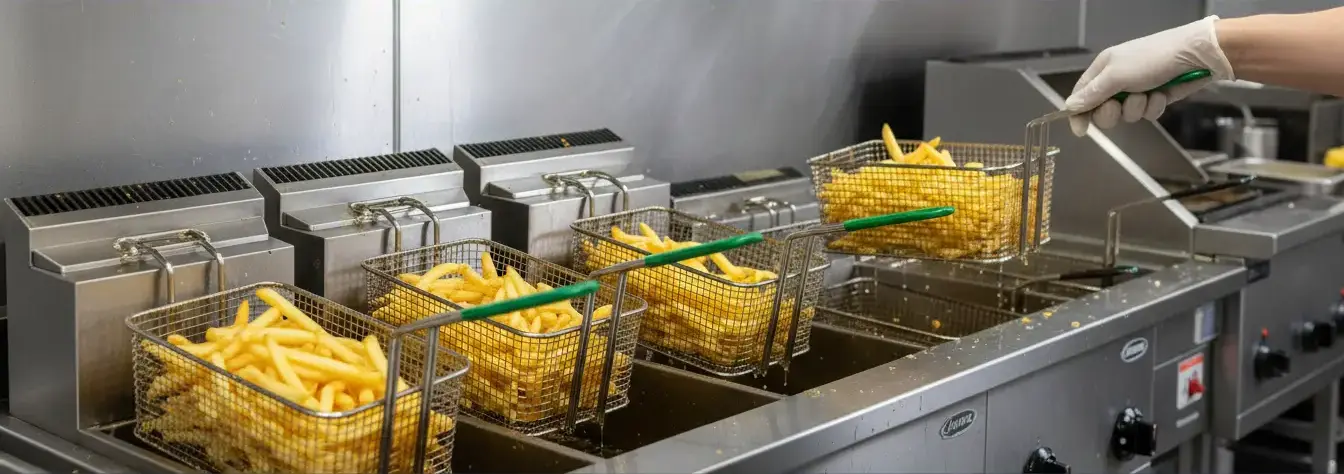
For restaurants and food service establishments in Killeen, managing used cooking oil (UCO) is more than just a kitchen chore-it's a regulated responsibility with significant financial and environmental implications. Proper grease collection and recycling are mandated by both state and local ordinances to protect the city's sewer infrastructure and public health. By partnering with a professional UCO recycler, local businesses can transform a messy waste product into a potential revenue stream or cost-saving measure, all while ensuring compliance and contributing to a circular economy that produces renewable biofuels like biodiesel.
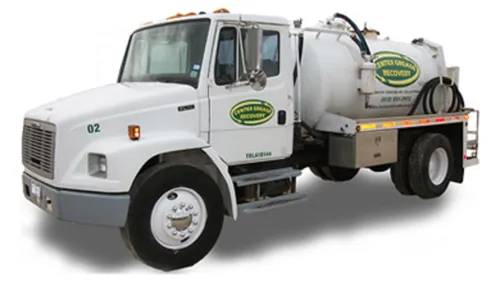
Centex Grease Recovery
151 County Rd 307, Jarrell, TX 76537
Centex Grease Recovery is a used cooking oil collection company based in Georgetown, TX. They serve restaurants throughout Central and North East Texas, including the Metroplex and San Antonio. The company collects waste vegetable oil and processes it locally into bio-diesel, a clean-burning alternative to petro-diesel. This local processing helps reduce transportation energy and supports the Central Texas economy by turning waste products into green fuel.
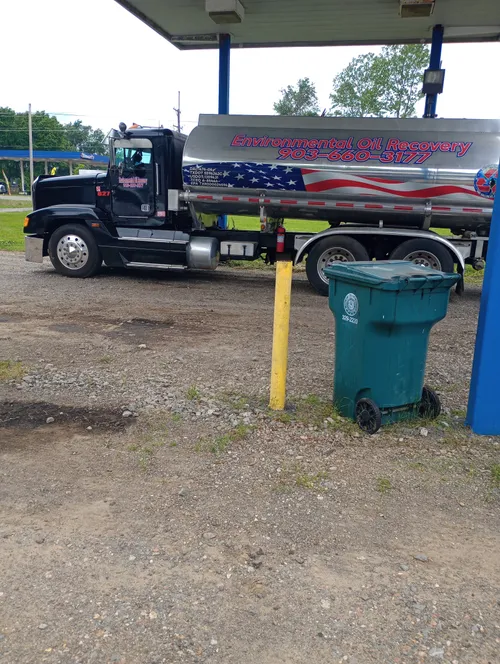
Environmental Oil Recovery
Longview, TX
Environmental Oil Recovery is a used cooking oil collection company based in Longview, TX. The company specializes in collecting and recycling used cooking oil from various commercial sources to support environmental sustainability.
Understanding Local and State Regulations
Navigating the legal landscape is the first step for any Killeen food service operator. Compliance is not optional, and understanding the rules can prevent costly fines and operational disruptions.
Texas Commission on Environmental Quality (TCEQ) Rules At the state level, the TCEQ strictly prohibits the disposal of used oil in sewers, on land, or in drains1 2. Used cooking oil is classified as a waste that requires proper management. The state encourages recycling, providing clear guidelines for storage and handling to prevent environmental contamination1.
Killeen's FOG (Fats, Oils, and Grease) Ordinance Locally, Killeen enforces its own FOG program to prevent sewer blockages and overflows, which can lead to expensive public works repairs and environmental damage. Restaurants are required to have properly sized and maintained grease traps or interceptors and to manage their used cooking oil responsibly. The city monitors compliance, and failure to adhere can result in significant penalties. Historical reports indicate that local restaurants have faced challenges in meeting these standards, highlighting the importance of a reliable disposal partner.
Best Practices for On-Site Storage and Handling
Before collection even occurs, how you store your used fryer oil on-site is critical for safety, compliance, and maintaining the quality of the recyclable material.
- Use Approved Containers: Always store UCO in sturdy, leak-proof containers. Most professional collection services provide these for free-typically stainless steel or heavy-duty plastic bins that are clearly labeled "Used Cooking Oil". Never use containers that previously held chemicals or are not food-grade.
- Secure Storage Locations: The placement of your collection bin matters. For smaller volumes (common 40-55 gallon containers), indoor storage in a designated, dry area is often recommended. For larger operations generating significant oil, outdoor storage in locked, 110-300 gallon containers is standard to prevent theft, tampering, and pest attraction 3.
- Maintain Container Integrity: Keep lids securely fastened at all times when the bin is not in active use. This prevents rainwater from contaminating the oil (which lowers its recycling value), stops odors from escaping, and deters insects and rodents.
The Grease Collection and Recycling Process
Partnering with a recycler streamines waste management into a simple, scheduled service. Here's how the typical process works for a Killeen restaurant:
- Generation & Collection: In the kitchen, staff pour cooled, used oil from fryers through a filter into a dedicated collection container. This simple filtering step can extend the life of frying oil and improves the quality of the material for recycling.
- Scheduled Pickup: When your container is full, or on a pre-arranged schedule (e.g., weekly, bi-weekly, monthly), your service provider dispatches a truck. The driver will swap out your full container for a clean, empty one, ensuring no interruption to your kitchen's workflow 4.
- Transportation & Processing: The collected oil is transported to a processing facility. There, it undergoes further filtration and purification to remove food particles and water.
- Transformation into Biofuel: The cleaned UCO is then used as a primary feedstock in the production of biodiesel, a renewable, cleaner-burning alternative to petroleum diesel. This process completes the circular economy, turning restaurant waste into valuable energy.
Cost Structure and Potential Revenue
The financial model for used cooking oil collection is volume-based. Understanding this can help you negotiate the best service agreement for your business size.
- Free Pickup Services: Many recyclers offer free collection, equipment, and maintenance to restaurants that generate a sufficient volume of oil-often cited as around 100 gallons or more per month. For these high-volume generators, the value of the oil as a commodity covers the cost of service.
- Paid Service Plans: Smaller establishments or those with lower oil output may incur a service fee. These fees can range from approximately $50 to over $200 per month, depending on pickup frequency and volume5. It's crucial to view this not as a pure cost, but as an affordable waste management solution that is far cheaper than potential fines for improper disposal or the labor involved in self-hauling.
- Rebate Programs: Some providers offer rebate programs where restaurants can actually earn money back based on the quantity and quality of oil they provide. Rebates can vary but have been noted in the industry to range from $0.10 to $0.65 per gallon6 7. This transforms your UCO from a cost center into a minor revenue stream.
Find the perfect used cooking oil collection companies for your needs
Get personalized recommendations and expert advice
Choosing a Service Provider in Killeen
Selecting the right partner is essential for reliable, compliant service. Look for a provider with a proven track record in the Central Texas area.
- Local Expertise: Choose a company familiar with Killeen's specific FOG ordinances and TCEQ requirements. They should be able to advise on compliance and best practices tailored to local enforcement 8.
- Service Reliability: Consistent, on-time pickups are crucial to prevent overflows and odors. Ask about service guarantees and their protocol for emergency pickups if needed.
- Transparent Contract: Understand all terms before signing. Is the equipment provided free? What are the fees or rebate structures? Is there a contract lock-in period? Clear terms prevent surprises down the line.
- Environmental Commitment: Verify that the collector is truly recycling the oil into biodiesel or another approved product, and not simply disposing of it. A reputable provider will be transparent about the final destination of your oil 9.
The key takeaway for Killeen restaurant owners is clear: professional used cooking oil recycling is a cost-effective strategy that mitigates legal risk, simplifies operations, and supports environmental sustainability. By choosing the right service, you ensure that your kitchen's waste is handled responsibly and contributes positively to both your bottom line and the community10.
Frequently asked questions
Sources
Footnotes
-
TCEQ RG-325 Used Oil Recycling - Texas.gov - https://www.tceq.texas.gov/downloads/permitting/waste-registration/pub/rg-325.pdf/@@download/file/rg-325.pdf ↩ ↩2
-
Used Oil Recycling Program - https://www.tceq.texas.gov/permitting/registration/used_oil/recycling.html ↩
-
Used Cooking Oil (UCO) Collection Service For Restaurants - https://thegreasecompany.com/blog/restaurant-used-cooking-oil-collection/ ↩
-
Grease Collection Service: What is it - Grand Natural Inc - https://www.grandnaturalinc.com/blog/what-is-grease-collection-service.html ↩
-
Used Cooking Oil Pickup vs Drop-Off - GreasePros Recycling - https://www.greaseprosrecycling.com/used-cooking-oil-pickup-vs-drop-off/ ↩
-
Restaurant Used Cooking Oil Recycling & Disposal Guide - https://greaseconnections.com/restaurant-used-cooking-oil-disposal-recycling-revenue-guide/ ↩
-
Used Cooking Oil Disposal: Complete Guide to Grease Pickups - https://greaseconnections.com/used-cooking-oil-disposal-guide-grease-pickups/ ↩
-
Restaurants struggle to comply with Killeen's grease rules | News - https://kdhnews.com/news/restaurants-struggle-to-comply-with-killeen-s-grease-rules/article_349d8094-41bc-11e2-abea-001a4bcf6878.html ↩
-
Recycling Used Cooking Oil With Green Grease Environmental - https://www.youtube.com/watch?v=KP05Yx-GkHk ↩
-
Used Cooking Oil Collection Killeen - https://www.grandnaturalinc.com/locations/used-cooking-oil-recycling-in-killeen.html ↩