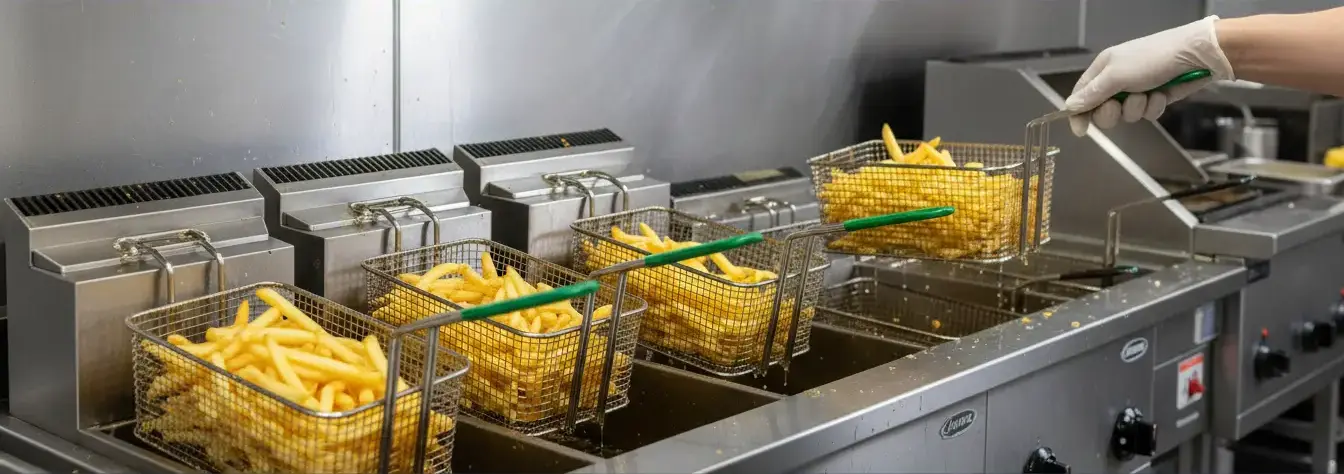
Find the Best Used Cooking Oil Collection Companies for Your Business
No obligation • Fast responses • Nationwide coverage

Why you can trust Restaurant Waste Disposal
Restaurant Waste Disposal is a leading U.S. resource for comparing restaurant composting, food-waste recycling, grease trap cleaning, and used cooking oil collection services. Our editorial team researches providers, checks credentials, and organizes unbiased information so operators can make informed decisions. Companies cannot pay to change ratings or placement.
Search providers near you
Top Used Cooking Oil Collection Companies in Keller, Texas Ranked
For restaurants and food service establishments in Keller, proper management of used cooking oil is a critical operational and environmental responsibility. Local regulations, enforced by the City of Keller and aligned with Texas Commission on Environmental Quality (TCEQ) rules, mandate that businesses partner with licensed haulers for the collection and recycling of this material. This process transforms a potential waste liability into a valuable resource for biodiesel production, while ensuring compliance, preventing costly sewer blockages, and maintaining a clean and safe kitchen environment. Navigating the requirements for storage, pickup schedules, and service agreements is essential for any food service operator.
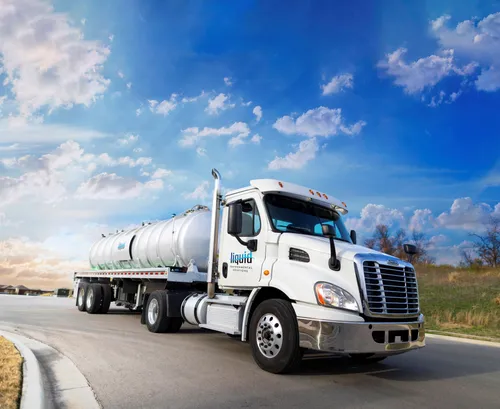
Liquid Environmental Solutions
7651 Esters Blvd Suite 200, Irving, TX 75063
Liquid Environmental Solutions is a non-hazardous liquid waste management company based in Fort Worth, TX. They provide services including used cooking oil collection, grease trap and interceptor cleaning, oil water separator and grit trap cleaning, and wastewater disposal. The company serves industries such as restaurants, grocery stores, convenience stores, automotive services, and environmental services, focusing on compliance and sustainability. Founded over twenty years ago, Liquid Environmental Solutions operates with state-of-the-art equipment and facilities to support their service delivery across multiple locations.
DAR PRO Solutions
5601 N MacArthur Blvd, Irving, TX 75063
DAR PRO Solutions is a used cooking oil collection company based in Fort Worth, TX. They specialize in collecting and recycling used cooking oil for businesses in the area. While the company has served clients for several years, recent reviews indicate some challenges with service consistency.
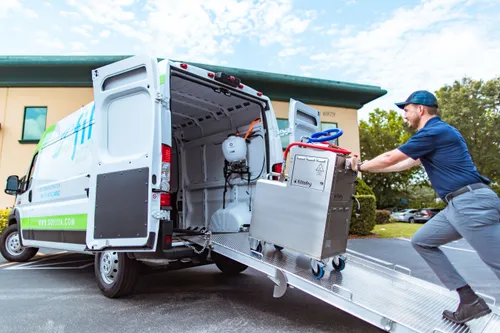
Filta Environmental Kitchen Solutions
803 Ave H East #311, Arlington, TX 76011
Filta Environmental Kitchen Solutions provides fryer cleaning and used cooking oil management services in Dallas, TX. Their offerings include micro-filtration of cooking oil to extend oil life and improve food consistency, vacuum-based fryer detailing, and the removal of used cooking oil for conversion into biodiesel. Additional services include eco-friendly moisture control for refrigeration units and probiotic drain cleaning to reduce buildup and odors. Filta's solutions aim to improve kitchen safety by reducing fryer maintenance risks and support sustainability through waste oil recycling.
Dallas Grease Trap Services
Fort Worth, TX
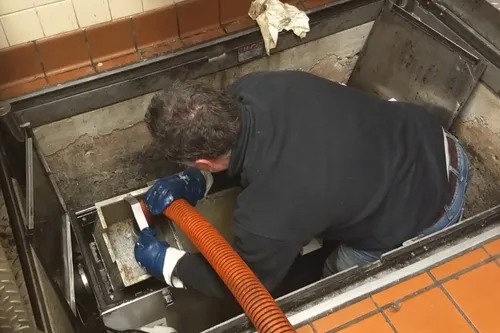
Dallas Grease Trap Services provides grease trap pumping, cleaning, and interceptor maintenance for commercial kitchens in Fort Worth, TX. They serve restaurants, schools, cafeterias, and industrial facilities throughout the Dallas-Fort Worth metroplex. The company operates a fleet of pump trucks and offers services including grease trap installation, used fryer oil collection, exhaust hood cleaning, and pressure washing. They ensure compliance with local health and safety codes by maintaining detailed service records and provide eco-friendly disposal and recycling of waste. Dallas Grease Trap Services has grown from a small operation to a major provider in the area and offers early hour and emergency services to meet client needs.
Southwaste Disposal
525 S 6th Ave, Mansfield, TX 76063
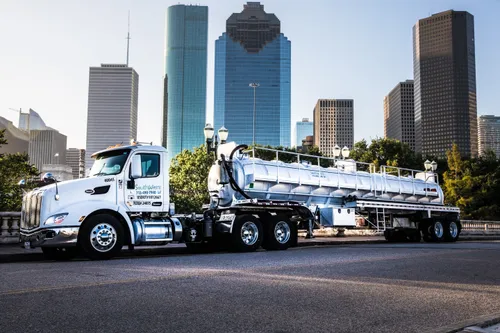
Southwaste Disposal is a waste management company based in Fort Worth, TX, specializing in used cooking oil collection, grease trap cleaning, and commercial plumbing services. They serve restaurants, car washes, and industrial facilities, offering tailored waste collection and recycling solutions that comply with local, state, and federal regulations. Southwaste Disposal operates with a focus on sustainability and environmental responsibility, providing services such as grease trap repairs and hydro-jetting to maintain plumbing systems. The company holds the necessary licenses and permits and offers 24/7 emergency response to address urgent needs.
Understanding Local FOG Regulations
In Keller, as in many Texas municipalities, used cooking oil is classified under Fats, Oils, and Grease (FOG) regulations. These rules are designed to protect the public sewer system from clogs and overflows, which can lead to significant environmental damage and expensive public works repairs. The city's code of ordinances specifically requires that grease and oil waste be handled by qualified, licensed contractors 1. Non-compliance can result in substantial fines and even operational penalties for a business. By using a licensed hauler, restaurants ensure they are meeting all local and state legal requirements for used oil recycling, which is classified as a non-hazardous industrial waste under TCEQ guidelines.
Key Storage and Container Requirements
Proper on-site storage is the first step in a compliant used cooking oil program. Licensed collectors will typically provide the necessary equipment, which must meet specific standards:
- Leak-Proof and Durable Containers: Storage bins are usually heavy-duty steel to withstand outdoor conditions and prevent leaks or animal intrusion. They are often equipped with locking lids for security and to prevent contamination.
- Clear Labeling: Containers must be clearly marked as "Used Oil" or "Used Cooking Oil" to avoid confusion 2.
- Strategic Placement: Bins should be placed on a stable, level surface, preferably a concrete pad, in a location that is easily accessible for collection trucks but does not impede customer or employee pathways. Sizes can range from 40-gallon containers for smaller kitchens to large outdoor tanks holding 300 gallons or more for high-volume establishments.
- Cooling Before Disposal: Oil must be cooled before being transferred to the storage container to prevent fire hazards and damage to the collection bin.
The Collection and Recycling Process
Partnering with a professional service streamlines the entire lifecycle of your used fryer oil. Reputable providers like Mahoney Environmental, Baker Commodities, and other licensed local haulers manage the process from start to finish.
- Service Agreement: You establish a pickup schedule (typically weekly or bi-weekly, depending on your volume) with the hauler.
- Container Provision: The company delivers and maintains the appropriate storage bin(s) at your location.
- Scheduled Pickup: On the agreed-upon day, a specialized truck arrives to pump the oil from your bin into its sealed tank. The driver will often clean up any minor spills around the collection area.
- Transport and Processing: The collected oil is transported to a processing facility where it is filtered and purified.
- Transformation: The primary end product is biodiesel, a renewable fuel. Used cooking oil can also be refined into ingredients for animal feed, soaps, and cosmetics.
- Documentation: Your hauler should provide a waste manifest or service receipt for each pickup. This documentation is crucial for your records, proving compliance with local regulations 3 4.
Find the perfect used cooking oil collection companies for your needs
Get personalized recommendations and expert advice
Cost Structure for Oil Collection Services
The financial model for used cooking oil collection in Keller is primarily driven by volume. The market value of the oil as a feedstock for biodiesel often offsets the cost of collection for larger producers.
- High-Volume Restaurants: Establishments generating significant quantities (often 40 gallons or more per week) frequently enjoy free pickup service. In some cases, the hauler may even share a portion of the oil's commodity value with the restaurant, turning waste into a small revenue stream 5.
- Lower-Volume Establishments: Smaller cafes, bakeries, or businesses with less fryer output may incur a service fee. This fee can be structured as a monthly charge or a per-gallon rate, which might range from $0.10 to $0.25 per gallon, particularly for volumes between 100-300 gallons monthly 6 7. This covers the operational cost of the hauler's service when the oil's market value doesn't fully offset it.
It's important to get clear quotes from providers, as pricing can vary based on pickup frequency, container size, and the current market for recycled oils.
Operational and Environmental Benefits
Beyond mere compliance, a well-managed used cooking oil program offers tangible benefits for Keller businesses.
- Prevents Costly Problems: Improper disposal, such as pouring oil down drains, is a leading cause of sewer line blockages, including massive "fatbergs." These can lead to backups in your own facility or the public system, resulting in emergency plumbing bills and potential fines from the city 8 9.
- Enhances Kitchen Safety and Cleanliness: Secure, leak-proof storage bins prevent spills and odors that attract pests, creating a safer and more sanitary work environment for your staff.
- Supports Sustainability Goals: Recycling used oil into biodiesel significantly reduces greenhouse gas emissions compared to fossil fuels. It's a clear, demonstrable step toward environmental stewardship that can resonate with customers 10 11.
- Simplifies Waste Management: Outsourcing this specialized waste stream to experts allows your team to focus on core restaurant operations without the hassle of managing oil disposal.
Choosing a Service Provider in Keller
When selecting a used cooking oil collector, ensure they are fully licensed and insured to operate in Texas and the City of Keller. Ask for references from other local restaurants. Inquire about their container maintenance policies-will they repair or replace damaged bins? Confirm their reliability and customer service response time. Finally, review the service agreement carefully, noting the pickup schedule, fee structure (if any), and their process for providing compliance documentation after each collection.
Frequently asked questions
Sources
Footnotes
-
City of Keller Code of Ordinances - https://cityofkeller.granicus.com/MetaViewer.php?view_id=6&clip_id=834&meta_id=81692 ↩
-
TCEQ RG-325 Used Oil Recycling - Texas.gov - https://www.tceq.texas.gov/downloads/permitting/waste-registration/pub/rg-325.pdf/@@download/file/rg-325.pdf ↩
-
Navigating Legal Requirements for Used Cooking Oil Disposal - https://bakercommodities.com/blog/2024/02/08/legal-requirement-used-cooking-grease/ ↩
-
Used Cooking Oil Disposal - ReGrease - https://regrease.com/used-cooking-oil-pickup/ ↩
-
Restaurant Used Cooking Oil Recycling & Disposal Guide - https://greaseconnections.com/restaurant-used-cooking-oil-disposal-recycling-revenue-guide/ ↩
-
Grease Collection Service: What is it - https://www.grandnaturalinc.com/blog/what-is-grease-collection-service.html ↩
-
Grease Disposal Service for Florida, New Jersey & Georgia - https://greaseconnections.com/services/grease-disposal/ ↩
-
Restaurant Grease Pick Up & Disposal Services in Dallas, TX - https://www.mahoneyes.com/fryer-oil-disposal-recycling-dallas-tx/ ↩
-
Restaurant Used Cooking Oil (Grease) Collection & Recycling - https://greasemanagement.org/restaurants.html ↩
-
Used Cooking Oil Disposal: Complete Guide to Grease Pickups - https://greaseconnections.com/used-cooking-oil-disposal-guide-grease-pickups/ ↩
-
How to Recycle Used Cooking Oil and Grease - Mopac - https://mopac.com/2024/02/12/how-to-recycle-used-cooking-oil-and-grease-for-residents-and-restaurants-3/ ↩