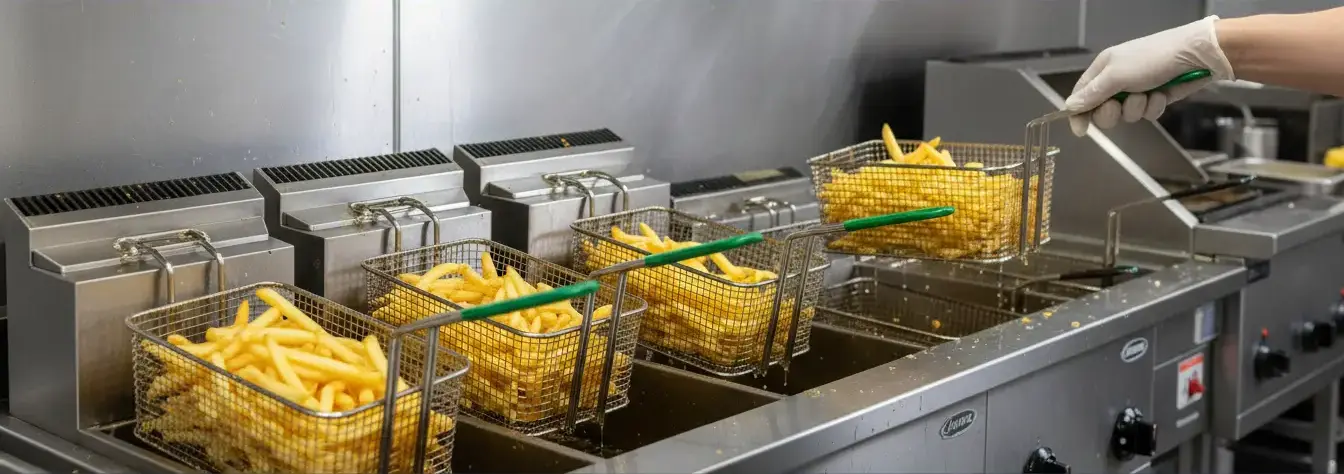
Find the Best Used Cooking Oil Collection Companies for Your Business
No obligation • Fast responses • Nationwide coverage

Why you can trust Restaurant Waste Disposal
Restaurant Waste Disposal is a leading U.S. resource for comparing restaurant composting, food-waste recycling, grease trap cleaning, and used cooking oil collection services. Our editorial team researches providers, checks credentials, and organizes unbiased information so operators can make informed decisions. Companies cannot pay to change ratings or placement.
Search providers near you
Top Used Cooking Oil Collection Companies in Harlingen, Texas Ranked
For restaurants in Harlingen, managing used cooking oil (UCO) is a critical operational task that intersects with environmental responsibility, legal compliance, and potential cost recovery. Proper disposal of this waste grease is mandated by Texas law, requiring businesses to partner with licensed haulers for regular pickup and recycling. By transforming a waste product into a valuable resource for biodiesel and other products, local eateries can ensure they meet regulatory standards while contributing to a circular economy. This guide outlines the essential steps for compliance, the collection process, and the factors that influence the service dynamics for food service establishments in the Rio Grande Valley.
Fatty Chem by Products Inc.
39808 TX-100, Los Fresnos, TX 78566
Fatty Chem by Products Inc. is a used cooking oil collection company based in Brownsville, TX. They serve a wide range of food businesses across South Texas, including restaurants, food processors, schools, and hospitals. Their services include delivering clean, secure containers, scheduled or on-call oil collection, and responsible recycling through certified sustainable channels. With over 20 years of experience, Fatty Chem is a family-grown business rooted in Los Fresnos and certified by the International Sustainability & Carbon Certification (ISCC). They also offer emergency support and competitive payouts for collected oil.
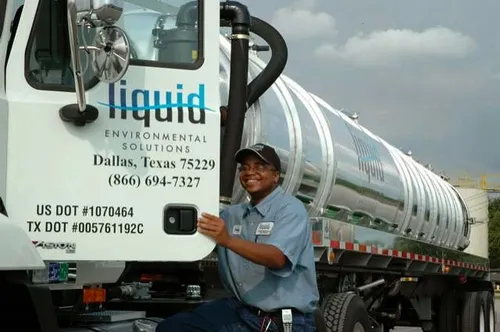
Liquid Environmental Solutions
1821 E Sugarcane Dr, Weslaco, TX 78596
Liquid Environmental Solutions is a non-hazardous liquid waste management company based in Brownsville, TX. They offer services including used cooking oil collection, grease trap and interceptor cleaning, oil water separator and grit trap cleaning, and wastewater disposal. The company serves industries such as restaurants, grocery stores, convenience stores, automotive services, and other food service operations, focusing on recycling a high percentage of the food waste they collect. Founded over twenty years ago, Liquid Environmental Solutions emphasizes compliance and environmental stewardship in their operations.
Legal Requirements for Oil Disposal in Texas
Navigating the legal landscape for waste grease management is the first priority for any Harlingen restaurant. Texas environmental regulations strictly prohibit the improper disposal of used fryer oil and grease. Pouring these materials down drains, into sewers, or onto land is illegal, as it can cause severe blockages in municipal systems and environmental contamination. The Texas Commission on Environmental Quality (TCEQ) oversees these rules, and non-compliance can result in significant fines.
To stay compliant, restaurants must adhere to specific storage and handling protocols:
- Use Licensed Haulers: Businesses are often required to contract with licensed, approved haulers for the removal and recycling of their used cooking oil.
- Proper Storage Containers: Oil must be stored in durable, leak-proof containers. Common sizes include 40-55 gallon drums for indoor storage and larger 110-300 gallon containers for outdoor use.
- Clear Labeling: All containers must be clearly marked with "Used Oil" to prevent accidental misuse and to inform haulers 1 2.
- Keep Containers Covered: Storage bins should be kept covered to prevent contamination from rainwater, debris, and pests, which preserves the oil's quality 3.
The Step-by-Step Collection and Recycling Process
Establishing a routine for grease trap cleaning and oil collection is key to efficient kitchen management. The process from fryer to recycling facility is straightforward when you work with a professional service.
- Cool and Filter: After cooking, allow the oil to cool completely. Then, filter it to remove large food particles. This initial step is crucial for maintaining oil quality and preventing clogs in your storage container.
- Store Properly: Transfer the cooled, filtered oil into your designated, labeled, and covered storage bin 4.
- Schedule Regular Pickup: Contact a licensed collection service to establish a pickup schedule-weekly, bi-weekly, or monthly-based on your volume. Providers like Grand Natural, Baker Commodities, and ReGrease offer services in Texas and can provide containers 5.
- Professional Collection: On service day, a hauler will arrive with a specialized vacuum truck. They will pump the oil from your storage container directly into their tank for transport 6 7.
- Recycling and Repurposing: The collected oil is taken to a processing facility. There, it is cleaned and refined to become a feedstock for valuable products, primarily biodiesel fuel, but also for items like soap, animal feed, and industrial lubricants 8.
Understanding Service Costs and Potential Revenue
The financial model for used cooking oil collection is not one-size-fits-all; it primarily depends on the volume and quality of oil your restaurant generates. Many providers offer free collection bins and pickup if you meet a minimum volume threshold, often around 40 gallons per pickup.
- Low Volume (Less than 100 gallons/month): For smaller establishments, pickup is often provided free of charge as a waste removal service. Some providers may offer very small rebates or simply cover the cost of proper disposal 9.
- Medium Volume (100-300 gallons/month): At this level, arrangements can vary. You might incur a monthly service fee (typically in the range of $50-$200) or, if the oil is clean, you may begin to earn a small rebate (e.g., $0.10-$0.25 per gallon).
- High Volume (Over 300 gallons/month): Larger restaurants and institutional kitchens can often generate significant revenue from their used oil. With high volume and good quality (free from water and food sediment), rebates can range from $0.25 to over $0.65 per gallon, which can substantially offset operational costs 10 11.
The key factor is oil quality. Clean, well-filtered oil with minimal contamination is more valuable to recyclers and commands higher rebates or lower service fees.
Find the perfect used cooking oil collection companies for your needs
Get personalized recommendations and expert advice
Finding a Licensed Collection Service in Harlingen
To initiate or evaluate your used cooking oil pickup service, you need to find a reputable, licensed local hauler. A simple online search for "used cooking oil collection Harlingen TX" is a good starting point. When contacting providers such as Grand Natural or ReGrease, be prepared to discuss your average weekly oil volume, your current storage setup, and your desired pickup frequency 12 13.
It's advisable to get quotes from multiple services. During these conversations, confirm their TCEQ licensing status, ask about their container loaner policy, and clarify the complete fee or rebate structure. Ensure they provide clear documentation for your records, which is important for demonstrating compliance during inspections.
Benefits of Professional Grease Recycling
Beyond legal compliance, partnering with a professional for your grease recycling offers several advantages. It significantly reduces the risk of costly plumbing emergencies and sewer backups caused by improper disposal. It enhances your restaurant's sustainability profile, appealing to environmentally conscious customers. Furthermore, it contributes to national energy security by supplying the growing biodiesel industry with a domestic, renewable feedstock. Managing this process professionally also protects your staff from the safety hazards associated with handling hot, slippery waste oil.
Best Practices for Restaurant Kitchen Staff
Training your kitchen team on proper oil handling procedures is essential for safety, efficiency, and maximizing rebate potential. Emphasize the importance of always letting oil cool before handling. Implement a consistent filtering routine using fine mesh filters or dedicated filtering equipment. Ensure everyone knows which containers are for used oil only and that lids must be replaced immediately after pouring. A simple, posted checklist near the fryer station can help maintain these standards and ensure a smooth handoff when the collection service arrives.
Frequently asked questions
Sources
Footnotes
-
TCEQ RG-325 Used Oil Recycling - Texas.gov - https://www.tceq.texas.gov/downloads/permitting/waste-registration/pub/rg-325.pdf/@@download/file/rg-325.pdf ↩
-
Used Oil Recycling Program - https://www.tceq.texas.gov/permitting/registration/used_oil/recycling.html ↩
-
Cooking Oil Collection & Grease Recycling Service - https://thegreasecompany.com/oilcollection.html ↩
-
Used Cooking Oil (UCO) Collection Service For Restaurants - https://thegreasecompany.com/blog/restaurant-used-cooking-oil-collection/ ↩
-
Navigating Legal Requirements for Used Cooking Oil Disposal - https://bakercommodities.com/blog/2024/02/08/legal-requirement-used-cooking-grease/ ↩
-
Grease Collection Service: What is it - https://www.grandnaturalinc.com/blog/what-is-grease-collection-service.html ↩
-
How to Properly Dispose of Commercial Cooking Oil - Grunber - https://blog.grunber.com/how-to-dispose/how-to-dispose-commercial-cooking-oil/ ↩
-
What Happens To The Used Cooking Oil Once It Leaves Your Restaurant? - https://www.grandnatural.com/blog/what-happens-to-the-used-cooking-oil-once-it-leaves-your-restaurant.html ↩
-
Used Cooking Oil Pickup vs Drop-Off-What's Best for Restaurants? - https://www.greaseprosrecycling.com/used-cooking-oil-pickup-vs-drop-off/ ↩
-
Restaurant Used Cooking Oil Recycling & Disposal Guide - https://greaseconnections.com/restaurant-used-cooking-oil-disposal-recycling-revenue-guide/ ↩
-
Used Cooking Oil Disposal: Complete Guide to Grease Pickups - https://greaseconnections.com/used-cooking-oil-disposal-guide-grease-pickups/ ↩
-
Used Cooking Oil Pickup and Recycling Services in Harlingen - https://www.grandnatural.com/locations/used-cooking-oil-recycling-in-harlingen.html ↩
-
Used Cooking Oil Disposal - ReGrease - https://regrease.com/used-cooking-oil-pickup/ ↩