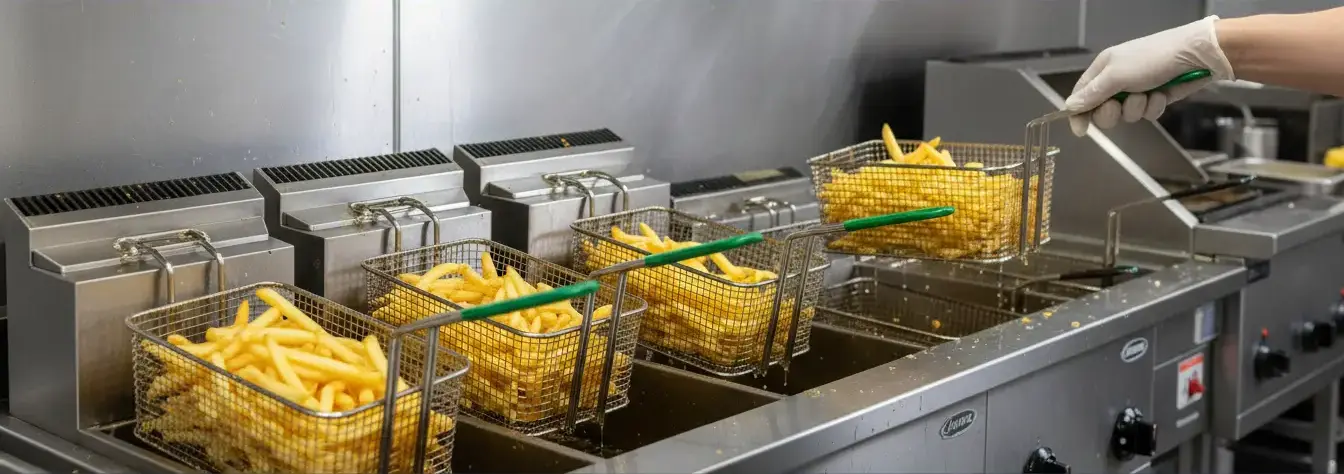
Find the Best Used Cooking Oil Collection Companies for Your Business
No obligation • Fast responses • Nationwide coverage

Why you can trust Restaurant Waste Disposal
Restaurant Waste Disposal is a leading U.S. resource for comparing restaurant composting, food-waste recycling, grease trap cleaning, and used cooking oil collection services. Our editorial team researches providers, checks credentials, and organizes unbiased information so operators can make informed decisions. Companies cannot pay to change ratings or placement.
Search providers near you
Top Used Cooking Oil Collection Companies in Haltom City, Texas Ranked
For any restaurant or food service business in Haltom City, managing used cooking oil (UCO) is a critical operational and environmental responsibility. Proper grease trap and fryer oil disposal isn't just about cleanliness; it's a legal requirement under Texas Commission on Environmental Quality (TCEQ) and local Haltom City codes. Effective UCO management involves a systematic process: from allowing oil to cool safely, to storing it in secure containers, and finally arranging for its professional pickup by a licensed hauler. This collected oil is then recycled into valuable products like biodiesel, turning a waste product into a resource while ensuring your business remains in compliance. Navigating the specifics of collection schedules, storage best practices, and potential costs or rebates is essential for efficient and responsible operations.
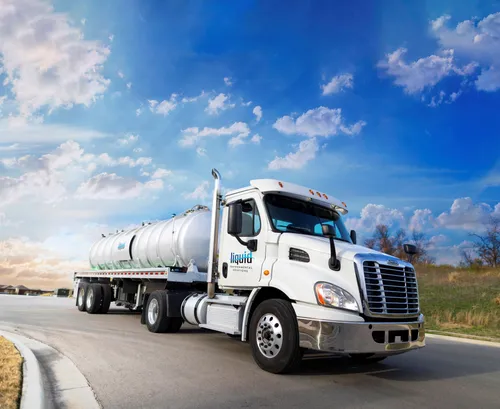
Liquid Environmental Solutions
7651 Esters Blvd Suite 200, Irving, TX 75063
Liquid Environmental Solutions is a non-hazardous liquid waste management company based in Fort Worth, TX. They provide services including used cooking oil collection, grease trap and interceptor cleaning, oil water separator and grit trap cleaning, and wastewater disposal. The company serves industries such as restaurants, grocery stores, convenience stores, automotive services, and environmental services, focusing on compliance and sustainability. Founded over twenty years ago, Liquid Environmental Solutions operates with state-of-the-art equipment and facilities to support their service delivery across multiple locations.
DAR PRO Solutions
5601 N MacArthur Blvd, Irving, TX 75063
DAR PRO Solutions is a used cooking oil collection company based in Fort Worth, TX. They specialize in collecting and recycling used cooking oil for businesses in the area. While the company has served clients for several years, recent reviews indicate some challenges with service consistency.
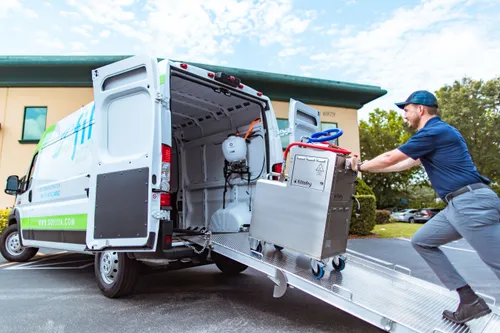
Filta Environmental Kitchen Solutions
803 Ave H East #311, Arlington, TX 76011
Filta Environmental Kitchen Solutions provides fryer cleaning and used cooking oil management services in Dallas, TX. Their offerings include micro-filtration of cooking oil to extend oil life and improve food consistency, vacuum-based fryer detailing, and the removal of used cooking oil for conversion into biodiesel. Additional services include eco-friendly moisture control for refrigeration units and probiotic drain cleaning to reduce buildup and odors. Filta's solutions aim to improve kitchen safety by reducing fryer maintenance risks and support sustainability through waste oil recycling.
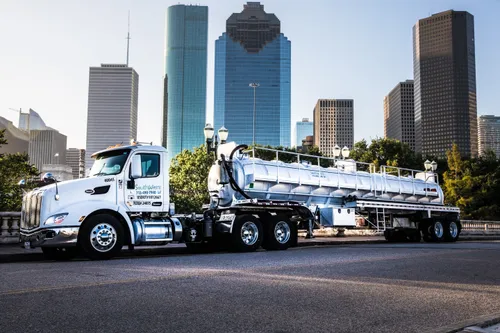
Southwaste Disposal
525 S 6th Ave, Mansfield, TX 76063
Southwaste Disposal is a waste management company based in Fort Worth, TX, specializing in used cooking oil collection, grease trap cleaning, and commercial plumbing services. They serve restaurants, car washes, and industrial facilities, offering tailored waste collection and recycling solutions that comply with local, state, and federal regulations. Southwaste Disposal operates with a focus on sustainability and environmental responsibility, providing services such as grease trap repairs and hydro-jetting to maintain plumbing systems. The company holds the necessary licenses and permits and offers 24/7 emergency response to address urgent needs.
Cease The Grease Cooking Oil Recycling Station
3939 Valley View Ln, Dallas, TX 75244
Cease The Grease Cooking Oil Recycling Station is a used cooking oil collection company located in Dallas, TX. The business specializes in collecting and recycling used cooking oil to help reduce waste and promote environmental sustainability in the Dallas area.
Understanding Haltom City's Regulations for Grease and Oil
Compliance is the foundation of any used cooking oil management plan. Haltom City, like many municipalities, has specific rules to protect its sewer infrastructure and water quality.
- Grease Interceptor (Grease Trap) Requirements: Restaurants must install and maintain City-approved grease interceptors. These devices are legally required to be inspected and pumped out by a licensed service provider at least every 90 days. This service is separate from, but complementary to, used fryer oil collection.
- Disposal Bans: Texas state law explicitly prohibits the disposal of used cooking oil and used oil filters in landfills or, critically, down any drain or into storm sewers 1. Dumping oil can lead to severe sewer blockages, environmental contamination, and significant fines.
- Documentation is Key: Partnering with a licensed waste hauler provides you with necessary documentation (manifests, service tickets) that prove proper disposal and recycling. This paperwork is your proof of compliance during inspections by the TCEQ or local authorities.
The Step-by-Step Process for Proper Oil Disposal
A safe and efficient UCO handling routine minimizes risks and maximizes the quality of the oil for recycling.
- Cooling Down: Always allow used fryer oil to cool to a safe temperature (below 120°F is a common guideline) before handling. This prevents serious burns and damage to storage containers.
- Secure Storage: After cooling, oil should be transferred to a dedicated, leak-proof storage container or bin. Haltom City businesses should use sturdy, covered containers placed in an accessible outdoor location. A secure, locked container is highly recommended to prevent theft, tampering, and contamination from rainwater or debris. Clean, uncontaminated oil has higher value for recyclers.
- Scheduled Collection: A licensed used cooking oil collection service will schedule regular pickups based on your volume. Their technician will use a vacuum truck to safely remove the oil from your storage container.
- Receive Documentation: Upon each pickup, you should receive a service receipt or manifest. Retain these records for your compliance files.
What Happens After Pickup? The Recycling Journey
When a collection truck leaves your establishment, the used cooking oil begins its transformation. This process is where environmental stewardship meets innovation.
The collected oil is transported to a processing facility where it is cleaned and purified. The primary end product is biodiesel, a renewable, cleaner-burning fuel alternative to petroleum diesel 2. This recycling process significantly reduces greenhouse gas emissions compared to fossil fuels. Increasingly, used cooking oil is also being converted into sustainable aviation fuel (SAF) and other bio-based products. It's important to note that the contents of your grease trap-which contains food solids, fats, and greases (FOG)-are processed separately, often at wastewater treatment plants or specialized digesters 3. This clear separation between liquid fryer oil and grease trap waste is a key distinction in the recycling chain.
Find the perfect used cooking oil collection companies for your needs
Get personalized recommendations and expert advice
Evaluating Collection Services and Understanding Costs
Choosing the right used cooking oil partner in Haltom City involves considering service reliability, compliance assurance, and financial terms.
- Service Providers: Several licensed companies operate in the North Texas region, including names like ReGrease, EcoSure Waste, Mahoney Environmental, and Baker Commodities4 5 6 7. It's advisable to get quotes and service details from multiple providers.
- Cost Structure: Pricing can vary significantly based on your restaurant's oil output and service frequency.
- Free Pickup: It is common for collection services to offer free pickup for smaller volumes of oil, typically under 100 gallons per month. The service provider generates revenue by selling the recycled oil.
- Fee-Based Service: For larger establishments with high volume or those requiring very frequent pickups, a monthly service fee may apply. These fees can range from $50 to over $200 per month and often involve a service contract8.
- Potential for Rebates: An important financial aspect is the rebate. If your restaurant produces a consistent volume of high-quality, uncontaminated used cooking oil, you may be eligible for a rebate from the collector. Rebate rates can vary but often range from $0.10 to $0.65 per gallon9 10. Maintaining clean storage practices directly impacts the oil's value and your potential to offset costs or even generate a small revenue stream.
Best Practices for Haltom City Restaurants
To ensure a smooth, compliant, and potentially profitable UCO program, follow these operational tips:
- Never Mix Waste Streams: Keep used fryer oil separate from grease trap waste, water, and food garbage. Contamination ruins the oil for recycling and can void rebate opportunities.
- Prevent Stormwater Pollution: Ensure your outdoor storage area is contained so that spilled oil cannot run into storm drains. The "Defend Your Drains" initiative in North Texas highlights the importance of keeping fats, oils, and grease out of the wastewater system11 12.
- Schedule Proactively: Don't wait until your storage container is overflowing. Work with your hauler to establish a pickup schedule that matches your cooking volume, preventing spills and odors.
- Audit Your Service: Periodically review your collection frequency and costs. If your oil volume has changed, you may be able to adjust your service plan or negotiate better terms.
Frequently asked questions
Sources
Footnotes
-
Used Oil Recycling Program - https://www.tceq.texas.gov/permitting/registration/used_oil/recycling.html ↩
-
Used Cooking Oil (UCO) Collection Service For Restaurants - https://thegreasecompany.com/blog/restaurant-used-cooking-oil-collection/ ↩
-
Restaurant Oil Disposal: Explained - Eazy Grease - https://eazygrease.com/how-do-restaurants-get-rid-of-their-oil/ ↩
-
Restaurant Grease Pick Up & Disposal Services in Houston TX - https://www.mahoneyes.com/fryer-oil-disposal-recycling-houston-tx/ ↩
-
Navigating Legal Requirements for Used Cooking Oil Disposal - https://bakercommodities.com/blog/2024/02/08/legal-requirement-used-cooking-grease/ ↩
-
Used Cooking Oil Disposal - ReGrease - https://regrease.com/used-cooking-oil-pickup/ ↩
-
Used Cooking Oil Collection - EcoSurewaste - Eco Sure waste - https://ecosurewaste.com/used-cooking-oil-collection/ ↩
-
Used Cooking Oil Pickup vs Drop-Off - GreasePros Recycling - https://www.greaseprosrecycling.com/used-cooking-oil-pickup-vs-drop-off/ ↩
-
Used Cooking Oil Disposal: Complete Guide to Grease Pickups - https://greaseconnections.com/used-cooking-oil-disposal-guide-grease-pickups/ ↩
-
Restaurant Used Cooking Oil Recycling & Disposal Guide - https://greaseconnections.com/restaurant-used-cooking-oil-disposal-recycling-revenue-guide/ ↩
-
General Stormwater Best Management Practices for ... - Haltom City - https://www.haltomcitytx.com/DocumentCenter/View/606 ↩
-
Holiday Grease Roundup - Defend Your Drains North Texas - https://www.defendyourdrainsnorthtexas.org/holiday-grease-roundup/index.html ↩