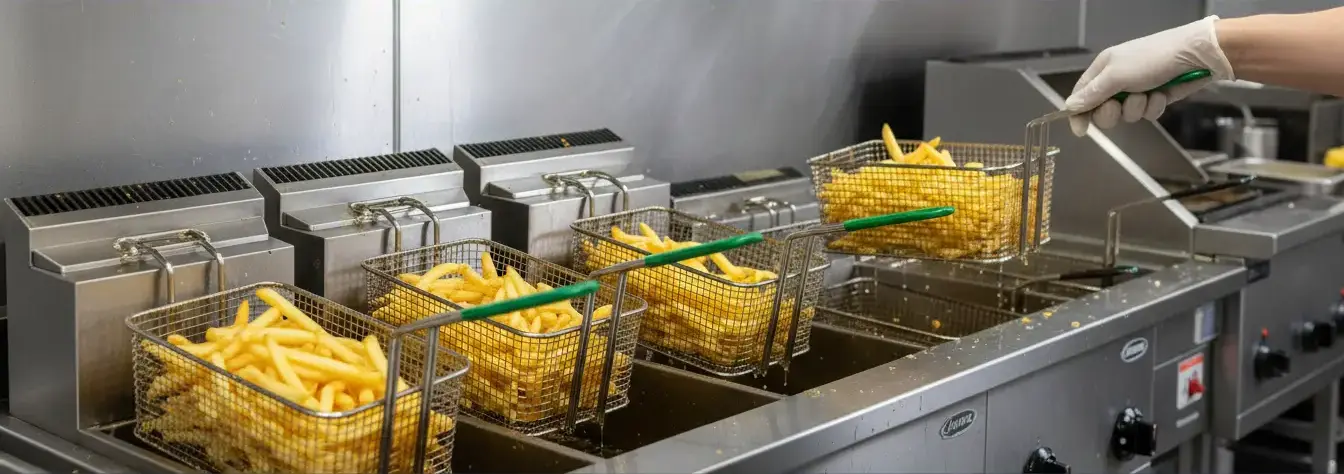
Find the Best Used Cooking Oil Collection Companies for Your Business
No obligation • Fast responses • Nationwide coverage

Why you can trust Restaurant Waste Disposal
Restaurant Waste Disposal is a leading U.S. resource for comparing restaurant composting, food-waste recycling, grease trap cleaning, and used cooking oil collection services. Our editorial team researches providers, checks credentials, and organizes unbiased information so operators can make informed decisions. Companies cannot pay to change ratings or placement.
Search providers near you
Top Used Cooking Oil Collection Companies in Garland, Texas Ranked
For restaurants and food service businesses in Garland, managing used cooking oil (UCO) is more than just a cleanup task-it's a critical operational, environmental, and financial decision. Properly handling waste grease and oil through professional collection services ensures compliance with local regulations, prevents costly plumbing issues, and contributes to a circular economy by transforming waste into valuable biofuels like biodiesel. Garland supports these efforts through initiatives like its "Cease the Grease" program, which guides residents to proper disposal, while commercial entities typically partner with licensed grease hauling and recycling companies. By establishing a reliable pickup schedule, businesses can turn a waste product into a potential revenue stream, all while supporting the city's sustainability goals.
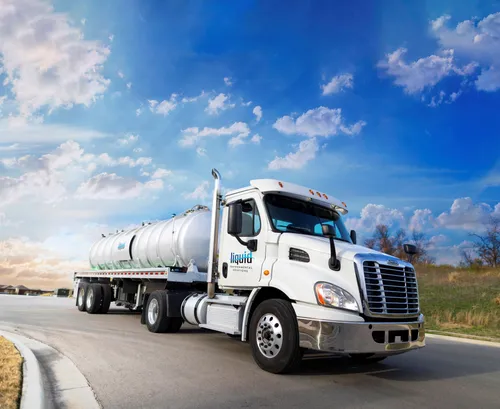
Liquid Environmental Solutions
7651 Esters Blvd Suite 200, Irving, TX 75063
Liquid Environmental Solutions is a non-hazardous liquid waste management company based in Fort Worth, TX. They provide services including used cooking oil collection, grease trap and interceptor cleaning, oil water separator and grit trap cleaning, and wastewater disposal. The company serves industries such as restaurants, grocery stores, convenience stores, automotive services, and environmental services, focusing on compliance and sustainability. Founded over twenty years ago, Liquid Environmental Solutions operates with state-of-the-art equipment and facilities to support their service delivery across multiple locations.
DAR PRO Solutions
5601 N MacArthur Blvd, Irving, TX 75063
DAR PRO Solutions is a used cooking oil collection company based in Fort Worth, TX. They specialize in collecting and recycling used cooking oil for businesses in the area. While the company has served clients for several years, recent reviews indicate some challenges with service consistency.
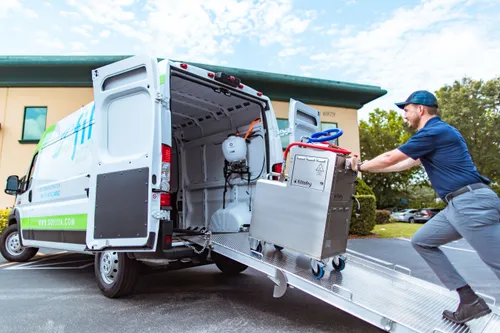
Filta Environmental Kitchen Solutions
803 Ave H East #311, Arlington, TX 76011
Filta Environmental Kitchen Solutions provides fryer cleaning and used cooking oil management services in Dallas, TX. Their offerings include micro-filtration of cooking oil to extend oil life and improve food consistency, vacuum-based fryer detailing, and the removal of used cooking oil for conversion into biodiesel. Additional services include eco-friendly moisture control for refrigeration units and probiotic drain cleaning to reduce buildup and odors. Filta's solutions aim to improve kitchen safety by reducing fryer maintenance risks and support sustainability through waste oil recycling.
Dallas Grease Trap Services
Fort Worth, TX
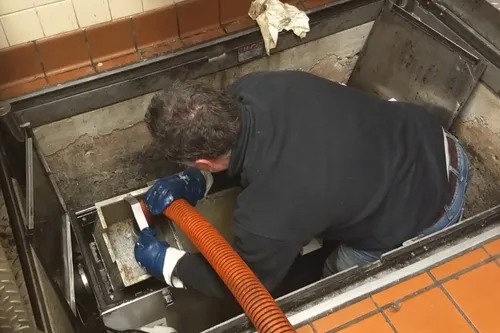
Dallas Grease Trap Services provides grease trap pumping, cleaning, and interceptor maintenance for commercial kitchens in Fort Worth, TX. They serve restaurants, schools, cafeterias, and industrial facilities throughout the Dallas-Fort Worth metroplex. The company operates a fleet of pump trucks and offers services including grease trap installation, used fryer oil collection, exhaust hood cleaning, and pressure washing. They ensure compliance with local health and safety codes by maintaining detailed service records and provide eco-friendly disposal and recycling of waste. Dallas Grease Trap Services has grown from a small operation to a major provider in the area and offers early hour and emergency services to meet client needs.
Cease The Grease Cooking Oil Recycling Station
3939 Valley View Ln, Dallas, TX 75244
Cease The Grease Cooking Oil Recycling Station is a used cooking oil collection company located in Dallas, TX. The business specializes in collecting and recycling used cooking oil to help reduce waste and promote environmental sustainability in the Dallas area.
Understanding Local Guidelines for Grease Management
Garland, like many cities, has specific guidelines to protect its sewer infrastructure from fats, oils, and grease (FOG). The city's "Cease the Grease" initiative is a public education campaign aimed primarily at residents, directing them to bring small quantities of used cooking oil to the Garland Recycling Center for proper disposal 1 2. For commercial kitchens, however, the expectation is to contract with a private, licensed grease collection service. These providers ensure that large volumes of UCO are handled professionally and never enter the drainage system, which can cause blockages and lead to significant fines for businesses.
Adhering to these guidelines isn't just about avoiding penalties; it's about responsible operations. Professional grease trap cleaning and consistent oil collection are two sides of the same coin in effective FOG management. By using a certified hauler, Garland restaurants demonstrate environmental stewardship and community responsibility.
The Professional Collection Process: From Fryer to Fuel
Partnering with a used cooking oil recycler streamlines what can be a messy and hazardous process. Here's how a typical service arrangement works for a Garland restaurant:
- Service Setup: After you contact a provider serving the Dallas-Fort Worth metroplex, they will assess your volume and needs. They often supply a dedicated, sealed storage container or tank at no upfront cost. This bin is designed to be sturdy, leak-proof, and secure from pests 3 4.
- Regular Pickups: The company establishes a pickup schedule-weekly, bi-weekly, or monthly-based on your oil production. Their trained technicians arrive with specialized vacuum trucks to safely pump the oil from your container directly into their vehicle, minimizing spills and mess 5 6.
- Recycling & Transformation: The collected oil is transported to a processing facility. There, it is filtered and purified to become a feedstock for renewable fuel production. This used fryer oil is primarily converted into biodiesel, a cleaner-burning alternative to petroleum diesel, or even sustainable aviation fuel (SAF), closing the loop on waste 7.
This efficient system removes the burden of storage and disposal from your staff, allowing them to focus on kitchen operations while ensuring the oil is handled safely and sustainably.
Best Practices for On-Site Oil Storage and Safety
While your collection provider handles the heavy lifting, proper on-site management is crucial for safety and efficiency. Implementing these best practices can prevent accidents and ensure the quality of your used oil:
- Cool Before Handling: Always allow oil to cool completely before transferring it from fryers to storage containers. Handling hot oil is a major safety risk.
- Use Designated Containers: Store oil only in the sealed, dedicated containers provided by your recycler. Avoid using makeshift containers like plastic buckets or bags that can degrade, leak, or contaminate the oil.
- Secure Storage Location: Place your collection bin in a cool, dark, and accessible area, preferably on a paved surface. This prevents degradation of the oil and makes it easy for the hauler's truck to access. Keep the area clear of debris and ensure the container lid is always tightly closed to prevent odors and pests.
- Spill Preparedness: Have absorbent materials like sawdust, sand, or commercial spill pads on hand to manage any accidental drips or overflows immediately. This keeps your work area safe and clean.
Find the perfect used cooking oil collection companies for your needs
Get personalized recommendations and expert advice
Financial Considerations: Costs, Rebates, and Revenue
The economics of used cooking oil collection in Garland are volume-dependent and can range from a manageable service expense to a source of supplemental income. Understanding this model helps businesses forecast costs or potential earnings.
- Low-Volume Producers: Smaller establishments or those that fry food infrequently (typically under 40 gallons per month) may pay a monthly service fee for collection. This fee, which can range from approximately $30 to $50, covers the cost of the container, scheduled pickups, and responsible recycling, and is often more cost-effective than dealing with disposal problems 8.
- Medium to High-Volume Producers: As your monthly collection volume increases, the dynamics change. For restaurants generating between 40 and 100 gallons per month, collection services often become free, as the value of the oil offsets the service cost. For high-volume producers (e.g., over 100 gallons per month), many recyclers offer a rebate or payment for the oil 9 10. Payment rates fluctuate with the commodity market for feedstocks but have historically ranged from $0.10 to $0.65 per gallon 11 12. This can turn a waste line item into a modest revenue stream.
It's important to discuss pricing structures transparently with potential providers. A reputable company will clearly explain their fee schedule, rebate program, and how payments are calculated based on volume and market conditions.
Choosing the Right Grease Collection Partner in Garland
Selecting a reliable used cooking oil collection service is a key business decision. Look for providers that offer:
- Local Service & Reliability: Ensure the company actively services the Garland area and has a track record of dependable, on-time pickups.
- Proper Licensing and Insurance: Verify that the hauler is fully licensed and insured to transport and recycle grease in Texas. This protects your business from liability.
- Transparent Agreements: Choose a partner with clear, straightforward service agreements that outline schedules, fees, rebate calculations, and responsibilities.
- Environmental Commitment: Partner with a recycler that is committed to converting 100% of collected oil into biofuels, ensuring your sustainability efforts have a real impact.
By taking these factors into account, Garland restaurants can establish a partnership that ensures regulatory compliance, enhances operational cleanliness, and aligns with both financial and environmental objectives.
Frequently asked questions
Sources
Footnotes
-
Recycling Center - Garland, TX - https://www.garlandtx.gov/463/Recycling-Center ↩
-
Fats, Oil & Grease - Garland, TX - https://www.garlandtx.gov/793/Fats-Oil-Grease ↩
-
Restaurant Oil Disposal: Explained - Eazy Grease - https://eazygrease.com/how-do-restaurants-get-rid-of-their-oil/ ↩
-
Used Cooking Oil (UCO) Collection Service For Restaurants - https://thegreasecompany.com/blog/restaurant-used-cooking-oil-collection/ ↩
-
Restaurant Grease Pick Up & Disposal Services in Dallas, TX - https://www.mahoneyes.com/fryer-oil-disposal-recycling-dallas-tx/ ↩
-
Grease Collection Service: What is it - Grand Natural Inc - https://www.grandnaturalinc.com/blog/what-is-grease-collection-service.html ↩
-
Used Cooking Oil Collection | American Grease & Septic - https://americangreaseandseptic.com/used-cooking-oil-collection/ ↩
-
Used Cooking Oil Pickup vs Drop-Off-What's Best for Restaurants? - https://www.greaseprosrecycling.com/used-cooking-oil-pickup-vs-drop-off/ ↩
-
Used Cooking Oil Disposal: Complete Guide to Grease Pickups - https://greaseconnections.com/used-cooking-oil-disposal-guide-grease-pickups/ ↩
-
Restaurant Used Cooking Oil Recycling & Disposal Guide - https://greaseconnections.com/restaurant-used-cooking-oil-disposal-recycling-revenue-guide/ ↩
-
Used Cooking Oil Pricing & Business Guide - Grease Connections - https://greaseconnections.com/used-cooking-oil-pricing-guide/ ↩
-
Do you get paid for used cooking oil? : r/cookingoilrecycling - Reddit - https://www.reddit.com/r/cookingoilrecycling/comments/1kvlxl5/do_you_get_paid_for_used_cooking_oil/ ↩