
Find the Best Used Cooking Oil Collection Companies for Your Business
No obligation • Fast responses • Nationwide coverage

Why you can trust Restaurant Waste Disposal
Restaurant Waste Disposal is a leading U.S. resource for comparing restaurant composting, food-waste recycling, grease trap cleaning, and used cooking oil collection services. Our editorial team researches providers, checks credentials, and organizes unbiased information so operators can make informed decisions. Companies cannot pay to change ratings or placement.
Search providers near you
Top Used Cooking Oil Collection Companies in Galveston, Texas Ranked
For Galveston restaurants, managing used cooking oil (UCO) is more than just a kitchen chore-it's a regulated process with significant environmental and financial implications. Proper collection and recycling of this liquid waste are mandated by both Texas state law and local Galveston ordinances, designed to protect the city's infrastructure and coastal ecosystem. By partnering with a licensed service, food service establishments can ensure compliance, enhance safety, and even turn a cost center into a potential revenue stream through rebate programs. This guide outlines the essential steps for legal and efficient used oil management in Galveston.
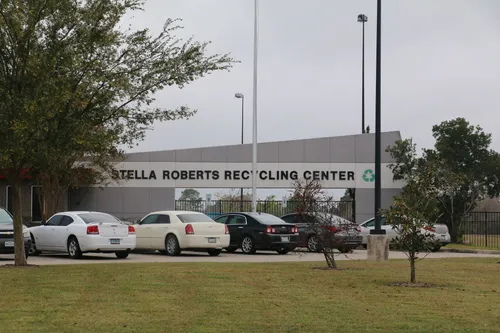
Keep Pearland Beautiful - Stella Roberts Recycling Center
5800 Magnolia Pkwy, Pearland, TX 77584
Keep Pearland Beautiful - Stella Roberts Recycling Center offers comprehensive recycling services in Pearland, TX. The center accepts a wide range of materials including used cooking oils, hazardous waste, electronics, appliances, automotive fluids, batteries, and various recyclables. They provide specialized capabilities such as on-site glass crushing for aggregate production and collection of household hazardous waste on designated days. The facility operates as an environmental nonprofit and emphasizes safety by requiring visitors to remain in their vehicles during drop-off. Hazardous waste recycling is available Fridays and Saturdays with specific fee structures based on residency.
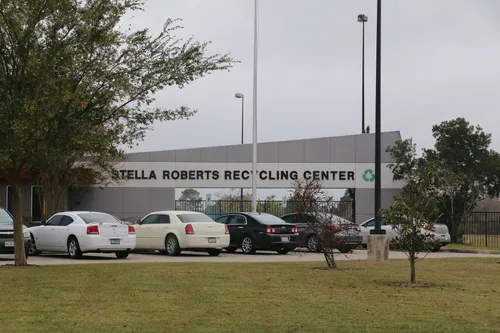
Lone Star Oil Recovery
4176 N Masters Rd, Pearland, TX 77584
Lone Star Oil Recovery provides used cooking oil collection services in Houston, TX. The company specializes in the safe and efficient collection of used cooking oil from various commercial sources. Lone Star Oil Recovery focuses on environmentally responsible disposal and recycling of cooking oil to support sustainable practices in the region.
Understanding Local and State Regulations
Navigating the rules for grease and oil disposal is the first critical step for any Galveston food service business. Texas state law strictly prohibits the disposal of used oil in sewers, drains, or on land, classifying it as a regulated waste 1. The Texas Commission on Environmental Quality (TCEQ) sets the overarching standards for storage, transportation, and recycling.
Locally, Galveston may have additional ordinances, often found within the City Code addressing Fats, Oils, and Grease (FOG). These are typically enforced by the Galveston Public Works or Health Department 2 3. It is essential to check with these city departments to understand specific container requirements, pickup scheduling rules, and any necessary permits. Non-compliance can lead to significant fines and contribute to sewer blockages, which are particularly problematic for coastal cities.
Best Practices for On-Site Oil Storage
Proper storage is the cornerstone of a safe and profitable used cooking oil program. It directly impacts your eligibility for rebates and prevents workplace hazards and environmental violations.
- Use Approved Containers: Oil must be stored in dedicated, clean, non-leaking containers in good condition, such as stainless steel drums or specialized collection caddies provided by your recycling partner. These containers must be clearly labeled "Used Cooking Oil" 4.
- Keep it Covered and Contained: Containers should always have secure lids to prevent rainwater contamination, spills, and pests. They should be stored on an impervious surface, like concrete, and protected from the elements 5.
- Cool Before Transferring: Never attempt to transfer hot oil. Allow it to cool completely in fryers before filtering and pouring it into your storage container to prevent severe burns and fires.
- Maintain a Clean Area: Immediately clean up any spills or drips using absorbent materials like cat litter. A clean storage area prevents slips and avoids attracting rodents and insects.
The Collection and Pickup Process
Once your oil is properly stored, a scheduled collection is the most efficient way to manage it. Most Galveston restaurants partner with a licensed used cooking oil collection service that handles the logistics.
- Scheduling: Services like Grease Connections or Mahoney Environmental typically establish a regular pickup schedule (e.g., weekly, bi-weekly) based on your volume. This ensures your containers never overflow.
- Professional Handling: On pickup day, trained technicians will service your containers. They use specialized equipment to pump or transport the oil into their collection trucks, minimizing mess and spill risk.
- Documentation: Reputable services provide documentation or manifests for each pickup, which is crucial for your records and demonstrates compliance with state tracking requirements.
For very small generators, some services or local recycling centers may offer a drop-off option, though scheduled pickup is generally more convenient and reliable for businesses 6.
Find the perfect used cooking oil collection companies for your needs
Get personalized recommendations and expert advice
From Waste to Resource: The Recycling Journey
The used cooking oil collected from your Galveston restaurant doesn't go to a landfill. Instead, it begins a new life as a valuable feedstock for renewable energy and other products. After collection, the oil is transported to a processing facility where it undergoes a rigorous recycling process.
The primary method is called transesterification, which chemically converts the used vegetable oils into biodiesel-a cleaner-burning alternative to petroleum diesel 7 8. This biodiesel can power vehicles, machinery, and even marine vessels. Other byproducts of recycling can include glycerin for soaps and cosmetics, or ingredients for animal feed supplements. By recycling your oil, you're directly contributing to a circular economy and reducing fossil fuel dependence.
Financial Incentives and Rebate Programs
One of the most compelling reasons to manage your used cooking oil properly is the potential for financial return. Many collection companies offer rebate programs that can turn your waste into revenue.
- Low Volume Operations: If your establishment generates less than 100 gallons of oil per month, you can typically expect free pickup and disposal services. The value for the recycler at this volume is in the consistent feedstock, not a direct payment.
- Medium to High Volume Operations: Restaurants that generate significant amounts of oil (often 100+ gallons per month) are frequently eligible for rebates. Rates can vary based on market prices for biodiesel feedstock but have been reported in the range of $0.10 to $0.65 or more per gallon 9.
- Maximizing Value: The quality of your oil impacts its value. Keeping it free of water, food debris, and other contaminants by using proper filtering and covered storage can help you secure a better rebate rate. For example, a Galveston seafood restaurant generating 600 gallons of clean oil per month could see rebates totaling hundreds of dollars, effectively covering the costs of the service or generating profit.
Choosing a Collection Partner in Galveston
Selecting the right service provider is crucial for compliance and efficiency. Look for a company that is fully licensed and insured to handle used oil in Texas. They should offer clear, written agreements outlining pickup schedules, service fees (if any), and rebate terms. Reliable providers, such as those servicing the Galveston area, will supply sturdy, leak-proof collection containers and have a proven track record of on-time service 10. Always ask for references and verify they provide proper documentation for each collection to satisfy regulatory requirements.
Frequently asked questions
Sources
Footnotes
-
chapter 371. used oil collection, management, and recycling - https://statutes.capitol.texas.gov/docs/HS/htm/HS.371.htm ↩
-
Galveston Recycle Center | Galveston, TX - Official Website - https://www.galvestontx.gov/172/Galveston-Recycle-Center ↩
-
Grease Trap Regulations and Maintenance - https://regrease.com/grease-trap-regulations-houston/ ↩
-
TCEQ RG-325 Used Oil Recycling - Texas.gov - https://www.tceq.texas.gov/downloads/permitting/waste-registration/pub/rg-325.pdf/@@download/file/rg-325.pdf ↩
-
Used Oil Recycling Program - https://www.tceq.texas.gov/permitting/registration/used_oil/recycling.html ↩
-
Used Cooking Oil Pickup vs Drop-Off-What's Best for Restaurants? - https://www.greaseprosrecycling.com/used-cooking-oil-pickup-vs-drop-off/ ↩
-
Restaurant Oil Disposal: Explained - Eazy Grease - https://eazygrease.com/how-do-restaurants-get-rid-of-their-oil/ ↩
-
What Happens To The Used Cooking Oil Once It Leaves Your ... - https://www.grandnatural.com/blog/what-happens-to-the-used-cooking-oil-once-it-leaves-your-restaurant.html ↩
-
Restaurant Used Cooking Oil Recycling & Disposal Guide - https://greaseconnections.com/restaurant-used-cooking-oil-disposal-recycling-revenue-guide/ ↩
-
Used Cooking Oil Disposal: Complete Guide to Grease Pickups - https://greaseconnections.com/used-cooking-oil-disposal-guide-grease-pickups/ ↩