
Find the Best Used Cooking Oil Collection Companies for Your Business
No obligation • Fast responses • Nationwide coverage

Why you can trust Restaurant Waste Disposal
Restaurant Waste Disposal is a leading U.S. resource for comparing restaurant composting, food-waste recycling, grease trap cleaning, and used cooking oil collection services. Our editorial team researches providers, checks credentials, and organizes unbiased information so operators can make informed decisions. Companies cannot pay to change ratings or placement.
Search providers near you
Top Used Cooking Oil Collection Companies in Edinburg, Texas Ranked
For restaurants and food service businesses in Edinburg, proper used cooking oil (UCO) management is a critical operational and environmental responsibility. More than just waste disposal, it's a regulated process that, when handled correctly, can contribute to sustainability and even generate a small revenue stream. Texas state law strictly prohibits the improper disposal of grease and oil down drains or onto land, making compliance non-negotiable. By partnering with a licensed hauler, Edinburg establishments can ensure their used fryer oil is collected and recycled into valuable products like biodiesel, all while adhering to local and state guidelines set by entities like the Texas Commission on Environmental Quality (TCEQ).
Understanding the Rules for Grease and Oil Disposal in Edinburg
Navigating the regulations is the first step to a successful oil recycling program. In Texas, used cooking oil is classified as a recyclable material with specific handling requirements.
- Prohibited Actions: It is a violation of state law to pour used oil or grease down drains, into sewers, or onto the ground. This practice leads to severe sewer blockages, environmental contamination, and can result in significant fines for your business.
- City of Edinburg Services: The City of Edinburg provides solid waste collection services. For specialized services like grease trap cleaning or used cooking oil pickup, private haulers are typically required.
- Working with Private Haulers: If a private company is needed for used oil collection, they must operate in accordance with city regulations. It's advisable to confirm that any hauler you consider has the proper approvals to service commercial accounts in Edinburg.
- State Oversight: At the state level, the TCEQ regulates Used Oil Collection Centers (UOCCs). Reputable haulers will be registered with the TCEQ, ensuring they follow proper procedures for transportation and recycling 1.
The Step-by-Step Process for Oil Pickup and Recycling
Implementing a smooth, efficient used cooking oil collection system involves a few key stages, from your kitchen to the recycling facility.
1. Safe Collection and On-Site Storage
After cooking, oil should be drained from fryers and other equipment into dedicated, sealable containers. These are often provided by your collection service and can range from indoor collection drums to larger, locked outdoor storage bins or tanks. The key is to use containers that are leak-proof and kept covered to prevent contamination from water or food debris, which can lower the oil's value for recycling.
2. Scheduling Regular Pickups
You will establish a service schedule with your licensed used cooking oil hauler. The frequency-weekly, bi-weekly, or monthly-depends on your volume of oil production. Reliable services offer consistent, scheduled pickups to prevent overflow and maintain cleanliness.
3. The Collection Event
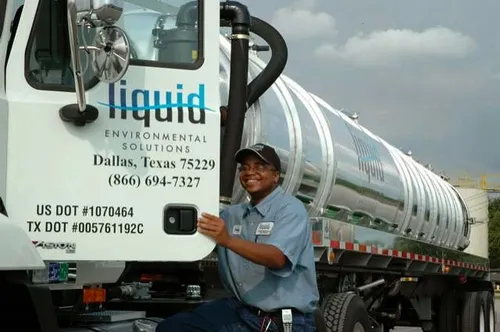
On service day, a specialized truck arrives and uses a vacuum hose to safely and quickly remove the oil from your storage container. This process is designed to be clean and efficient, minimizing disruption to your daily operations 2.
4. Transformation into New Products
The collected oil is transported to a processing facility. There, it is cleaned and refined to become a feedstock for renewable biofuels like biodiesel or renewable diesel. This process gives your kitchen waste a second life as a clean-burning fuel, contributing to a circular economy.
Potential Value and Cost Considerations
A common question for restaurant managers is about the cost of used cooking oil collection. The model is often designed to be cost-neutral or even profitable for the generator, based on the volume and quality of oil provided.
- Low Volume (Under 100 gallons/month): Many collection services offer free pickup for smaller quantities, as the cost of service is offset by the value of the recycled material.
- Medium to High Volume (100+ gallons/month): As volume increases, businesses often qualify for a rebate or payment. Rates can vary based on market conditions but have been reported in ranges from $0.10 to over $0.65 per gallon 3 4. This rebate can effectively offset any service fees or even become a minor revenue line.
- Quality Matters: The cleaner your oil (free of water, food sediment, and other contaminants), the higher its value to recyclers. Proper on-site storage directly impacts the rebate you may receive.
Find the perfect used cooking oil collection companies for your needs
Get personalized recommendations and expert advice
Best Practices for Maximizing Your Oil Recycling Program
To get the most out of your used oil collection service, both financially and operationally, follow these guidelines.
Choose a Licensed and Reputable Partner: Always verify that your hauler is licensed and registered with the appropriate state authorities. They should provide clear service agreements, reliable scheduling, and proper equipment 5.
Prioritize Proper Storage: Use the sealed, secure containers provided by your hauler. Keep them closed when not in use to keep out contaminants and to prevent odors or pests. Secure outdoor bins also help prevent unauthorized theft of oil 6.
Train Your Staff: Ensure kitchen staff understand the importance of pouring oil only into the designated collection container-not down the drain-and of keeping the container's lid closed. This protects your plumbing and preserves oil quality.
Maintain Clear Communication: Keep an open line with your service provider. If your oil production volume changes (e.g., during a seasonal rush), notify them to adjust your pickup schedule as needed to avoid overflows.
Understand Compliance: A good hauler will help you maintain compliance with local Edinburg and Texas TCEQ regulations, giving you peace of mind and protecting your business from potential fines 7 8. By transforming a waste product into a commodity, you're not just following the law; you're contributing to a sustainable local ecosystem.
Frequently asked questions
Sources
Footnotes
-
Used Oil: Collection - https://www.tceq.texas.gov/permitting/registration/used_oil/collection.html ↩
-
Restaurant Grease Pick Up & Disposal Services in Austin, TX - https://www.mahoneyes.com/fryer-oil-disposal-recycling-austin-tx/ ↩
-
Restaurant Used Cooking Oil Recycling & Disposal Guide - https://greaseconnections.com/restaurant-used-cooking-oil-disposal-recycling-revenue-guide/ ↩
-
Used Cooking Oil Disposal: Complete Guide to Grease Pickups - https://greaseconnections.com/used-cooking-oil-disposal-guide-grease-pickups/ ↩
-
Used Cooking Oil Recycling FAQs - ReGrease - https://regrease.com/frequently-asked-questions/ ↩
-
Used Cooking Oil Disposal - ReGrease - https://regrease.com/used-cooking-oil-pickup/ ↩
-
Commercial Services - City of Edinburg - https://cityofedinburg.com/departments/solid_waste_management_landfill/commercial_collection.php ↩
-
Used Oil Recycling Program - https://www.tceq.texas.gov/permitting/registration/used_oil/recycling.html ↩