Find the Best Used Cooking Oil Collection Companies for Your Business
No obligation • Fast responses • Nationwide coverage

Why you can trust Restaurant Waste Disposal
Restaurant Waste Disposal is a leading U.S. resource for comparing restaurant composting, food-waste recycling, grease trap cleaning, and used cooking oil collection services. Our editorial team researches providers, checks credentials, and organizes unbiased information so operators can make informed decisions. Companies cannot pay to change ratings or placement.
Search providers near you
Top Used Cooking Oil Collection Companies in Coppell, Texas Ranked
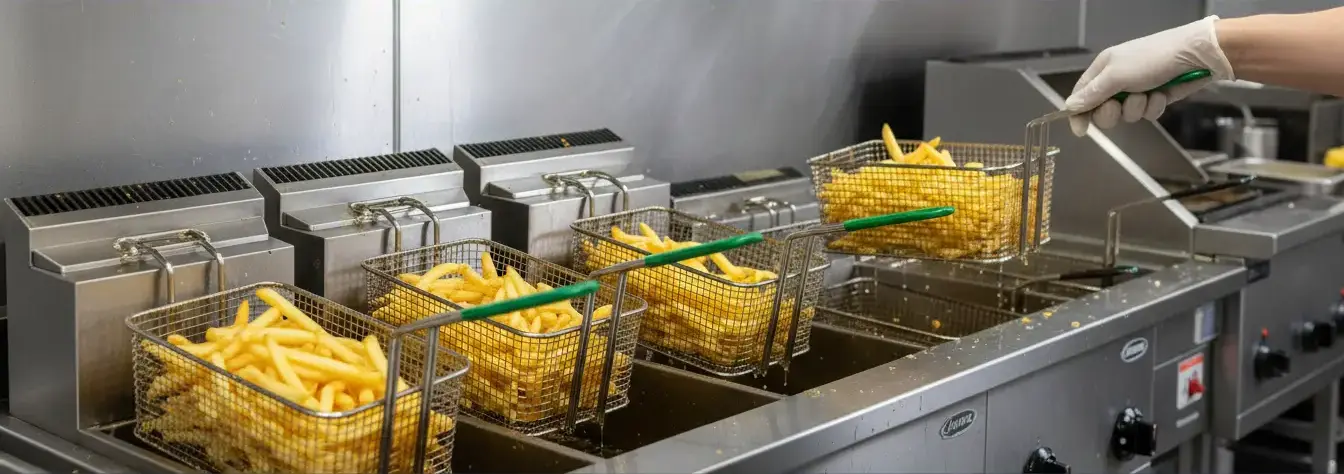
For restaurants and commercial kitchens in Coppell, responsible management of used cooking oil (UCO) is a critical operational and environmental responsibility. Proper collection and recycling prevent costly sewer blockages, support local sustainability goals, and can even turn a waste product into a resource for renewable energy. In Coppell, this process is facilitated through partnerships with licensed grease hauling services that provide the necessary containers and handle the complex logistics of transforming waste oil into biodiesel. This guide outlines the local requirements, best practices, and benefits of establishing a reliable used cooking oil collection system for your business.
Liquid Environmental Solutions
7651 Esters Blvd Suite 200, Irving, TX 75063
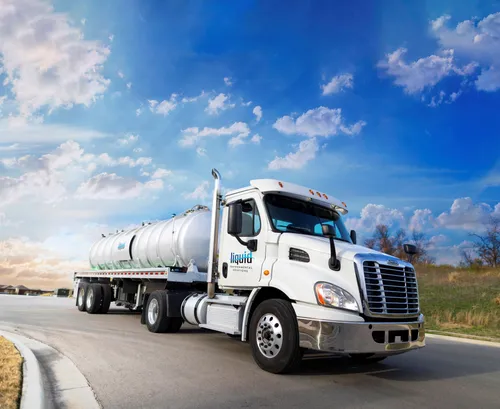
Liquid Environmental Solutions is a non-hazardous liquid waste management company based in Fort Worth, TX. They provide services including used cooking oil collection, grease trap and interceptor cleaning, oil water separator and grit trap cleaning, and wastewater disposal. The company serves industries such as restaurants, grocery stores, convenience stores, automotive services, and environmental services, focusing on compliance and sustainability. Founded over twenty years ago, Liquid Environmental Solutions operates with state-of-the-art equipment and facilities to support their service delivery across multiple locations.
DAR PRO Solutions
5601 N MacArthur Blvd, Irving, TX 75063
DAR PRO Solutions is a used cooking oil collection company based in Fort Worth, TX. They specialize in collecting and recycling used cooking oil for businesses in the area. While the company has served clients for several years, recent reviews indicate some challenges with service consistency.
Filta Environmental Kitchen Solutions
803 Ave H East #311, Arlington, TX 76011
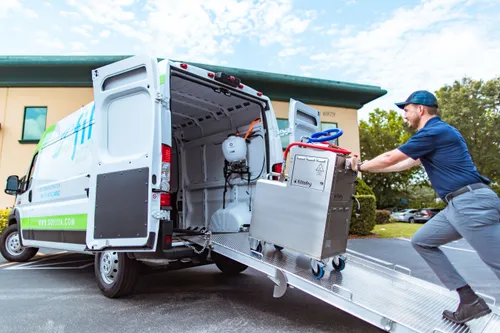
Filta Environmental Kitchen Solutions provides fryer cleaning and used cooking oil management services in Dallas, TX. Their offerings include micro-filtration of cooking oil to extend oil life and improve food consistency, vacuum-based fryer detailing, and the removal of used cooking oil for conversion into biodiesel. Additional services include eco-friendly moisture control for refrigeration units and probiotic drain cleaning to reduce buildup and odors. Filta's solutions aim to improve kitchen safety by reducing fryer maintenance risks and support sustainability through waste oil recycling.
Dallas Grease Trap Services
Fort Worth, TX
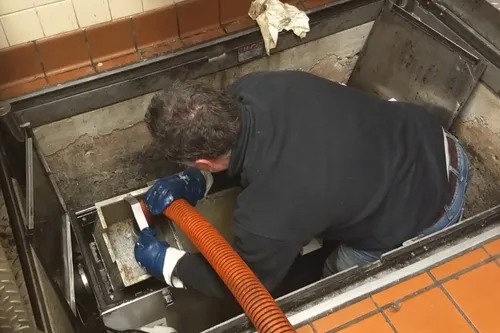
Dallas Grease Trap Services provides grease trap pumping, cleaning, and interceptor maintenance for commercial kitchens in Fort Worth, TX. They serve restaurants, schools, cafeterias, and industrial facilities throughout the Dallas-Fort Worth metroplex. The company operates a fleet of pump trucks and offers services including grease trap installation, used fryer oil collection, exhaust hood cleaning, and pressure washing. They ensure compliance with local health and safety codes by maintaining detailed service records and provide eco-friendly disposal and recycling of waste. Dallas Grease Trap Services has grown from a small operation to a major provider in the area and offers early hour and emergency services to meet client needs.
Southwaste Disposal
525 S 6th Ave, Mansfield, TX 76063
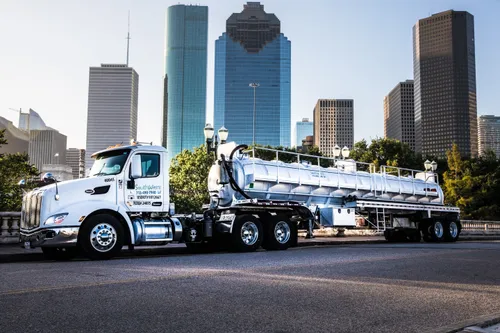
Southwaste Disposal is a waste management company based in Fort Worth, TX, specializing in used cooking oil collection, grease trap cleaning, and commercial plumbing services. They serve restaurants, car washes, and industrial facilities, offering tailored waste collection and recycling solutions that comply with local, state, and federal regulations. Southwaste Disposal operates with a focus on sustainability and environmental responsibility, providing services such as grease trap repairs and hydro-jetting to maintain plumbing systems. The company holds the necessary licenses and permits and offers 24/7 emergency response to address urgent needs.
Local Regulations for Grease Management
Coppell, like many municipalities, has specific guidelines to protect its sewer infrastructure from fat, oil, and grease (FOG), which are major contributors to blockages and sanitary sewer overflows. For food service establishments, recycling used cooking oil is not just a best practice-it's generally a mandatory requirement. Pouring grease down sinks, floor drains, or storm drains is strictly prohibited. The city enforces these rules to avoid environmental hazards and expensive public works repairs, making compliance essential for every restaurant operator.
The cornerstone of compliance is proper on-site storage. Used oil must be allowed to cool completely before being transferred into a sturdy, leak-proof container. Most licensed collection companies provide specialized, sealed bins for this purpose. These containers are designed to be secure from pests and spills, ensuring safe storage until the scheduled pickup. By using the provided equipment, businesses streamline their process and meet the storage standards expected by both the hauler and local ordinances 1.
The Collection and Recycling Process
Establishing a seamless used fryer oil collection routine involves a few key steps. First, after cooking oil has cooled, kitchen staff should carefully pour it from fryers and pans into the designated collection bin. It's important to avoid contaminating the oil with large food solids or excessive water, as this can affect its quality and recyclability. Once the container is full, the restaurant contacts its service provider for a pickup.
A licensed grease hauler will arrive on a regular schedule-whether weekly, bi-weekly, or monthly-to service the account. They will pump out or swap the full container with an empty, clean one. The collected oil is then transported to a processing facility. There, it undergoes heating, filtration, and separation to remove impurities, water, and food particles. The resulting clean "yellow grease" is a valuable feedstock 2.
The final step in this circular economy is conversion. The processed used cooking oil is sold to refiners who convert it into biodiesel or renewable diesel. These sustainable fuels can power trucks, buses, and other machinery, significantly reducing greenhouse gas emissions compared to fossil fuels 3. By participating in this program, Coppell businesses directly contribute to the production of cleaner-burning energy.
Financial Considerations: Cost vs. Revenue
The financial model for used cooking oil collection is not one-size-fits-all and can vary significantly between providers. Some collection companies offer free pickup services, covering their costs through the value of the recycled commodity. Others may charge a service fee, particularly for smaller volumes or difficult-to-access locations. A common arrangement, especially for establishments with high oil usage, is revenue sharing, where the restaurant receives a payment based on the volume and quality of oil collected 4.
Factors that influence pricing or revenue include the quantity of oil generated, the frequency of pickups, and the purity of the oil (minimal food debris and water). It is highly advisable for business owners to contact several licensed local haulers to request quotes and understand their specific service agreements. This allows you to compare options and find a partnership that aligns with your operational needs and financial expectations.
Find the perfect used cooking oil collection companies for your needs
Get personalized recommendations and expert advice
Benefits Beyond Compliance
Implementing a professional used cooking oil collection system offers advantages that extend far beyond simply following the rules. Environmentally, it ensures a harmful waste product is diverted from landfills and sewers and is instead upcycled into renewable fuel. This supports corporate sustainability initiatives and can enhance a restaurant's green credentials in the eyes of environmentally conscious customers.
Operationally, it promotes a safer and cleaner kitchen. Proper, sealed storage bins reduce the risk of slips, falls, and pest infestations associated with improper grease handling. It also simplifies staff training with a clear, consistent procedure for oil disposal. Furthermore, by partnering with a reputable hauler, businesses transfer the liability and complexity of handling a regulated waste stream to experts, allowing management to focus on core operations.
Options for Coppell Residents
While this guide focuses on commercial collection, it's important to note the options for Coppell residents managing smaller quantities of cooking oil from home. The city provides specific guidance for residential disposal. Importantly, a new rule takes effect on November 1, 2025: residents will be required to use provided bins for drop-off, and personal containers will no longer be accepted 5. For smaller amounts, the city often recommends letting the oil solidify and disposing of it in the trash, never down the drain. Residents should always check the latest guidelines on the City of Coppell's Trash & Recycling page for current procedures 5 6.
Choosing a Service Provider in Coppell
Selecting the right used cooking oil collection partner is crucial. Look for a provider that is fully licensed and insured to operate in Texas. They should offer clearly written service agreements detailing pickup schedules, container provision, and financial terms. Reliability and good customer service are key-you need a hauler who shows up on time and responds promptly to service calls. Finally, inquire about their downstream recycling partners to ensure your oil is truly being converted into biodiesel, maximizing the environmental benefit of your program.
Frequently asked questions
Sources
Footnotes
-
How to dispose of or recycle Cooking Oil - Default V2 - Oceanside, CA - https://www.ci.oceanside.ca.us/government/water-utilities/environmental-services-programs/zero-waste-program/for-residents#!rc-cpage=757820 ↩
-
Restaurant Oil Disposal: Explained - Eazy Grease - https://eazygrease.com/how-do-restaurants-get-rid-of-their-oil/ ↩
-
Used Cooking Oil Recycling for Commercial Businesses - Rubicon - https://www.rubicon.com/blog/used-cooking-oil-recycling/ ↩
-
Used Cooking Oil (UCO) Collection Service For Restaurants - https://thegreasecompany.com/blog/restaurant-used-cooking-oil-collection/ ↩
-
Trash & Recycling | Coppell, TX - https://www.coppelltx.gov/262/Trash-Recycling ↩ ↩2
-
Used Cooking Oil Recycling | Solid Waste Authority of Palm Beach ... - https://www.swa.org/173/Used-Cooking-Oil ↩