Find the Best Used Cooking Oil Collection Companies for Your Business
No obligation • Fast responses • Nationwide coverage

Why you can trust Restaurant Waste Disposal
Restaurant Waste Disposal is a leading U.S. resource for comparing restaurant composting, food-waste recycling, grease trap cleaning, and used cooking oil collection services. Our editorial team researches providers, checks credentials, and organizes unbiased information so operators can make informed decisions. Companies cannot pay to change ratings or placement.
Search providers near you
Top Used Cooking Oil Collection Companies in Bedford, Texas Ranked
For restaurants and food service establishments in Bedford, managing used cooking oil (UCO) is a critical operational and environmental task. Professional used cooking oil collection services provide a streamlined solution, ensuring compliance with Texas regulations while turning a waste product into a valuable resource for biodiesel and other products. By partnering with a local recycler, Bedford businesses can ensure safe, efficient grease pickup, potentially earn rebates, and contribute to a more sustainable local economy.

Liquid Environmental Solutions
7651 Esters Blvd Suite 200, Irving, TX 75063
Liquid Environmental Solutions is a non-hazardous liquid waste management company based in Fort Worth, TX. They provide services including used cooking oil collection, grease trap and interceptor cleaning, oil water separator and grit trap cleaning, and wastewater disposal. The company serves industries such as restaurants, grocery stores, convenience stores, automotive services, and environmental services, focusing on compliance and sustainability. Founded over twenty years ago, Liquid Environmental Solutions operates with state-of-the-art equipment and facilities to support their service delivery across multiple locations.
DAR PRO Solutions
5601 N MacArthur Blvd, Irving, TX 75063
DAR PRO Solutions is a used cooking oil collection company based in Fort Worth, TX. They specialize in collecting and recycling used cooking oil for businesses in the area. While the company has served clients for several years, recent reviews indicate some challenges with service consistency.
Filta Environmental Kitchen Solutions
803 Ave H East #311, Arlington, TX 76011
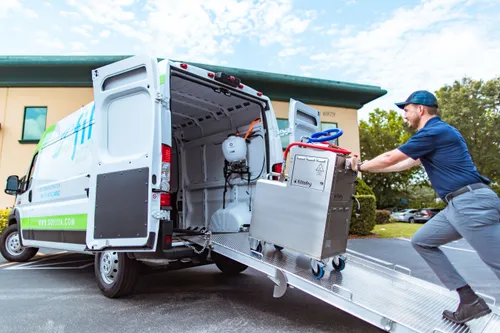
Filta Environmental Kitchen Solutions provides fryer cleaning and used cooking oil management services in Dallas, TX. Their offerings include micro-filtration of cooking oil to extend oil life and improve food consistency, vacuum-based fryer detailing, and the removal of used cooking oil for conversion into biodiesel. Additional services include eco-friendly moisture control for refrigeration units and probiotic drain cleaning to reduce buildup and odors. Filta's solutions aim to improve kitchen safety by reducing fryer maintenance risks and support sustainability through waste oil recycling.
Dallas Grease Trap Services
Fort Worth, TX
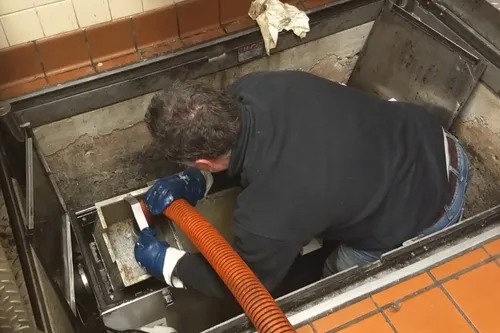
Dallas Grease Trap Services provides grease trap pumping, cleaning, and interceptor maintenance for commercial kitchens in Fort Worth, TX. They serve restaurants, schools, cafeterias, and industrial facilities throughout the Dallas-Fort Worth metroplex. The company operates a fleet of pump trucks and offers services including grease trap installation, used fryer oil collection, exhaust hood cleaning, and pressure washing. They ensure compliance with local health and safety codes by maintaining detailed service records and provide eco-friendly disposal and recycling of waste. Dallas Grease Trap Services has grown from a small operation to a major provider in the area and offers early hour and emergency services to meet client needs.
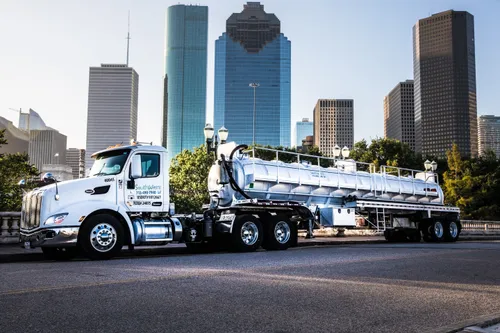
Southwaste Disposal
525 S 6th Ave, Mansfield, TX 76063
Southwaste Disposal is a waste management company based in Fort Worth, TX, specializing in used cooking oil collection, grease trap cleaning, and commercial plumbing services. They serve restaurants, car washes, and industrial facilities, offering tailored waste collection and recycling solutions that comply with local, state, and federal regulations. Southwaste Disposal operates with a focus on sustainability and environmental responsibility, providing services such as grease trap repairs and hydro-jetting to maintain plumbing systems. The company holds the necessary licenses and permits and offers 24/7 emergency response to address urgent needs.
Understanding Used Cooking Oil Recycling
Used cooking oil recycling is the process of collecting spent fryer oil, grease, and tallow from commercial kitchens and transforming it into new products. Instead of ending up in landfills or, worse, down the drain, this material is given a second life. In Bedford, this process is facilitated by specialized grease collection companies that handle the logistics from pickup to processing.
The primary product created from recycled UCO is biodiesel, a renewable, cleaner-burning fuel alternative to petroleum diesel 1. This circular economy model benefits everyone: restaurants dispose of waste responsibly, recyclers gain raw material, and the community benefits from reduced environmental impact. Proper grease recycling also plays a vital role in preventing sewer line blockages and overflows, which are costly municipal issues.
Texas and Bedford Regulations for UCO Handling
Compliance with state and local rules is non-negotiable for food service operators. The Texas Commission on Environmental Quality (TCEQ) sets forth clear guidelines for the storage and management of used oil.
Key TCEQ Requirements Include:
- Proper Containers: UCO must be stored in structurally sound, leak-proof containers that are clearly labeled, for example, as "Used Oil" 2.
- Secure Storage: Containers must be kept covered and protected from the elements to prevent spills and rainwater contamination 3.
- Designated Area: Store containers in a dedicated, accessible location to facilitate easy pickup and minimize workplace hazards.
- Prevent Contamination: Avoid mixing used oil with water or other liquids. Using drain screens and filtering out food particles during oil transfer helps maintain oil quality.
For Bedford residents with small quantities of household cooking oil, the city offers a free drop-off option at the Public Works Department, keeping it out of home plumbing and trash4. However, for the volumes generated by restaurants, a professional collection service is essential for compliance.
The Grease Collection Process for Restaurants
Engaging a professional service simplifies UCO management into a reliable, hands-off routine. The standard process involves several key steps:
- Service Setup: After contacting a provider, they will assess your kitchen's volume and space to recommend an appropriate collection bin size. These specialized containers are designed for easy pouring and secure outdoor storage.
- Scheduled Pickups: Based on your usage, the provider establishes a pickup schedule-weekly, bi-weekly, or monthly. Many modern services use software to monitor fill levels and predict when service is needed, ensuring you never have an overfull bin5.
- Professional Collection: On service day, a technician arrives with a specialized vacuum truck. They will pump the used oil from your bin directly into their truck, a clean and efficient process that takes just minutes6 7.
- Container Maintenance: The technician typically cleans or swaps out your collection bin, leaving you with a fresh, empty container ready for use.
- Recycling & Processing: The collected oil is transported to a processing facility where it is heated, filtered, and purified to remove water and food solids. The clean oil is then sold to be converted into biodiesel, animal feed supplements, or industrial ingredients for soaps and detergents.
Find the perfect used cooking oil collection companies for your needs
Get personalized recommendations and expert advice
How Pricing and Rebates Work
The cost structure for used cooking oil collection in Bedford is often volume-based and can even become a revenue stream. Providers typically offer free pickup for lower volumes, covering their costs through the value of the recycled material.
Common Pricing Tiers:
- Low Volume (Less than 100 gallons/month): Many providers offer free collection and bin rental. At this level, the service is primarily a convenient waste solution.
- Medium Volume (100-300 gallons/month): Establishments in this range may begin to earn a small rebate, often between $0.10 and $0.25 per gallon, depending on oil quality and market prices.
- High Volume (Over 300 gallons/month): High-volume producers like large restaurants or institutional kitchens can negotiate more significant rebates, potentially ranging from $0.25 to over $0.65 per gallon. For these businesses, UCO collection can offset other waste costs or generate a modest profit8 9.
The key to maximizing rebate potential is oil quality. Clean, well-filtered oil free of water and food debris is more valuable to recyclers. Implementing simple best practices in your kitchen directly impacts the financial return.
Choosing a Service Provider in Bedford
Selecting the right grease collection partner is crucial for reliable service and optimal value. When evaluating providers, consider the following factors:
- Reliability & Scheduling: Look for a company with a proven track record of on-time pickups. Inquire about their scheduling flexibility and if they offer automated reminders or monitoring.
- Container Options: Ensure they offer a bin size that fits your space constraints and production volume. Some providers may offer custom solutions10.
- Transparent Contract: Understand the terms of service. Is there a contract length? What are the policies for changing your schedule or canceling service?
- Rebate Program Clarity: If your volume warrants a rebate, get clear details on how payments are calculated, tracked, and issued. Ask how oil quality is assessed.
- Local Knowledge: A provider familiar with Bedford and Tarrant County will understand local nuances and ensure full regulatory compliance.
To start, reach out to several local used cooking oil recyclers for a quote. Reputable providers will typically offer a free assessment of your needs.
Best Practices for Kitchen Staff
A successful UCO program requires daily attention from your kitchen team. Training staff on proper procedures ensures safety, maximizes oil value, and prevents costly plumbing issues.
Essential Staff Guidelines:
- Cool Before Handling: Always allow oil to cool completely before transferring it from fryers to the storage container.
- Filter Regularly: Use a fine mesh filter or commercial filtering system to remove food particles each time oil is changed. This extends fryer oil life and improves the quality of your UCO for recycling.
- Avoid Contaminants: Never pour water, soap, or cleaning chemicals into the UCO collection bin. These contaminants ruin the oil for recycling.
- Secure the Lid: Always replace the bin lid tightly after use to keep out rainwater and debris.
- Know the Plan: Ensure all relevant staff know the pickup schedule and location of the collection bin for easy access by the service technician.
Environmental and Community Benefits
Beyond compliance and potential revenue, professional used cooking oil collection delivers significant environmental advantages for the Bedford community. Diverting UCO from landfills reduces methane emissions, a potent greenhouse gas. Converting it into biodiesel lowers reliance on fossil fuels and reduces overall carbon emissions from the transportation sector.
Most importantly, it protects local infrastructure. When grease is poured down drains, it cools, hardens, and causes "fatbergs" that block sewer pipes. These blockages can lead to sewage backups into homes, environmental spills into waterways, and expensive repairs funded by taxpayer dollars11. By ensuring grease is collected properly, Bedford businesses play a direct role in maintaining the city's plumbing and environmental health.
Frequently asked questions
Sources
Footnotes
-
Cooking Oil Recycling | Houston, TX - https://www.fryoilhouston.com/cooking-oil-recycling ↩
-
TCEQ RG-325 Used Oil Recycling - Texas.gov - https://www.tceq.texas.gov/downloads/permitting/waste-registration/pub/rg-325.pdf/@@download/file/rg-325.pdf ↩
-
Used Oil: Collection - https://www.tceq.texas.gov/permitting/registration/used_oil/collection.html ↩
-
Keep Bedford Beautiful - https://www.bedfordtx.gov/304/Keep-Bedford-Beautiful ↩
-
Used Cooking Oil Disposal - ReGrease - https://regrease.com/used-cooking-oil-pickup/ ↩
-
What Do Restaurants Do with Grease? - https://www.mahoneyes.com/what-do-restaurants-do-with-grease/ ↩
-
Grease Collection Service: What is it - https://www.grandnaturalinc.com/blog/what-is-grease-collection-service.html ↩
-
Used Cooking Oil Disposal: Complete Guide to Grease Pickups - https://greaseconnections.com/used-cooking-oil-disposal-guide-grease-pickups/ ↩
-
Restaurant Used Cooking Oil Recycling & Disposal Guide - https://greaseconnections.com/restaurant-used-cooking-oil-disposal-recycling-revenue-guide/ ↩
-
Used Cooking Oil (UCO) Collection Service For Restaurants - https://thegreasecompany.com/blog/restaurant-used-cooking-oil-collection/ ↩
-
Reducing Fats, Oils, and Grease in Your Home or Apartment - https://www.tceq.texas.gov/assistance/water/wastewater/fog/home_fog.html ↩