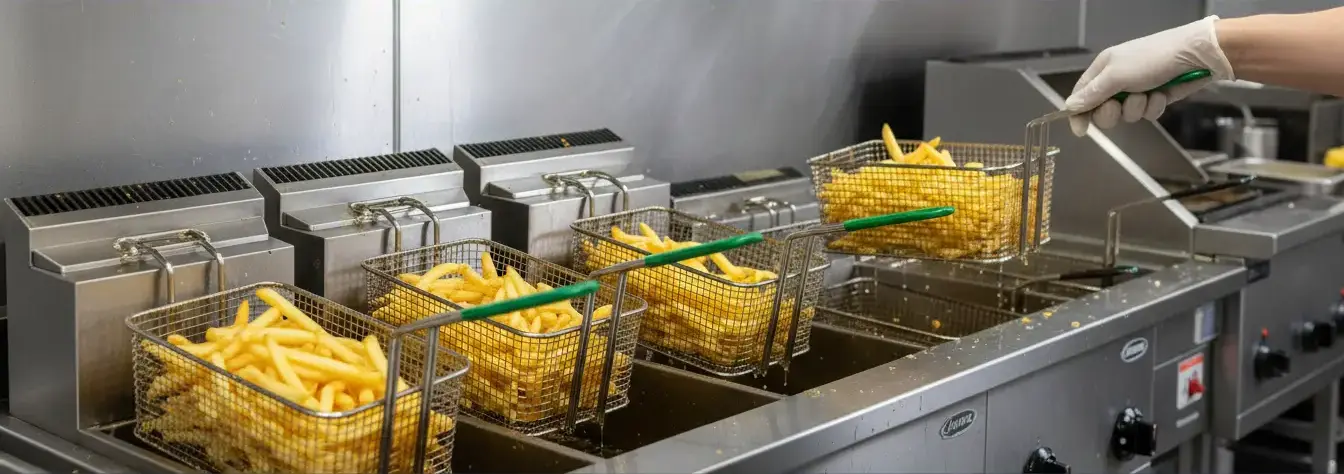
Find the Best Used Cooking Oil Collection Companies for Your Business
No obligation • Fast responses • Nationwide coverage

Why you can trust Restaurant Waste Disposal
Restaurant Waste Disposal is a leading U.S. resource for comparing restaurant composting, food-waste recycling, grease trap cleaning, and used cooking oil collection services. Our editorial team researches providers, checks credentials, and organizes unbiased information so operators can make informed decisions. Companies cannot pay to change ratings or placement.
Search providers near you
Top Used Cooking Oil Collection Companies in Baytown, Texas Ranked
For restaurants and food service businesses in Baytown, managing used cooking oil (UCO) is a critical operational task that intersects with environmental responsibility, regulatory compliance, and potential cost recovery. Proper disposal of waste oil is not just about cleanliness; it's a regulated process under Texas Commission on Environmental Quality (TCEQ) rules designed to protect local waterways and infrastructure. By partnering with a professional collection service, Baytown establishments can ensure their used fryer oil is stored correctly, picked up reliably, and recycled into valuable products like biodiesel, turning a waste stream into a resource.

Grease Recyclers LLC
13321 Chrisman Rd, Houston, TX 77039
Grease Recyclers LLC is a woman-owned company based in Houston, TX, specializing in grease recycling, grease trap cleaning, and used cooking oil collection. Serving Houston and surrounding communities, they provide next-business-day service and custom grease containers ranging from 50 to 2,000 gallons. With over 20 years of experience, they focus on helping businesses maintain compliance with local regulations while supporting environmental sustainability through responsible grease recycling. Their services also include jet line and hydro-jet cleaning to address various grease-related needs.
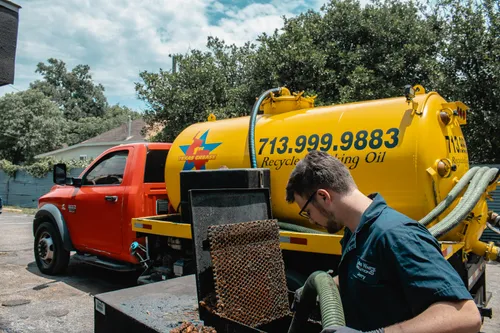
First Texas Grease
Houston, TX
First Texas Grease is a family-owned company based in Houston, TX, specializing in used cooking oil collection, grease trap cleaning, and cooking oil recycling services. They serve Houston and the surrounding areas, offering same-day service and 24/7 support. One notable capability is their bi-annual hydro jetting of grease trap inflow and outflow lines, which helps prevent grease buildup and backups in commercial kitchen plumbing. With over 13 years of industry experience, First Texas Grease provides silent pump outs to minimize disruption during service.
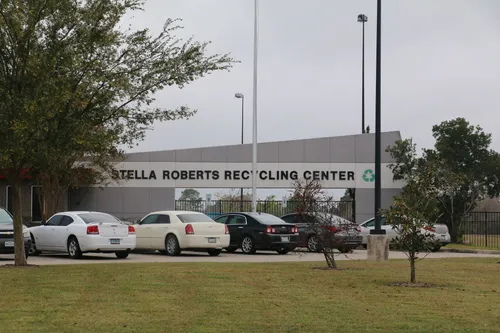
Keep Pearland Beautiful - Stella Roberts Recycling Center
5800 Magnolia Pkwy, Pearland, TX 77584
Keep Pearland Beautiful - Stella Roberts Recycling Center offers comprehensive recycling services in Pearland, TX. The center accepts a wide range of materials including used cooking oils, hazardous waste, electronics, appliances, automotive fluids, batteries, and various recyclables. They provide specialized capabilities such as on-site glass crushing for aggregate production and collection of household hazardous waste on designated days. The facility operates as an environmental nonprofit and emphasizes safety by requiring visitors to remain in their vehicles during drop-off. Hazardous waste recycling is available Fridays and Saturdays with specific fee structures based on residency.
Lone Star Oil Recovery
4176 N Masters Rd, Pearland, TX 77584
Lone Star Oil Recovery provides used cooking oil collection services in Houston, TX. The company specializes in the safe and efficient collection of used cooking oil from various commercial sources. Lone Star Oil Recovery focuses on environmentally responsible disposal and recycling of cooking oil to support sustainable practices in the region.
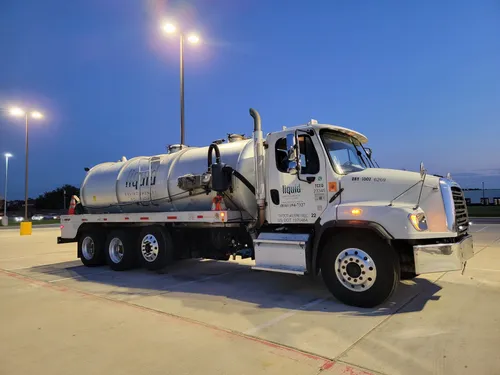
Holcomb Environmental Oil Services, LLC
7012 Banyan St, Houston, TX 77028
Holcomb Environmental Oil Services, LLC is a company based in Houston, TX, specializing in the collection of used cooking oil. They provide services focused on the proper handling and removal of used cooking oil from various clients in the Houston area.
Understanding Texas and Baytown Regulations
Compliance is the foundation of any used cooking oil management program. In Texas, used oil is classified as a recyclable material, and its handling is governed by TCEQ regulations to prevent environmental harm. For Baytown businesses, this means specific storage and disposal practices are not just best practices-they are legal requirements.
Key regulatory requirements include:
- Proper Storage: Used oil must be kept in structurally sound, leak-proof containers or tanks that are clearly labeled "Used Oil". Containers should be kept covered to prevent rainwater contamination and to deter pests and unauthorized access.
- Spill Prevention: Storage areas must be designed to contain any potential spills or leaks, preventing oil from reaching storm drains, sewers, or soil. Regular, scheduled pickups by a professional service significantly reduce the risk of overfills and spills.
- Prohibited Actions: It is illegal to dispose of used cooking oil by dumping it on the ground, into a septic system, or into sewers or waterways 1 2. Improper disposal can lead to significant fines and environmental damage.
Adhering to these rules helps Baytown restaurants avoid penalties and contributes to the community's environmental health. Professional grease collection services are well-versed in these regulations and can provide compliant storage solutions and documentation.
The Professional Collection and Recycling Process
Engaging a professional service streamlines the entire lifecycle of your used cooking oil, from the fryer to its new life as a renewable product. This process is designed for efficiency, safety, and reliability.
- On-Site Storage: After filtering, cooled used oil is transferred from fryers into a dedicated, closed-container storage tank provided by the collection company. These tanks are typically placed in a secure, accessible location behind your establishment.
- Scheduled Pickup: Based on your volume and usage patterns, your provider will establish a regular pickup schedule. Companies use specialized vacuum trucks, often called "sucker trucks," to efficiently remove the oil from your tank. Advanced providers may use smart tank monitoring technology to schedule pickups precisely when your tank is near full, optimizing logistics.
- Transportation & Recycling: The collected oil is transported to a processing facility. There, it undergoes filtering to remove food particles and water. The purified oil is then sold as a feedstock primarily for the production of biodiesel, a cleaner-burning renewable fuel. It can also be processed into animal feed supplements or industrial lubricants.
This closed-loop system ensures that the oil from Baytown kitchens is diverted from landfills and wastewater systems and is instead converted into useful, sustainable commodities.
Cost Structure and Potential Revenue
The financial model for used cooking oil collection is typically volume-based. Whether you pay a fee or receive a rebate depends largely on how much oil your business generates monthly. Understanding this can help you forecast costs or identify a potential revenue stream.
- Low Volume Producers (e.g., under 40 gallons per month): Smaller restaurants or those that fry food infrequently may not generate enough oil to be valuable to recyclers. In these cases, services often charge a monthly or per-pickup fee to cover the cost of collection and recycling, which can help ensure compliant disposal without the hassle of self-hauling 3.
- Medium to High Volume Producers (e.g., 100+ gallons per month): Businesses like high-volume fast-food restaurants, large casual dining establishments, or food processors generate significant quantities of UCO. For these volumes, collection companies typically offer a rebate program. The used oil becomes a commodity, and you can earn revenue based on the market price. Rebates can vary but often range from a few cents per gallon for moderate volumes to higher rates for very large, consistent suppliers 4 5.
- Factors Influencing Value: The rebate rate can fluctuate based on global commodity markets for fats and oils, the quality and purity of your oil (less food debris and water is better), and your consistent volume.
Find the perfect used cooking oil collection companies for your needs
Get personalized recommendations and expert advice
Choosing a Service Provider in Baytown
Selecting the right partner for your used cooking oil collection is crucial. Look for a service that offers reliability, compliance assurance, and transparent communication. Established providers in the Houston-Baytown area offer comprehensive solutions.
- Full-Service Solutions: Companies like Mahoney Environmental provide the storage tank, regular scheduled pickups, and necessary documentation. They handle the entire process, allowing you to focus on your restaurant operations 6 7.
- Technology-Enhanced Services: Providers such as ReGrease utilize smart monitoring systems on storage tanks. This technology alerts them when your tank is nearing capacity, allowing for on-demand pickups that prevent overflows and optimize collection routes 8.
- Service Considerations: When evaluating providers, inquire about their pickup reliability, compliance guarantees, safety record, and the end destination for the recycled oil. A reputable company will be transparent about their process and happy to explain how they meet TCEQ requirements.
Environmental and Community Benefits
Proper used cooking oil collection extends benefits far beyond your kitchen. By participating in a recycling program, Baytown businesses play a direct role in regional sustainability efforts.
- Protecting Infrastructure: When UCO is poured down drains, it cools and solidifies, creating massive "fatbergs" that clog sewer lines. This leads to costly backups and municipal repair expenses. Proper collection prevents this entirely.
- Supporting Renewable Energy: The primary product from recycled UCO is biodiesel. Using biodiesel reduces reliance on fossil fuels, lowers greenhouse gas emissions, and supports a circular economy where waste is repurposed 9 10.
- Preventing Pollution: Keeping used oil out of landfills, waterways, and soil protects Baytown's natural environment and wildlife, preserving the quality of local ecosystems like the Galveston Bay watershed.
Implementing a professional used cooking oil management system is a clear win for Baytown restaurants: it ensures regulatory compliance, can reduce costs or generate modest revenue, simplifies operations, and demonstrates a commitment to environmental stewardship.
Frequently asked questions
Sources
Footnotes
-
TCEQ RG-325 Used Oil Recycling - Texas.gov - https://www.tceq.texas.gov/downloads/permitting/waste-registration/pub/rg-325.pdf/@@download/file/rg-325.pdf ↩
-
Used Oil Recycling Program - https://www.tceq.texas.gov/permitting/registration/used_oil/recycling.html ↩
-
Do you get paid for used cooking oil? : r/cookingoilrecycling - Reddit - https://www.reddit.com/r/cookingoilrecycling/comments/1kvlxl5/do_you_get_paid_for_used_cooking_oil/ ↩
-
Restaurant Used Cooking Oil Recycling & Disposal Guide - https://greaseconnections.com/restaurant-used-cooking-oil-disposal-recycling-revenue-guide/ ↩
-
Used Cooking Oil Pricing & Business Guide - Grease Connections - https://greaseconnections.com/used-cooking-oil-pricing-guide/ ↩
-
Restaurant Grease Pick Up & Disposal Services in Houston TX - https://www.mahoneyes.com/fryer-oil-disposal-recycling-houston-tx/ ↩
-
Used Cooking Oil Pick Up & Recycling Service in Houston TX - https://www.mahoneyes.com/waste-oil-pickup-recycling-houston-tx/ ↩
-
Used Cooking Oil Disposal - ReGrease - https://regrease.com/used-cooking-oil-pickup/ ↩
-
Recycling Used Cooking Oil With Green Grease Environmental - https://www.youtube.com/watch?v=KP05Yx-GkHk ↩
-
What happens with the used oil from restaurants and fast-food ... - https://www.quora.com/What-happens-with-the-used-oil-from-restaurants-and-fast-food-chains-Is-there-any-sort-of-recycling ↩