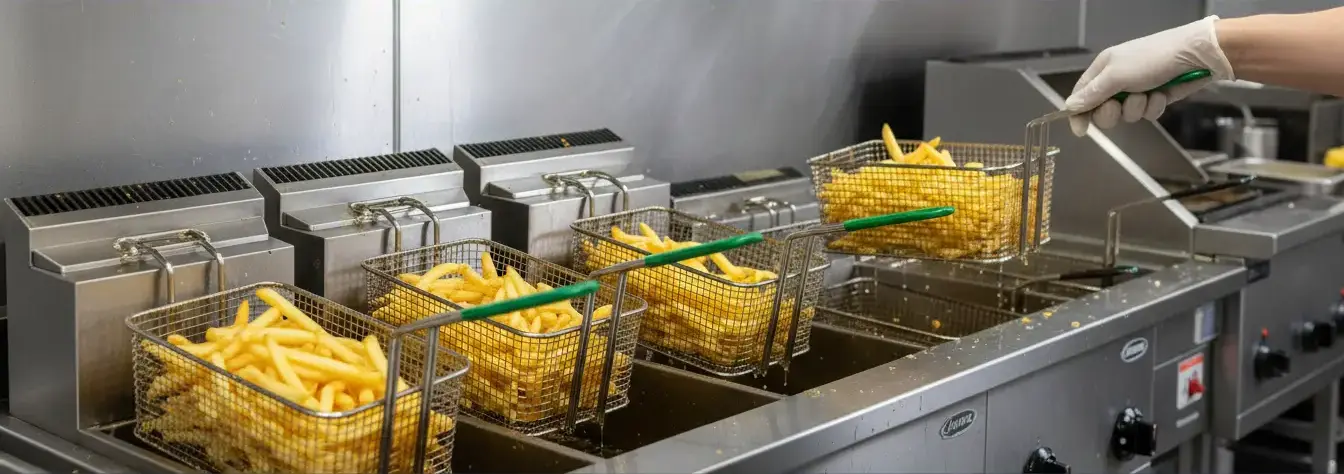
Find the Best Used Cooking Oil Collection Companies for Your Business
No obligation • Fast responses • Nationwide coverage

Why you can trust Restaurant Waste Disposal
Restaurant Waste Disposal is a leading U.S. resource for comparing restaurant composting, food-waste recycling, grease trap cleaning, and used cooking oil collection services. Our editorial team researches providers, checks credentials, and organizes unbiased information so operators can make informed decisions. Companies cannot pay to change ratings or placement.
Search providers near you
Top Used Cooking Oil Collection Companies in Allen, Texas Ranked
For restaurants and food service businesses in Allen, managing kitchen byproducts isn't just a chore-it's a critical component of operational efficiency and environmental responsibility. Proper handling of used cooking oil and grease is mandated by local ordinances to protect the city's sewer infrastructure from costly and disruptive blockages. Partnering with a professional used cooking oil (UCO) collection service transforms a regulatory requirement into a streamlined process that can even generate revenue. This guide outlines the essentials of grease trap maintenance, oil collection, and recycling specific to Allen, ensuring your business stays compliant while contributing to the circular economy by turning waste into biodiesel.
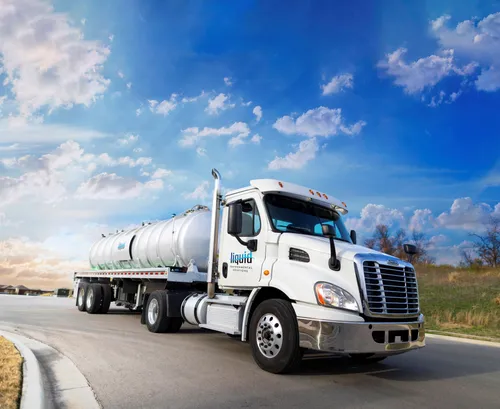
Liquid Environmental Solutions
7651 Esters Blvd Suite 200, Irving, TX 75063
Liquid Environmental Solutions is a non-hazardous liquid waste management company based in Fort Worth, TX. They provide services including used cooking oil collection, grease trap and interceptor cleaning, oil water separator and grit trap cleaning, and wastewater disposal. The company serves industries such as restaurants, grocery stores, convenience stores, automotive services, and environmental services, focusing on compliance and sustainability. Founded over twenty years ago, Liquid Environmental Solutions operates with state-of-the-art equipment and facilities to support their service delivery across multiple locations.
DAR PRO Solutions
5601 N MacArthur Blvd, Irving, TX 75063
DAR PRO Solutions is a used cooking oil collection company based in Fort Worth, TX. They specialize in collecting and recycling used cooking oil for businesses in the area. While the company has served clients for several years, recent reviews indicate some challenges with service consistency.
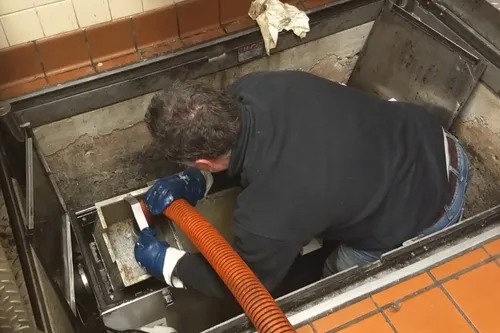
Dallas Grease Trap Services
Fort Worth, TX
Dallas Grease Trap Services provides grease trap pumping, cleaning, and interceptor maintenance for commercial kitchens in Fort Worth, TX. They serve restaurants, schools, cafeterias, and industrial facilities throughout the Dallas-Fort Worth metroplex. The company operates a fleet of pump trucks and offers services including grease trap installation, used fryer oil collection, exhaust hood cleaning, and pressure washing. They ensure compliance with local health and safety codes by maintaining detailed service records and provide eco-friendly disposal and recycling of waste. Dallas Grease Trap Services has grown from a small operation to a major provider in the area and offers early hour and emergency services to meet client needs.
Cease The Grease Cooking Oil Recycling Station
3939 Valley View Ln, Dallas, TX 75244
Cease The Grease Cooking Oil Recycling Station is a used cooking oil collection company located in Dallas, TX. The business specializes in collecting and recycling used cooking oil to help reduce waste and promote environmental sustainability in the Dallas area.
Liquid Environmental Solutions
11115 Goodnight Ln, Dallas, TX 75229
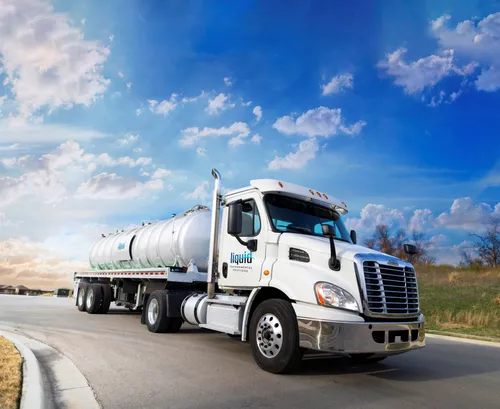
Liquid Environmental Solutions is a provider of non-hazardous liquid waste management services based in Fort Worth, TX. The company offers services including used cooking oil collection, grease trap and interceptor cleaning, oil water separator and grit trap cleaning, and wastewater disposal. They serve industries such as restaurants, grocery stores, convenience stores, automotive services, and environmental services, focusing on recycling and compliance. Founded over twenty years ago, Liquid Environmental Solutions emphasizes environmental stewardship and sustainability in their operations.
Understanding Allen's FOG Control Program
The City of Allen has specific regulations governing Fat, Oil, and Grease (FOG) to prevent sewer system overflows and backups. These rules are designed to keep pipes clear and protect the local water environment. For food establishments, this means proactive management is not optional; it's a key part of your business license compliance. The program emphasizes source control, requiring businesses to intercept grease before it enters the wastewater stream.
Key components of compliance include:
- Installation of Approved Grease Traps/Interceptors: All food service establishments are required to have properly sized and permitted grease control devices.
- Regular Maintenance and Cleaning: Grease traps must be pumped and cleaned by a licensed hauler on a schedule that prevents overflows and ensures functionality. Records of this service must be maintained for inspection.
- Proper Disposal of Grease and Oil: Collected FOG and used fryer oil must be hauled away by a licensed service provider for recycling or approved disposal, not poured down drains or into dumpsters.
Adhering to these guidelines helps avoid severe penalties, including fines, and prevents the much larger expense of repairing sewer lines or dealing with a sanitation crisis on your property.
The Step-by-Step Process of Oil Collection & Recycling
Implementing a reliable used cooking oil pickup system simplifies operations and ensures you meet all regulatory requirements. The process is typically straightforward and managed by your service provider.
Secure On-Site Storage
The first step begins in your kitchen. After oil is used for frying, it should be safely cooled and then transferred to a dedicated, leak-proof storage container. Most professional collection companies provide these containers-often sturdy, covered barrels or tanks-at no extra cost 1. Using the provided container is crucial, as it keeps the oil clean, prevents spills or odors, and deters pests. Proper storage directly impacts the quality of the oil, which can influence potential rebates.
Scheduled Pickup Service
Your service provider will establish a regular pickup schedule-often weekly, bi-weekly, or monthly-based on your volume of oil production. On the scheduled day, a trained technician will arrive, typically during off-peak hours to avoid disrupting service. They will pump or swap out your full containers, leaving behind clean, empty ones for continued use. This "set it and forget it" model ensures you never have to worry about overflowing storage or making special trips to dispose of oil.
Transformation into Biodiesel
Once collected, the used cooking oil begins its second life. The hauler transports it to a processing facility where it undergoes filtration to remove food particles and water. The purified oil is then converted into biodiesel, a renewable, cleaner-burning fuel alternative for diesel engines 2 3. This recycling process is a cornerstone of sustainable business practices, reducing reliance on fossil fuels and keeping waste out of landfills.
Find the perfect used cooking oil collection companies for your needs
Get personalized recommendations and expert advice
Potential Revenue from Your Used Cooking Oil
A common question from restaurant owners is whether used oil collection costs money or makes money. The answer depends almost entirely on your monthly volume and the quality of the oil. In the Allen and broader DFW market, pricing structures are designed to incentivize proper recycling.
- Low Volume (Under 100 gallons/month): For smaller establishments, the primary benefit is often free pickup and disposal. The service provider covers the cost of collection and recycling, saving you from potential disposal fees and handling hassles. This arrangement turns a waste product into a cost-neutral or cost-saving service.
- Medium to High Volume (100+ gallons/month): As your volume increases, so does the potential for rebates. Prices fluctuate with the commodities market for biodiesel feedstocks, but typical ranges can be:
- 100-300 gallons/month: May earn $0.10 - $0.25 per gallon 4.
- Maximizing Your Rebate: The key to the highest payment is oil quality. Clean, well-stored oil free of excessive water and food debris is more valuable to recyclers. Using the provided containers and avoiding contamination is the best way to ensure you get the best possible rate for your material.
Choosing a Service Provider in the Dallas-Fort Worth Area
Selecting the right partner for grease trap cleaning and used oil collection is a business decision. Look for a provider that offers reliability, compliance, and transparency.
Essential Criteria for Your Hauler:
- Proper Licensing: Ensure the company is fully licensed and insured to handle and transport used cooking oil and grease trap waste in Texas. They should be registered with the Texas Commission on Environmental Quality (TCEQ) 7 8.
- Local Service & Reliability: Choose a company with a proven track record of servicing the Allen and North Dallas area. Consistent, on-time pickups are vital for maintaining kitchen cleanliness and compliance.
- Transparent Pricing & Contracts: Understand the terms of service. Is pickup free? Do you get a rebate? Are there any hidden fees for grease trap cleaning? Reputable companies like those servicing the region offer clear agreements 9.
- Environmental Commitment: Partner with a provider that guarantees the oil is recycled into biodiesel, not landfilled. Ask about their end destination for the recycled product.
Local and national companies such as Mahoney Environmental and Grease Pros Recycling actively service the DFW metroplex and understand Allen's specific municipal requirements.
Beyond Collection: Comprehensive Grease Management
Effective used cooking oil collection is one part of a holistic grease management plan. Your grease trap is the first line of defense for your plumbing and the public sewer. Regular, professional grease trap pumping is non-negotiable. A licensed hauler will not only pump out the trapped fats and solids but also properly dispose of this waste, which cannot be recycled in the same way as pure cooking oil. Keeping detailed logs of all grease trap and oil collection services is your best documentation for city health and safety inspectors 10.
By integrating reliable oil collection with diligent grease trap maintenance, Allen restaurants can operate more sustainably, avoid regulatory issues, and potentially turn a waste stream into a modest revenue stream.
Frequently asked questions
Sources
Footnotes
-
Cooking Oil Collection & Grease Recycling Service - https://thegreasecompany.com/oilcollection.html ↩
-
Recycle Your Used Cooking Oil and Grease - Irving, TX - https://irvingtx.gov/index.php?section=pressroom-preview&prrid=434 ↩
-
Recycling Used Cooking Oil With Green Grease Environmental - https://www.youtube.com/watch?v=KP05Yx-GkHk ↩
-
Used Cooking Oil Disposal: Complete Guide to Grease Pickups - https://greaseconnections.com/used-cooking-oil-disposal-guide-grease-pickups/ ↩
-
Used Cooking Oil Pickup vs Drop-Off-What's Best for Restaurants? - https://www.greaseprosrecycling.com/used-cooking-oil-pickup-vs-drop-off/ ↩
-
Restaurant Used Cooking Oil Recycling & Disposal Guide - https://greaseconnections.com/restaurant-used-cooking-oil-disposal-recycling-revenue-guide/ ↩
-
Reducing Fats, Oils, and Grease in Your Home or Apartment - https://www.tceq.texas.gov/assistance/water/wastewater/fog/home_fog.html ↩
-
What Are the TCEQ Guidelines for Oilfield Waste Disposal? - https://www.okonrecycling.com/specialty-equipment-recycling/other-equipments/tceq-guidelines-oilfield-waste-disposal/ ↩
-
Restaurant Grease Pick Up & Disposal Services in Dallas, TX - https://www.mahoneyes.com/fryer-oil-disposal-recycling-dallas-tx/ ↩
-
Fat, Oil and Grease (FOG) Control - Allen, Texas - https://www.cityofallen.org/departments/community_services/water_and_sewer/fat_oil_and_grease_fog_control.php ↩