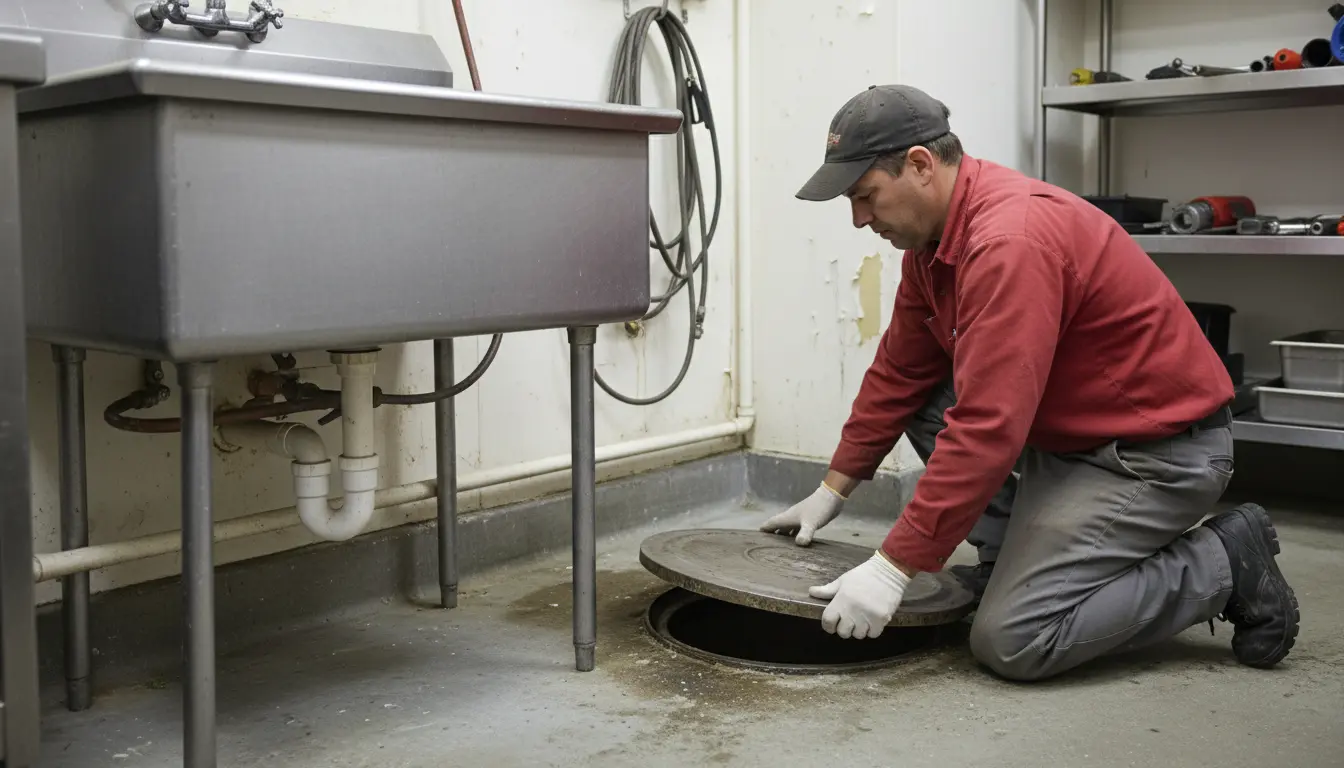
Find the Best Grease Trap Cleaning Companies for Your Business
No obligation • Fast responses • Nationwide coverage

Why you can trust Restaurant Waste Disposal
Restaurant Waste Disposal is a leading U.S. resource for comparing restaurant composting, food-waste recycling, grease trap cleaning, and used cooking oil collection services. Our editorial team researches providers, checks credentials, and organizes unbiased information so operators can make informed decisions. Companies cannot pay to change ratings or placement.
Search providers near you
Top Grease Trap Cleaning Companies in Vancouver, Washington Ranked
For any restaurant or commercial kitchen in Vancouver, Washington, managing fats, oils, and grease (FOG) is not just a maintenance task-it's a critical regulatory requirement. Local codes from the City of Vancouver and Clark County mandate that all food service establishments install and maintain grease interceptors to prevent these substances from entering the public sewer system. Regular, professional grease trap cleaning is the cornerstone of compliance, helping to avoid severe fines, emergency blockages, and costly damage to both your plumbing and municipal infrastructure. This guide outlines the essential regulations, best practices, and service considerations for maintaining a compliant and efficient kitchen in Vancouver.
Scout Septic, Grease & Drain
15535 SE 287th Ave, Boring, OR 97009
Scout Septic, Grease & Drain provides septic tank pumping, installation, repair, grease trap cleaning, and drain services in Portland, OR. They serve both residential and commercial clients, offering pipe and drain cleaning including hydro jetting, as well as excavation and grading services. The company uses modern equipment and techniques to maintain and repair wastewater systems efficiently. Scout Septic, Grease & Drain is fully licensed and insured, offers 24/7 availability, and has a satisfaction guarantee.
Roto-Rooter Plumbing & Water Cleanup
519 SW Park Ave #303, Portland, OR 97205
Roto-Rooter Plumbing & Water Cleanup is a plumbing and water cleanup company serving Portland, OR. Established in 1935, it provides a wide range of residential and commercial plumbing services including drain cleaning, sewer line repair, water heater installation, and grease trap cleaning. The company uses advanced equipment such as hydro-jetting and video camera inspections to address plumbing issues efficiently. Roto-Rooter offers 24/7 emergency service throughout the year to handle urgent plumbing needs.
Northwest Biofuel
2223 N Randolph Ave, Portland, OR 97227
Northwest Biofuel is a locally owned company based in Portland, OR, specializing in grease trap cleaning and used cooking oil collection. They serve restaurants and commercial properties throughout Oregon and Washington, offering bundled services that include grease trap cleaning, cooking oil collection, drain cleaning, line jetting, and grease trap repair. The company ensures that 100% of the oil and grease collected is recycled locally into feedstock and clean-burning biodiesel. Northwest Biofuel provides 24/7 emergency service and works with clients to schedule service at convenient times.
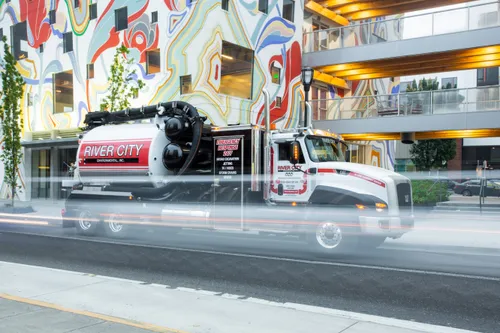
River City Environmental
5410 NE 109th Ave, Portland, OR 97220
River City Environmental is a grease trap cleaning company based in Portland, OR. They provide grease trap cleaning and maintenance services, including emergency response. The company offers 24/7 emergency services and can respond quickly to urgent situations. Customers have relied on River City Environmental for timely service and practical maintenance recommendations.

Oregon Oils, Inc
2515 NW 28th Ave, Portland, OR 97210
Oregon Oils, Inc is a family-owned company based in Portland, OR, providing used cooking oil collection and grease trap cleaning services. Serving businesses across Oregon and Southwest Washington, they offer customizable solutions including grease trap maintenance and used oil recycling. Their Fryer to Fuel program converts collected cooking oil into biodiesel, supporting sustainable practices. With over 30 years of experience since 1992, Oregon Oils emphasizes environmental responsibility and offers emergency service within one business day.
Understanding Local FOG Regulations and Compliance
Vancouver's sewer system is protected by strict ordinances designed to prevent FOG-related blockages and overflows. At the heart of these rules is the requirement for a properly sized and functioning grease interceptor (often called a grease trap) for every commercial kitchen 1 2. These devices capture grease and solids before wastewater leaves your property. Compliance isn't optional; it involves a documented schedule of maintenance and inspections.
The City of Vancouver and Clark County Public Works department enforces these rules through periodic, and sometimes unannounced, inspections 3. During an inspection, officials will check for easy access to the interceptor and, most importantly, request your maintenance records. Failure to provide proof of regular servicing can result in significant fines, which can reach into the thousands of dollars, not including the cost of emergency cleaning if a blockage occurs.
The Critical Importance of Regular Maintenance
Why is sticking to a schedule so vital? When a grease interceptor fills beyond capacity, grease escapes into the sewer lines. Inside the cooler pipes, this grease hardens, combining with other debris to form severe blockages known as "fatbergs." These can cause sewage backups in your facility or in the city's main lines, leading to health hazards, property damage, and severe penalties for your business 4.
Regular pumping and cleaning prevent this by removing the accumulated FOG and food solids before they reach the critical point. It's the most effective way to protect your investment, ensure smooth kitchen operations, and fulfill your obligations as a responsible business in the community.
Determining Your Pumping Frequency
A common question is: "How often should my grease trap be cleaned?" The standard regulatory guideline in Vancouver is to pump the interceptor every 1 to 3 months, or when the combined FOG and solids accumulate to 25% of the liquid depth of the tank, whichever comes first 5 6 7. However, your specific frequency depends on several factors:
- Kitchen Volume: A high-turnover restaurant will generate more grease than a small café.
- Menu Type: Establishments serving fried foods, meats, and dairy products typically produce more FOG.
- Interceptor Size: A correctly sized interceptor for your operation is crucial. An undersized unit will require much more frequent service.
The best practice is to have your service provider assess your accumulation rate during the first few cleanings and recommend a tailored schedule. You should also perform weekly visual checks of the interceptor to monitor the grease and solid levels.
The Professional Service Process: What to Expect
Hiring a licensed, professional grease trap cleaning service in Vancouver is non-negotiable for compliance. These providers have the expertise, equipment, and certification to handle hazardous waste properly. A standard professional service includes:
- Complete Pump-Out: Using a vacuum truck, all liquid, grease, and solid waste is removed from the interceptor.
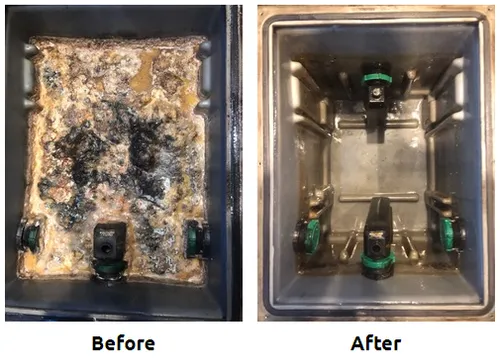
- Tank Cleaning: The interior walls and baffles of the trap are scraped and pressure-washed to remove clinging grease and sludge.
- Inspection: The technician will inspect the interceptor for damage, leaks, or malfunctioning parts.
- Waste Disposal: The collected FOG is transported to an approved facility, often for recycling into biofuels-a service many local providers like NW Biofuel specialize in.
- Documentation: You will receive a detailed service receipt and, most importantly, a FOG Report. This report is the official document you must keep on file to prove compliance to city inspectors.
Find the perfect grease trap cleaning companies for your needs
Get personalized recommendations and expert advice
Cost Considerations for Grease Interceptor Services
The cost of grease trap maintenance in Vancouver varies based on the size and location (indoor vs. outdoor) of your interceptor, the frequency of service, and the service provider. However, understanding the general cost structure can help with budgeting:
- Standard Pumping Service: For most small to medium-sized restaurants, a routine pump and clean typically ranges from $250 to $500+ per service 8. This is a proactive investment in compliance.
- Emergency Service: If you experience a blockage or sewer backup requiring immediate attention, emergency call-out fees and after-hours service can cost between $800 and $1,200 or more 9.
- Additional Services: If grease has escaped and clogged your interior drain lines, hydro-jetting (high-pressure pipe cleaning) may be necessary, adding to the total cost.
- Long-term Savings: Consistent, scheduled service is invariably less expensive than reacting to an emergency. It also minimizes the risk of fines, which can dwarf even the highest routine service bill.
Choosing a Service Provider in Vancouver
Selecting the right partner is crucial. Look for a service provider that:
- Is licensed and insured to operate in Clark County.
- Has a strong understanding of City of Vancouver and Washington State FOG regulations.
- Automatically provides detailed FOG reports with each service for your records.
- Offers environmentally responsible disposal or recycling of the collected grease.
- Can provide references from other local food service establishments.
Establishing a relationship with a reliable provider turns a complex regulatory requirement into a simple, scheduled part of your business operations.
Best Practices for In-House FOG Management
While professional cleaning handles the interceptor, your kitchen staff plays a key role in minimizing FOG entering the system:
- Scrape, Don't Rinse: Scrape all food scraps from plates, pots, and pans into the trash or compost before washing.
- Use Strainers: Place sink strainers in all prep and dishwashing sinks to catch solids.
- Never Pour Grease Down the Drain: Collect used fryer oil and pan grease in sealed containers for pickup by your grease trap service or a used cooking oil recycler.
- Educate Staff: Train all employees on these simple practices to protect your plumbing.
Frequently asked questions
Sources
Footnotes
-
Restaurant Technical Guides -The City of Vancouver, WA - https://www.cityofvancouver.us/business/building-construction/commercial-building-permits/restaurant-technical-guides/ ↩
-
What to Know about Grease Interceptors in Vancouver - https://www.mercurycontracting.com/restaurant-grease-interceptors-in-vancouver ↩
-
Washington State Grease Trap Environmental Regulations - https://www.greaseguardianusa.com/2024/06/17/washington-state-grease-trap-environmental-regulations/ ↩
-
Grease Interceptor Requirements - Metro Vancouver - https://metrovancouver.org/services/environmental-regulation-enforcement/liquid-waste-regulatory-program/grease-interceptor-requirements ↩
-
Grease Trap Compliance: What Washington & Oregon Businesses Need to Know - Drain-Pro Inc. - https://drain-proinc.com/grease-trap-compliance-what-washington-oregon-businesses-need-to-know/ ↩
-
Grease Trap Cleaning Services - NW Biofuel - https://nwbiofuel.com/grease-trap-cleaning/ ↩
-
How to Clean a Grease Trap (and How Often You Should) - https://greaseconnections.com/how-to-clean-a-grease-trap-and-how-often-you-should/ ↩
-
How Much Does a Proper Grease Trap Cleaning Cost? - https://hulseyenvironmental.com/how-much-does-a-proper-grease-trap-cleaning-partner-cost/ ↩
-
Ultimate Grease Trap Pumping Cost Guide: Essential Money-Saving ... - https://www.texwaywastewater.com/grease-trap-pumping-cost/ ↩