Find the Best Grease Trap Cleaning Companies for Your Business
No obligation • Fast responses • Nationwide coverage

Why you can trust Restaurant Waste Disposal
Restaurant Waste Disposal is a leading U.S. resource for comparing restaurant composting, food-waste recycling, grease trap cleaning, and used cooking oil collection services. Our editorial team researches providers, checks credentials, and organizes unbiased information so operators can make informed decisions. Companies cannot pay to change ratings or placement.
Search providers near you
Top Grease Trap Cleaning Companies in Tacoma, Washington Ranked
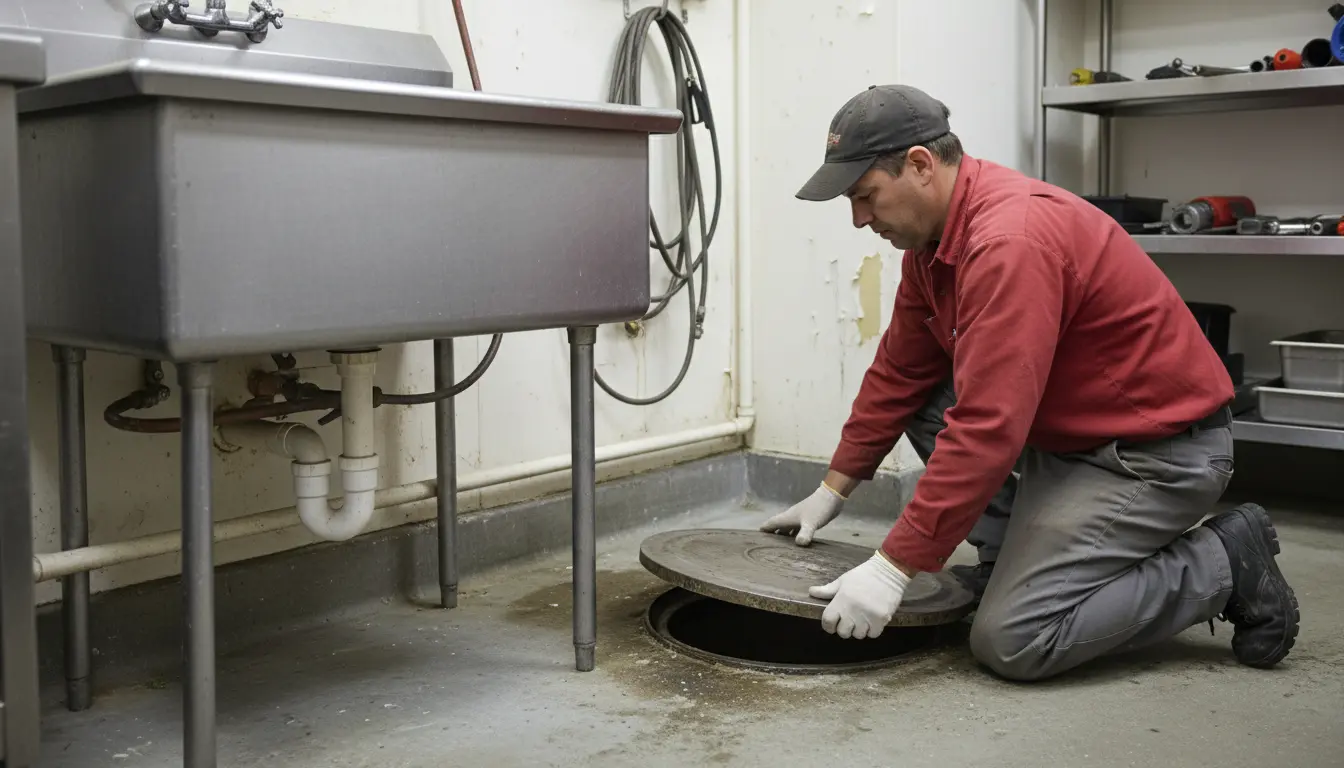
For restaurant owners and food service operators in Tacoma, managing fats, oils, and grease (FOG) is a critical operational and legal responsibility. Proper grease interceptor maintenance is not just about avoiding clogs; it's a mandatory component of the city's wastewater management program, designed to protect the local sewer infrastructure and Puget Sound. The City of Tacoma and Pierce County enforce specific regulations that dictate how often you must clean your trap, who can perform the service, and how the work must be documented. Non-compliance can lead to significant fines, mandatory reporting to state agencies, and operational disruptions. Understanding these local requirements is the first step in ensuring your business runs smoothly and avoids costly penalties.
D Street Drain Cleaning
Tacoma, WA
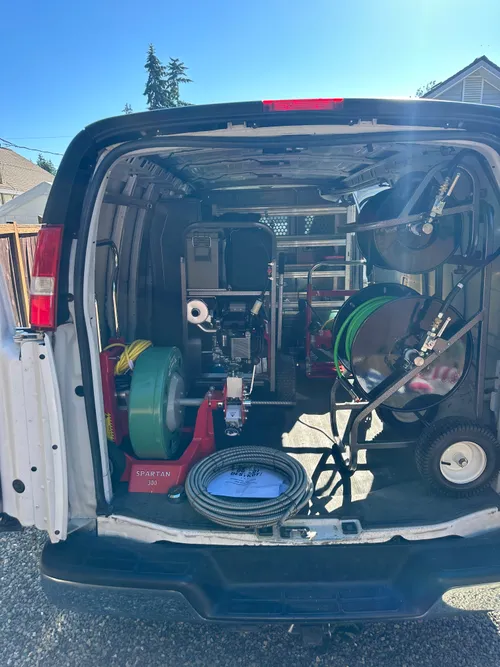
D Street Drain Cleaning provides full-service residential and commercial drain cleaning in Tacoma, WA, including root removal and grease trap cleaning for commercial kitchens. They also offer sewer line inspections with visual camera technology and indoor fixture services such as P trap replacement and garbage disposal installation. Founded to assist customers facing drainage emergencies, the company serves the greater Seattle area with a focus on minimizing water damage caused by heavy rainfall and failing drain systems.
Drain-Pro Inc. - Washington
2511 Inter Ave, Puyallup, WA 98372
Drain-Pro Inc. - Washington provides grease trap cleaning services in Tacoma, WA. The company handles grease trap maintenance and septic tank pumping, demonstrating expertise in emergency service calls, including late-night availability. Customers have noted their ability to explain issues clearly and respond promptly to urgent needs.
Beacon Plumbing, Heating, Electrical & Mechanical Inc - Seattle
515 7th Ave S, Seattle, WA 98104
Beacon Plumbing, Heating, Electrical & Mechanical Inc is a multi-service contractor based in Seattle, WA, providing plumbing, heating, electrical, and mechanical services. Established in 1999, the company serves both residential and commercial clients throughout Seattle and the Puget Sound area. Their services include water, sewer, and pipe repairs, drain clearing, grease trap interceptor cleaning, trenchless technology, and hydro jetting. Beacon Plumbing operates 24/7 to offer immediate assistance when needed and employs licensed technicians who live locally.
Spark Drain & Sewer
210 37th St SE trlr 141, Auburn, WA 98002
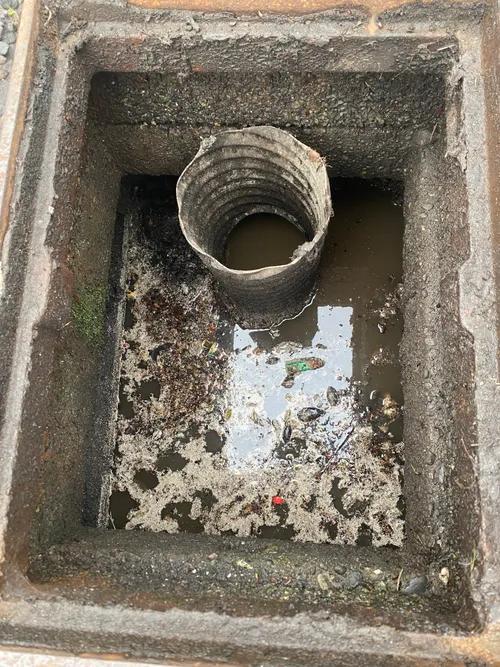
Spark Drain & Sewer is a family-owned business providing drain and sewer services in Tacoma, WA. They offer a wide range of plumbing and sewer solutions including grease trap cleaning, trenchless sewer lining, hydro jetting with camera inspection, septic repair, and underground drainage installation. Their services cover both residential and commercial needs, with capabilities such as hydro excavating and restaurant drain maintenance. Spark Drain & Sewer emphasizes customer convenience and satisfaction in their service delivery.
Seattle Grease Trap Services
107 Cherry St #310, Seattle, WA 98104
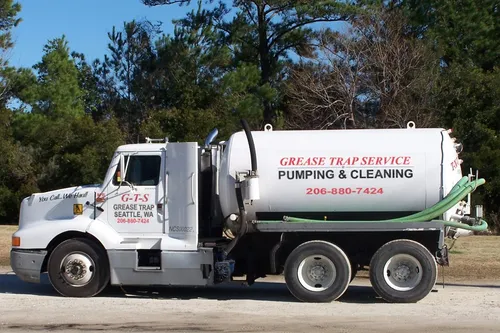
Seattle Grease Trap Services provides comprehensive grease trap and interceptor cleaning, pumping, installation, and repair services in Seattle, WA. Serving commercial kitchens, restaurants, schools, and industrial facilities, they cover Seattle and surrounding areas including King and Pierce Counties. With over 15 years of experience, the company offers licensed and environmentally responsible grease trap maintenance, ensuring compliance with local regulations. Their fleet of pump trucks and trained technicians handle grease trap measurement, pumping, cleaning, and record keeping to support smooth kitchen operations and prevent blockages or fines.
Understanding Tacoma's FOG Regulations
Tacoma's Fats, Oils, and Grease program is a joint effort between the City of Tacoma Environmental Services and the Pierce County Health Department. The rules are in place to prevent sanitary sewer overflows (SSOs), which can cause environmental damage and lead to substantial fines for the city and responsible businesses. The core principle is simple: grease from commercial kitchens must be intercepted before it enters the sewer lines. Compliance hinges on three pillars: proper equipment, regular maintenance by licensed professionals, and meticulous record-keeping.
The regulations distinguish between two main types of interceptors, each with its own maintenance schedule:
- Grease-to-Grease Interceptors (GGI): These are typically large, underground tanks. The minimum required cleaning frequency for GGIs is twice per year.
- Hydromechanical Grease Interceptors (HGI): These are smaller, often under-sink units. HGIs require more frequent attention, with a minimum monthly cleaning mandate 1.
However, these are just minimums. The legal standard requires cleaning whenever 25% of the collection chamber is filled with FOG and solids, or if grease is visible in the outlet tee2 3. For high-volume kitchens, this often means pumping every 1-3 months is necessary to stay compliant and functional 4.
The Mandatory Cleaning Process and Standards
You cannot simply have any waste hauler clean your grease trap in Tacoma. The city requires that all grease interceptor pumping and cleaning be performed by a vendor licensed with the City of Tacoma. Self-cleaning by restaurant staff is explicitly prohibited 5. This ensures that waste is handled and disposed of properly at approved facilities.
A compliant service visit is more than just a pump-out. Licensed providers must adhere to a strict cleaning standard, which includes:
- Removing all liquid waste, FOG, and solids from the interceptor.
- Scraping and cleaning all baffles, walls, and the lid of accumulated grease.
- Inspecting all components for damage or wear.
- Ensuring the interceptor is left empty and fully operational.
After service, the licensed hauler is responsible for reporting the details directly to the city via the OnlineRME (Remote Monitoring and Evaluation) system. They will report whether the interceptor passed inspection and provide details of the service. As the business owner, you must also obtain and keep a detailed service receipt for your records.
Enforcement, Inspections, and Penalties
The Pierce County Health Department conducts regular inspections of food service establishments. During an inspection, officials can review your maintenance records, take samples from your interceptor, and check for any signs of non-compliance or potential overflow.
The consequences for violations are serious. Fines can be levied for missed cleanings, improper maintenance, or failed inspections 6. More critically, if a grease-related blockage causes a backup or sanitary sewer overflow (SSO), you are required to report it immediately. Such events trigger mandatory reporting to the Washington State Department of Ecology and can result in significant penalties from multiple agencies 7. Consistent compliance is the most effective way to avoid these costly and stressful scenarios.
Find the perfect grease trap cleaning companies for your needs
Get personalized recommendations and expert advice
Cost Expectations for Service in Tacoma
While prices can vary based on the size of your interceptor, its location, and your service frequency, restaurant owners in Tacoma should budget for specific cost ranges. For a standard, scheduled cleaning service, you can expect costs to generally fall between $250 and $400+ per service visit 8. Factors that increase cost include larger tank capacity, difficult access, and the need for additional cleaning or minor repairs.
It is crucial to understand that emergency service calls are substantially more expensive. If your interceptor overflows or causes a backup, an emergency pump-out can cost between $800 and $1,200 or more9 10. This stark difference highlights the financial wisdom of adhering to a proactive, preventive maintenance schedule with a licensed provider.
Your Compliance Checklist: Records and Contacts
Maintaining thorough records is a legal requirement and your best defense during an inspection. Your compliance file should include:
- Detailed service reports from your licensed hauler.
- Dates of each cleaning.
- Volume of waste removed.
- The hauler's license information.
- Any corrective actions taken.
Knowing who to contact is also key:
- For installation, sizing, or permitting questions: Contact Tacoma Permits 11.
- To report a grease interceptor backup or overflow: Contact the Pierce County Health Department.
- For general questions about the FOG program: Contact City of Tacoma Environmental Services 12.
By partnering with a licensed Tacoma grease trap cleaning service, maintaining impeccable records, and understanding the local regulations, you can turn this mandatory task into a seamless part of your business operations, protecting both your establishment and the local environment.
Frequently asked questions
Sources
Footnotes
-
Oklahoma City Grease Trap Cleaning: Essential Facilities Maintenance - myshyft.com - https://www.myshyft.com/blog/grease-trap-cleaning-oklahoma-city-oklahoma/ ↩
-
City of Tacoma - https://tacomapermits.org/wp-content/uploads/2019/01/Tacoma-FOG-BMP-Management-Policy-Final-11.6.15.pdf ↩
-
Tacoma-grease-interceptor-policy.pdf - https://cms.cityoftacoma.org/enviro/Wastewater/FOG/Tacoma-grease-interceptor-policy.pdf ↩
-
Grease Interceptor | Pierce County, WA - Official Website - https://www.piercecountywa.gov/8221/Grease-Interceptor ↩
-
Tacoma FOG Regulations - West Coast Renewables - https://wcrenewables.com/tacoma-fog-regulations/ ↩
-
Tacoma enforces restaurant grease-trap policy inconsistently - https://www.thenewstribune.com/entertainment/restaurants/tnt-diner/article294556419.html ↩
-
Tacoma WA restaurant industry angry with grease-trap policy - https://www.thenewstribune.com/entertainment/restaurants/tnt-diner/article288734120.html ↩
-
Grease Trap Cleaning Prices | Guide on the Industry Average - https://grease-cycle.com/grease-trap-pumping-cost/ ↩
-
Ultimate Grease Trap Pumping Cost Guide: Essential Money-Saving ... - https://www.texwaywastewater.com/grease-trap-pumping-cost/ ↩
-
Grease Trap Regulations and Compliance: What You Need to Know - https://www.texwaywastewater.com/grease-trap-regulations-and-compliance/ ↩
-
Restaurants and Food Service - Tacoma Permits - https://www.tacomapermits.org/tip-sheet-index/restaurants-and-food-service ↩
-
Fats, Oils, Green (FOG) Disposal | City of Tacoma - https://tacoma.gov/government/departments/environmental-services/wastewater/fog-fats-oils-and-grease/ ↩