
Find the Best Grease Trap Cleaning Companies for Your Business
No obligation • Fast responses • Nationwide coverage

Why you can trust Restaurant Waste Disposal
Restaurant Waste Disposal is a leading U.S. resource for comparing restaurant composting, food-waste recycling, grease trap cleaning, and used cooking oil collection services. Our editorial team researches providers, checks credentials, and organizes unbiased information so operators can make informed decisions. Companies cannot pay to change ratings or placement.
Search providers near you
Top Grease Trap Cleaning Companies in Spokane, Washington Ranked
For any restaurant, food truck, or commercial kitchen in Spokane, managing fats, oils, and grease (FOG) is a critical operational and legal requirement. Proper grease interceptor maintenance is not just about avoiding clogs and foul odors on your property; it's a mandated part of protecting the city's sewer infrastructure from blockages and costly overflows. Local regulations are specific and strictly enforced, making compliance a top priority for business owners. Understanding the rules, schedules, and best practices for grease control device servicing can help you avoid significant fines and ensure your establishment runs smoothly.
Local codes, including the Spokane Municipal Code (SMC) and Spokane County regulations, clearly outline the responsibilities for food service establishments. This guide provides a detailed overview of what you need to know about grease trap and interceptor cleaning, maintenance, and compliance specifically in the Spokane area.
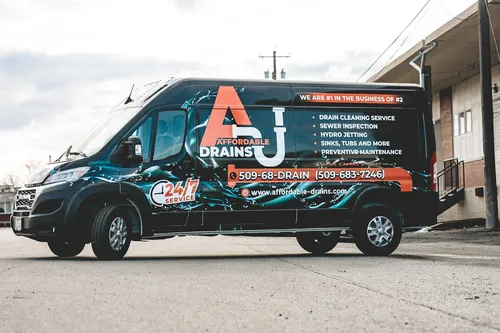
Affordable Drains
2925 E Providence Ave, Spokane, WA 99207
Affordable Drains provides professional drain cleaning and grease trap cleaning services in Spokane, WA. They serve both residential and commercial properties throughout Spokane County and Northern Idaho. Their offerings include drain cleaning for kitchen, bathroom, floor, storm, sewer, and septic lines, with advanced capabilities such as high-pressure hydro jetting and HD video camera inspections to accurately diagnose plumbing issues. Led by Manager Chris Jordan, who has over 15 years of industry experience, Affordable Drains emphasizes affordable, efficient solutions. The company also offers 24/7 emergency service to address drain backups and minimize potential damage at any time.
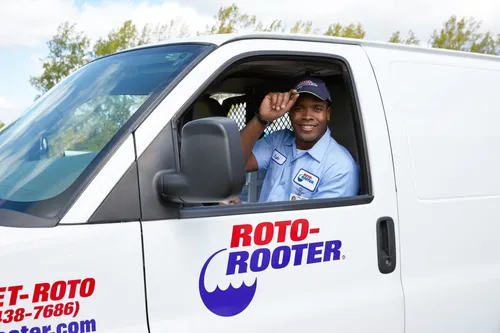
Roto-Rooter Plumbing & Water Cleanup
6214 E Alki Ave, Spokane Valley, WA 99212
Roto-Rooter Plumbing & Water Cleanup provides commercial plumbing and water cleanup services in Spokane, WA. They serve a wide range of facilities including warehouses, manufacturing centers, healthcare facilities, and retail stores. Their services include grease trap cleaning, high-pressure water jetting, sewer and water line excavation, backflow inspection and repair, and water heater installation and repair. The company uses advanced equipment such as drain snakes, rooters, and hydro-jetting to maintain and clear drains and sewers. Roto-Rooter offers 24/7 emergency plumbing services to address urgent plumbing issues promptly. They also provide water softener and filtration system installations to improve water quality. Serving the Spokane Valley metro area and surrounding communities, Roto-Rooter is fully licensed and insured, ready to assist with plumbing needs at any time.
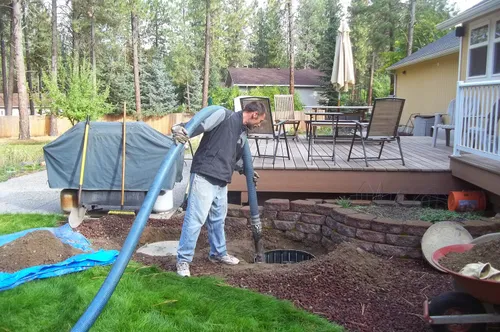
Tri-County Septic And Grease Trap Solutions
3211 S Geiger Blvd, Spokane, WA 99224
Tri-County Septic And Grease Trap Solutions is a family-owned company serving Spokane, WA, and surrounding areas. Since 1993, they have provided residential and commercial septic tank and grease trap services, including pumping, maintenance, and repair. Their team is trained to handle clogs, backups, leaks, and overflows, with expertise in grease trap interceptors and septic system issues. The company offers 24-hour emergency service to address urgent septic and grease trap problems promptly.

Lilac City Septic Services Co
6808 S Linke Rd, Greenacres, WA 99016
Lilac City Septic Services Co is a family-owned business serving Spokane, WA, and the surrounding areas. They provide commercial and residential septic services including septic system design, installation, maintenance, and grease trap cleaning. Their capabilities extend to excavation services for sewer, water lines, and foundations, supported by over 30 years of combined experience. The company operates 24/7 to assist customers whenever needed.
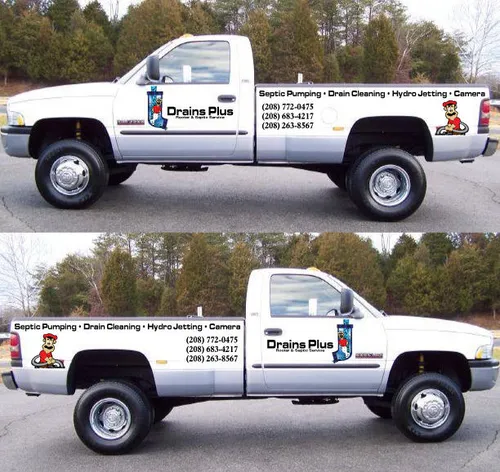
Drains Plus-Septic Service
Spokane, WA
Drains Plus-Septic Service is a family-owned company serving Spokane, WA, and the surrounding North Idaho area since 1996. They offer grease trap cleaning, septic pumping, rooter service, and drain field rejuvenation for both residential and commercial properties. Their services cover Coeur d'Alene, Hayden, Post Falls, Rathdrum, and Sandpoint, ID. The company is fully licensed, bonded, and insured, providing 24/7 emergency service to address clogged drains, full septic tanks, and failing drain fields.
Understanding Spokane's Grease Control Regulations
In Spokane, the operation of a commercial kitchen comes with a non-negotiable requirement: the installation and maintenance of an approved grease control device (GCD). These devices, which include both smaller under-sink grease traps and larger in-ground grease interceptors, are the first line of defense in preventing FOG from entering the public sewer system.
The primary regulatory framework is established in the Spokane Municipal Code Chapter 13.03.0508. This code, along with the Spokane County Sanitary Sewer Code, mandates that all food service establishments must have a properly sized and permitted GCD 1. The sizing of your unit is crucial and is based on factors like kitchen volume, number of meals served, and fixture types, as detailed in local sizing policies 1. Operating without a compliant device or failing to maintain it can lead to enforcement actions from city or county utilities.
Key Legal Requirements for Cleaning
The law sets clear, measurable standards for when and how your grease interceptor must be serviced. Ignorance of these standards is not a defense against violations, so familiarity is essential.
- Mandatory Cleaning Frequency: The SMC requires that grease interceptors be cleaned at least every 90 days 2 3. However, this is a minimum standard. The code also stipulates that cleaning must occur whenever the accumulation of FOG and solids reaches 25% of the liquid depth of the last chamber, whichever comes first 2 4. For high-volume kitchens, this may mean service is needed more frequently than quarterly.
- Proper Cleaning Method: The regulations specify that cleaning must be thorough. The interceptor must be pumped completely dry, and all interior surfaces (walls, baffles, lids) must be scrubbed clean of all grease and solids. A simple pump-out that leaves residue is not compliant.
- Prohibited Practices: The use of chemical additives, emulsifiers, or enzymes designed to dissolve grease and pass it through the trap is explicitly prohibited by Spokane code 5. These products simply move the problem downstream, causing sewer line blockages and violating regulations.
- Documentation is Key: You are required to maintain detailed records of all cleaning and maintenance activities. These logs should include the date, the name of the servicing company, the volume of waste removed, and the disposal method. Keeping these records on-site for inspection is a critical part of compliance.
Inspection Schedules and Enforcement
Your required inspection frequency is not one-size-fits-all; it is typically determined by your kitchen's grease production volume. Establishments with higher output will be on a more frequent inspection schedule set by the Spokane County or City wastewater authorities 6.
Enforcement of these rules is taken seriously. Utilities departments conduct inspections to review maintenance logs and the physical condition of grease interceptors 7. Violations can result in:
- Formal notices of violation.
- Significant monetary fines.
- In severe or repeat cases, the potential for restrictions or disconnection of sewer service 8.
Staying ahead of the schedule with proactive maintenance is the most effective strategy to avoid these penalties.
Cost of Grease Trap Services in Spokane
The cost for professional grease trap pumping and cleaning in Spokane varies based on several factors, including the size and type of your interceptor, its accessibility, and how well it has been maintained.
- Regular Quarterly Pumping: For a standard indoor grease trap, you can expect costs to range from $125 to $400 or more per service 9. Larger, in-ground interceptors will naturally be at the higher end of this scale or above.
- Emergency or One-Time Cleaning: If a trap is severely neglected or causes a backup, emergency service costs can escalate quickly, often ranging from $800 to $1,200 or more due to the additional labor, equipment, and hazard involved 10 11.
- Long-Term Savings: Consistent, quarterly service at a lower regular rate is far more economical than facing an emergency, paying fines for non-compliance, or dealing with the business interruption and repair costs from a sewer backup on your property.
Find the perfect grease trap cleaning companies for your needs
Get personalized recommendations and expert advice
Best Practices for Kitchen FOG Management
Professional cleaning is only one part of an effective FOG control program. Implementing these kitchen-level best practices can significantly reduce grease load, extend time between pump-outs, and improve overall compliance.
- Dry Wiping: Train staff to dry-wipe pots, pans, and dishware with a paper towel to remove excess grease before rinsing or washing.
- Scrape Plates: Use scrapers to remove food solids into the trash or compost bin, not the sink or dishwasher.
- Use Strainers: Install and regularly empty sink strainers to catch food particles.
- Avoid the Garbage Disposal: Do not put grease or fibrous foods (e.g., celery, onion skins) down the garbage disposal.
- Develop a Maintenance Plan: Create a written, customized FOG management plan for your kitchen that includes staff training, daily practices, and a documented schedule for professional servicing 12 13.
Choosing a Licensed Service Provider
When selecting a company for grease interceptor cleaning, due diligence is important. Ensure the provider is:
- Licensed and Insured: They must be licensed to handle and transport grease waste in Washington State.
- Knowledgeable of Local Codes: They should be familiar with the specific requirements of SMC and Spokane County codes.
- Compliant with Disposal Rules: They must dispose of collected FOG at approved facilities, such as rendering plants or wastewater treatment centers.
- Thorough in Documentation: They should provide you with a detailed service report after each cleaning for your records.
By partnering with a reputable provider, you turn a regulatory obligation into a streamlined part of your business operations.
Frequently asked questions
Sources
Footnotes
-
GREASE CONTROL DEVICE SIZING & INSTALLATION POLICY - https://www.spokanecounty.gov/DocumentCenter/View/51088/Grease-Control-Device-GCD-Sizing-and-Installation-Policy ↩ ↩2
-
Spokane Municipal Code - Section 13.03.0508 - https://my.spokanecity.org/smc/?Section=13.03.0508 ↩ ↩2
-
Spokane Municipal Code - Section 13.03.0502: Grease ... - https://my.spokanecity.org/smc/?Section=13.03.0502 ↩
-
GREASE INTERCEPTOR MAINTENANCE - Spokane County - https://www.spokanecounty.gov/DocumentCenter/View/51136/Gravity-Grease-Interceptor-GGI-Maintenance---English?bidId= ↩
-
Grease Trap Compliance: What Washington & Oregon Businesses ... - https://drain-proinc.com/grease-trap-compliance-what-washington-oregon-businesses-need-to-know/ ↩
-
Fats, Oils, and Grease (FOG) Control | Spokane County, WA - https://www.spokanecounty.gov/5250/Fats-Oils-and-Grease-FOG-Control ↩
-
Grease Trap Regulations and Compliance: What You Need to Know - https://www.texwaywastewater.com/grease-trap-regulations-and-compliance/ ↩
-
APPENDIX A: GREASE INTERCEPTOR AND GREASE TRAP SIZING - https://codelibrary.amlegal.com/codes/newburgh/latest/newburgh_in/0-0-0-2311 ↩
-
Grease Trap Cleaning Prices | Guide on the Industry Average - https://grease-cycle.com/grease-trap-pumping-cost/ ↩
-
Ultimate Grease Trap Pumping Cost Guide: Essential Money-Saving ... - https://www.texwaywastewater.com/grease-trap-pumping-cost/ ↩
-
Restaurant Grease Trap & Interceptor Cleaning Cost - https://greasemanagement.org/pricing.html ↩
-
The Ultimate Guide to Restaurant Grease Trap Cleaning - https://mokherplumbing.com/ultimate-guide-restaurant-grease-trap-cleaning/ ↩
-
Grease Trap Inspection - CCPIA - https://ccpia.org/grease-trap-inspection/ ↩