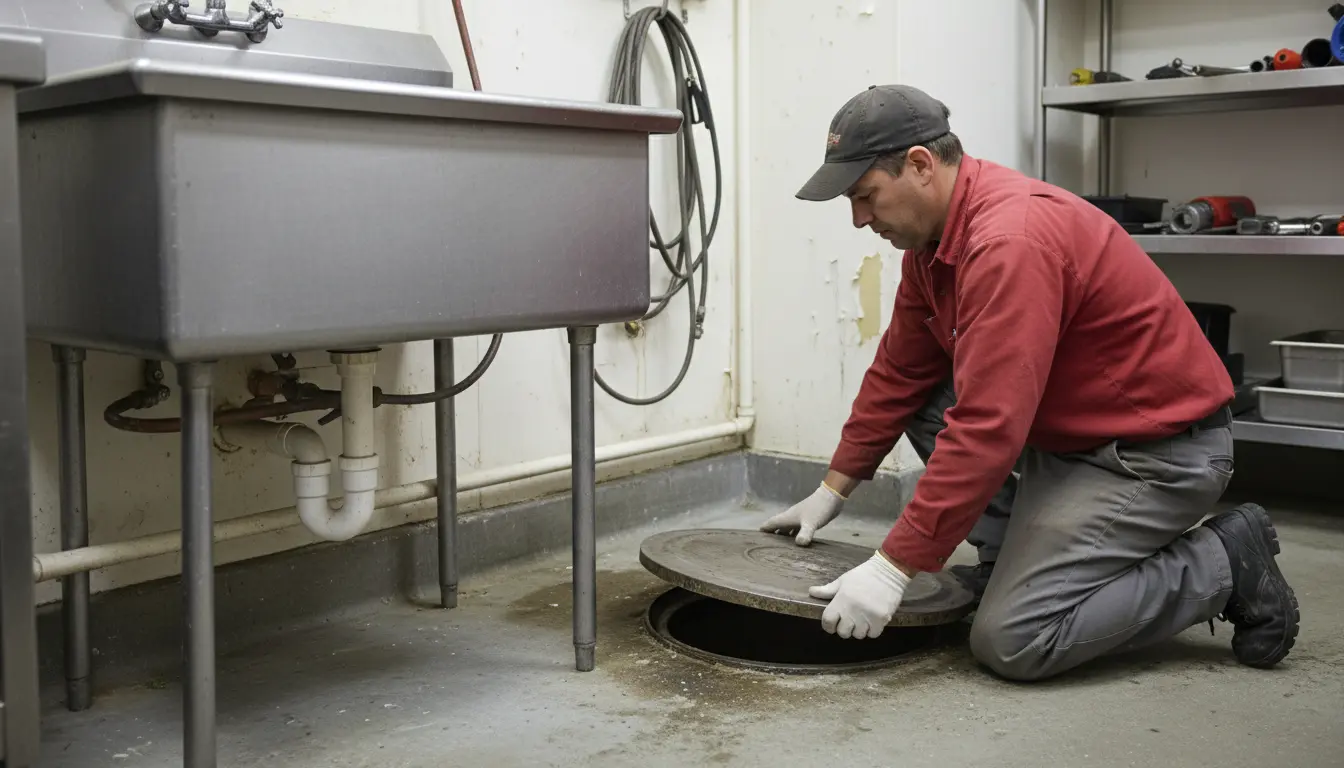
Find the Best Grease Trap Cleaning Companies for Your Business
No obligation • Fast responses • Nationwide coverage

Why you can trust Restaurant Waste Disposal
Restaurant Waste Disposal is a leading U.S. resource for comparing restaurant composting, food-waste recycling, grease trap cleaning, and used cooking oil collection services. Our editorial team researches providers, checks credentials, and organizes unbiased information so operators can make informed decisions. Companies cannot pay to change ratings or placement.
Search providers near you
Top Grease Trap Cleaning Companies in Puyallup, Washington Ranked
For any restaurant, food truck, or commercial kitchen in Puyallup, managing fats, oils, and grease (FOG) is a critical operational and legal responsibility. Proper grease interceptor maintenance is not just about preventing unpleasant backups; it's a key component of environmental compliance and protecting the city's sewer infrastructure. Puyallup has specific municipal codes and county-level requirements that mandate how food service establishments (FSEs) must handle their grease trap cleaning and maintenance. Failure to adhere to these regulations can result in significant fines, emergency cleanup costs, and even potential business interruptions. This guide outlines what Puyallup business owners need to know about staying compliant, the importance of regular service, and how to navigate the local requirements for grease interceptor pumping.
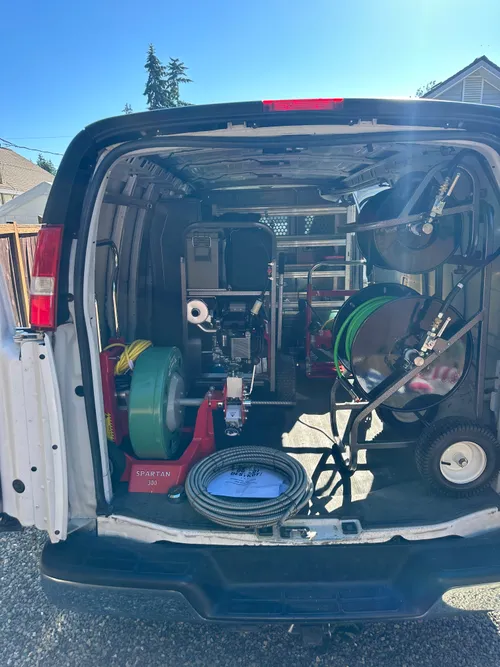
D Street Drain Cleaning
Tacoma, WA
D Street Drain Cleaning provides full-service residential and commercial drain cleaning in Tacoma, WA, including root removal and grease trap cleaning for commercial kitchens. They also offer sewer line inspections with visual camera technology and indoor fixture services such as P trap replacement and garbage disposal installation. Founded to assist customers facing drainage emergencies, the company serves the greater Seattle area with a focus on minimizing water damage caused by heavy rainfall and failing drain systems.
Drain-Pro Inc. - Washington
2511 Inter Ave, Puyallup, WA 98372
Drain-Pro Inc. - Washington provides grease trap cleaning services in Tacoma, WA. The company handles grease trap maintenance and septic tank pumping, demonstrating expertise in emergency service calls, including late-night availability. Customers have noted their ability to explain issues clearly and respond promptly to urgent needs.
Beacon Plumbing, Heating, Electrical & Mechanical Inc - Seattle
515 7th Ave S, Seattle, WA 98104
Beacon Plumbing, Heating, Electrical & Mechanical Inc is a multi-service contractor based in Seattle, WA, providing plumbing, heating, electrical, and mechanical services. Established in 1999, the company serves both residential and commercial clients throughout Seattle and the Puget Sound area. Their services include water, sewer, and pipe repairs, drain clearing, grease trap interceptor cleaning, trenchless technology, and hydro jetting. Beacon Plumbing operates 24/7 to offer immediate assistance when needed and employs licensed technicians who live locally.
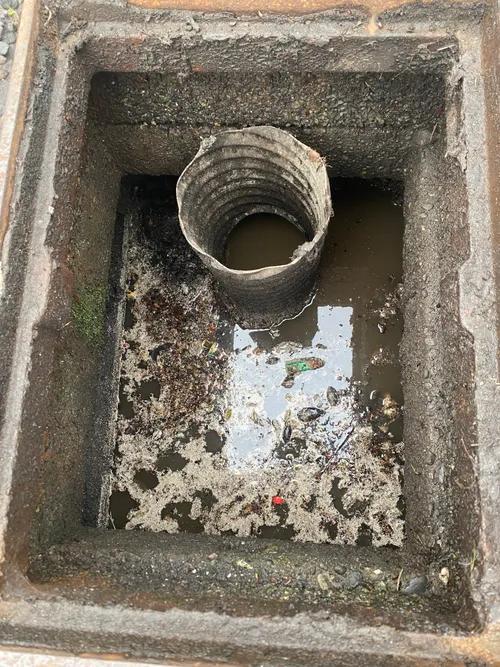
Spark Drain & Sewer
210 37th St SE trlr 141, Auburn, WA 98002
Spark Drain & Sewer is a family-owned business providing drain and sewer services in Tacoma, WA. They offer a wide range of plumbing and sewer solutions including grease trap cleaning, trenchless sewer lining, hydro jetting with camera inspection, septic repair, and underground drainage installation. Their services cover both residential and commercial needs, with capabilities such as hydro excavating and restaurant drain maintenance. Spark Drain & Sewer emphasizes customer convenience and satisfaction in their service delivery.
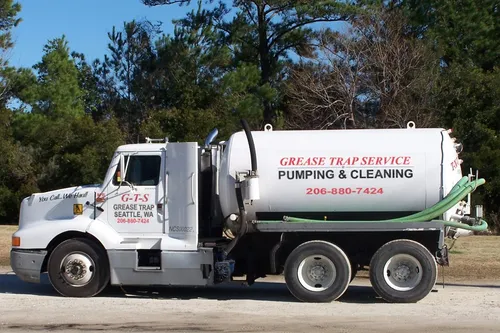
Seattle Grease Trap Services
107 Cherry St #310, Seattle, WA 98104
Seattle Grease Trap Services provides comprehensive grease trap and interceptor cleaning, pumping, installation, and repair services in Seattle, WA. Serving commercial kitchens, restaurants, schools, and industrial facilities, they cover Seattle and surrounding areas including King and Pierce Counties. With over 15 years of experience, the company offers licensed and environmentally responsible grease trap maintenance, ensuring compliance with local regulations. Their fleet of pump trucks and trained technicians handle grease trap measurement, pumping, cleaning, and record keeping to support smooth kitchen operations and prevent blockages or fines.
Understanding Puyallup's Grease Interceptor Regulations
The City of Puyallup enforces grease control through its Municipal Code, specifically under the Pre-Treatment Policy (PMC 14.06.031) 1. The primary goal is to prevent FOG from entering the public sewer system, where it can cool, solidify, and cause major blockages, leading to costly sanitary sewer overflows (SSOs). These regulations apply to all establishments that generate grease-laden wastewater.
Key mandates include:
- Mandatory Installation: All FSEs are required to have a properly sized and approved grease interceptor (GI) or grease trap installed.
- The 25% Rule: The core operational requirement is that interceptors must be pumped out before the combined volume of FOG and settled solids reaches 25% of the liquid depth of the trap 2 3. Waiting longer risks non-compliance and system failure.
- Standard Pumping Frequency: While the 25% rule is the legal standard, for most busy kitchens in Puyallup, this translates to a need for pumping every three months (quarterly). Less busy establishments may have a longer interval, but they must monitor and pump before hitting the 25% threshold 4 5.
Compliance: Record-Keeping and Certified Pumpers
Simply pumping your trap isn't enough for full compliance. Puyallup's enforcement relies on proper documentation and the use of authorized service providers.
Detailed Maintenance Logs: You are required to keep accurate, on-site records of every grease interceptor service. These logs should include the date of service, the name of the servicing company, the volume of grease and solids removed, and the disposal method. These records must be available for inspection by city officials at any time.
Certified Haulers Only: Perhaps the most critical rule is that all grease interceptor waste and used cooking oil must be collected by a hauler certified by the Pierce County Health Department 6. Using an uncertified pumper is a violation of local code. Certified haulers are trained in proper handling and disposal, ensuring the waste is processed at approved facilities and not illegally dumped, which protects the local environment.
Inspection and Enforcement: What to Expect
The City of Puyallup actively monitors FSEs for compliance with these grease control ordinances. Being prepared for an inspection is part of responsible business ownership.
Routine Audits: City inspectors may conduct regular checks of your establishment. They will review your maintenance logs, inspect the physical condition of your grease interceptor, and may take samples of the contents to verify it is being serviced adequately.
Consequences of Non-Compliance: Failing to maintain your grease trap can lead to serious penalties:
- Fines: Monetary penalties for violations can be substantial.
- Emergency Clean-Up Costs: If a clog occurs in the public sewer attributed to your establishment, you can be billed for the city's emergency response and cleanup efforts.
- Operational Disruption: In severe cases, the city can issue orders that disrupt your business operations until the issue is resolved 7.
The Cost of Grease Trap Service in Puyallup
The cost of grease interceptor maintenance is an investment in compliance and smooth operations. Prices vary based on the size of your trap, its accessibility, and the frequency of service.
- Scheduled Quarterly Service: For a standard, regularly scheduled pump-out, businesses can expect to pay in the range of $250 to $400 per service. Some providers may charge $125-$180 for routine servicing of smaller traps.
- One-Time or Emergency Service: A single, non-emergency service call might cost between $190 and $240 8. However, emergency call-outs, especially for a clogged or overflowing trap, can cost significantly more, ranging from $800 to $1,200 or higher due to after-hours rates and the complexity of the cleanup 9.
- The Value of Prevention: The data is clear: consistent, preventative pumping on a quarterly schedule is far more cost-effective than reacting to an emergency. The cost of regular service pales in comparison to potential fines, emergency repair bills, and lost revenue from a forced closure.
Find the perfect grease trap cleaning companies for your needs
Get personalized recommendations and expert advice
Best Practices for Grease Interceptor Management
Beyond just scheduling pump-outs, adopting proactive kitchen practices can extend the life of your interceptor, reduce service frequency, and improve compliance.
Implement Kitchen Best Practices: Train staff to scrape food scraps into compost or trash before washing dishes. Use sink strainers to catch solids. Avoid pouring any fats, oils, or grease down the drain, instead collecting them in containers for proper pickup by your certified hauler 10.
Know Your System: Understand the type and size of your grease interceptor (e.g., gravity grease interceptor vs. automatic grease removal device). Work with your service provider to determine the optimal pumping schedule based on your actual volume of business, not just a calendar reminder.
Maintain a Professional Relationship with Your Pumper: Partner with a reliable, Pierce County-certified grease trap cleaning service. They can provide valuable advice, ensure your paperwork is in order, and help you spot potential issues before they become expensive problems.
Navigating Spills and Environmental Responsibility
Accidents happen, but preparedness is key. Puyallup requires FSEs to be prepared for spills of used cooking oil or grease interceptor waste 11. Have spill containment and cleanup materials readily available. In the event of a significant spill, immediate containment and notification of your hauler and the appropriate authorities is necessary to minimize environmental impact and potential liability.
Staying ahead of grease trap maintenance is a non-negotiable aspect of running a food service business in Puyallup. By understanding the local codes, partnering with a certified professional for regular service, and maintaining impeccable records, you protect your business from financial penalties, contribute to the health of the local sewer system and environment, and ensure your kitchen runs without disruptive plumbing emergencies.
Frequently asked questions
Sources
Footnotes
-
APPENDIX H Pre-Treatment Policy - Puyallup, WA - https://www.cityofpuyallup.org/DocumentCenter/View/84/Appendix-H-Pre-Treatment-Policy-PDF ↩
-
APPENDIX H Pre-Treatment Policy | Puyallup, WA - https://www.puyallupwa.gov/DocumentCenter/View/84/Appendix-H-Pre-Treatment-Policy-PDF ↩
-
Grease Trap Regulations and Compliance: What You Need to Know - https://www.texwaywastewater.com/grease-trap-regulations-and-compliance/ ↩
-
Grease Trap Compliance: What Washington & Oregon Businesses ... - https://drain-proinc.com/grease-trap-compliance-what-washington-oregon-businesses-need-to-know/ ↩
-
How to Clean a Grease Trap (and How Often You Should) - https://greaseconnections.com/how-to-clean-a-grease-trap-and-how-often-you-should/ ↩
-
Oil and Grease (O&G) haulers certification requirements. - https://tpchd.org/wp-content/uploads/2023/12/FOG-Pumper-Certification-Requirements.pdf ↩
-
Washington State Grease Trap Environmental Regulations - https://www.greaseguardianusa.com/2024/06/17/washington-state-grease-trap-environmental-regulations/ ↩
-
Grease Trap Cleaning Prices | Guide on the Industry Average - https://grease-cycle.com/grease-trap-pumping-cost/ ↩
-
Ultimate Grease Trap Pumping Cost Guide: Essential Money-Saving ... - https://www.texwaywastewater.com/grease-trap-pumping-cost/ ↩
-
Grease Traps for Restaurants: The Essential Guide - https://therestaurantwarehouse.com/blogs/restaurant-equipment/grease-trap-for-restaurant-guide ↩
-
GREASE INTERCEPTOR USED COOKING OIL SPILL PREPARATION - https://www.puyallupwa.gov/DocumentCenter/View/778 ↩