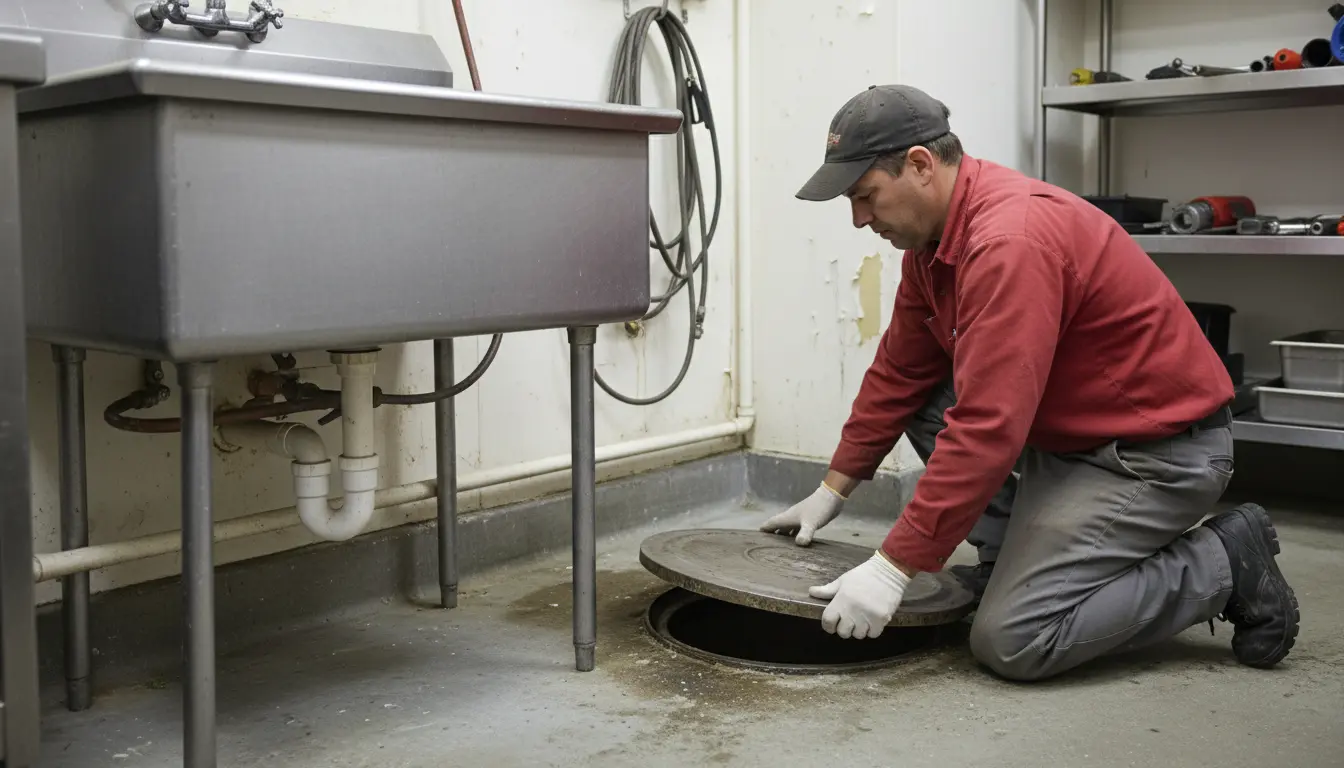
Find the Best Grease Trap Cleaning Companies for Your Business
No obligation • Fast responses • Nationwide coverage

Why you can trust Restaurant Waste Disposal
Restaurant Waste Disposal is a leading U.S. resource for comparing restaurant composting, food-waste recycling, grease trap cleaning, and used cooking oil collection services. Our editorial team researches providers, checks credentials, and organizes unbiased information so operators can make informed decisions. Companies cannot pay to change ratings or placement.
Search providers near you
Top Grease Trap Cleaning Companies in Everett, Washington Ranked
For any restaurant, café, or food service establishment in Everett, managing fats, oils, and grease (FOG) is not just a maintenance task-it's a legal requirement. The City of Everett enforces strict regulations under Ordinance 3071-08 to protect its sewer infrastructure from blockages and overflows, mandating that every food service business install and maintain a properly sized Grease Removal System (GRS). Effective grease trap maintenance and regular interceptor pumping are critical to staying compliant, avoiding significant fines, and ensuring your kitchen operates smoothly. This guide outlines what Everett business owners need to know about local codes, service expectations, and finding a reliable provider for grease trap cleaning.
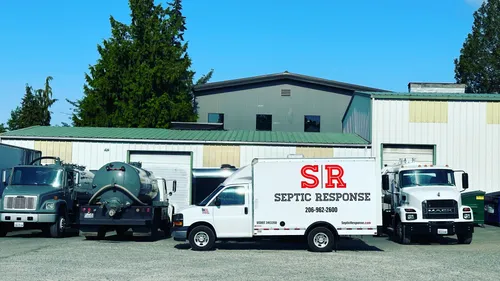
Septic Response
672 7th Ave, Kirkland, WA 98033
Septic Response is a septic service provider based in Seattle, WA, offering a range of services including septic tank pumping, grease trap cleaning, drainfield repair, and system maintenance. They serve King County, Snohomish County, and Pierce County with expertise in both traditional and advanced septic systems. Their services include septic tank inspections, pump replacements, inlet pipe cleaning, and grease trap and sewer lift station maintenance. Septic Response emphasizes preventative maintenance and uses advanced monitoring technologies to ensure system efficiency and environmental compliance. The company is known for providing detailed documentation and educational resources to help homeowners maintain their septic systems effectively.
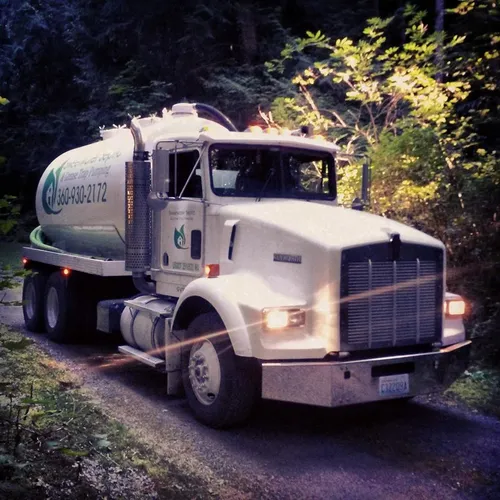
Sweetwater Septic & Grease Trap Pumping
Seattle, WA
Sweetwater Septic & Grease Trap Pumping provides grease trap cleaning services in Seattle, WA. They specialize in maintaining grease traps to ensure proper function and compliance with local regulations.
Beacon Plumbing, Heating, Electrical & Mechanical Inc - Seattle
515 7th Ave S, Seattle, WA 98104
Beacon Plumbing, Heating, Electrical & Mechanical Inc is a multi-service contractor based in Seattle, WA, providing plumbing, heating, electrical, and mechanical services. Established in 1999, the company serves both residential and commercial clients throughout Seattle and the Puget Sound area. Their services include water, sewer, and pipe repairs, drain clearing, grease trap interceptor cleaning, trenchless technology, and hydro jetting. Beacon Plumbing operates 24/7 to offer immediate assistance when needed and employs licensed technicians who live locally.
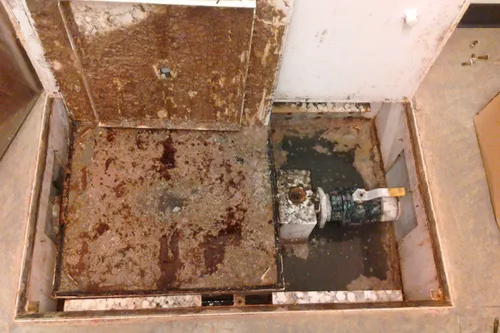
Everett Grease Trap Services
1912 32nd St, Everett, WA 98201
Everett Grease Trap Services is a local company based in Everett, WA, specializing in grease trap pumping, cleaning, installation, and interceptor services for commercial kitchens, restaurants, schools, and industrial facilities. With over 15 years of experience, they serve Everett and nearby areas including Riverside, Bayside, and Everett Junction. The company is equipped with specialized pump trucks and uses advanced equipment to ensure thorough grease trap maintenance and compliance with local health and safety regulations. They also offer 24/7 emergency pumping and cleaning services to minimize disruptions to business operations.
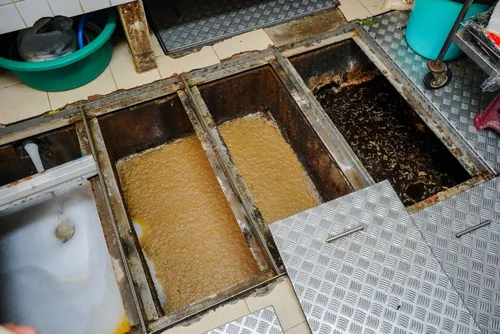
The Grease Group
2822 Old Hartford Rd, Lake Stevens, WA 98258
The Grease Group is a family-owned grease trap cleaning company serving Everett, WA, and surrounding areas including Bellevue, Bothell, and Greater Seattle. Established in 1966, the company offers cleaning and maintenance services for grease interceptors, holding tanks, and grease traps of all sizes. They focus on environmentally responsible disposal and use an automated reminder system to help clients maintain compliance with health codes and prevent backups. The Grease Group is fully licensed, bonded, and insured, with extensive experience servicing food-related businesses.
Understanding Everett's Grease Control Ordinance
Everett's Grease Control Ordinance (#3071-08) forms the backbone of local FOG management policy. Its primary goal is to prevent FOG pollution from entering the Publicly Owned Treatment Works (POTW) and to mitigate combined or sanitary sewer overflows (CSOs/SSOs), which can harm the local environment. The ordinance is comprehensive, covering several key areas:
- Mandatory System: All food service establishments (FSEs) are required to have an approved and functioning grease removal device, which could be a grease trap or a larger grease interceptor1.
- System Sizing and Limits: The city specifies engineering standards for sizing. Notably, the maximum allowable capacity for a single grease interceptor is 4,000 gallons. Establishments requiring greater capacity must install multiple interceptors in series2.
- Prohibited Connections: Certain high-volume fixtures, like commercial dishwashers, are explicitly prohibited from connecting to smaller trap-style interceptors to prevent system overload and failure 3.
- City Surveillance: The city actively monitors FOG dischargers. Inspectors can check your establishment's compliance, which includes reviewing maintenance records and physically inspecting your grease control equipment 4.
Non-compliance isn't taken lightly. Failure to adhere to these regulations can result in enforcement actions, including substantial fines and legal penalties.
The Critical Importance of Regular Maintenance
Simply having a grease interceptor installed isn't enough. Regular, documented maintenance is the cornerstone of compliance and operational efficiency. A neglected trap will quickly fill with solidified grease and solids, leading to slow drains, foul odors, and, ultimately, FOG bypassing the trap and entering the city's sewers.
- Recommended Service Frequency: While the exact schedule depends on your kitchen's volume and type of food preparation, a general industry recommendation for grease trap pumping is every 1 to 3 months 5. High-volume establishments like large restaurants or hotel kitchens may require monthly service.
- The Maintenance Process: Professional cleaning involves pumping out all contents-FOG, water, and solids-from the interceptor. The provider should then thoroughly inspect and clean the interior walls, baffles, and inlet/outlet tees before refilling the trap with clean water.
- Authorized Disposal: It is illegal to dispose of grease waste improperly. Licensed service providers must transport all pumped waste to authorized treatment or recycling facilities, such as rendering plants or anaerobic digesters.
Documentation and Staff Training: Your Best Defense
When an inspector visits, your maintenance records are your first line of defense. Proper documentation demonstrates a good-faith effort to comply with the law.
- Maintain Detailed Logs: Keep a dedicated logbook or digital file for every service visit. Each entry should include the service date, the name of the servicing company, the volume of waste removed (in gallons), the disposal facility used, and the name of the technician. Many professional services provide a detailed report after each cleaning.
- Train Your Kitchen Staff: Compliance starts in the kitchen. Staff should be trained on best practices to minimize FOG entering the drain. This includes scraping plates into trash bins before washing, using sink strainers, and never pouring grease or oil down any drain. A well-trained team can significantly extend the time between necessary pumpings.
What to Expect: Service and Cost Considerations
The cost for grease interceptor maintenance in Everett varies based on several factors: the size and type of your trap (indoor vs. outdoor), its accessibility, how frequently it's serviced, and the volume of waste removed.
- Typical Service Costs: For a standard pumping and cleaning of an indoor grease trap, businesses can expect costs ranging from approximately $175 to $475 or more per service. Some providers may offer a base rate starting around $105 for a basic service that includes reporting6.
- Costs for Larger or Neglected Systems: Larger outdoor interceptors or those that have been heavily neglected will cost more. A severely clogged trap can cost triple the normal rate to clean. For establishments on a monthly service plan, costs can range from $200 to over $800 per month, heavily dependent on the size and output of the kitchen7 8.
- Annual Compliance Cost: When budgeting, consider the annual total. A quarterly service for a typical restaurant could cost between $700 and $1,900 annually, while monthly service for a busy establishment can reach several thousand dollars per year9. While this is an operational expense, it is far less than the potential cost of fines, sewer backup repairs, or damage to your establishment's reputation.
Find the perfect grease trap cleaning companies for your needs
Get personalized recommendations and expert advice
Choosing a Certified FOG Service Provider in Everett
Given the regulatory stakes, selecting the right service partner is crucial. You need a provider who is not only reliable but also deeply familiar with Everett's specific municipal codes.
- Look for Local Expertise: Choose a company that routinely services Everett businesses and is familiar with local inspectors and regulations. They should understand Ordinance 3071-08 inside and out.
- Verify Certification and Insurance: Ensure the provider is licensed to handle and transport grease waste in Washington State and carries adequate insurance.
- Evaluate Their Documentation: A reputable provider will supply you with detailed, professional service reports after every visit. These reports are the documents you will present during an inspection.
- Discuss Proactive Scheduling: The best providers work with you to establish a proactive pumping schedule based on your specific needs, helping you avoid emergencies and stay consistently compliant10 11 12.
Partnering with a knowledgeable local provider transforms grease trap maintenance from a reactive chore into a streamlined component of your business operations. They ensure your system functions correctly, your records are impeccable, and your focus can remain on serving your customers.
Frequently asked questions
Sources
Footnotes
-
city of everett ordinance #3071-08 grease control ordinance 2008 - https://www.everettwa.gov/DocumentCenter/View/15289/3071-08-Grease-Control-Ordinance-PDF ↩
-
14.42.190 Grease removal system sizing - Everett Municipal Code - https://everett.municipal.codes/EMC/14.42.190(E) ↩
-
Permit Services - Everett, WA - https://www.everettwa.gov/DocumentCenter/View/199/Grease--oil-management-PDF ↩
-
Permit Services - Everett, WA - https://www.everettwa.gov/DocumentCenter/View/17434/Oil--grease-control-for-food-services-checklist-PDF ↩
-
Grease Trap Pumping Services| Septic Solutions LLC in WA - https://septicsolutionsllc.com/grease-trap-pumping-services ↩
-
Grease Trap Cleaning Services - NW Biofuel - https://nwbiofuel.com/grease-trap-cleaning/ ↩
-
How Much Does a Proper Grease Trap Cleaning Cost? - https://hulseyenvironmental.com/how-much-does-a-proper-grease-trap-cleaning-partner-cost/ ↩
-
Restaurant Grease Trap & Interceptor Cleaning Cost - https://greasemanagement.org/pricing.html ↩
-
Ultimate Grease Trap Pumping Cost Guide: Essential Money ... - https://www.texwaywastewater.com/grease-trap-pumping-cost/ ↩
-
Grease Trap Compliance: What Washington & Oregon Businesses Need to Know - Drain-Pro Inc. - https://drain-proinc.com/grease-trap-compliance-what-washington-oregon-businesses-need-to-know/ ↩
-
Finding Reliable Grease Trap Service and Cleaning Near Everett - https://thegreasegroup.com/finding-reliable-grease-trap-service-and-cleaning-in-everett/ ↩
-
Washington State Grease Trap Environmental Regulations - https://www.greaseguardianusa.com/2024/06/17/washington-state-grease-trap-environmental-regulations/ ↩