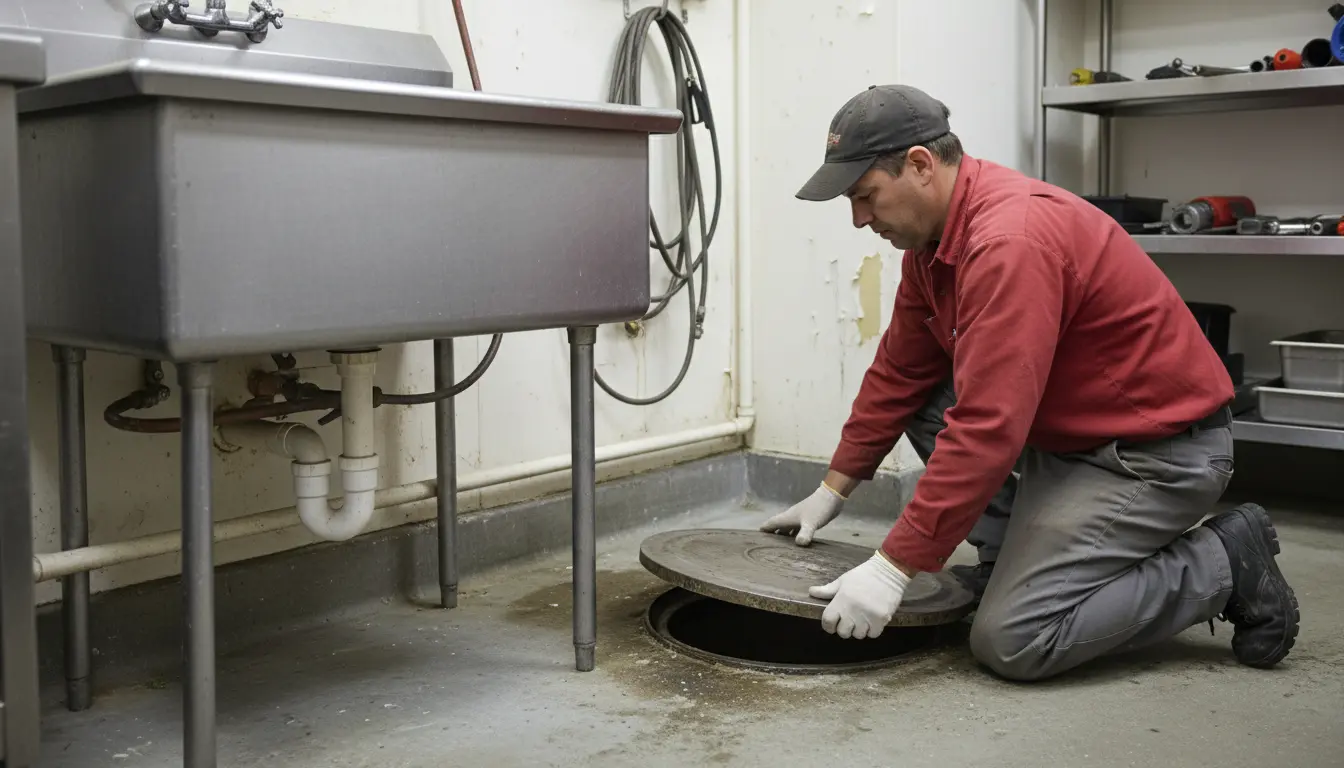
Find the Best Grease Trap Cleaning Companies for Your Business
No obligation • Fast responses • Nationwide coverage

Why you can trust Restaurant Waste Disposal
Restaurant Waste Disposal is a leading U.S. resource for comparing restaurant composting, food-waste recycling, grease trap cleaning, and used cooking oil collection services. Our editorial team researches providers, checks credentials, and organizes unbiased information so operators can make informed decisions. Companies cannot pay to change ratings or placement.
Search providers near you
Top Grease Trap Cleaning Companies in Redmond, Washington Ranked
For any restaurant, café, or food service establishment in Redmond, effective grease interceptor maintenance is a critical operational and legal necessity. Situated in King County, Redmond businesses must adhere to strict Washington State and local regulations designed to prevent fats, oils, and grease (FOG) from entering the public sewer system. Proper grease trap cleaning and pumping is not just about avoiding clogs on your property; it's about protecting the community's wastewater infrastructure and ensuring compliance with health department standards. Neglecting this essential service can lead to severe blockages, unpleasant odors, and significant financial penalties from regulatory bodies. Establishing a consistent, documented maintenance schedule with a professional provider is the cornerstone of responsible restaurant management in the area.
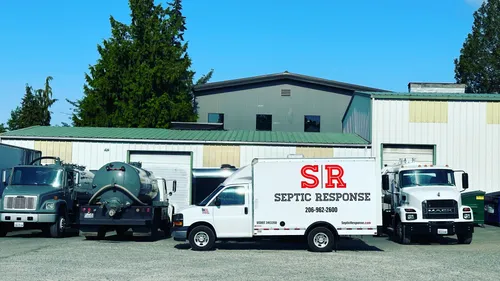
Septic Response
672 7th Ave, Kirkland, WA 98033
Septic Response is a septic service provider based in Seattle, WA, offering a range of services including septic tank pumping, grease trap cleaning, drainfield repair, and system maintenance. They serve King County, Snohomish County, and Pierce County with expertise in both traditional and advanced septic systems. Their services include septic tank inspections, pump replacements, inlet pipe cleaning, and grease trap and sewer lift station maintenance. Septic Response emphasizes preventative maintenance and uses advanced monitoring technologies to ensure system efficiency and environmental compliance. The company is known for providing detailed documentation and educational resources to help homeowners maintain their septic systems effectively.
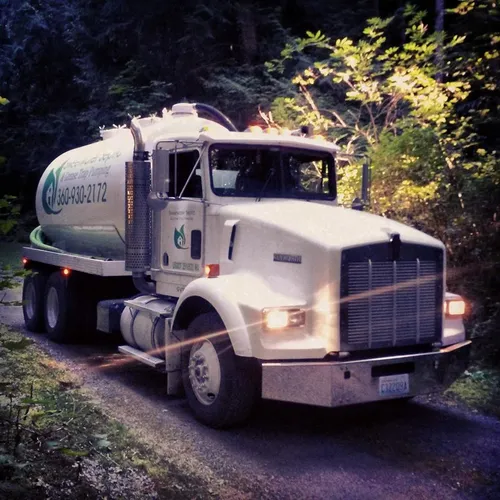
Sweetwater Septic & Grease Trap Pumping
Seattle, WA
Sweetwater Septic & Grease Trap Pumping provides grease trap cleaning services in Seattle, WA. They specialize in maintaining grease traps to ensure proper function and compliance with local regulations.
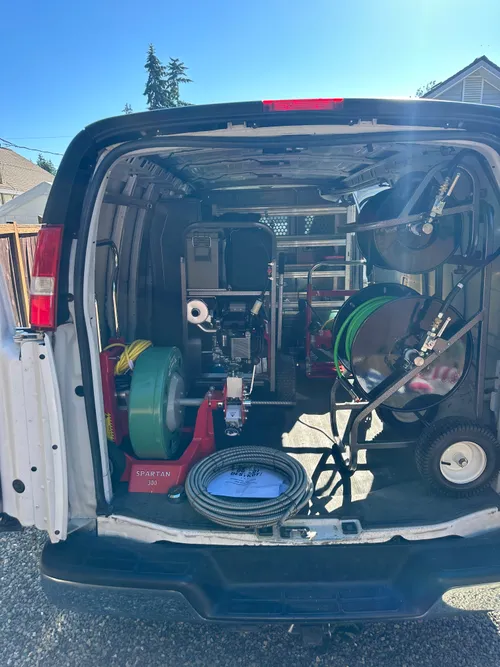
D Street Drain Cleaning
Tacoma, WA
D Street Drain Cleaning provides full-service residential and commercial drain cleaning in Tacoma, WA, including root removal and grease trap cleaning for commercial kitchens. They also offer sewer line inspections with visual camera technology and indoor fixture services such as P trap replacement and garbage disposal installation. Founded to assist customers facing drainage emergencies, the company serves the greater Seattle area with a focus on minimizing water damage caused by heavy rainfall and failing drain systems.

Beacon Plumbing, Heating, Electrical & Mechanical Inc - Seattle
515 7th Ave S, Seattle, WA 98104
Beacon Plumbing, Heating, Electrical & Mechanical Inc is a multi-service contractor based in Seattle, WA, providing plumbing, heating, electrical, and mechanical services. Established in 1999, the company serves both residential and commercial clients throughout Seattle and the Puget Sound area. Their services include water, sewer, and pipe repairs, drain clearing, grease trap interceptor cleaning, trenchless technology, and hydro jetting. Beacon Plumbing operates 24/7 to offer immediate assistance when needed and employs licensed technicians who live locally.
Everett Grease Trap Services
1912 32nd St, Everett, WA 98201
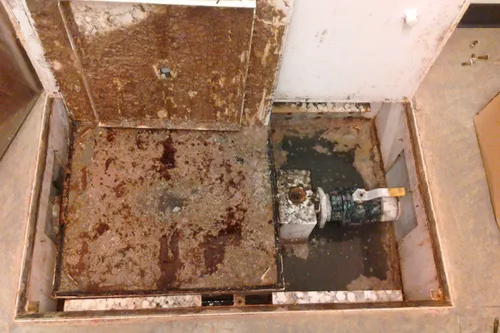
Everett Grease Trap Services is a local company based in Everett, WA, specializing in grease trap pumping, cleaning, installation, and interceptor services for commercial kitchens, restaurants, schools, and industrial facilities. With over 15 years of experience, they serve Everett and nearby areas including Riverside, Bayside, and Everett Junction. The company is equipped with specialized pump trucks and uses advanced equipment to ensure thorough grease trap maintenance and compliance with local health and safety regulations. They also offer 24/7 emergency pumping and cleaning services to minimize disruptions to business operations.
Understanding Local Grease Interceptor Regulations
Redmond food service establishments operate under a framework of regulations set by King County and the Washington State Department of Health (WAC 246-272C) 1. These rules mandate that any business producing grease-laden wastewater must install and properly maintain a grease trap or interceptor. The model often referenced, even for Redmond, comes from Seattle Public Utilities (SPU), which enforces a well-known "25% rule" 2. This standard requires that traps be cleaned when the combined volume of FOG and settled solids reaches 25% of the unit's capacity. Compliance isn't optional; it's enforced through unannounced inspections by county health officials who will request to see detailed service records 3.
Key Compliance Requirements:
- Record Keeping: You are required to maintain cleaning and maintenance records on-site for a minimum of three years. These logs must include dates of service, the name of the service provider, the volume of waste removed, and the disposal location.
- Proper Sizing & Installation: Grease interceptors must be correctly sized according to plumbing codes, typically based on the flow rate and type of fixtures connected. An undersized trap will fail to capture grease effectively and require impractically frequent cleaning 4.
- Staff Training: Front-line compliance involves training kitchen staff on best practices, such as using sink strainers, scraping plates before washing, and never pouring grease down any drain.
The Professional Cleaning and Pumping Process
Routine grease interceptor servicing is a job for trained professionals. The process involves more than just removing liquid; it ensures the entire system functions as designed.
A standard service visit typically includes:
- Pumping: Using a vacuum truck, the technician removes all contents-water, grease, and solid food waste-from the trap or interceptor.
- Scraping & Cleaning: The interior walls, baffles, and partitions are manually scraped to remove hardened grease and solids that pumping alone cannot extract. This step is crucial for maintaining flow and efficiency.
- Inspection: The technician inspects the trap for damage, leaks, or wear on components like gaskets and lids.
- Disposal & Reporting: The collected FOG is transported to an approved facility for rendering or biodiesel production. A detailed service report is provided for your compliance records 5 6.
Find the perfect grease trap cleaning companies for your needs
Get personalized recommendations and expert advice
Determining Your Service Frequency
There is no universal schedule for grease trap pumping. The frequency depends entirely on your establishment's volume of business, menu type, and the size of your interceptor. A high-volume barbecue restaurant will need service far more often than a small coffee shop.
- High-Volume Restaurants: Establishments with significant frying or meat preparation often require monthly pumping 7.
- Average Full-Service Restaurants: A common industry guideline for many sit-down restaurants is service every 30 to 90 days.
- Low-Volume Operations: Some cafes or bakeries may extend to quarterly service, but this must be validated by regular internal checks of FOG accumulation.
The safest approach is to start with a schedule recommended by your service provider based on your specific operation and adjust according to the findings at each service. Waiting for a drain backup or an odor complaint means you've already waited too long and risk non-compliance.
Cost Considerations for Redmond Businesses
The cost of grease trap maintenance is an investment in operational continuity and regulatory compliance. Prices vary based on the type and size of your unit, its location, and its condition.
- Standard Indoor Grease Traps: Routine pumping for a typical under-sink or indoor trap generally ranges from approximately $115 to $475 per service.
- Large Outdoor Grease Interceptors: For larger in-ground concrete interceptors common behind restaurants, expect costs in the range of $325 to $1,040 or more per pumping event 8.
- Neglected or Emergency Service: If a trap is severely overdue for service, the hardened grease and solids require significantly more labor to remove, potentially doubling or tripling the standard cost 9. Some providers offer base-rate services starting around $105, which often include the essential digital reporting you need for inspections 10.
Proactive, regular maintenance is always more cost-effective than emergency cleanouts or paying fines for violations.
Consequences of Non-Compliance
Failing to maintain your grease interceptor has serious repercussions. Health inspectors conduct unannounced visits and will issue violations if you cannot produce up-to-date service records 11 12. Penalties can begin with warnings but escalate to substantial fines; for reference, SPU's penalty structure starts around $500 for initial violations 11 12. Beyond fines, a severely neglected trap can cause sewage backups in your kitchen, leading to costly plumbing repairs, health hazards, and even temporary business closure. Furthermore, FOG that escapes into the public sewers can create massive "fatbergs" that cause environmental damage and for which municipalities may seek restitution from responsible businesses 12 13.
Best Practices for Day-to-Day Management
While professional pumping is essential, daily habits in your kitchen dramatically impact your trap's performance and service interval.
- Install and Use Strainers: Place baskets or strainers in all sink drains to catch food solids.
- Establish a "No Grease" Policy: Never pour cooking oil, gravy, or greasy food scraps down the drain. Collect used fryer oil separately for recycling.
- Pre-Scrape Plates and Cookware: Remove food waste into trash or compost bins before rinsing dishes in the sink.
- Monitor Your Trap: Assign a staff member to visually check the trap's grease level regularly to anticipate service needs before reaching the 25% threshold.
By combining these daily practices with a reliable professional service schedule, you ensure your Redmond food service business runs smoothly, remains in good standing with health authorities, and contributes to the health of the local environment.
Frequently asked questions
Sources
Footnotes
-
WAC 246-272C-0230: - | WA.gov - https://app.leg.wa.gov/WAC/default.aspx?cite=246-272C-0230 ↩
-
Customer Guide to Special Events - https://www.redmond.gov/DocumentCenter/View/8061/Special-Event-Guide-PDF ↩
-
How to Clean a Grease Trap (and How Often You Should) - https://greaseconnections.com/how-to-clean-a-grease-trap-and-how-often-you-should/ ↩
-
General Plumbing Requirements for Food Service Establishments - https://cdn.kingcounty.gov/-/media/king-county/depts/dph/documents/certificates-permits-licenses/food-worker-business-permits/plumbing-requirements-food-establishments.pdf ↩
-
Redmond Grease Trap Cleaning & Pumping - SwiftQuote - https://www.swiftquote.us/plumbing/grease/redmond/ ↩
-
The Ultimate Guide to Restaurant Grease Trap Cleaning - https://mokherplumbing.com/ultimate-guide-restaurant-grease-trap-cleaning/ ↩
-
Grease Trap Pumping Services| Septic Solutions LLC in WA - https://septicsolutionsllc.com/grease-trap-pumping-services ↩
-
Restaurant Grease Trap & Interceptor Cleaning Cost - https://greasemanagement.org/pricing.html ↩
-
Grease Trap Pumping Cost vs. Grease Trap Maintenance Cost - https://www.stateindustrial.com/video/cost-comparison-pumping-v-chemicals-to-maintain-a-grease-trap/ ↩
-
Grease Trap Cleaning Services - NW Biofuel - https://nwbiofuel.com/grease-trap-cleaning/ ↩
-
Seattle Grease Trap Maintenance: Essential Facility Guide - https://www.myshyft.com/blog/grease-trap-cleaning-seattle-washington/ ↩ ↩2
-
Washington State Grease Trap Environmental Regulations - https://www.greaseguardianusa.com/2024/06/17/washington-state-grease-trap-environmental-regulations/ ↩ ↩2 ↩3
-
Grease Trap Regulations and Compliance: What You Need to Know - https://www.texwaywastewater.com/grease-trap-regulations-and-compliance/ ↩