Find the Best Grease Trap Cleaning Companies for Your Business
No obligation • Fast responses • Nationwide coverage

Why you can trust Restaurant Waste Disposal
Restaurant Waste Disposal is a leading U.S. resource for comparing restaurant composting, food-waste recycling, grease trap cleaning, and used cooking oil collection services. Our editorial team researches providers, checks credentials, and organizes unbiased information so operators can make informed decisions. Companies cannot pay to change ratings or placement.
Search providers near you
Top Grease Trap Cleaning Companies in Lakewood, Washington Ranked
For restaurant owners and food service operators in Washington, managing fats, oils, and grease (FOG) is a critical operational and regulatory responsibility. Effective grease trap cleaning and maintenance is not just about avoiding clogs; it's a legal requirement enforced by local health and sewer districts to protect the state's wastewater infrastructure. Compliance involves adhering to specific cleaning frequencies, maintaining detailed records, and understanding the permitting landscape unique to your city or county. This guide outlines the essential practices, regulations, and cost considerations for maintaining a compliant and efficient grease management system in Washington.
D Street Drain Cleaning
Tacoma, WA
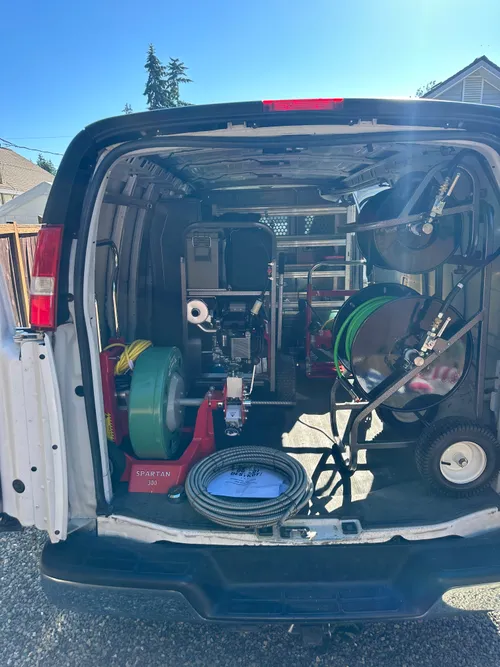
D Street Drain Cleaning provides full-service residential and commercial drain cleaning in Tacoma, WA, including root removal and grease trap cleaning for commercial kitchens. They also offer sewer line inspections with visual camera technology and indoor fixture services such as P trap replacement and garbage disposal installation. Founded to assist customers facing drainage emergencies, the company serves the greater Seattle area with a focus on minimizing water damage caused by heavy rainfall and failing drain systems.
Drain-Pro Inc. - Washington
2511 Inter Ave, Puyallup, WA 98372
Drain-Pro Inc. - Washington provides grease trap cleaning services in Tacoma, WA. The company handles grease trap maintenance and septic tank pumping, demonstrating expertise in emergency service calls, including late-night availability. Customers have noted their ability to explain issues clearly and respond promptly to urgent needs.
Spark Drain & Sewer
210 37th St SE trlr 141, Auburn, WA 98002
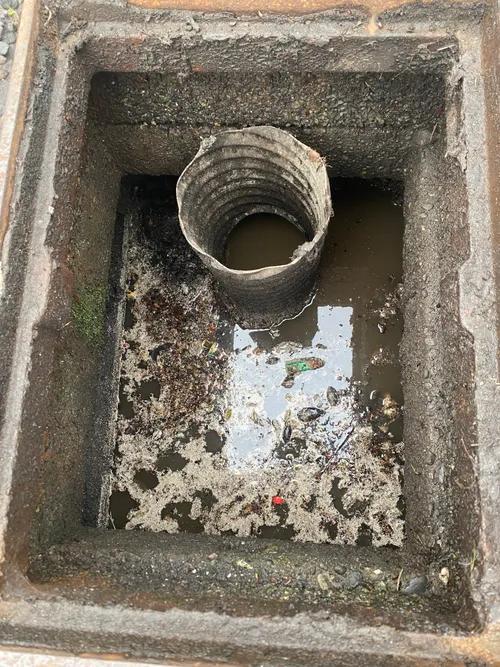
Spark Drain & Sewer is a family-owned business providing drain and sewer services in Tacoma, WA. They offer a wide range of plumbing and sewer solutions including grease trap cleaning, trenchless sewer lining, hydro jetting with camera inspection, septic repair, and underground drainage installation. Their services cover both residential and commercial needs, with capabilities such as hydro excavating and restaurant drain maintenance. Spark Drain & Sewer emphasizes customer convenience and satisfaction in their service delivery.

West Coast Renewables
2211 W Valley Hwy E, Sumner, WA 98390
West Coast Renewables is a grease trap cleaning and used cooking oil collection company based in Puyallup, WA. They serve a wide area across Western Washington, including cities like Seattle, Bellevue, Tacoma, and Olympia. Their services include grease trap pumping, maintenance, repair, and hydro-jetting, which uses high-pressure water to clear clogs and improve system performance. The company emphasizes proactive FOG (fats, oils, and grease) management to help commercial kitchens maintain hygiene and comply with local regulations. West Coast Renewables offers 24/7 emergency services to minimize disruptions for food service businesses.
Baker Commodities Inc
5795 S 130th Pl, Seattle, WA 98178
Baker Commodities Inc is a grease removal and used cooking oil collection company based in Seattle, WA. They serve the Pacific Northwest region, providing restaurant grease pickup, grease trap cleaning, and animal by-product recycling services. Their capabilities include using vacuum pumps and hydrojetters to clean grease traps efficiently, helping to prevent sewer clogs and promote environmental sustainability. The company offers 24-hour emergency rendering and grease collection services to support local food service businesses and protect the community's natural surroundings.
Understanding Washington's Grease Trap Regulations
Grease trap rules in Washington are primarily enforced at the local level. Your specific requirements are dictated by the city or county where your business operates, such as Seattle, Spokane, or Pierce County. These local authorities adopt codes to prevent FOG from entering the public sewer system, which can cause costly blockages and environmental damage 1.
A universal key regulation across the state is the 25% rule. You are required to have your grease interceptor cleaned when the combined volume of fats, oils, grease, and settled solids reaches 25% of the unit's capacity. Many local codes also stipulate that cleaning must occur within 30 days of reaching this level, whichever comes first2 3. Ignoring this rule can lead to severe consequences, including fines that can range from $250 to $5,000 for non-compliance in jurisdictions like Seattle2.
Permitting and Documentation
Before you even begin operations, securing the proper permits is essential. Most food service businesses in Washington need a local Food Business Permit, such as the one required in King County. This process often involves approval of your grease interceptor's design and installation to ensure it meets local standards.
Once operational, meticulous record-keeping is non-negotiable. You are required to maintain a maintenance log for a minimum of three years. This log must be available for inspection and should include:
- Date of each cleaning or service
- Name of the hauler or service company that performed the work
- Volume of waste removed
- Disposal location of the waste
- Any maintenance performed on the unit
- Records of employee training on best management practices
Determining Cleaning Frequency and Best Practices
How often you need to clean your grease trap or interceptor depends largely on your volume of business and menu. For an average restaurant, pumping is typically required every 1 to 3 months 4. High-volume establishments, such as fast-food restaurants or busy diners, may need service as frequently as every 30 to 90 days, which translates to 4 to 12 times per year 5.
What Constitutes a Proper Cleaning?
A thorough cleaning service involves more than just removing liquid. To be effective and compliant, the service should include:
- Pumping Out All Contents: Complete removal of all FOG, wastewater, and settled solids from the interceptor.
- Scraping and Cleaning: Manual scraping of the walls, baffles, and interior pipes to remove hardened grease.
- Inspection: Checking for damage, leaks, or wear on components.
- Refilling: Replenishing the interceptor with clean water to restore proper operation.
Best Management Practices (BMPs)
Proactive in-house practices can significantly extend the time between professional cleanings and improve overall system health:
- Scrape, Don't Rinse: Scrape all food scraps and grease from dishes, pots, and pans into the trash before rinsing.
- Use Strainers: Install and regularly clean sink strainers to catch food solids.
- Recycle Fryer Oil: Contract with a used cooking oil collection service; never pour oil down the drain.
- Train Your Staff: Ensure all kitchen employees understand and follow FOG disposal protocols 6 7.
Find the perfect grease trap cleaning companies for your needs
Get personalized recommendations and expert advice
Cost of Grease Trap Services in Washington
The cost of grease trap maintenance in Washington varies based on the type and size of your unit, your location, and the nature of the service.
- Scheduled Pumping (Preventive Maintenance): For standard indoor or smaller hydromechanical grease traps (HGI), a routine cleaning typically costs between $250 and $400 per service call.
- Outdoor Grease Interceptors: Larger, in-ground grease interceptors (GGI) require more labor and equipment, with costs ranging from $325 to over $1,000 per pumping.
- Emergency Service: Reacting to a clog or overflow is significantly more expensive. Emergency pump-outs and repairs can cost between $800 and $1,200 or more per call, not including potential fines or damage repair8.
Investing in a regular preventive maintenance schedule is one of the smartest financial decisions a restaurant owner can make. By adhering to a planned service interval, you can avoid the high costs of emergencies and potential regulatory fines. Industry estimates suggest that consistent preventive maintenance can save a business $2,000 to $4,000 or more annually compared to dealing with reactive emergencies and system failures9.
Maintaining Compliance and Avoiding Problems
Staying compliant is an ongoing process built on regularity and documentation. Schedule cleanings based on your established usage pattern-don't wait for a problem. Diligently log every service, no matter how minor. Designate a manager to be responsible for the maintenance log and to stay informed about any updates to local municipal codes.
Remember, your local public utility or health district is a resource. Many, like Seattle Public Utilities or Pierce County, provide guidelines, checklists, and even training materials to help businesses comply 10. Proactive communication and a documented maintenance history are your best defenses during an inspection.
Frequently asked questions
Sources
Footnotes
-
HYDROMECHANICAL GREASE INTERCEPTOR (HGI ... - https://www.spokanecounty.gov/DocumentCenter/View/51138/Hydromechanical-Grease-Interceptor-HGI-Maintenance---English?bidId= ↩
-
Fats, Oils, & Grease: Commercial Kitchens - Utilities | seattle.gov - https://www.seattle.gov/utilities/protecting-our-environment/sustainability-tips/fats-oils-and-grease-(fog)/fog-commercial-kitchens ↩ ↩2
-
GREASE TRAP OPERATION AND MAINTENANCE REQUIREMENTS - https://codelibrary.amlegal.com/codes/washingtonut/latest/washington_ut/0-0-0-12180 ↩
-
Seattle Grease Trap Maintenance: Essential Facility Guide - https://www.myshyft.com/blog/grease-trap-cleaning-seattle-washington/ ↩
-
Fats, Oils, Grease (FOG) Pretreatment Requirements | Kennewick, WA - https://www.go2kennewick.com/939/Fats-Oils-Grease-FOG-Pretreatment ↩
-
A Guide to Restaurant Grease Management - https://apps.lhwmp.org/IRAC/eDoc.ashx?DocID=Xb9va1HRGBg%3D ↩
-
Grease Trap Compliance: What Washington & Oregon Businesses Need to Know - Drain-Pro Inc. - https://drain-proinc.com/grease-trap-compliance-what-washington-oregon-businesses-need-to-know/ ↩
-
Ultimate Grease Trap Pumping Cost Guide: Essential Money-Saving ... - https://www.texwaywastewater.com/grease-trap-pumping-cost/ ↩
-
Grease Trap Pumping Cost vs. Grease Trap Maintenance Cost - https://www.stateindustrial.com/video/cost-comparison-pumping-v-chemicals-to-maintain-a-grease-trap/ ↩
-
Grease Interceptor | Pierce County, WA - Official Website - https://www.piercecountywa.gov/8221/Grease-Interceptor ↩