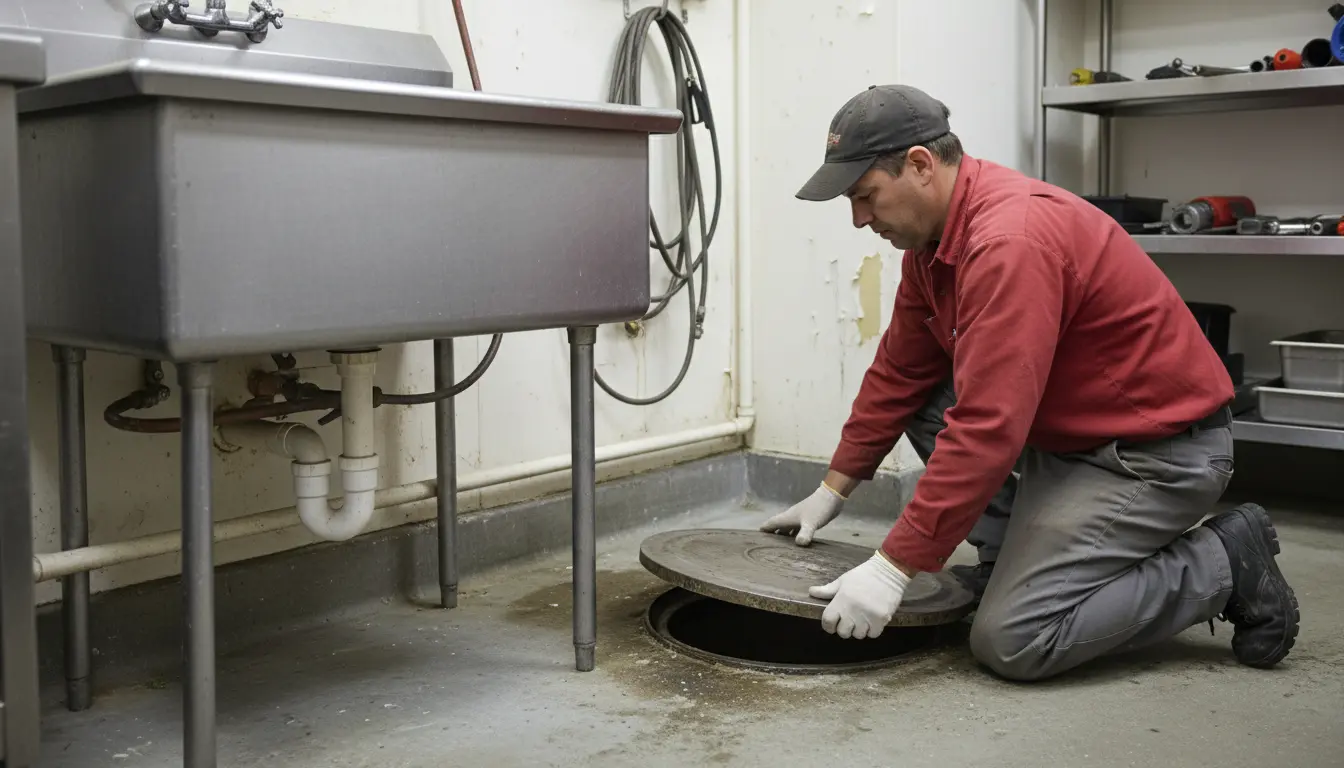
Find the Best Grease Trap Cleaning Companies for Your Business
No obligation • Fast responses • Nationwide coverage

Why you can trust Restaurant Waste Disposal
Restaurant Waste Disposal is a leading U.S. resource for comparing restaurant composting, food-waste recycling, grease trap cleaning, and used cooking oil collection services. Our editorial team researches providers, checks credentials, and organizes unbiased information so operators can make informed decisions. Companies cannot pay to change ratings or placement.
Search providers near you
Top Grease Trap Cleaning Companies in Kent, Washington Ranked
For restaurant owners and food service operators in Kent, managing fats, oils, and grease (FOG) is a critical operational and regulatory responsibility. Proper grease interceptor maintenance is not just about preventing clogs; it's a legal requirement enforced by the City of Kent and King County to protect the local sewer system from blockages and overflows. Compliance involves understanding specific local codes, maintaining detailed service records, and scheduling regular cleanings to avoid significant penalties and costly emergency repairs. This guide outlines the essential steps for grease trap compliance, from permitting and sizing to cleaning schedules and cost considerations, helping Kent businesses operate smoothly and avoid common pitfalls.
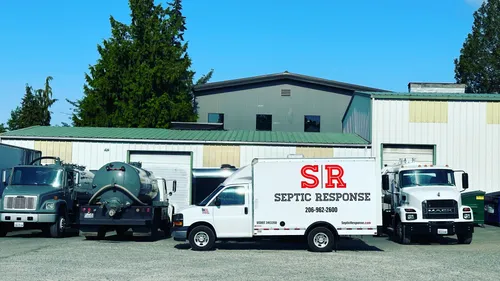
Septic Response
672 7th Ave, Kirkland, WA 98033
Septic Response is a septic service provider based in Seattle, WA, offering a range of services including septic tank pumping, grease trap cleaning, drainfield repair, and system maintenance. They serve King County, Snohomish County, and Pierce County with expertise in both traditional and advanced septic systems. Their services include septic tank inspections, pump replacements, inlet pipe cleaning, and grease trap and sewer lift station maintenance. Septic Response emphasizes preventative maintenance and uses advanced monitoring technologies to ensure system efficiency and environmental compliance. The company is known for providing detailed documentation and educational resources to help homeowners maintain their septic systems effectively.
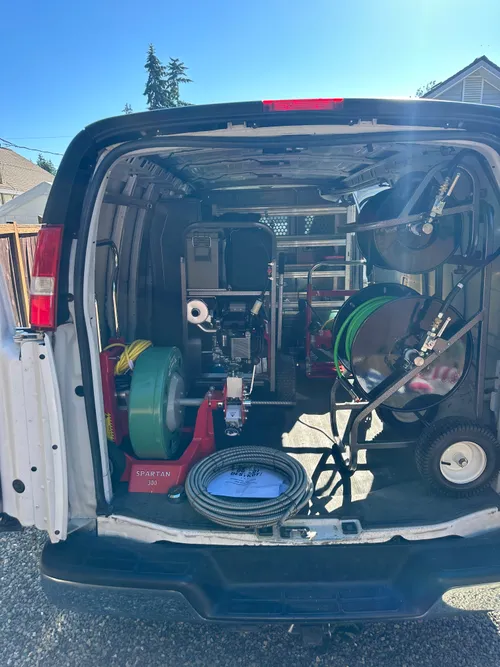
D Street Drain Cleaning
Tacoma, WA
D Street Drain Cleaning provides full-service residential and commercial drain cleaning in Tacoma, WA, including root removal and grease trap cleaning for commercial kitchens. They also offer sewer line inspections with visual camera technology and indoor fixture services such as P trap replacement and garbage disposal installation. Founded to assist customers facing drainage emergencies, the company serves the greater Seattle area with a focus on minimizing water damage caused by heavy rainfall and failing drain systems.
Drain-Pro Inc. - Washington
2511 Inter Ave, Puyallup, WA 98372
Drain-Pro Inc. - Washington provides grease trap cleaning services in Tacoma, WA. The company handles grease trap maintenance and septic tank pumping, demonstrating expertise in emergency service calls, including late-night availability. Customers have noted their ability to explain issues clearly and respond promptly to urgent needs.
Beacon Plumbing, Heating, Electrical & Mechanical Inc - Seattle
515 7th Ave S, Seattle, WA 98104
Beacon Plumbing, Heating, Electrical & Mechanical Inc is a multi-service contractor based in Seattle, WA, providing plumbing, heating, electrical, and mechanical services. Established in 1999, the company serves both residential and commercial clients throughout Seattle and the Puget Sound area. Their services include water, sewer, and pipe repairs, drain clearing, grease trap interceptor cleaning, trenchless technology, and hydro jetting. Beacon Plumbing operates 24/7 to offer immediate assistance when needed and employs licensed technicians who live locally.
Spark Drain & Sewer
210 37th St SE trlr 141, Auburn, WA 98002
Spark Drain & Sewer is a family-owned business providing drain and sewer services in Tacoma, WA. They offer a wide range of plumbing and sewer solutions including grease trap cleaning, trenchless sewer lining, hydro jetting with camera inspection, septic repair, and underground drainage installation. Their services cover both residential and commercial needs, with capabilities such as hydro excavating and restaurant drain maintenance. Spark Drain & Sewer emphasizes customer convenience and satisfaction in their service delivery.
Understanding Local FOG Regulations and Permits
In Kent, grease trap and interceptor management falls under the jurisdiction of the City of Kent's Public Works Department and aligns with King County's plumbing codes. The first step for any new food establishment or during a remodel is obtaining the proper permit. You must secure a plumbing permit from the City of Kent Permit Center before installing or modifying any grease control device. This ensures the installation is reviewed and approved for compliance with all applicable codes.
Sizing and installation are strictly regulated. The size of your grease interceptor is determined by plumbing codes based on factors like the number of fixtures and kitchen volume. Installations must follow the manufacturer's instructions and code requirements, which include proper venting-Air Admittance Valves (AAVs) are not permitted for grease interceptors 1. Adhering to these standards from the start prevents compliance issues and ensures your system functions as designed.
The 25% Rule: When to Schedule Cleaning
The core operational rule for grease interceptors in Kent is often called the "25% rule." City guidelines mandate that traps must be cleaned when the combined volume of fats, oils, grease, sludge, and solids reaches 25% of the liquid volume of the interceptor, or when blockages occur 2 3. Allowing FOG to exceed this limit significantly reduces the device's effectiveness and increases the risk of grease escaping into the public sewer lines.
Waiting until a complete blockage occurs is a violation and can lead to sewage backups in your facility or the public system. Proactive maintenance based on this volume threshold is the standard. Regular monitoring, either by your staff or your service provider, is essential to determine when your specific operation hits this 25% limit, as kitchen output varies widely.
Recommended Cleaning Frequency and Documentation
While the 25% rule is the legal trigger, most Kent restaurants find they need grease interceptor service every 1 to 3 months 4 5. High-volume kitchens, such as those in large restaurants or institutional cafeterias, will likely require monthly service. Lower-volume operations might extend to quarterly cleanings. The only way to know your ideal schedule is to start with frequent service and then, under the guidance of your provider, adjust based on how quickly the trap reaches the 25% threshold.
Documentation is non-negotiable. The City of Kent requires businesses to keep detailed records of all grease interceptor maintenance. This log should include:
- Date of service
- Name of the servicing company
- Volume of grease and solids removed
- Disposal method and destination (e.g., rendering plant, biodiesel facility, landfill)
- Signature of the service technician Having these records readily available is crucial for passing city inspections and demonstrating due diligence.
Cost of Grease Trap Services in Kent
The cost for grease interceptor maintenance in Kent varies based on the size of the trap, its condition, and the service frequency. For a well-maintained trap on a regular service schedule, businesses can expect costs to range from approximately $175 to $475 or more per service visit 6.
Neglect leads to exponentially higher costs. A trap that has not been cleaned regularly will have hardened grease and sludge that requires more labor and time to remove. Emergency service calls for a blocked interceptor can cost between $800 and $1,200 or more 7. Furthermore, severe neglect can damage the interceptor itself, leading to replacement costs that can reach thousands of dollars. Investing in preventative maintenance can lead to substantial savings; some analyses suggest businesses can save $2,000 to $4,000 annually by avoiding emergency repairs and penalties 8.
Local service providers, such as NW Biofuel, offer cleaning services with reporting, with base rates starting around $105, plus costs for waste volume and disposal 9. It's advisable to get quotes from several licensed providers to compare services and costs.
Find the perfect grease trap cleaning companies for your needs
Get personalized recommendations and expert advice
City Inspections and Enforcement of Violations
The City of Kent conducts inspections to verify proper grease interceptor installation and ongoing compliance. During an inspection, an official will check the physical condition of your interceptor and review your maintenance documentation log. Failure to produce records is itself a violation.
Enforcement actions for non-compliance can be severe. The city may issue fines, mandate the installation of more advanced (and expensive) pretreatment equipment, increase the frequency of inspections, or even suspend your operating permits until violations are corrected 10. These penalties are designed to protect the municipal sewer infrastructure, but they also create significant operational and financial headaches for business owners. Consistent, documented maintenance is the most effective strategy to avoid enforcement actions.
Benefits of Proper Grease Management
Beyond mere compliance, effective FOG management offers tangible benefits for your Kent business. It prevents foul odors and pest infestations that can arise from overfull traps. It protects your own plumbing from costly blockages and backups within your facility. Most importantly, it contributes to the community's environmental health by preventing sewer spills that can contaminate local waterways, including the Green River.
Many service providers now recycle collected grease and used cooking oil into biodiesel, a renewable fuel. Partnering with a company that offers this service allows your business to contribute to a circular economy, turning a waste product into a valuable resource. This sustainable practice can also be a positive point in your business's community and environmental profile.
Choosing a Service Provider in Kent
When selecting a company for grease interceptor cleaning, look for providers experienced with King County and City of Kent regulations. Key questions to ask include:
- Are you licensed and insured to perform this work in Kent?
- Do you provide detailed service reports that meet city documentation requirements?
- Where is the collected FOG taken for proper disposal or recycling?
- Can you help us determine the optimal service frequency?
- Do you offer emergency services?
A reliable provider acts as a partner, not just a vendor, helping you navigate regulations and avoid compliance missteps. They should be proactive in communicating when your trap is nearing its capacity and flexible in scheduling to meet your operational needs.
Frequently asked questions
Sources
Footnotes
-
plumbing-requirements-food-establishments.pdf - King County - https://cdn.kingcounty.gov/-/media/king-county/depts/dph/documents/certificates-permits-licenses/food-worker-business-permits/plumbing-requirements-food-establishments.pdf ↩
-
Fats, Oils, and Grease (F.O.G.) | City of Kent - https://www.kentwa.gov/guides/fats-oils-and-grease-f-o-g ↩
-
How to Clean a Grease Trap (and How Often You Should) - https://greaseconnections.com/how-to-clean-a-grease-trap-and-how-often-you-should/ ↩
-
Grease Trap Compliance: What Washington & Oregon Businesses Need to Know - Drain-Pro Inc. - https://drain-proinc.com/grease-trap-compliance-what-washington-oregon-businesses-need-to-know/ ↩
-
The Ultimate Guide to Restaurant Grease Trap Cleaning - https://mokherplumbing.com/ultimate-guide-restaurant-grease-trap-cleaning/ ↩
-
How Much Does a Proper Grease Trap Cleaning Cost? - https://hulseyenvironmental.com/how-much-does-a-proper-grease-trap-cleaning-partner-cost/ ↩
-
Washington State Grease Trap Environmental Regulations - https://www.greaseguardianusa.com/2024/06/17/washington-state-grease-trap-environmental-regulations/ ↩
-
Ultimate Grease Trap Pumping Cost Guide: Essential Money-Saving ... - https://www.texwaywastewater.com/grease-trap-pumping-cost/ ↩
-
Grease Trap Cleaning Services - NW Biofuel - https://nwbiofuel.com/grease-trap-cleaning/ ↩
-
Seattle Grease Trap Maintenance: Essential Facility Guide - https://www.myshyft.com/blog/grease-trap-cleaning-seattle-washington/ ↩