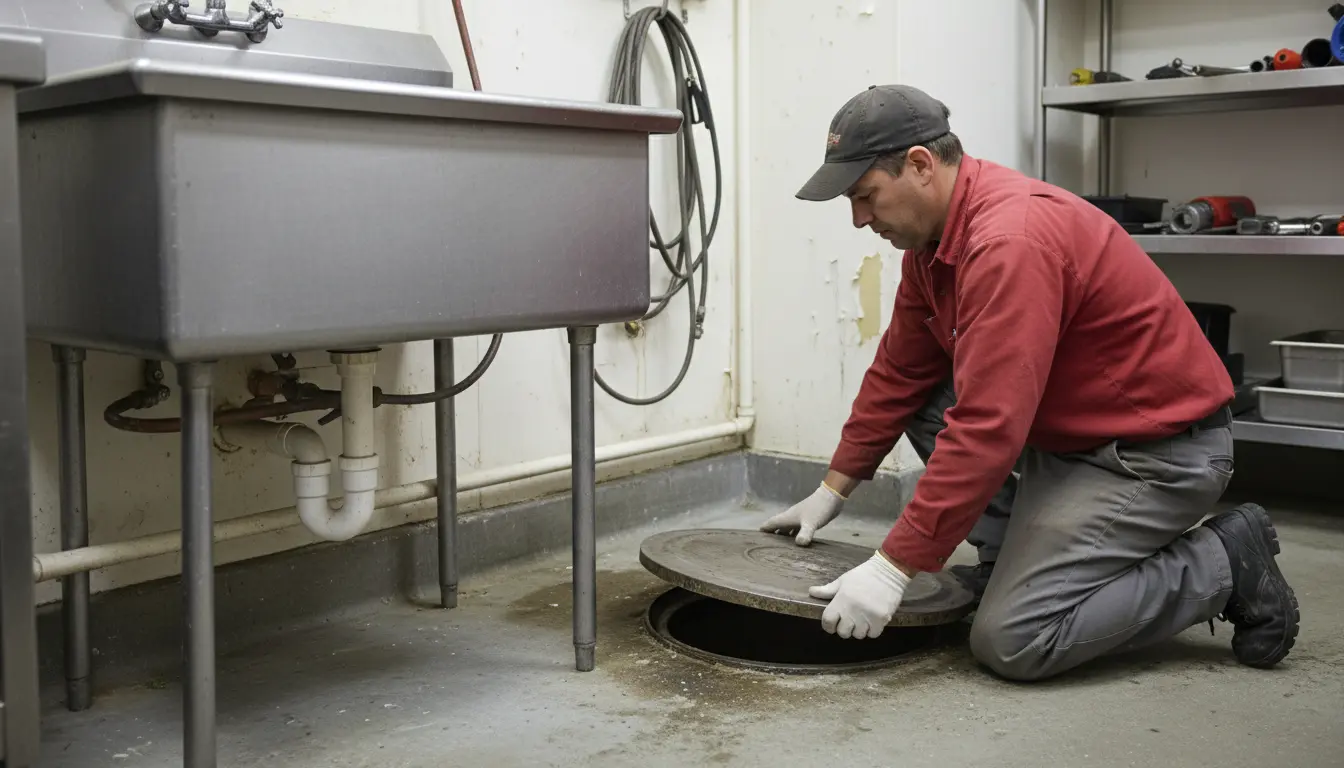
Find the Best Grease Trap Cleaning Companies for Your Business
No obligation • Fast responses • Nationwide coverage

Why you can trust Restaurant Waste Disposal
Restaurant Waste Disposal is a leading U.S. resource for comparing restaurant composting, food-waste recycling, grease trap cleaning, and used cooking oil collection services. Our editorial team researches providers, checks credentials, and organizes unbiased information so operators can make informed decisions. Companies cannot pay to change ratings or placement.
Search providers near you
Top Grease Trap Cleaning Companies in Burien, Washington Ranked
For any restaurant, deli, coffee shop, or food service establishment in Burien, maintaining your grease interceptor isn't just a chore-it's a critical legal and operational requirement. Adherence to strict King County and City of Seattle codes is mandatory to protect the local sewer system from harmful fats, oils, and grease (FOG) and to keep your business running smoothly. Proper grease trap maintenance involves scheduled pump-outs, meticulous record-keeping, and understanding the specific local regulations that govern everything from sizing and installation to inspection protocols. Neglecting this essential service can lead to severe consequences, including hefty fines, increased scrutiny from health inspectors, and even the suspension of your operating permits.
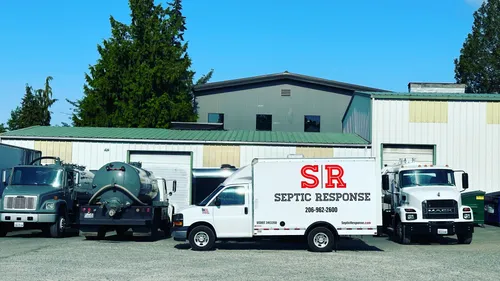
Septic Response
672 7th Ave, Kirkland, WA 98033
Septic Response is a septic service provider based in Seattle, WA, offering a range of services including septic tank pumping, grease trap cleaning, drainfield repair, and system maintenance. They serve King County, Snohomish County, and Pierce County with expertise in both traditional and advanced septic systems. Their services include septic tank inspections, pump replacements, inlet pipe cleaning, and grease trap and sewer lift station maintenance. Septic Response emphasizes preventative maintenance and uses advanced monitoring technologies to ensure system efficiency and environmental compliance. The company is known for providing detailed documentation and educational resources to help homeowners maintain their septic systems effectively.
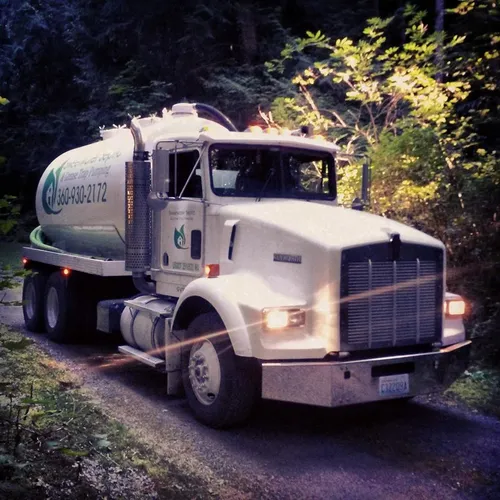
Sweetwater Septic & Grease Trap Pumping
Seattle, WA
Sweetwater Septic & Grease Trap Pumping provides grease trap cleaning services in Seattle, WA. They specialize in maintaining grease traps to ensure proper function and compliance with local regulations.
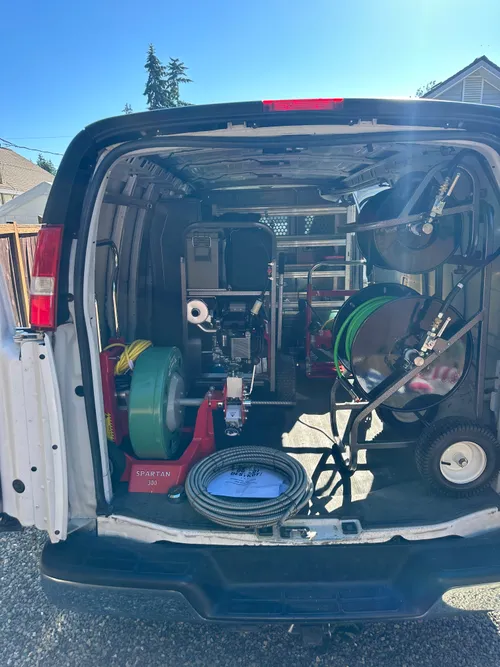
D Street Drain Cleaning
Tacoma, WA
D Street Drain Cleaning provides full-service residential and commercial drain cleaning in Tacoma, WA, including root removal and grease trap cleaning for commercial kitchens. They also offer sewer line inspections with visual camera technology and indoor fixture services such as P trap replacement and garbage disposal installation. Founded to assist customers facing drainage emergencies, the company serves the greater Seattle area with a focus on minimizing water damage caused by heavy rainfall and failing drain systems.
Drain-Pro Inc. - Washington
2511 Inter Ave, Puyallup, WA 98372
Drain-Pro Inc. - Washington provides grease trap cleaning services in Tacoma, WA. The company handles grease trap maintenance and septic tank pumping, demonstrating expertise in emergency service calls, including late-night availability. Customers have noted their ability to explain issues clearly and respond promptly to urgent needs.

Beacon Plumbing, Heating, Electrical & Mechanical Inc - Seattle
515 7th Ave S, Seattle, WA 98104
Beacon Plumbing, Heating, Electrical & Mechanical Inc is a multi-service contractor based in Seattle, WA, providing plumbing, heating, electrical, and mechanical services. Established in 1999, the company serves both residential and commercial clients throughout Seattle and the Puget Sound area. Their services include water, sewer, and pipe repairs, drain clearing, grease trap interceptor cleaning, trenchless technology, and hydro jetting. Beacon Plumbing operates 24/7 to offer immediate assistance when needed and employs licensed technicians who live locally.
Understanding Local Grease Interceptor Regulations
Burien businesses must comply with the plumbing and wastewater regulations enforced by King County Public Health and the City of Seattle's utilities department. These rules are designed to prevent sewer blockages and environmental damage. The cornerstone of compliance is the proper installation and maintenance of a grease interceptor (often called a grease trap) for any fixture that produces FOG, including kitchen sinks, dishwashers, and prep sinks.
Key regulatory requirements include:
- Mandatory Installation: All food service establishments are required to have a properly sized interceptor 1.
- Sizing Standards: Interceptors must be sized according to plumbing codes based on the flow rate of connected fixtures and the type of establishment.
- Flow Control & Venting: Devices must have proper flow control mechanisms and be vented to the outside; the use of Air Admittance Valves (AAVs) is typically not allowed.
- The 25% Rule: The primary maintenance standard requires that interceptors be cleaned and pumped out before the combined FOG and solids accumulate to 25% of the unit's capacity 2 3.
The True Cost of Compliance: Scheduled vs. Emergency Service
Budgeting for grease interceptor maintenance is a predictable cost of doing business, while neglecting it leads to unpredictable and significantly higher expenses. For a standard, scheduled pump-out of an indoor interceptor in the Burien area, businesses can expect to pay between $250 and $400+ per service 4. This is a preventative investment that keeps your system functioning and your records in order.
In contrast, emergency service is a different financial reality. If an interceptor overflows, causes a backup, or is found in violation during a surprise inspection, the cost for an emergency pump-out can skyrocket to $800 - $1,200 or more5. This stark price difference highlights the importance of a proactive maintenance schedule.
Health Inspections and Documentation: Your Paper Trail is Paramount
King County health inspectors don't just look at the physical condition of your grease interceptor during routine inspections; they scrutinize your documentation. Maintaining detailed service records is not a suggestion-it's a requirement for proving compliance 6.
Inspectors will check for:
- Service Logs/Invoices: Keep every invoice from your pumping service. These documents should include the date, company name, the volume of waste removed, and the disposal method.
- Physical Inspection Points: Inspectors will examine the interceptor's baffles for excessive buildup, check for proper accessibility and venting, and ensure there are no leaks or blockages.
- Proof of Frequency: Your records must demonstrate that pumping occurs as often as needed to prevent FOG accumulation beyond the 25% threshold, which for many busy Burien restaurants is monthly or quarterly 7.
Failure to provide this documentation can result in violations, fines ranging from $250 to over $5,000, and a mandate to install more advanced (and costly) pretreatment equipment 8 9.
Find the perfect grease trap cleaning companies for your needs
Get personalized recommendations and expert advice
Best Practices for Burien Food Service Operators
Beyond simply scheduling cleanings, adopting a comprehensive FOG management program will save money and minimize risk.
- Staff Training: Educate kitchen staff to scrape food scraps into compost or trash before washing and to avoid pouring any oils or grease down the drain.
- Preventative Scheduling: Don't wait for a problem. Work with your service provider to establish a preventative maintenance schedule based on your volume of business. A consistent quarterly or monthly plan is most common.
- Use Certified Haulers: Ensure your service provider is licensed and disposes of grease trap waste at approved facilities. Using an unlicensed hauler can still leave you liable.
- Know Your System: Understand the location, size, and capacity of your interceptor. Ensure it is always easily accessible for both your staff and service technicians.
- Direct Communication: For the most precise interpretation of codes applicable to your specific business, contact the King County Public Health Department or the City of Burien's Public Works/Wastewater Department 10.
Consequences of Non-Compliance
Ignoring grease interceptor maintenance is a high-stakes gamble. The consequences extend far beyond a single fine. Persistent non-compliance can trigger a cascade of problems:
- Escalating Fines: Initial violations come with fines, but repeat offenses lead to higher penalties.
- Operational Disruption: Health inspectors can mandate immediate correction, shutting down kitchen operations until a pump-out is completed.
- Permit Jeopardy: Your food establishment permit can be suspended or revoked for chronic violations.
- Infrastructure Damage: Severe FOG discharges can clog not only your own plumbing but also the public sewer mains, potentially leading to backups in your establishment or neighboring properties. In such cases, your business may be held financially responsible for cleanup and repairs.
Proactive, documented maintenance is the only reliable way to avoid these costly and disruptive scenarios.
Frequently asked questions
Sources
Footnotes
-
APPENDIX A Grease Trap and Interceptor Requirements Definitions - https://fcwsd.org/documents/728/Appendix_A_Grease_Trap_Requirements.pdf ↩
-
Fats, Oils, & Grease: Commercial Kitchens - Utilities | seattle.gov - https://www.seattle.gov/utilities/protecting-our-environment/sustainability-tips/fats-oils-and-grease-(fog)/fog-commercial-kitchens ↩
-
Grease Trap Inspection - CCPIA - https://ccpia.org/grease-trap-inspection/ ↩
-
How Much Does a Proper Grease Trap Cleaning Cost? - https://hulseyenvironmental.com/how-much-does-a-proper-grease-trap-cleaning-partner-cost/ ↩
-
Ultimate Grease Trap Pumping Cost Guide: Essential Money-Saving ... - https://www.texwaywastewater.com/grease-trap-pumping-cost/ ↩
-
Washington State Grease Trap Environmental Regulations - https://www.greaseguardianusa.com/2024/06/17/washington-state-grease-trap-environmental-regulations/ ↩
-
How to Clean a Grease Trap (and How Often You Should) - https://greaseconnections.com/how-to-clean-a-grease-trap-and-how-often-you-should/ ↩
-
Grease Trap Compliance: What Washington & Oregon Businesses Need to Know - Drain-Pro Inc. - https://drain-proinc.com/grease-trap-compliance-what-washington-oregon-businesses-need-to-know/ ↩
-
Seattle Grease Trap Maintenance: Essential Facility Guide - https://www.myshyft.com/blog/grease-trap-cleaning-seattle-washington/ ↩
-
plumbing-requirements-food-establishments.pdf - King County - https://cdn.kingcounty.gov/-/media/king-county/depts/dph/documents/certificates-permits-licenses/food-worker-business-permits/plumbing-requirements-food-establishments.pdf ↩