
Find the Best Grease Trap Cleaning Companies for Your Business
No obligation • Fast responses • Nationwide coverage

Why you can trust Restaurant Waste Disposal
Restaurant Waste Disposal is a leading U.S. resource for comparing restaurant composting, food-waste recycling, grease trap cleaning, and used cooking oil collection services. Our editorial team researches providers, checks credentials, and organizes unbiased information so operators can make informed decisions. Companies cannot pay to change ratings or placement.
Search providers near you
Top Grease Trap Cleaning Companies in Bellevue, Washington Ranked
For any restaurant, café, or food service establishment in Bellevue, managing fats, oils, and grease (FOG) is not just a matter of kitchen efficiency-it's a strict regulatory requirement. The City of Bellevue and King County enforce clear codes mandating the installation and maintenance of grease interceptors to protect the municipal sewer system from blockages and overflows. Proactive grease trap maintenance is the cornerstone of compliance, helping local businesses avoid costly emergency cleanups, significant fines, and potential operational disruptions. Understanding the specific local rules, inspection criteria, and best practices for grease interceptor service is essential for seamless and cost-effective operations in Bellevue's vibrant food scene.
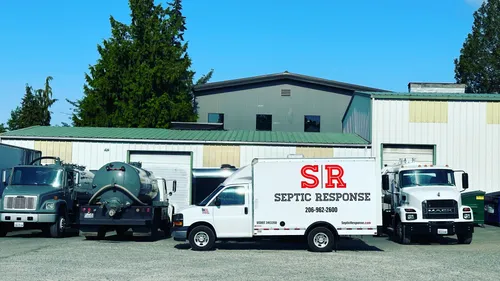
Septic Response
672 7th Ave, Kirkland, WA 98033
Septic Response is a septic service provider based in Seattle, WA, offering a range of services including septic tank pumping, grease trap cleaning, drainfield repair, and system maintenance. They serve King County, Snohomish County, and Pierce County with expertise in both traditional and advanced septic systems. Their services include septic tank inspections, pump replacements, inlet pipe cleaning, and grease trap and sewer lift station maintenance. Septic Response emphasizes preventative maintenance and uses advanced monitoring technologies to ensure system efficiency and environmental compliance. The company is known for providing detailed documentation and educational resources to help homeowners maintain their septic systems effectively.
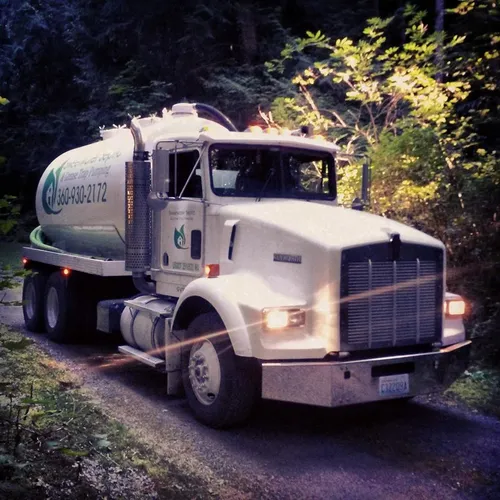
Sweetwater Septic & Grease Trap Pumping
Seattle, WA
Sweetwater Septic & Grease Trap Pumping provides grease trap cleaning services in Seattle, WA. They specialize in maintaining grease traps to ensure proper function and compliance with local regulations.
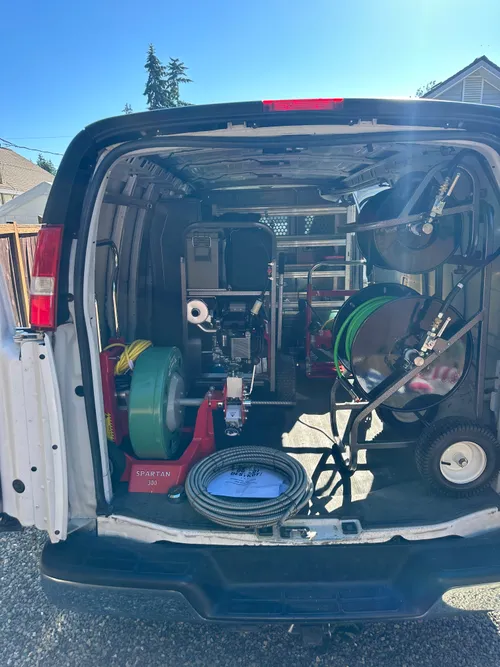
D Street Drain Cleaning
Tacoma, WA
D Street Drain Cleaning provides full-service residential and commercial drain cleaning in Tacoma, WA, including root removal and grease trap cleaning for commercial kitchens. They also offer sewer line inspections with visual camera technology and indoor fixture services such as P trap replacement and garbage disposal installation. Founded to assist customers facing drainage emergencies, the company serves the greater Seattle area with a focus on minimizing water damage caused by heavy rainfall and failing drain systems.
Drain-Pro Inc. - Washington
2511 Inter Ave, Puyallup, WA 98372
Drain-Pro Inc. - Washington provides grease trap cleaning services in Tacoma, WA. The company handles grease trap maintenance and septic tank pumping, demonstrating expertise in emergency service calls, including late-night availability. Customers have noted their ability to explain issues clearly and respond promptly to urgent needs.

Beacon Plumbing, Heating, Electrical & Mechanical Inc - Seattle
515 7th Ave S, Seattle, WA 98104
Beacon Plumbing, Heating, Electrical & Mechanical Inc is a multi-service contractor based in Seattle, WA, providing plumbing, heating, electrical, and mechanical services. Established in 1999, the company serves both residential and commercial clients throughout Seattle and the Puget Sound area. Their services include water, sewer, and pipe repairs, drain clearing, grease trap interceptor cleaning, trenchless technology, and hydro jetting. Beacon Plumbing operates 24/7 to offer immediate assistance when needed and employs licensed technicians who live locally.
Bellevue and King County FOG Regulations: What's Required?
Compliance begins with knowing the law. In Bellevue, all food service establishments that produce FOG are required by code to install and properly maintain a grease interceptor or grease trap 1. This is outlined in both the King County Municipal Code (KCC 28.84.060) and the Bellevue Municipal Code (BCC 24.04.213). The device itself must be correctly sized according to plumbing codes and the manufacturer's specifications to handle your kitchen's volume.
A critical and often-overlooked installation requirement is ventilation. All grease interceptors in Bellevue must have a vent that extends to the atmosphere. The use of Air Admittance Valves (AAVs) is explicitly not permitted for this purpose 2. Proper installation and venting are the first steps toward a compliant and functional FOG management system.
Understanding Bellevue's Grease Trap Inspection & Compliance Standards
Bellevue Utilities inspectors assess grease interceptor condition using a standardized loading rule based on the volume of accumulated FOG and solids. This assessment directly dictates the required action for a food service business.
- Good Condition (25% or less full): This is the target. An interceptor at this level is functioning well and is in compliance.
- Fair Condition (25% to 50% full): While not an immediate violation, this condition serves as a warning. Inspectors will advise the business to increase the frequency of its maintenance and pumping schedule.
- Poor Condition (Greater than 50% full): This triggers a formal compliance order. The business is required to have the interceptor cleaned immediately and must provide verification of the service to Bellevue Utilities within 30 days 3.
The consequences of non-compliance can be severe. While specific fine amounts for Bellevue are not always published, enforcement typically follows a pattern of escalating penalties for repeated violations, which can include substantial fines, mandatory system upgrades, or even the suspension of utility permits.
Determining Your Grease Interceptor Cleaning Frequency
There is no universal schedule that fits every kitchen. The required frequency for grease trap pumping and cleaning depends entirely on your establishment's volume of FOG production. Common schedules range from monthly to quarterly service, though some high-volume kitchens may require it even more often.
A widely adopted best practice, and a good rule of thumb for staying ahead of inspections, is the "25% Rule." This guideline states that a grease interceptor should be cleaned when the combined FOG and solids accumulation reaches 25% of the unit's capacity, or within 30 days of reaching that level-whichever comes first. Adhering to this proactive standard is the most reliable way to maintain "Good" inspection status.
Find the perfect grease trap cleaning companies for your needs
Get personalized recommendations and expert advice
The Cost of Compliance: Scheduled Service vs. Emergency Calls
Investing in regular grease interceptor maintenance is significantly more economical than reacting to a problem. Costs vary based on the size and location (indoor vs. outdoor) of your interceptor, but predictable pricing models exist for scheduled service.
For a standard hydromechanical grease interceptor (HGI) commonly serving a single kitchen, a routine, scheduled cleaning service in the Bellevue area typically ranges from $250 to $400 per service 4. Smaller, under-sink indoor traps can be less, often between $125 and $240 for ongoing service 5.
In contrast, emergency or one-time cleaning calls are far more expensive. When an interceptor is overfull, causing backups or triggering a compliance order, the cost for urgent service can easily range from $800 to $1,200 or more 6. This stark difference highlights the financial wisdom of a proactive maintenance plan.
Best Practices for Bellevue Food Service Businesses
A successful FOG management program extends beyond just calling for service when needed. It involves a systematic approach:
- Install Correctly: Ensure your interceptor is properly sized and vented to atmosphere at installation 7 8.
- Maintain Proactively: Establish a regular pumping schedule with a licensed service provider based on your kitchen's output, aiming to clean before the 25% full mark 9 10.
- Monitor Internally: Train kitchen staff on best practices for FOG disposal (e.g., scraping plates, using sink baskets) and have a manager periodically check the interceptor's condition.
- Document Meticulously: This is crucial for inspections. Maintain a detailed maintenance log that records every cleaning date, the service provider, the volume of waste removed, and the disposal method/receipt 11. This log is your primary proof of compliance.
- Comply Diligently: Respond promptly to any communication from Bellevue Utilities and rectify "Fair" or "Poor" inspection findings immediately to avoid penalties.
Frequently asked questions
Sources
Footnotes
-
Fats, Oils and Grease (FOG) - City of Bellevue - https://bellevuewa.gov/city-government/departments/utilities/manage-your-utility-services/wastewater/fats-oils-grease-fog ↩
-
Bellevue FOG Regulations - West Coast Renewables - https://wcrenewables.com/bellevue-fog-regulations/ ↩
-
Seattle Grease Trap Maintenance: Essential Facility Guide - Shyft - https://www.myshyft.com/blog/grease-trap-cleaning-seattle-washington/ ↩
-
Grease Trap Compliance: What Washington & Oregon Businesses Need to Know - Drain-Pro Inc. - https://drain-proinc.com/grease-trap-compliance-what-washington-oregon-businesses-need-to-know/ ↩
-
Grease Trap Cleaning Prices | Guide on the Industry Average - https://grease-cycle.com/grease-trap-pumping-cost/ ↩
-
Ultimate Grease Trap Pumping Cost Guide: Essential Money-Saving ... - https://www.texwaywastewater.com/grease-trap-pumping-cost/ ↩
-
plumbing-requirements-food-establishments.pdf - King County - https://cdn.kingcounty.gov/-/media/king-county/depts/dph/documents/certificates-permits-licenses/food-worker-business-permits/plumbing-requirements-food-establishments.pdf ↩
-
Township of Bethlehem, PA Fats, Oils and Greases Control Program - https://ecode360.com/41693962 ↩
-
Grease Trap Maintenance Log - BellevueWA.gov - https://bellevuewa.gov/sites/default/files/media/pdf_document/Grease%20Trap%20Maintenance%20Log.pdf ↩
-
HYDROMECHANICAL GREASE INTERCEPTOR (HGI ... - https://www.spokanecounty.gov/DocumentCenter/View/51138/Hydromechanical-Grease-Interceptor-HGI-Maintenance---English?bidId= ↩
-
FATS, OILS & GREASE - FAQ'S - BellevueWA.gov - https://bellevuewa.gov/sites/default/files/media/pdf_document/FATS%20OILS%20%26%20GREASE%20%20FAQ.pdf ↩