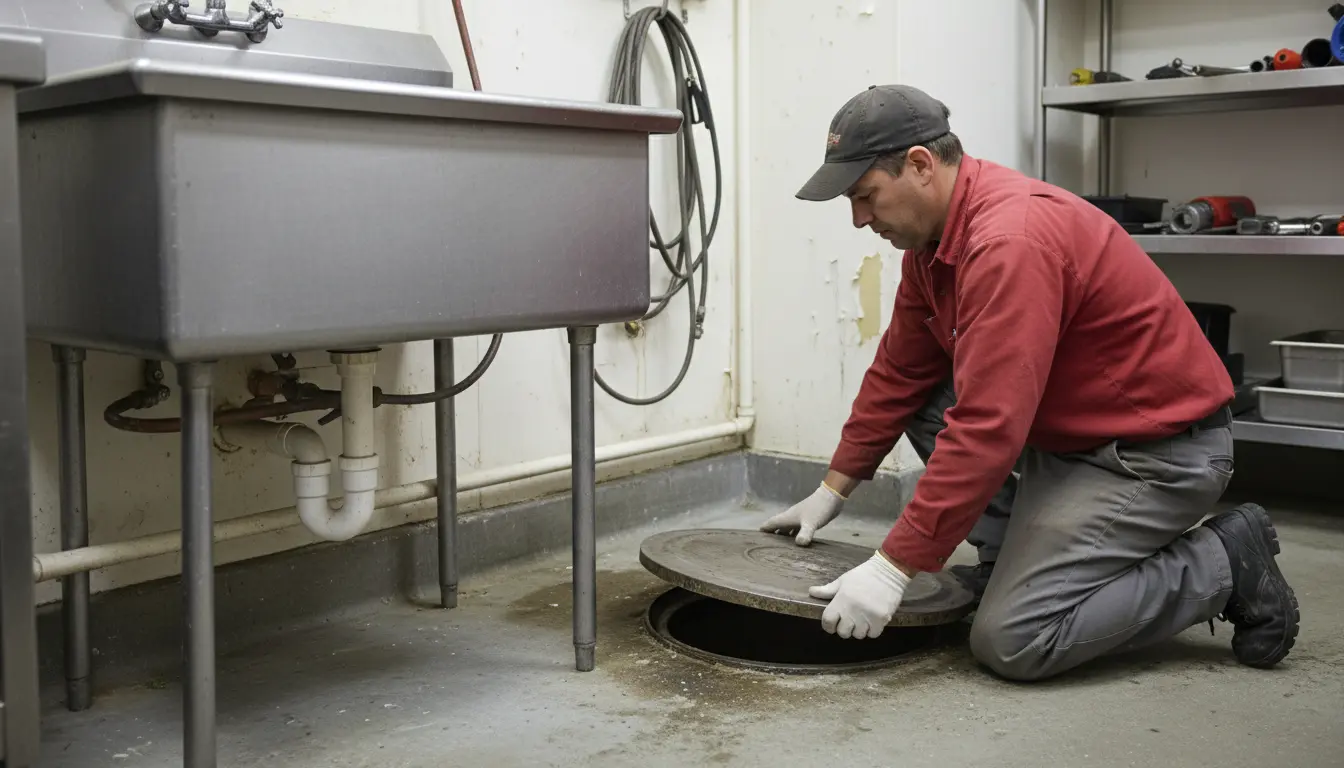
Find the Best Grease Trap Cleaning Companies for Your Business
No obligation • Fast responses • Nationwide coverage

Why you can trust Restaurant Waste Disposal
Restaurant Waste Disposal is a leading U.S. resource for comparing restaurant composting, food-waste recycling, grease trap cleaning, and used cooking oil collection services. Our editorial team researches providers, checks credentials, and organizes unbiased information so operators can make informed decisions. Companies cannot pay to change ratings or placement.
Search providers near you
Top Grease Trap Cleaning Companies in West Valley City, Utah Ranked
For any restaurant, food truck, or commercial kitchen in West Valley City, managing fats, oils, and grease (FOG) is a critical operational and legal requirement. Proper grease interceptor maintenance is not just about avoiding unpleasant backups; it's a key component of the city's efforts to protect the public sewer system from costly clogs and environmental damage. Local codes, adopted from standards like the International Plumbing Code (IPC), mandate specific design, installation, and maintenance protocols for these essential devices. Staying compliant involves understanding cleaning frequency, proper documentation, and preparing for inspections from city authorities to prevent significant fines and service disruptions.
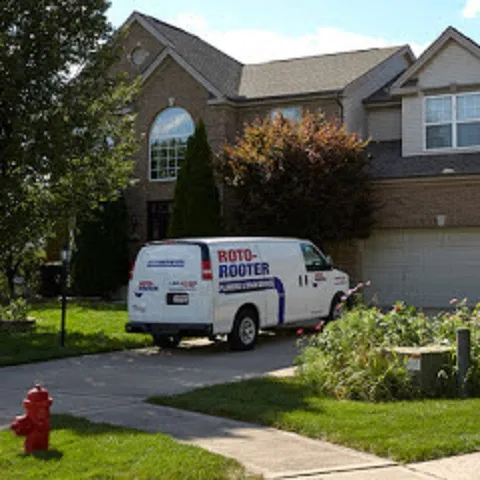
Roto-Rooter Plumbing & Water Cleanup
4376 N Forestdale Dr Bldg 12, Ste 3, Park City, UT 84098
Roto-Rooter Plumbing & Water Cleanup offers comprehensive plumbing services in Salt Lake City, UT, and the surrounding Park City area. They handle a wide range of residential and commercial plumbing needs, including floodwater cleanup, sewer and drain cleaning, water heater repairs, grease trap maintenance, and mold remediation. The company is equipped to manage unique local challenges such as frozen pipes and snowmelt floods. Roto-Rooter is known for its expertise in commercial plumbing systems and uses advanced equipment like high-pressure water jetting (hydro-jetting) to clear tough blockages. Established in 1935, Roto-Rooter provides 24/7 emergency plumbing services to address urgent issues at any time.
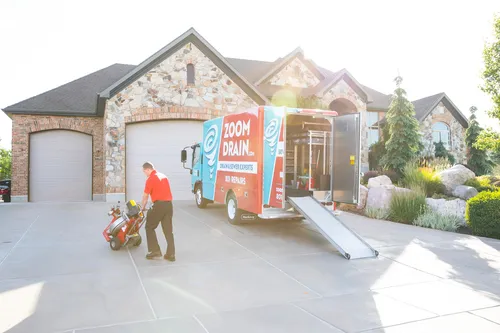
Zoom Drain
340 N Kays Dr #101, Kaysville, UT 84037
Zoom Drain is a drain and sewer cleaning company based in Layton, UT, serving Kaysville and surrounding areas including Davis, Salt Lake, and Weber counties. They provide residential and commercial drain and sewer services, specializing in inspections, cleanings, and repairs. Their capabilities include hydro jetting for thorough pipe cleaning and grease trap maintenance for the food and hospitality sector. Zoom Drain is known for using advanced tools and tailored maintenance plans to support property managers and contractors. They offer a contractor referral program and have a history of reliable service with positive customer feedback.
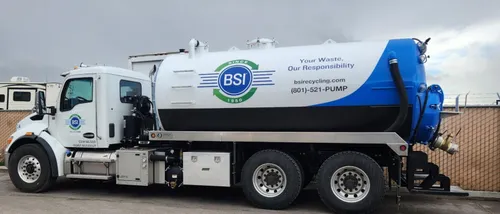
Beck's Sanitation
543 Iron Rose Pl, Salt Lake City, UT 84104
Beck's Sanitation is a family-owned sanitation company serving Salt Lake City, UT, with over 75 years of experience. They offer a range of services including grease trap cleaning, septic tank pumping, used cooking oil recycling, storm drain cleaning, and commercial pumping. The company emphasizes eco-friendly waste disposal and regulatory compliance, handling tasks such as car wash sump service, storm water management, and waste enclosure cleanup. Beck's Sanitation provides emergency and routine clean-outs to prevent blockages, flooding, and environmental hazards, supporting businesses in maintaining efficient and compliant operations.
SOS Pumping Services
2230 N Piper Ln, Eagle Mountain, UT 84005
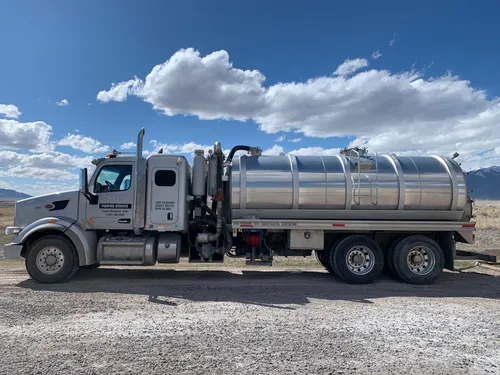
SOS Pumping Services is based in Eagle Mountain, UT, offering grease trap cleaning, septic tank pumping, and non-hazardous waste pumping for residential and commercial clients. They serve all of Utah, as well as parts of Wyoming and Idaho. Established in 1996, the company has over 25 years of experience in safely pumping and transporting non-hazardous waste to appropriate treatment and disposal facilities. Their services include routine maintenance and emergency pumping, focusing on compliance with safety regulations and environmental responsibility.
Understanding West Valley City's FOG Regulations
West Valley City enforces FOG management rules to safeguard its wastewater infrastructure. These regulations are typically rooted in adopted plumbing codes, which require food service establishments to install and maintain approved grease interceptors or traps. The primary goal is to prevent grease from entering the public sewer lines, where it can solidify, cause blockages, lead to sanitary sewer overflows, and result in expensive cleanup operations for the city. Compliance is not optional; it's a condition of operating your food service business and is actively monitored.
The specific regulatory details, including code sections and permit fees, are managed by city departments. For the most accurate and current information, establishments should directly contact West Valley City Public Works Department or the Environmental Services/Health Department. Requesting information on the city's official "Fats, Oils, and Grease (FOG) Management Program" will provide the definitive guidelines applicable to your location.
How Often Should You Clean Your Grease Interceptor?
Cleaning frequency is not a one-size-fits-all schedule but is determined by your establishment's volume and type of food preparation. The general rule, supported by industry and municipal guidelines, is to clean the interceptor when the combined FOG and solids accumulate to 25% of the unit's capacity or at regular intervals, whichever comes first 1 2.
For many busy restaurants, this often translates to a cleaning cycle every 30 to 90 days. A high-volume kitchen frying foods daily will likely need monthly service, while a lower-volume operation might extend to quarterly cleanings. The critical factor is regular measurement and inspection. Allowing a trap to exceed the 25% threshold significantly reduces its effectiveness and increases the risk of grease passing into the sewer line, which is a direct violation. Keeping detailed service logs is essential for both optimal operation and proving compliance during inspections.
What Does Proper Maintenance Involve?
Proper grease trap and interceptor maintenance is more than just removing liquid. A complete service, as required by most codes and best practices, includes several key steps performed by a licensed waste hauler:
- Complete Pump-Out: All contents-both liquid wastewater and accumulated solid fats, oils, grease, and food debris-must be fully removed from the interceptor.
- Scraping and Cleaning: The interior walls, baffles, and components of the trap must be scraped clean of all adhered grease and solids. Simply pumping out the liquid is insufficient and does not constitute proper maintenance.
- Waste Disposal: The collected FOG waste must be transported and disposed of (or recycled) at an approved facility, not poured down a drain or into a dumpster.
- Documentation: The service provider should supply a detailed receipt or manifest stating the date, volume removed, and the disposal facility. You must keep these records on-site for inspection.
Find the perfect grease trap cleaning companies for your needs
Get personalized recommendations and expert advice
Inspection and Enforcement by City Authorities
West Valley City authorities are proactive in ensuring compliance with FOG regulations. Inspections can be conducted by representatives from the Public Works Department (Water/Sewer Division) or the Health Department.
These inspections may be scheduled or unannounced. During a visit, an inspector will typically:
- Request to see your grease interceptor maintenance records and manifests.
- Visually inspect the interceptor for proper installation, signs of bypassing, and overall cleanliness.
- Check for any evidence of grease discharge or foul odors.
Enforcement actions for violations can begin with a written warning and a mandate to correct the issue within a specified timeframe. Failure to comply can lead to substantial fines, mandatory re-inspections, and in severe or repeat cases, a suspension of water or sewer services until the problem is resolved. Maintaining meticulous records and adhering to a proactive cleaning schedule is your best defense against enforcement actions.
Factors Influencing Service Costs
The cost for professional grease trap cleaning in West Valley City varies based on several key factors. While prices can fluctuate, understanding these elements helps in budgeting for this necessary expense.
- Interceptor Size and Type: A small under-sink grease trap (often measured in gallons per minute flow rate) is less expensive to service than a large, in-ground grease interceptor that holds hundreds of gallons. The larger the unit, the more waste to remove, and the more labor-intensive the job.
- Cleaning Frequency: Establishments on a frequent cleaning schedule (e.g., monthly) may negotiate a different per-service rate compared to those requiring one-off or emergency service.
- Location and Accessibility: An easily accessible interceptor in a parking lot will cost less to service than one located in a cramped basement or an area requiring special equipment to access.
- Amount of Accumulation: A heavily impacted interceptor that has not been cleaned on schedule will require more time and effort to scrape clean, potentially increasing the cost.
Given these variables, a typical service call can range from approximately $100 to $300 for smaller under-sink units and $200 to $500 or more for larger in-ground interceptors 3 4. It's always advisable to get detailed quotes from licensed, reputable service providers who understand local West Valley City codes.
Consequences of Neglecting Grease Trap Maintenance
Failing to maintain your grease interceptor has direct and serious consequences for your business and the community.
- Sewer Backups and Operational Downtime: The most immediate impact is often a clogged drain or sewer line on your own property. This can lead to kitchen shutdowns, lost revenue, and expensive emergency plumbing repairs.
- City Fines and Penalties: As discussed, non-compliance with FOG regulations can result in significant fines from West Valley City. These penalties are designed to incentivize proper maintenance and cover the public cost of addressing sewer problems.
- Environmental Harm: Grease that escapes into the public sewer system can contribute to sanitary sewer overflows (SSOs), polluting local waterways and harming the environment.
- Increased Utility Costs: When FOG causes problems in the municipal system, the cost of repairs and increased treatment is often borne by all ratepayers, including compliant businesses.
Proactive, documented maintenance is a responsible business practice that protects your operation, your finances, and your city's infrastructure.
Frequently asked questions
Sources
Footnotes
-
Commercial Kitchen Grease Trap Guidelines - https://www.bwsc.org/sites/default/files/2019-01/commercial_kitchen_grease_trap_guidelines.pdf ↩
-
HYDROMECHANICAL GREASE INTERCEPTOR (HGI ... - https://www.spokanecounty.gov/DocumentCenter/View/51138/Hydromechanical-Grease-Interceptor-HGI-Maintenance---English?bidId= ↩
-
Restaurant Grease Trap Cleaning FAQs - Mahoney Environmental - https://www.mahoneyes.com/restaurant-grease-trap-cleaning-faqs/ ↩
-
Do I Need a Grease Trap If My Restaurant Doesn't Use Oil? - https://foodgreasetrappers.com/2018/02/need-a-grease-trap-restaurant-doesnt-use-oil/ ↩