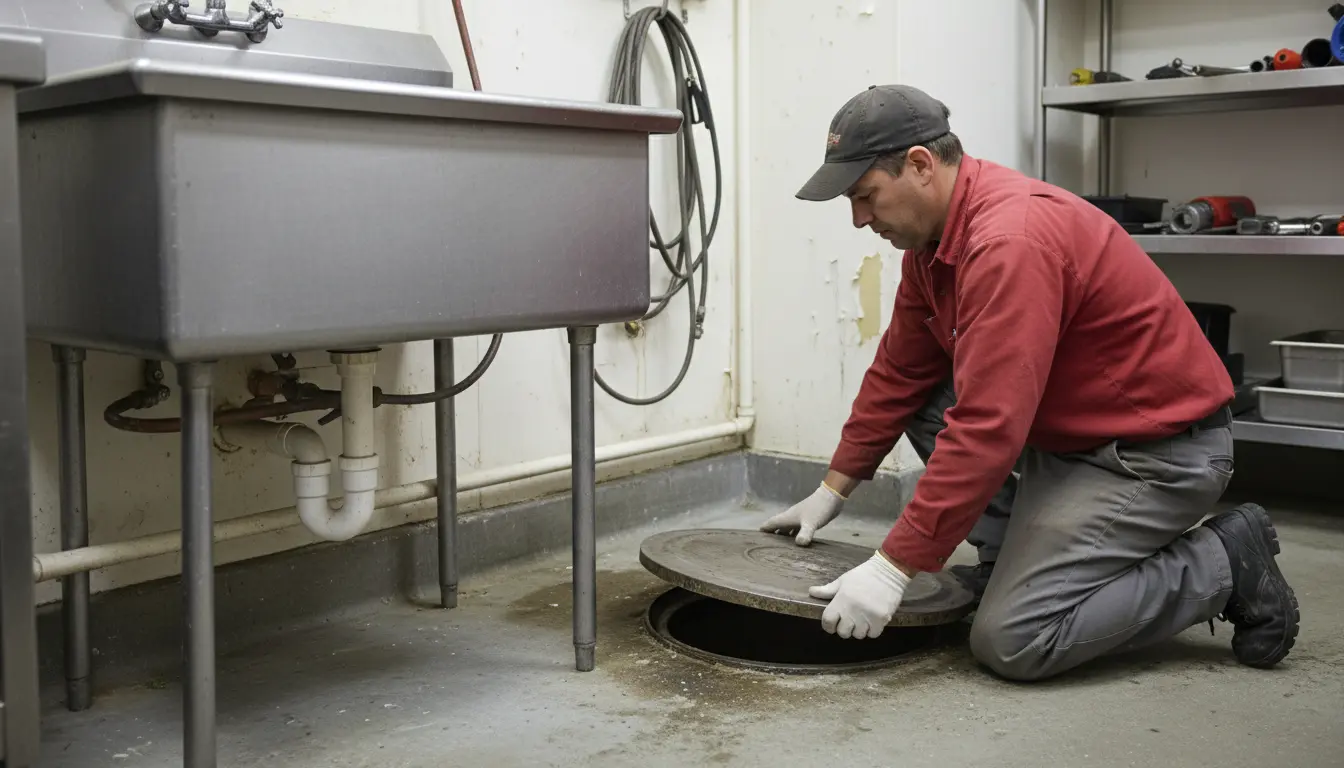
Find the Best Grease Trap Cleaning Companies for Your Business
No obligation • Fast responses • Nationwide coverage

Why you can trust Restaurant Waste Disposal
Restaurant Waste Disposal is a leading U.S. resource for comparing restaurant composting, food-waste recycling, grease trap cleaning, and used cooking oil collection services. Our editorial team researches providers, checks credentials, and organizes unbiased information so operators can make informed decisions. Companies cannot pay to change ratings or placement.
Search providers near you
Top Grease Trap Cleaning Companies in Eagle Mountain, Utah Ranked
For restaurant owners and food service operators in Eagle Mountain, managing fats, oils, and grease (FOG) is a critical operational and regulatory responsibility. Proper grease interceptor maintenance is not just about avoiding unpleasant odors or slow drains; it's a mandated part of local wastewater pretreatment programs designed to protect the city's sewer infrastructure. Failure to adhere to cleaning schedules and documentation requirements can result in significant fines, emergency service charges, and even business interruptions. This guide outlines the essential practices, local expectations, and cost considerations for effective FOG management in Eagle Mountain's dining establishments.
Local codes, often aligned with broader Utah County and state guidelines, require that grease traps and interceptors be cleaned before FOG and solids accumulate to a level that risks discharge into the sewer lines. This typically means service is required when the unit is 25% full, but specific frequency is dictated by usage, with many high-volume kitchens requiring weekly or monthly pumping 1. The cleaning process must be thorough: fully emptying the trap, scraping all interior surfaces to remove hardened grease, and properly disposing of the captured waste. Crucially, detailed service records-including date, volume removed, and the service provider's information-must be kept on-site for a minimum of three years for review by inspectors.
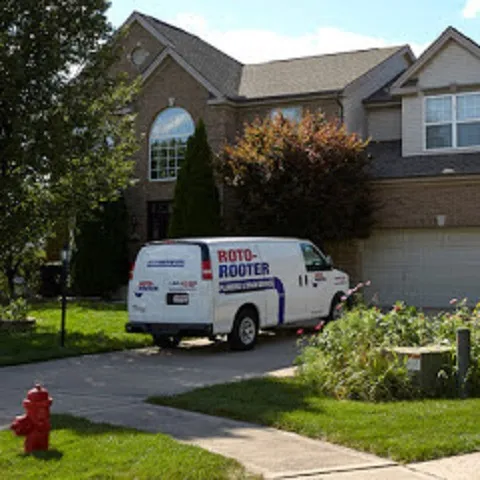
Roto-Rooter Plumbing & Water Cleanup
333 W 2230 N Ste 320, Provo, UT 84604
Roto-Rooter Plumbing & Water Cleanup offers commercial plumbing and water cleanup services in Provo, UT. They serve office buildings, retail stores, schools, healthcare facilities, and more across Utah County. Their services include grease trap cleaning, high-pressure water jetting (hydro-jetting), sewer and water line excavation, and expert drain cleaning using advanced tools. The company also provides water heater repair and installation for traditional, tankless, and solar models, addressing issues caused by Provo's hard water. Additionally, they perform sewer pipe restoration with video camera inspections and both trenchless and conventional repair methods. Roto-Rooter installs water softener and filtration systems to improve water quality and protect plumbing fixtures. They serve a wide range of communities in the Provo area, including Orem, Spanish Fork, and Pleasant Grove.
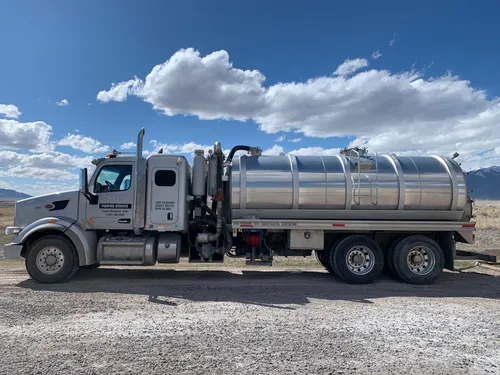
SOS Pumping Services
2230 N Piper Ln, Eagle Mountain, UT 84005
SOS Pumping Services is based in Eagle Mountain, UT, offering grease trap cleaning, septic tank pumping, and non-hazardous waste pumping for residential and commercial clients. They serve all of Utah, as well as parts of Wyoming and Idaho. Established in 1996, the company has over 25 years of experience in safely pumping and transporting non-hazardous waste to appropriate treatment and disposal facilities. Their services include routine maintenance and emergency pumping, focusing on compliance with safety regulations and environmental responsibility.
Understanding Local Regulations and Compliance
Eagle Mountain restaurants operate under specific FOG control ordinances designed to prevent sewer blockages and environmental issues. Compliance is non-negotiable and is enforced to maintain community standards. The primary goal of these regulations is to stop grease from entering the public sewer system, where it can cool, solidify, and cause costly backups and overflows.
Key Regulatory Requirements:
- Service Frequency: Cleaning must occur when grease and solids occupy 25% of the trap's volume. For many active restaurants, this translates to a schedule ranging from weekly to every 1-3 months, heavily dependent on the type and volume of food prepared 2 3.
- Proper Cleaning Standards: A compliant service involves complete evacuation of the trap's contents, manual scraping of walls and baffles, and removal of all FOG and food solids. Simply pumping out liquid is insufficient.
- Mandatory Record Keeping: Maintaining a log of all grease trap maintenance is a critical part of compliance. These records must be readily available for inspection and should be retained for at least three years.
Inspection Schedules and Enforcement Actions
Enforcement of grease trap regulations in Eagle Mountain typically falls under the purview of city Public Works officials or the Utah County Health Department during routine sanitary inspections. These inspections can occur annually or more frequently for establishments with a history of violations or those considered high-risk 4.
Inspectors will review your maintenance logs, visually assess the condition and accessibility of your grease interceptor, and may check for any signs of grease discharge. Non-compliance can trigger a cascade of consequences:
- Fines: Monetary penalties for violations.
- Emergency Compliance Orders: Mandating immediate, often more expensive, cleaning service.
- Operational Disruption: In severe cases, a business may be forced to cease operations until the violation is corrected and re-inspected.
Proactive and documented maintenance is your best defense against these enforcement actions, demonstrating a good-faith effort to comply with local codes.
Cost Factors for Grease Interceptor Pumping
Investing in regular professional grease trap cleaning is far more economical than facing emergency fines and repairs. Service costs in the Eagle Mountain area are not fixed; they vary based on several key factors.
Primary Cost Determinants:
- Trap Size and Type: A small indoor grease trap under a sink costs significantly less to service ($100 - $500 per pump) than a large, in-ground outdoor interceptor, which can range from $200 to over $1,000 per service 5 6.
- Service Frequency: Regularly scheduled maintenance (e.g., monthly or quarterly) often comes at a lower per-service rate compared to one-time or emergency calls.
- Accessibility and Location: Easily accessible traps in dedicated service areas are less expensive to clean than those in cramped basements or requiring special equipment to reach.
- Volume of Waste: The amount of FOG and solids removed directly impacts disposal costs for the service provider, which is reflected in the price.
While initial quotes may seem like an added expense, consistent service prevents the massive costs associated with sewer line blockages, municipal fines, and emergency plumbing calls, which can easily run into the thousands of dollars.
Find the perfect grease trap cleaning companies for your needs
Get personalized recommendations and expert advice
Building a Proactive FOG Management Program
Beyond simply hiring a pumper, successful restaurants in Eagle Mountain implement a comprehensive program to manage grease from source to disposal.
1. Confirm Local Specifications: Your first step should be to contact the Eagle Mountain City Public Works Department to obtain a copy of the local FOG control ordinance or manual. This document will provide the definitive requirements for your specific business location. 2. Hire a Qualified Service Provider: Partner with a licensed, insured, and reputable grease trap cleaning company. Ensure they provide detailed service tickets after every visit that you can add to your compliance file. 3. Implement Kitchen Best Practices: Training your staff is essential. Emphasize scraping food waste into trash bins before washing, using sink strainers, and avoiding pouring any fats or oils down the drain. This reduces the load on your grease trap, extends time between services, and improves overall efficiency.
A disciplined approach to grease interceptor maintenance protects your business from regulatory headaches, reduces long-term operational costs, and contributes to the health of Eagle Mountain's wastewater system. By understanding the requirements, budgeting for regular service, and fostering a culture of compliance in your kitchen, you can turn a mandated chore into a cornerstone of your restaurant's operational excellence.
Frequently asked questions
Sources
Footnotes
-
Restaurant Grease Trap Cleaning FAQs - Mahoney Environmental - https://www.mahoneyes.com/restaurant-grease-trap-cleaning-faqs/ ↩
-
7-5-14-7: GREASE TRAP OPERATION AND MAINTENANCE ... - https://codelibrary.amlegal.com/codes/washingtonut/latest/washington_ut/0-0-0-12180 ↩
-
How to Clean a Grease Trap (and How Often You Should) - https://greaseconnections.com/how-to-clean-a-grease-trap-and-how-often-you-should/ ↩
-
Restaurant & Retail Food Inspections in Los Angeles County - http://ph.lacounty.gov/eh/inspection/restaurant-retail-food-inspection.htm ↩
-
Ultimate Grease Trap Pumping Cost Guide: Essential Money-Saving ... - https://www.texwaywastewater.com/grease-trap-pumping-cost/ ↩
-
Grease Trap Cleaning Prices | Guide on the Industry Average - https://grease-cycle.com/grease-trap-pumping-cost/ ↩