Find the Best Grease Trap Cleaning Companies for Your Business
No obligation • Fast responses • Nationwide coverage

Why you can trust Restaurant Waste Disposal
Restaurant Waste Disposal is a leading U.S. resource for comparing restaurant composting, food-waste recycling, grease trap cleaning, and used cooking oil collection services. Our editorial team researches providers, checks credentials, and organizes unbiased information so operators can make informed decisions. Companies cannot pay to change ratings or placement.
Search providers near you
Best Grease Trap Cleaning Companies in Utah Ranked
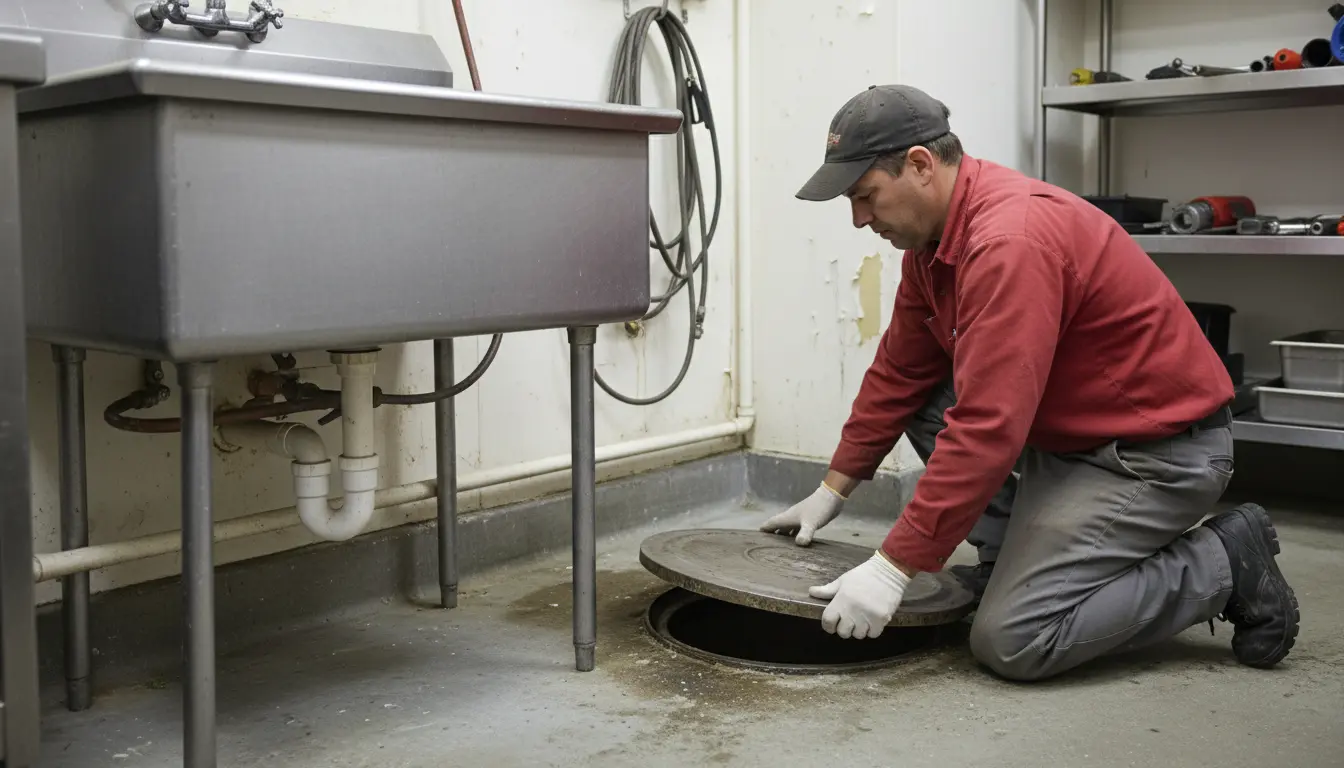
For any restaurant, cafeteria, or food service establishment (FSE) in Utah, proper grease interceptor maintenance is a critical operational and legal responsibility. Fats, oils, and grease (FOG) from kitchen wastewater can solidify in sewer lines, causing costly blockages, sewer overflows, and environmental damage. To protect municipal infrastructure, cities across Utah enforce strict regulations requiring FSEs to install, maintain, and clean grease traps or interceptors. Compliance isn't optional; it's mandated by local public utilities departments, and failure to adhere can result in significant fines and operational disruptions. This guide outlines the essential rules, schedules, and best practices for grease trap cleaning specific to Utah's regulatory landscape.
Roto-Rooter Plumbing & Water Cleanup
4376 N Forestdale Dr Bldg 12, Ste 3, Park City, UT 84098
Roto-Rooter Plumbing & Water Cleanup offers comprehensive plumbing services in Salt Lake City, UT, and the surrounding Park City area. They handle a wide range of residential and commercial plumbing needs, including floodwater cleanup, sewer and drain cleaning, water heater repairs, grease trap maintenance, and mold remediation. The company is equipped to manage unique local challenges such as frozen pipes and snowmelt floods. Roto-Rooter is known for its expertise in commercial plumbing systems and uses advanced equipment like high-pressure water jetting (hydro-jetting) to clear tough blockages. Established in 1935, Roto-Rooter provides 24/7 emergency plumbing services to address urgent issues at any time.
Roto-Rooter Plumbing & Water Cleanup
333 W 2230 N Ste 320, Provo, UT 84604
Roto-Rooter Plumbing & Water Cleanup offers commercial plumbing and water cleanup services in Provo, UT. They serve office buildings, retail stores, schools, healthcare facilities, and more across Utah County. Their services include grease trap cleaning, high-pressure water jetting (hydro-jetting), sewer and water line excavation, and expert drain cleaning using advanced tools. The company also provides water heater repair and installation for traditional, tankless, and solar models, addressing issues caused by Provo's hard water. Additionally, they perform sewer pipe restoration with video camera inspections and both trenchless and conventional repair methods. Roto-Rooter installs water softener and filtration systems to improve water quality and protect plumbing fixtures. They serve a wide range of communities in the Provo area, including Orem, Spanish Fork, and Pleasant Grove.
Roto-Rooter Plumbing & Water Cleanup
3670 Quincy Ave Ste 5, Ogden, UT 84403
Roto-Rooter Plumbing & Water Cleanup provides comprehensive plumbing services in Ogden, UT, addressing challenges posed by the local climate. The company offers a wide range of solutions including commercial plumbing, drain cleaning, grease trap pumping, sewer line repair, water heater services, and water softener and filtration installations. They utilize capabilities such as hydro-jetting and video camera sewer inspections to diagnose and resolve plumbing issues efficiently. Serving Ogden and the surrounding metro area, Roto-Rooter is available 24/7 for emergency plumbing needs, ensuring assistance at any time.
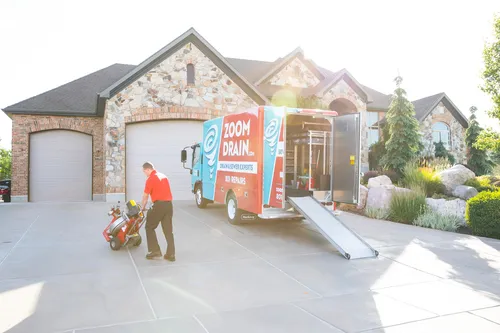
Zoom Drain
340 N Kays Dr #101, Kaysville, UT 84037
Zoom Drain is a drain and sewer cleaning company based in Layton, UT, serving Kaysville and surrounding areas including Davis, Salt Lake, and Weber counties. They provide residential and commercial drain and sewer services, specializing in inspections, cleanings, and repairs. Their capabilities include hydro jetting for thorough pipe cleaning and grease trap maintenance for the food and hospitality sector. Zoom Drain is known for using advanced tools and tailored maintenance plans to support property managers and contractors. They offer a contractor referral program and have a history of reliable service with positive customer feedback.
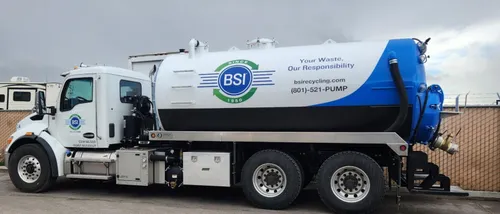
Beck's Sanitation
543 Iron Rose Pl, Salt Lake City, UT 84104
Beck's Sanitation is a family-owned sanitation company serving Salt Lake City, UT, with over 75 years of experience. They offer a range of services including grease trap cleaning, septic tank pumping, used cooking oil recycling, storm drain cleaning, and commercial pumping. The company emphasizes eco-friendly waste disposal and regulatory compliance, handling tasks such as car wash sump service, storm water management, and waste enclosure cleanup. Beck's Sanitation provides emergency and routine clean-outs to prevent blockages, flooding, and environmental hazards, supporting businesses in maintaining efficient and compliant operations.
Utah's Grease Trap Regulations: A Local Matter
A crucial first step is understanding that grease trap rules in Utah are primarily controlled at the municipal level. While the goal-preventing FOG from entering the public sewer system-is universal, the specific requirements for permits, registration, and cleaning frequency are set by your local public works or water services department 1.
- Permits and Registration: Many cities require food service establishments to formally register their grease traps and obtain permits. For example, Ogden requires registration with its Public Utilities Department, while St. George requires plan approval for the installation of grease control devices. Always check with your city to understand the specific paperwork needed.
- Universal Requirement: Virtually all Utah municipalities mandate that FSEs have a properly sized and functioning grease trap or interceptor. This is non-negotiable for obtaining or renewing a business license in most jurisdictions.
- Record Keeping: A consistent statewide expectation is meticulous record-keeping. You are typically required to maintain detailed cleaning and maintenance logs for a minimum of three years. These records must be available for inspection by city officials at any time.
Key Regulatory Cities in Utah
- Salt Lake City (SLC): The SLC Public Utilities Department enforces a robust pretreatment program. They specify cleaning frequencies based on trap type and require the use of licensed waste haulers.
- St. George: The city's Pretreatment Program requires monthly inspections of grease interceptors and cleaning as often as necessary to keep baffles clear and functional.
- Provo & Ogden: Both cities have clear guidelines, often referencing a minimum cleaning interval of 90 days, but emphasize that high-volume establishments will need service much more frequently-often monthly.
How Often to Clean Your Grease Trap in Utah
The cleaning schedule is not one-size-fits-all; it depends on your trap type, kitchen volume, and local code. However, two universal principles apply across Utah: the "25% Rule" and mandatory minimum frequencies.
- The 25% Rule: This is the most important guideline. You must have your grease trap cleaned when the combined FOG and solid sludge accumulates to 25% of the trap's liquid capacity 2. Allowing accumulation beyond this point drastically reduces the trap's effectiveness.
- Mandatory Minimum Frequencies: Cities set baseline cleaning intervals to ensure compliance:
- Hydro-mechanical Traps (typically smaller, inside traps): Often require cleaning at least every 30 days (e.g., Salt Lake City's rule).
- Gravity Grease Interceptors (larger, in-ground traps): Usually have a maximum interval of every 90 days, contingent on the 25% rule 3 4.
- Kitchen Volume is Key: These are minimums. A high-volume restaurant with multiple fryers may need pumping every month, while a small café might approach the 90-day mark. Regular inspection is essential to determine your establishment's true need.
Find the perfect grease trap cleaning companies for your needs
Get personalized recommendations and expert advice
The Proper Cleaning Process: What to Expect
Simply skimming the top layer of grease is insufficient and non-compliant. A proper, professional grease trap cleaning service in Utah should include the following steps to meet municipal standards:
- Complete Pumping: The service must fully evacuate all contents-wastewater, FOG, and food solids-from the trap, leaving it empty.
- Scraping and Removal: Technicians should scrape down the interior walls, baffles, and partitions to remove all adhered grease and solids.
- Thorough Inspection: A key part of the service is inspecting the trap's components: baffles for integrity, gaskets for seals, inlet/outlet pipes for blockages, and flow control devices. This inspection can identify small problems before they lead to failures 5.
- Proper Disposal: All collected FOG waste must be transported and disposed of by a licensed hauler at an approved facility. Using unlicensed services for disposal is illegal and can result in penalties for your business.
- Detailed Documentation: Upon completion, you should receive a detailed service report. This document is vital for your records and must include the date, company name, volume of waste removed, and the technician's observations. This is your proof of compliance.
Costs and Consequences of Non-Compliance
- Service Costs: The price for professional grease trap cleaning in Utah varies based on the trap's size (under-sink vs. in-ground), its accessibility, and how much waste is removed. For a standard service, businesses can generally expect a range from $100 to over $500 per cleaning 6.
- Penalties for Violations: The cost of non-compliance is far higher. Municipalities impose fines for violations such as missed cleanings, clogged drains, or sewer overflows. These fines can start at $250 or more per incident (e.g., in Provo), and repeated violations can jeopardize your business license and lead to mandatory, expensive repairs 7 8 9.
Best Practices for Utah Restaurants
- Know Your Local Code: Contact your city's Public Works or Water Services department. Get the specific rules for your municipality (SLC, St. George, Provo, Ogden, etc.) in writing 10.
- Schedule Proactively: Don't wait for a problem. Schedule cleanings based on the 25% rule, erring on the side of caution. Consider a regular service contract with a reputable provider.
- Train Your Staff: Educate kitchen staff on best practices to minimize FOG entering the drain: scrape plates into trash, use drain baskets, and avoid pouring grease down sinks.
- Maintain Impeccable Records: Keep a dedicated logbook or digital folder for all service reports, permits, and city communications. This is your first line of defense during an inspection.
By following the 25% rule, hiring licensed professionals for thorough cleaning and inspection, and maintaining meticulous records according to your city's specific requirements, you can ensure your Utah food service establishment remains compliant, avoids costly fines, and protects the local sewer system.
Frequently asked questions
Sources
Footnotes
-
Restaurant Grease Trap Cleaning FAQs - https://www.mahoneyes.com/restaurant-grease-trap-cleaning-faqs/ ↩
-
7-5-14-7: GREASE TRAP OPERATION AND MAINTENANCE ... - https://codelibrary.amlegal.com/codes/washingtonut/latest/washington_ut/0-0-0-12180 ↩
-
Ultimate Grease Trap Maintenance Guide For Ogden Facilities - Shyft - https://www.myshyft.com/blog/grease-trap-cleaning-ogden-utah/ ↩
-
Wastewater Pretreatment Fats, Oils and Grease (FOG) - SLC.gov - https://www.slc.gov/utilities/pretreatment-fats-oils-grease-fog/ ↩
-
How to Clean a Grease Trap (and How Often You Should) - https://greaseconnections.com/how-to-clean-a-grease-trap-and-how-often-you-should/ ↩
-
Charlotte Grease Trap Cleaning: Essential Facilities Maintenance Guide - myshyft.com - https://www.myshyft.com/blog/grease-trap-cleaning-charlotte-north-carolina/ ↩
-
Ultimate Guide To Provo Grease Trap Maintenance - Shyft - https://www.myshyft.com/blog/grease-trap-cleaning-provo-utah/ ↩
-
The Ultimate Guide to Restaurant Grease Trap Cleaning - https://mokherplumbing.com/ultimate-guide-restaurant-grease-trap-cleaning/ ↩
-
Grease Trap Service Boulder, Longmont CO | Sullivan Septic & Excavating - https://www.sullivanseptic.net/grease-trap-service ↩
-
Food Service Establishments And Fog - City of St. George - https://sgcityutah.gov/departments/water_services/pretreatment_program/food_service_establishments_and_fog.php ↩