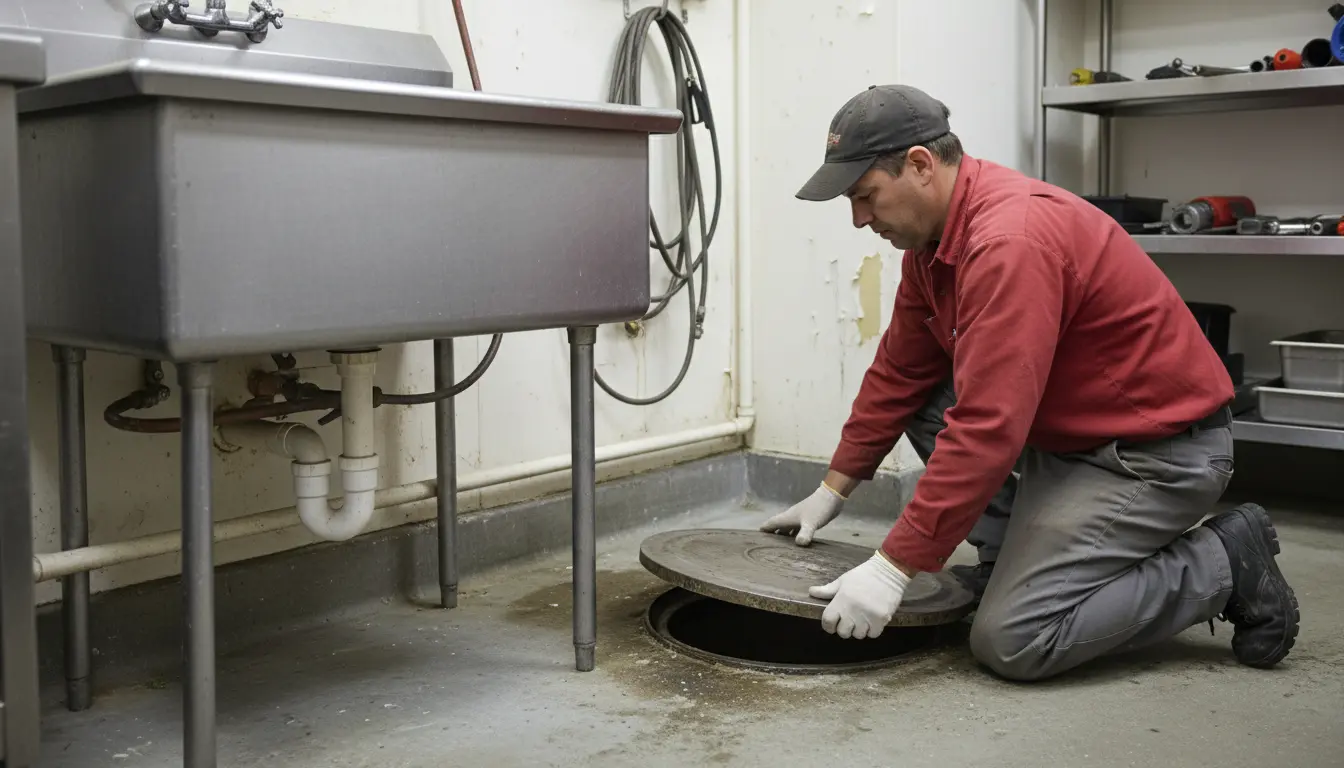
Find the Best Grease Trap Cleaning Companies for Your Business
No obligation • Fast responses • Nationwide coverage

Why you can trust Restaurant Waste Disposal
Restaurant Waste Disposal is a leading U.S. resource for comparing restaurant composting, food-waste recycling, grease trap cleaning, and used cooking oil collection services. Our editorial team researches providers, checks credentials, and organizes unbiased information so operators can make informed decisions. Companies cannot pay to change ratings or placement.
Search providers near you
Top Grease Trap Cleaning Companies in Provo, Utah Ranked
For any restaurant, café, or food service establishment in Provo, managing grease-laden wastewater isn't just a maintenance task-it's a legal requirement with strict local oversight. The city mandates the use of specialized grease interceptors and enforces a rigorous schedule for their maintenance and cleaning to protect the municipal sewer system from blockages and environmental harm. Staying compliant means understanding Provo's specific codes, working with approved providers, and keeping meticulous records to avoid significant penalties and operational disruptions.
Proper grease interceptor maintenance is a critical component of running a responsible food service business in Utah County. The rules established by Provo City Public Works are designed to prevent sewer overflows, which can lead to costly repairs and environmental damage. By adhering to a proactive service schedule, you not only meet legal obligations but also ensure the smooth operation of your kitchen's plumbing, preventing backups and unpleasant odors that can affect your customer experience and staff workflow.
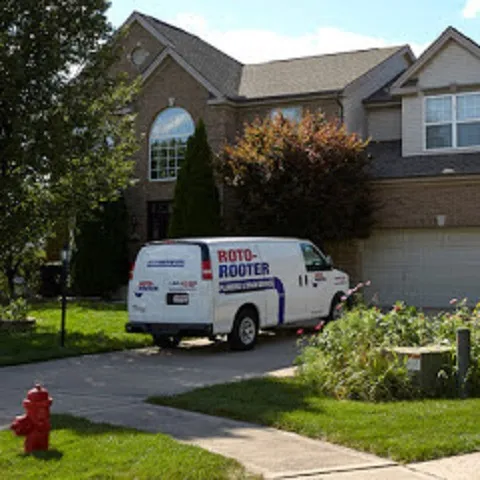
Roto-Rooter Plumbing & Water Cleanup
333 W 2230 N Ste 320, Provo, UT 84604
Roto-Rooter Plumbing & Water Cleanup offers commercial plumbing and water cleanup services in Provo, UT. They serve office buildings, retail stores, schools, healthcare facilities, and more across Utah County. Their services include grease trap cleaning, high-pressure water jetting (hydro-jetting), sewer and water line excavation, and expert drain cleaning using advanced tools. The company also provides water heater repair and installation for traditional, tankless, and solar models, addressing issues caused by Provo's hard water. Additionally, they perform sewer pipe restoration with video camera inspections and both trenchless and conventional repair methods. Roto-Rooter installs water softener and filtration systems to improve water quality and protect plumbing fixtures. They serve a wide range of communities in the Provo area, including Orem, Spanish Fork, and Pleasant Grove.
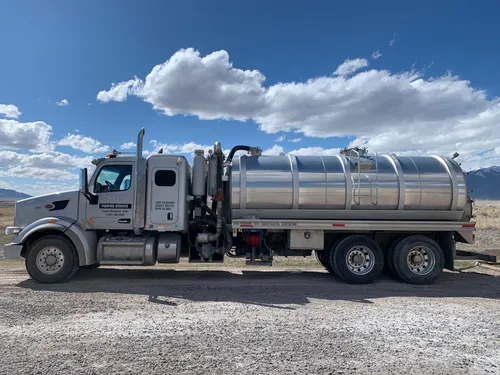
SOS Pumping Services
2230 N Piper Ln, Eagle Mountain, UT 84005
SOS Pumping Services is based in Eagle Mountain, UT, offering grease trap cleaning, septic tank pumping, and non-hazardous waste pumping for residential and commercial clients. They serve all of Utah, as well as parts of Wyoming and Idaho. Established in 1996, the company has over 25 years of experience in safely pumping and transporting non-hazardous waste to appropriate treatment and disposal facilities. Their services include routine maintenance and emergency pumping, focusing on compliance with safety regulations and environmental responsibility.
Understanding Provo's Grease Interceptor Regulations
Provo City Code is explicit about the requirements for grease, oil, and sand interceptors (commonly called grease traps). These devices are mandatory for food establishments to capture fats, oils, and grease (FOG) before wastewater enters the public sewer. The code outlines specific design and installation standards to ensure they function correctly and can be properly serviced.
A key provision is accessibility. Your interceptor must be easily accessible for cleaning, sampling, and inspection by both your service provider and city officials 1. This often means having a dedicated sampling manhole located within 10 feet of the trap. If this manhole is in a parking area, parking over it is prohibited to guarantee constant access 1. Furthermore, the city prohibits discharging water hotter than 140°F and wastewater from food waste grinders directly into the grease trap, as these can break down captured grease and render the interceptor ineffective 1 2.
The Critical Role of Licensed Haulers
One of the most important rules for Provo businesses is the requirement to use a Provo-approved licensed waste hauler for all grease interceptor cleaning and pumping services. The city maintains a list of licensed providers who understand local codes and disposal regulations. Using an unlicensed service can result in non-compliance, even if the trap is cleaned, because proper documentation and waste disposal protocols may not be followed. These licensed professionals ensure that the collected FOG is disposed of or recycled at approved facilities, completing the chain of custody responsibly.
Inspection and Enforcement: What to Expect
Compliance is actively monitored by the Provo Public Works Department through its Pretreatment Program. City officials conduct random inspections to verify that your establishment is following all regulations. During an inspection, they will check the physical condition of your grease trap and, crucially, review your maintenance records.
Required Documentation
Your business must keep detailed records of all grease interceptor service for a minimum of three years. This log should include:
- Service invoices from your licensed hauler.
- Dates of each pumping and cleaning.
- Volume of waste removed.
- Photographs of the trap before and after service (highly recommended). Having this paperwork organized and readily available is essential for passing an inspection.
Penalties for Non-Compliance
Failing to maintain your trap or produce required records can lead to serious consequences. Penalties typically start with fines, which can begin around $250 or more, and escalate for repeat violations 3. In severe or persistent cases, the city can take action against your business license, potentially leading to operational shutdowns until the issues are resolved. The financial and reputational risk far outweighs the cost of regular, preventative maintenance.
Service Frequency and Cost Considerations
How often you need grease trap cleaning depends primarily on your establishment's volume. While Provo's baseline requirement is often every 90 days, high-volume kitchens like busy restaurants or large cafeterias may require monthly service to stay within capacity and compliant. Your licensed service provider can help you determine the optimal schedule based on your specific output and trap size.
When it comes to cost, proactive maintenance is the most economical strategy. For a well-maintained, standard indoor grease trap, a routine professional cleaning in the Provo area typically ranges from $175 to $475 4 5 6. This service includes pumping out the contents, scraping down the walls, and removing the FOG for proper disposal.
However, costs can rise significantly if maintenance is neglected. A heavily fouled trap requires more labor, time, and potentially specialized equipment to clean. Emergency service calls for a clogged or overflowing interceptor also come at a premium. For severely neglected units, the price for restoration can triple or more compared to a routine service call 7 8. Investing in a regular schedule is a clear financial safeguard.
Find the perfect grease trap cleaning companies for your needs
Get personalized recommendations and expert advice
Best Practices for Provo Restaurant Owners
Beyond scheduling regular service, there are daily practices that can extend the life of your grease trap and improve its efficiency. First, educate your kitchen staff on what should and should not go down the drain. Scrape all plates and cookware into a trash or compost bin before washing. Use sink strainers to catch food solids. Avoid using chemical "grease digesters" as a substitute for pumping; these enzymes can simply push the problem further down the sewer line and may violate local codes.
Secondly, establish a strong partnership with your licensed hauler. They are your expert resource. Schedule your next service appointment before the technician leaves your property. Discuss any changes in your menu or volume that might affect service frequency. A reliable provider will help you navigate Provo's regulations and keep your business running smoothly.
Finally, treat your maintenance records with the same importance as your health department reports. Create a dedicated file-either physical or digital-for all grease interceptor documentation. This proactive organization will make any city inspection a quick and stress-free process, demonstrating your commitment to responsible operations.
The Environmental and Community Impact
Proper grease management in Provo has benefits that extend far beyond your kitchen. When FOG is poured down drains, it cools and solidifies inside sewer pipes, combining with other debris to create massive blockages known as "fatbergs." These blockages can cause raw sewage to back up into homes, businesses, and streets, or overflow into the Provo River and Utah Lake, harming local ecosystems 9.
By ensuring your grease trap is regularly cleaned by a licensed professional, you are directly contributing to the health of Provo's infrastructure and environment. The collected grease is often recycled into products like biodiesel, animal feed, and cosmetics, turning a waste product into a resource. This cycle of responsible management protects public health, saves the city (and ultimately ratepayers) money on sewer repairs, and supports sustainability efforts in the community.
Frequently asked questions
Sources
Footnotes
-
10.03.130 Grease, Oil and Sand Interceptors | Provo City Code - https://provo.municipal.codes/Code/10.03.130 ↩ ↩2 ↩3
-
Chapter 10 Traps, Interceptors and Separators: Utah Plumbing ... - https://up.codes/viewer/utah/ipc-2018/chapter/10/traps-interceptors-and-separators ↩
-
How to Clean a Grease Trap (and How Often You Should) - https://greaseconnections.com/how-to-clean-a-grease-trap-and-how-often-you-should/ ↩
-
Ultimate Guide To Provo Grease Trap Maintenance - Shyft - https://www.myshyft.com/blog/grease-trap-cleaning-provo-utah/ ↩
-
Ultimate Grease Trap Pumping Cost Guide: Essential Money-Saving ... - https://www.texwaywastewater.com/grease-trap-pumping-cost/ ↩
-
Restaurant Grease Trap & Interceptor Cleaning Cost - https://greasemanagement.org/pricing.html ↩
-
Grease Trap Cleaning Services in Utah - Go2Pumpers - https://go2pumpers.com/grease-traps/ ↩
-
How Much Does a Proper Grease Trap Cleaning Cost? - https://hulseyenvironmental.com/how-much-does-a-proper-grease-trap-cleaning-partner-cost/ ↩
-
Pretreatment Programs - Provo, UT - https://www.provo.gov/405/Pretreatment-Programs ↩