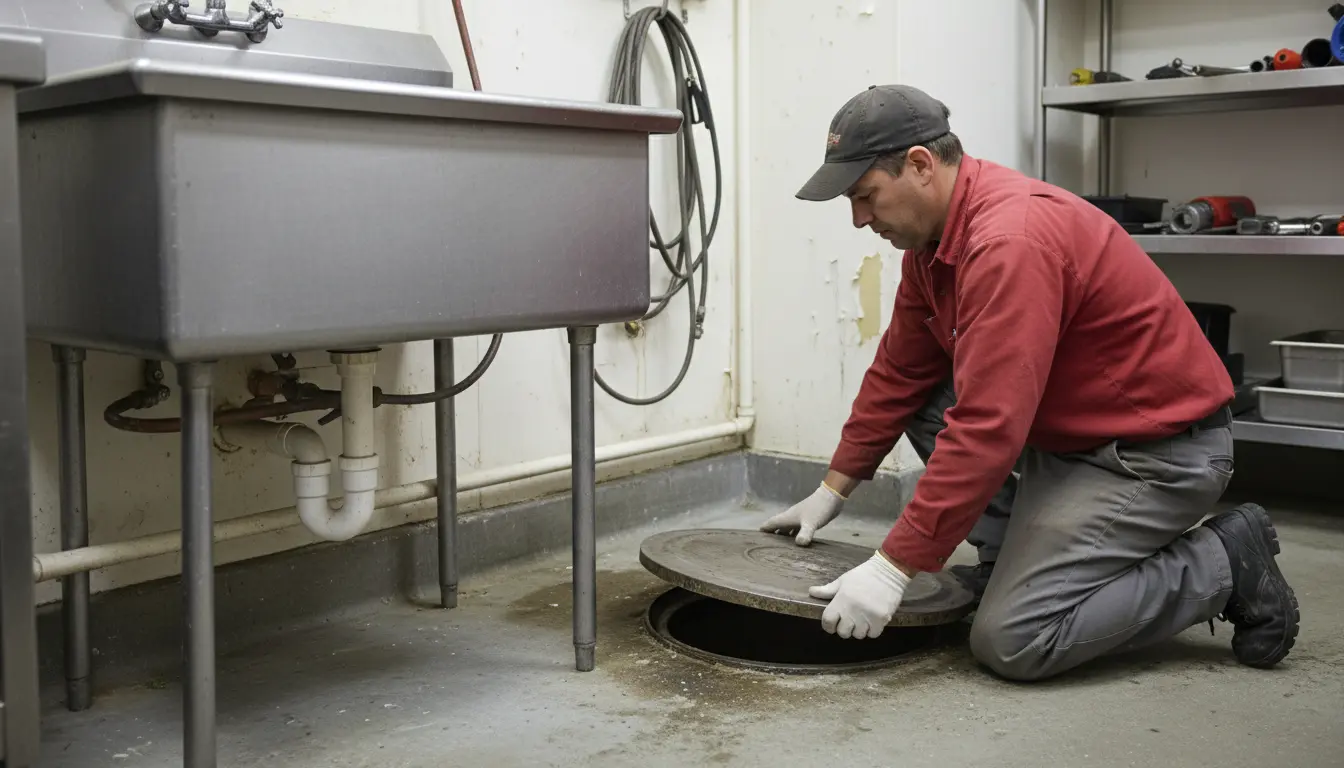
Find the Best Grease Trap Cleaning Companies for Your Business
No obligation • Fast responses • Nationwide coverage

Why you can trust Restaurant Waste Disposal
Restaurant Waste Disposal is a leading U.S. resource for comparing restaurant composting, food-waste recycling, grease trap cleaning, and used cooking oil collection services. Our editorial team researches providers, checks credentials, and organizes unbiased information so operators can make informed decisions. Companies cannot pay to change ratings or placement.
Search providers near you
Top Grease Trap Cleaning Companies in Layton, Utah Ranked
For any restaurant or food service business in Layton, managing fats, oils, and grease (FOG) is a critical operational and legal responsibility. Proper grease trap and interceptor maintenance is not just about preventing clogs; it's a key requirement enforced by local health and public works departments to protect the city's sewer infrastructure. Regular, professional cleaning by licensed haulers is essential to avoid severe penalties, including substantial fines, while ensuring your kitchen runs smoothly and complies with all Davis County and Layton City ordinances. Understanding the specific local regulations, inspection protocols, and cost structures for this service is fundamental for restaurant owners and managers.
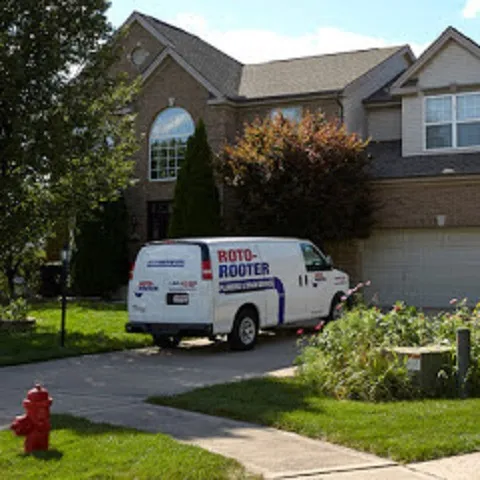
Roto-Rooter Plumbing & Water Cleanup
3670 Quincy Ave Ste 5, Ogden, UT 84403
Roto-Rooter Plumbing & Water Cleanup provides comprehensive plumbing services in Ogden, UT, addressing challenges posed by the local climate. The company offers a wide range of solutions including commercial plumbing, drain cleaning, grease trap pumping, sewer line repair, water heater services, and water softener and filtration installations. They utilize capabilities such as hydro-jetting and video camera sewer inspections to diagnose and resolve plumbing issues efficiently. Serving Ogden and the surrounding metro area, Roto-Rooter is available 24/7 for emergency plumbing needs, ensuring assistance at any time.
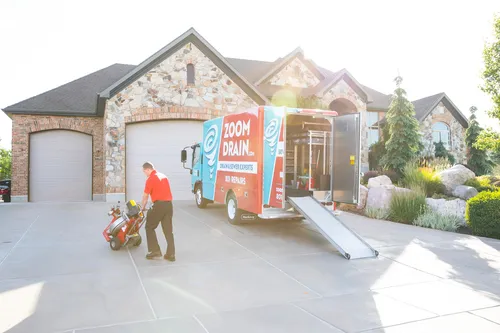
Zoom Drain
340 N Kays Dr #101, Kaysville, UT 84037
Zoom Drain is a drain and sewer cleaning company based in Layton, UT, serving Kaysville and surrounding areas including Davis, Salt Lake, and Weber counties. They provide residential and commercial drain and sewer services, specializing in inspections, cleanings, and repairs. Their capabilities include hydro jetting for thorough pipe cleaning and grease trap maintenance for the food and hospitality sector. Zoom Drain is known for using advanced tools and tailored maintenance plans to support property managers and contractors. They offer a contractor referral program and have a history of reliable service with positive customer feedback.
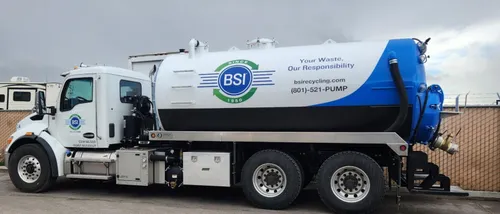
Beck's Sanitation
543 Iron Rose Pl, Salt Lake City, UT 84104
Beck's Sanitation is a family-owned sanitation company serving Salt Lake City, UT, with over 75 years of experience. They offer a range of services including grease trap cleaning, septic tank pumping, used cooking oil recycling, storm drain cleaning, and commercial pumping. The company emphasizes eco-friendly waste disposal and regulatory compliance, handling tasks such as car wash sump service, storm water management, and waste enclosure cleanup. Beck's Sanitation provides emergency and routine clean-outs to prevent blockages, flooding, and environmental hazards, supporting businesses in maintaining efficient and compliant operations.
Pumpers Plus
1606 Seneca Dr, Roy, UT 84067
Pumpers Plus is a locally owned business based in Ogden, UT, specializing in septic pumping and the removal of liquid non-hazardous waste. They serve a broad area across Utah, including Salt Lake Valley, Wasatch Front, Summit County, Heber, Park City, and surrounding communities. Their services cover septic tanks, grease traps, holding tanks, RV tanks, car wash tanks, and shop sumps. Pumpers Plus uses state-of-the-art equipment and holds full licensing and permits for all Utah counties, ensuring compliance and capability across their service area.
Understanding Local Grease Trap Regulations
In Layton, grease trap compliance is governed by a combination of city and county authorities. The primary regulatory bodies are the Davis County Health Department and Layton City Public Works or Engineering Department. These agencies establish and enforce ordinances designed to prevent FOG from entering the municipal sewer system, where it can solidify, cause blockages, and lead to costly sanitary sewer overflows (SSOs).
The cornerstone of local regulation is the 25% rule. This standard mandates that a grease interceptor must be pumped and cleaned when the combined FOG and solids accumulate to 25% of the unit's liquid depth1 2. However, many municipalities, including Layton, often set a maximum time interval between cleanings, making regular service a requirement regardless of the visible accumulation level. Non-compliance with these rules can trigger enforcement actions ranging from formal warnings to significant fines, which can escalate into the thousands of dollars for repeated violations1 2.
Key Compliance Requirements for Layton Businesses
To stay in good standing, Layton food service establishments must adhere to several specific protocols:
- Use Licensed Haulers: All grease trap waste must be pumped and disposed of by a hauler licensed and approved by the local authorities. Using an unlicensed service can result in violations.
- Maintain Detailed Records: Businesses are required to keep meticulous maintenance records on-site, typically for a minimum of three years. This includes detailed service invoices and waste manifests from the hauler, which specify the volume of waste removed and its final disposal location 3.
- Pass Routine Inspections: Health inspectors or city wastewater personnel can conduct unannounced inspections. They will check the physical condition and FOG level in your trap, review your maintenance logs, and verify that a licensed provider performed the service.
Determining Your Cleaning Frequency and Schedule
How often your establishment needs grease trap servicing is not a one-size-fits-all answer; it depends on your volume of cooking and local mandates. For most Layton restaurants, a quarterly schedule (every 90 days) is a common baseline to meet regulatory time intervals.
However, high-volume kitchens-such as busy diners, large banquet facilities, or establishments with significant fryer use-will almost certainly require monthly cleaning. The only way to determine the optimal schedule is to start with an assessment by a licensed professional. They can evaluate your trap's condition, your weekly grease production, and the local code requirements to recommend a compliant and effective service frequency. Sticking to this proactive schedule is far more cost-effective than facing emergency service calls or regulatory fines.
Find the perfect grease trap cleaning companies for your needs
Get personalized recommendations and expert advice
What to Expect During a Professional Service
A thorough, professional grease trap cleaning involves more than just removing liquid. A reputable, licensed hauler will follow a comprehensive process to ensure your system is fully serviced and compliant.
- Pumping: The technician will use a vacuum truck to remove all contents of the trap, including wastewater, accumulated FOG, and solid food particles.
- Scraping and Scrubbing: After pumping, the interior walls, baffles, and inlet/outlet tees are manually scraped and scrubbed to remove hardened grease deposits that vacuuming alone cannot eliminate.
- System Inspection: The technician should inspect the trap for structural integrity, check the baffles for proper function, and ensure all seals and lids are secure.
- Waste Disposal: The collected grease waste is transported to an approved facility, such as a rendering plant or wastewater treatment plant, for proper processing or disposal.
- Documentation: You will receive a detailed service report or manifest. This document is your proof of compliance and must be filed with your other maintenance records.
Cost Guide for Grease Trap Pumping in Layton
The cost for grease interceptor maintenance in Layton varies based on several factors. For a standard pumping and cleaning service of a typical indoor grease trap (common sizes range from 1,000 to 1,500 gallons), restaurant owners can expect prices to generally range from $175 to $400 or more per service4 5 6.
The final price is influenced by:
- Trap Size and Location: Larger traps and those that are difficult to access (e.g., indoors, in tight basements) cost more to service.
- Condition and Neglect: A well-maintained trap on a regular schedule is less expensive to clean. Traps that have been neglected may require "digesting" chemicals, high-pressure jetting, or extra labor, leading to "emergency" or "deep clean" pricing 7.
- Service Contract: Many providers offer discounted rates for establishments that commit to a regular monthly or quarterly service contract, providing predictable budgeting and often priority service.
Proactive Best Practices for Restaurant Managers
Beyond scheduling regular professional cleanings, your kitchen staff plays a vital role in grease trap health and compliance.
- Staff Training: Educate all employees on what should never go down the drain. This includes cooking oils, gravy, dairy products, and food scraps. Install and use sink strainers to catch solids.
- Pre-Scrape and Dry Wipe: Implement a "pre-scrape and dry wipe" policy for all dishes and cookware before they enter the dish pit. This dramatically reduces the FOG load entering the trap.
- Monitor and Document: Assign a manager to visually check the grease trap level periodically between professional services. Keep a simple log of these checks alongside your professional service records.
- Build a Relationship with Your Hauler: Choose a reliable, licensed local provider and communicate openly about your business volume. They can be a valuable partner in maintaining compliance.
Consequences of Non-Compliance
Ignoring grease trap maintenance is a high-risk decision for any Layton restaurant. The enforcement process typically begins with a warning during an inspection, but can quickly escalate.
Financial penalties can be severe, starting with fines that may range from hundreds of dollars for a first offense to thousands for repeat violations. In extreme cases of persistent non-compliance or a grease-caused sewer backup, a business can face mandatory closure until the issue is rectified and re-inspected. Furthermore, if your establishment is found responsible for a sewer line blockage or overflow, you could be liable for the city's cleanup costs and repairs, which can be astronomical. The cost of regular maintenance pales in comparison to these potential liabilities.
Frequently asked questions
Sources
Footnotes
-
How to Clean a Grease Trap (and How Often You Should) - https://greaseconnections.com/how-to-clean-a-grease-trap-and-how-often-you-should/ ↩ ↩2
-
Grease Trap Regulations and Compliance: What You Need to ... - https://www.texwaywastewater.com/grease-trap-regulations-and-compliance/ ↩ ↩2
-
Grease Traps for Restaurants: The Essential Guide - https://therestaurantwarehouse.com/blogs/restaurant-equipment/grease-trap-for-restaurant-guide ↩
-
Ultimate Grease Trap Pumping Cost Guide: Essential Money-Saving ... - https://www.texwaywastewater.com/grease-trap-pumping-cost/ ↩
-
How Much Does a Proper Grease Trap Cleaning Cost? - https://hulseyenvironmental.com/how-much-does-a-proper-grease-trap-cleaning-partner-cost/ ↩
-
Grease Trap Cleaning Prices | Guide on the Industry Average - https://grease-cycle.com/grease-trap-pumping-cost/ ↩
-
The Cost To Clean A Grease Trap For Restaurants - https://thegreasecompany.com/blog/greasetrapcleaningcost/ ↩