Find the Best Grease Trap Cleaning Companies for Your Business
No obligation • Fast responses • Nationwide coverage

Why you can trust Restaurant Waste Disposal
Restaurant Waste Disposal is a leading U.S. resource for comparing restaurant composting, food-waste recycling, grease trap cleaning, and used cooking oil collection services. Our editorial team researches providers, checks credentials, and organizes unbiased information so operators can make informed decisions. Companies cannot pay to change ratings or placement.
Search providers near you
Top Grease Trap Cleaning Companies in St George, Utah Ranked
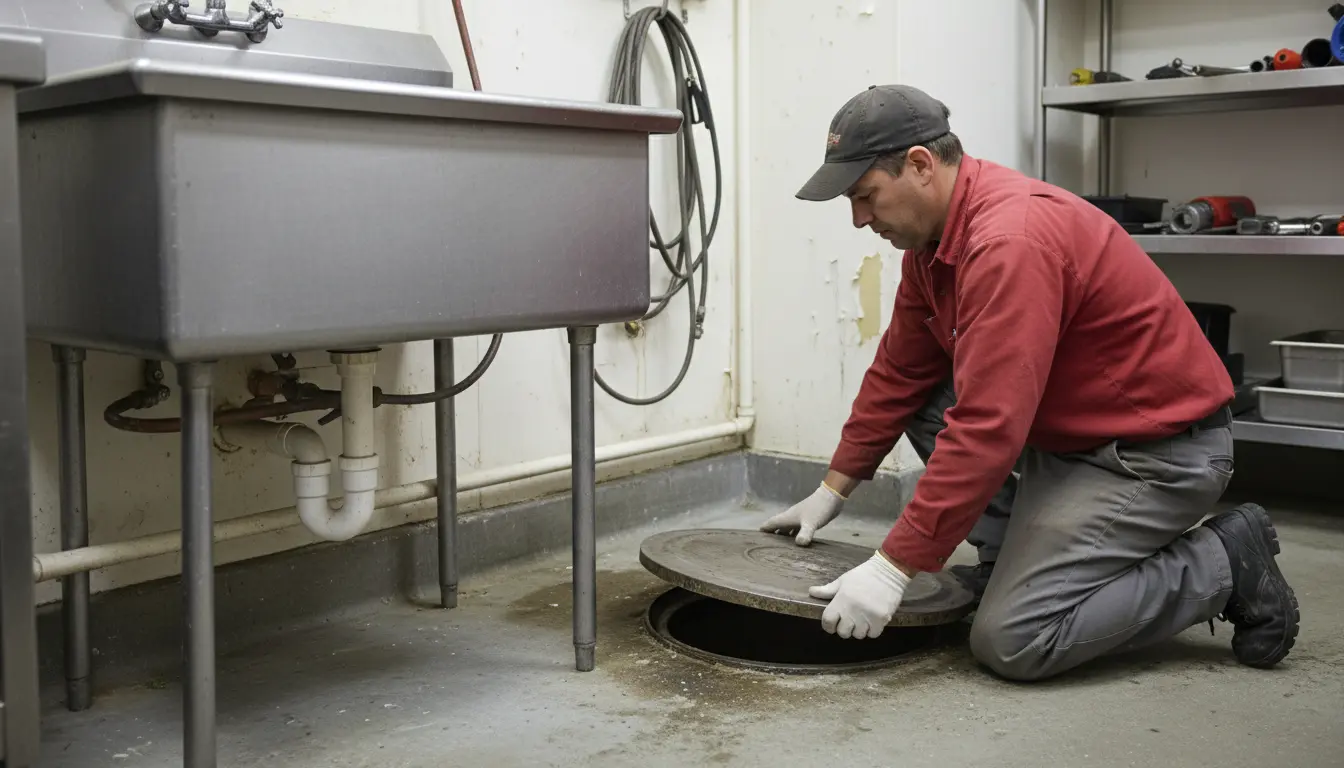
For any restaurant, café, or food service establishment in St. George, managing fats, oils, and grease (FOG) is a critical operational and legal responsibility. Proper grease interceptor maintenance is not just about avoiding unpleasant odors or slow drains; it's a mandated requirement by the St. George Regional Water Reclamation Facility (SGRWRF) to protect the city's sewer infrastructure from costly blockages and environmental harm. Regular, professional grease trap cleaning ensures your business remains in compliance with local codes, avoids significant fines, and prevents emergency backups that can disrupt service. This guide outlines the specific regulations, maintenance schedules, and cost considerations for effective FOG management in St. George.

John's Septic Services
1848 Gunlock Ct, St. George, UT 84790
John's Septic Services is a septic tank and grease trap cleaning company based in St George, UT. They serve a wide area including Southern Utah, parts of Nevada, and Arizona. Their services include septic tank pumping, grease trap maintenance, leach line cleaning with high-pressure water, and installation of risers and lids to improve septic system access. The company has been in business since 1994 and all technicians are certified through UHD. They also offer after-hours service for urgent needs.

Ace in the Hole Pumping
St George, UT
Ace in the Hole Pumping provides septic and grease trap pumping services in St George, UT. They offer residential septic services including tank locating, pumping, cleaning, inspections, and bacteria additives. The company serves both small businesses and large corporations with waste removal needs and is available for regular maintenance or emergency situations.
Understanding St. George's FOG Control Ordinance
The City of St. George has a detailed FOG control program under City Code § 8-4-14. The ordinance is designed to prevent sewer system overflows and the expensive damage they cause. Compliance is not optional; it's a condition of operating a food service business connected to the municipal sewer. The SGRWRF's Pretreatment Program actively enforces these rules through inspections and record audits.
Key mandates include:
- Mandatory Installation: Grease interceptors or traps are required for facilities with a three-compartment sink or any operation that produces significant amounts of FOG. The necessity and proper sizing must be determined and approved by the SGRWRF before installation 1.
- Professional Sizing: The capacity of your grease interceptor must be calculated by a professional engineer or plumber based on your kitchen's fixtures and flow rates. Traps have specific flow limits (e.g., 20-50 gallons per minute), and all plans require SGRWRF approval2 3.
- Accessibility: Your interceptor must be easily accessible for cleaning and inspection at all times.
- Prohibited Practices: Discharging food waste through a grinder into the interceptor or introducing water hotter than 140°F is strictly prohibited, as these practices reduce the trap's effectiveness4.
Maintenance Frequency and Compliance Documentation
How often you need grease interceptor service isn't just a guess-it's defined by code. In St. George, interceptors must be cleaned when the combined FOG and settled solids accumulate to 25% of the unit's liquid depth5 6. For most busy restaurants, this typically translates to a cleaning schedule of every 1 to 3 months, though frequency can vary based on your volume of cooking7.
The most critical part of maintenance is documentation. The SGRWRF requires you to maintain detailed records on-site for review during inspections. Your service provider should supply a receipt or manifest for each cleaning. Your records should include:
- Date of service
- Name of the hauler/company performing the service
- Volume of waste removed
- Disposal location
- Observations of the interceptor's condition
These records are your proof of compliance and are essential for avoiding violations8.
The Cost of Compliance vs. Non-Compliance
Investing in regular maintenance is far more economical than dealing with the consequences of neglect. Service costs in St. George vary based on the size of your interceptor, its location, and how often it's serviced.
- Preventative/Scheduled Cleaning: A routine pumping and cleaning service for a standard commercial grease trap typically ranges from $175 to $400 per visit. This is a planned, efficient expense that keeps your system functioning and your business in good standing.
- Emergency or Neglected Trap Cleaning: If an interceptor becomes overfull, causes a backup, or triggers a code violation, the service becomes an emergency call. These services are more complex, time-sensitive, and can cost $800 to $1,200 or more9 10. This does not include potential fines from the city or lost revenue from a business interruption.
The key takeaway is clear: proactive, scheduled grease trap maintenance saves significant money and hassle compared to reactive emergency calls 11.
Find the perfect grease trap cleaning companies for your needs
Get personalized recommendations and expert advice
Consequences of FOG Violations in St. George
The SGRWRF takes FOG regulation seriously. Enforcement actions can include 12:
- Fines: Monetary penalties for non-compliance, which can escalate for repeat offenses.
- Operational Shutdowns: In severe cases, the city can require a business to cease operations until the grease interceptor is brought into compliance.
- Sewer Surcharges: Facilities may be billed for the additional cost of treating FOG-laden wastewater.
- Legal Liability: If your FOG discharge contributes to a sewer line blockage or sanitary sewer overflow, your business could be held financially responsible for cleanup and damages.
Regular cleaning is your primary defense against these risks, protecting your investment and your reputation.
Choosing a Service Provider in St. George
When selecting a company for grease interceptor maintenance, ensure they are licensed, insured, and familiar with St. George City and SGRWRF requirements. A reputable provider will:
- Offer scheduled service plans tailored to your establishment's needs.
- Provide detailed, professional service manifests that meet record-keeping requirements.
- Properly dispose of collected FOG at approved facilities.
- Inform you of any potential issues with your interceptor, such as damage or needed repairs.
Establishing a relationship with a reliable service provider turns a complex regulatory requirement into a simple, scheduled task.
Frequently asked questions
Sources
Footnotes
-
FOOD ESTABLISHMENT PLAN REVIEW GUIDE | Utah Department ... - https://ag.utah.gov/wp-content/uploads/2023/09/Plan-Review-Guidance.pdf ↩
-
7-5-14-3: INTERCEPTOR AND TRAP INSTALLATION ... - https://codelibrary.amlegal.com/codes/washingtonut/latest/washington_ut/0-0-0-12133 ↩
-
Grease Traps - UpCodes - https://up.codes/s/grease-traps ↩
-
7-5-14-7: GREASE TRAP OPERATION AND MAINTENANCE REQUIREMENTS: - https://codelibrary.amlegal.com/codes/washingtonut/latest/washington_ut/0-0-0-12180 ↩
-
§ 8-4-14 Fats, Oils, Grease, And Soil (Fogs) Control | St. George City Code - https://stgeorge.municipal.codes/Code/8-4-14 ↩
-
Grease Trap Cleaning Services in Utah - Go2Pumpers - https://go2pumpers.com/grease-traps/ ↩
-
How to Clean a Grease Trap (and How Often You Should) - https://greaseconnections.com/how-to-clean-a-grease-trap-and-how-often-you-should/ ↩
-
13.22.1360: GREASE TRAP OPERATION AND MAINTENANCE ... - https://codelibrary.amlegal.com/codes/santaclaraut/latest/santaclara_ut/0-0-0-4542 ↩
-
Ultimate Grease Trap Pumping Cost Guide: Essential Money-Saving ... - https://www.texwaywastewater.com/grease-trap-pumping-cost/ ↩
-
The Cost To Clean A Grease Trap For Restaurants - https://thegreasecompany.com/blog/greasetrapcleaningcost/ ↩
-
Ultimate Guide To Provo Grease Trap Maintenance - myshyft.com - https://www.myshyft.com/blog/grease-trap-cleaning-provo-utah/ ↩
-
Food Service Establishments And Fog - City of St. George - https://sgcityutah.gov/departments/water_services/pretreatment_program/food_service_establishments_and_fog.php ↩