
Find the Best Grease Trap Cleaning Companies for Your Business
No obligation • Fast responses • Nationwide coverage

Why you can trust Restaurant Waste Disposal
Restaurant Waste Disposal is a leading U.S. resource for comparing restaurant composting, food-waste recycling, grease trap cleaning, and used cooking oil collection services. Our editorial team researches providers, checks credentials, and organizes unbiased information so operators can make informed decisions. Companies cannot pay to change ratings or placement.
Search providers near you
Top Grease Trap Cleaning Companies in West Jordan, Utah Ranked
For restaurant owners and food service operators in West Jordan, managing grease traps and interceptors is a critical, non-negotiable part of daily operations. Compliance with Utah Plumbing Code and local sewer district regulations isn't just about avoiding fines-it's about protecting your plumbing, the community's wastewater infrastructure, and the environment. Proper grease interceptor maintenance involves regular pumping, detailed record-keeping, and understanding the specific requirements enforced by local authorities like the South Valley Water Reclamation Facility (SVWRF) and West Jordan City. This guide provides a detailed overview of what you need to know to stay compliant and keep your kitchen running smoothly.
Roto-Rooter Plumbing & Water Cleanup
4376 N Forestdale Dr Bldg 12, Ste 3, Park City, UT 84098
Roto-Rooter Plumbing & Water Cleanup offers comprehensive plumbing services in Salt Lake City, UT, and the surrounding Park City area. They handle a wide range of residential and commercial plumbing needs, including floodwater cleanup, sewer and drain cleaning, water heater repairs, grease trap maintenance, and mold remediation. The company is equipped to manage unique local challenges such as frozen pipes and snowmelt floods. Roto-Rooter is known for its expertise in commercial plumbing systems and uses advanced equipment like high-pressure water jetting (hydro-jetting) to clear tough blockages. Established in 1935, Roto-Rooter provides 24/7 emergency plumbing services to address urgent issues at any time.
Roto-Rooter Plumbing & Water Cleanup
333 W 2230 N Ste 320, Provo, UT 84604
Roto-Rooter Plumbing & Water Cleanup offers commercial plumbing and water cleanup services in Provo, UT. They serve office buildings, retail stores, schools, healthcare facilities, and more across Utah County. Their services include grease trap cleaning, high-pressure water jetting (hydro-jetting), sewer and water line excavation, and expert drain cleaning using advanced tools. The company also provides water heater repair and installation for traditional, tankless, and solar models, addressing issues caused by Provo's hard water. Additionally, they perform sewer pipe restoration with video camera inspections and both trenchless and conventional repair methods. Roto-Rooter installs water softener and filtration systems to improve water quality and protect plumbing fixtures. They serve a wide range of communities in the Provo area, including Orem, Spanish Fork, and Pleasant Grove.
Zoom Drain
340 N Kays Dr #101, Kaysville, UT 84037
Zoom Drain is a drain and sewer cleaning company based in Layton, UT, serving Kaysville and surrounding areas including Davis, Salt Lake, and Weber counties. They provide residential and commercial drain and sewer services, specializing in inspections, cleanings, and repairs. Their capabilities include hydro jetting for thorough pipe cleaning and grease trap maintenance for the food and hospitality sector. Zoom Drain is known for using advanced tools and tailored maintenance plans to support property managers and contractors. They offer a contractor referral program and have a history of reliable service with positive customer feedback.
Beck's Sanitation
543 Iron Rose Pl, Salt Lake City, UT 84104
Beck's Sanitation is a family-owned sanitation company serving Salt Lake City, UT, with over 75 years of experience. They offer a range of services including grease trap cleaning, septic tank pumping, used cooking oil recycling, storm drain cleaning, and commercial pumping. The company emphasizes eco-friendly waste disposal and regulatory compliance, handling tasks such as car wash sump service, storm water management, and waste enclosure cleanup. Beck's Sanitation provides emergency and routine clean-outs to prevent blockages, flooding, and environmental hazards, supporting businesses in maintaining efficient and compliant operations.
SOS Pumping Services
2230 N Piper Ln, Eagle Mountain, UT 84005
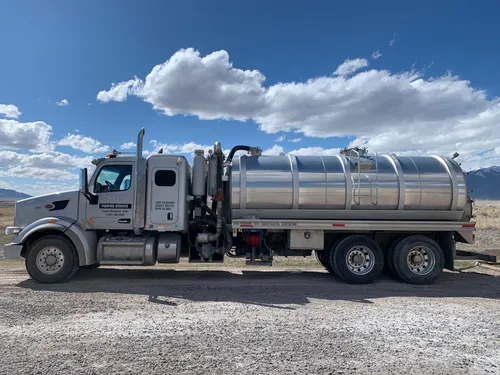
SOS Pumping Services is based in Eagle Mountain, UT, offering grease trap cleaning, septic tank pumping, and non-hazardous waste pumping for residential and commercial clients. They serve all of Utah, as well as parts of Wyoming and Idaho. Established in 1996, the company has over 25 years of experience in safely pumping and transporting non-hazardous waste to appropriate treatment and disposal facilities. Their services include routine maintenance and emergency pumping, focusing on compliance with safety regulations and environmental responsibility.
Understanding Local Regulations and Governing Bodies
Navigating the regulatory landscape is the first step to effective grease management. In West Jordan, your establishment is subject to a combination of state and local rules.
Primary Authorities:
- South Valley Water Reclamation Facility (SVWRF): This district has adopted specific Pretreatment Rules and Regulations that govern commercial establishments discharging into the sewer system. Their rules mandate the proper use and maintenance of grease interceptors to prevent blockages and interference with the treatment plant.
- West Jordan City Public Works/Health Department: The city enforces local ordinances and the Utah State Plumbing Code, which includes requirements for grease interceptor installation, sizing, and accessibility.
- Utah State Plumbing Code (2021): This is the foundational code, specifically section 1003.3.1, which details requirements for grease interceptors, including where they are required, proper sizing based on fixture flow rates, and installation standards.
Key Regulatory Requirements: Local ordinances and state code typically require grease interceptors for all fixtures in food preparation and cleanup areas, including pot sinks, pre-rinse sinks, and floor drains. Key mandates include:
- Proper Sizing: Interceptors must be sized according to the fixture units and flow rates they serve, as per plumbing code calculations. An undersized trap will fail quickly 1.
- Accessibility: They must be easily accessible for inspection, servicing, and cleaning without requiring excavation or the removal of permanent fixtures.
- No Improper Discharge: Regulations strictly prohibit the discharge of hot water (which melts grease, allowing it to pass through), food waste from grinders, and chemicals that could emulsify fats, oils, and grease (FOG) into the interceptor 2.
Inspection Schedules, Enforcement, and Avoiding Penalties
Local health and sewer authorities conduct inspections to ensure compliance. Being unprepared can lead to severe consequences.
What Inspectors Look For: During an inspection, officials will check the physical condition of your grease interceptor and, crucially, your documentation. They will verify:
- Maintenance Records: You are required to keep detailed service logs for a minimum of three years 3. These logs should include the date of service, the company that performed it, the volume of waste removed, and the disposal method.
- Interceptor Condition: Inspectors check for signs of neglect, such as overfilled traps, foul odors, or visible grease bypassing into the outlet pipe.
- Overall Compliance: This includes verifying that the interceptor is the correct size, properly installed, and that staff practices (like scraping plates) are not contributing to excessive loading.
Consequences of Non-Compliance: Neglecting grease trap maintenance is a costly mistake. Enforcement actions can include:
- Substantial Fines: Sewer districts can levy significant daily fines for violations, which can accumulate into thousands of dollars.
- Emergency Clean-Out Orders: You may be ordered to have the interceptor pumped immediately at a premium emergency rate.
- Plumbing Backups: Severe blockages can cause sewage to back up into your kitchen, leading to health hazards, business interruption, and expensive repairs.
- Permit or License Issues: Chronic non-compliance can jeopardize your business license or food establishment permit.
Proactive Best Practices: The best defense is a good offense. Implement these practices to sail through inspections:
- Maintain Meticulous Logs: Keep a dedicated binder or digital file for all grease interceptor service reports.
- Train Your Staff: Ensure all kitchen staff are trained to scrape food waste into trash bins before washing and to avoid pouring grease down any drain.
- Schedule Proactively: Don't wait for an inspection notice or a backup. Establish a regular pumping schedule based on your volume and usage.
Find the perfect grease trap cleaning companies for your needs
Get personalized recommendations and expert advice
Service Costs and Scheduling for West Jordan Restaurants
The cost of grease trap cleaning is an operational necessity, and understanding the factors involved helps in budgeting effectively.
Factors Influencing Cost: The price for a standard pumping service is not one-size-fits-all. It depends on several variables:
- Interceptor Size: A small 500-gallon grease trap will cost less to service than a large 1000+ gallon interceptor. Costs typically range from $175 to $400 or more per service visit 4 5.
- Service Frequency: Establishments on a monthly or quarterly maintenance contract often receive a discounted rate per visit compared to one-time emergency calls.
- Location and Accessibility: Easily accessible, above-ground interceptors are less labor-intensive to service than those in tight basements or buried underground.
- Volume of Waste: The amount of FOG and solids removed can affect the disposal costs for the service provider.
Understanding Service Frequency: While local codes may specify a minimum (often quarterly), the optimal pumping schedule is determined by how quickly your trap reaches 25% capacity. High-volume restaurants may need monthly service, while lower-volume cafes might manage with quarterly cleanings. A reliable service provider can recommend a schedule after an initial assessment.
The High Cost of Emergencies: An emergency service call, often needed after a backup or an inspection failure, can come with a 50% to 100% premium on the standard rate 6. The cost of the emergency pump-out, plus potential fines, makes preventive maintenance a clear financial winner.
Actionable Steps for West Jordan Restaurant Operators
- Confirm Local Requirements: Contact the South Valley Water Reclamation Facility (SVWRF) and the West Jordan City Public Works Department to obtain the exact local ordinances and pretreatment rules applicable to your business address 7 8.
- Audit Your Current System: Identify the size, location, and condition of your grease interceptor(s). Review your last 3 years of service records to ensure they are complete.
- Establish a Relationship with a Licensed Provider: Partner with a reputable, licensed grease trap cleaning service familiar with SVWRF and West Jordan City regulations. They can help you determine the correct service frequency.
- Implement an Internal Log System: Create a simple, consistent method for filing every service report. Designate a manager to be responsible for this log.
- Schedule Regular Maintenance: Based on your provider's recommendation, set up a recurring service schedule (e.g., every 8-12 weeks) and stick to it. Mark it on the calendar well in advance of any anticipated inspections.
Frequently asked questions
Sources
Footnotes
-
2021 Utah State Plumbing Code - 1003.3.1 Grease interceptors and ... - https://codes.iccsafe.org/s/UTPC2021P1/chapter-10-traps-interceptors-and-separators/UTPC2021P1-Ch10-Sec1003.3.1 ↩
-
ordinance no. 153 - West Valley Sanitation District - https://www.wvsdca.gov/DocumentCenter/View/565 ↩
-
Grease Trap Cleaning | Beck's Sanitation - https://www.bsirecycling.com/services/grease-trap-cleaning ↩
-
Ultimate Grease Trap Pumping Cost Guide: Essential Money ... - https://www.texwaywastewater.com/grease-trap-pumping-cost/ ↩
-
The Cost To Clean A Grease Trap For Restaurants - https://thegreasecompany.com/blog/greasetrapcleaningcost/ ↩
-
How to Clean a Grease Trap (and How Often You Should) - https://greaseconnections.com/how-to-clean-a-grease-trap-and-how-often-you-should/ ↩
-
FOOD ESTABLISHMENT PLAN REVIEW GUIDE | Utah Department ... - https://ag.utah.gov/wp-content/uploads/2023/09/Plan-Review-Guidance.pdf ↩
-
SVWRF_Pretreatment_Rules_an... - https://www.svwater.com/documents/593/SVWRF_Pretreatment_Rules_and_Regulations_Adopted_8-18-2010_v3-30-16.docx ↩