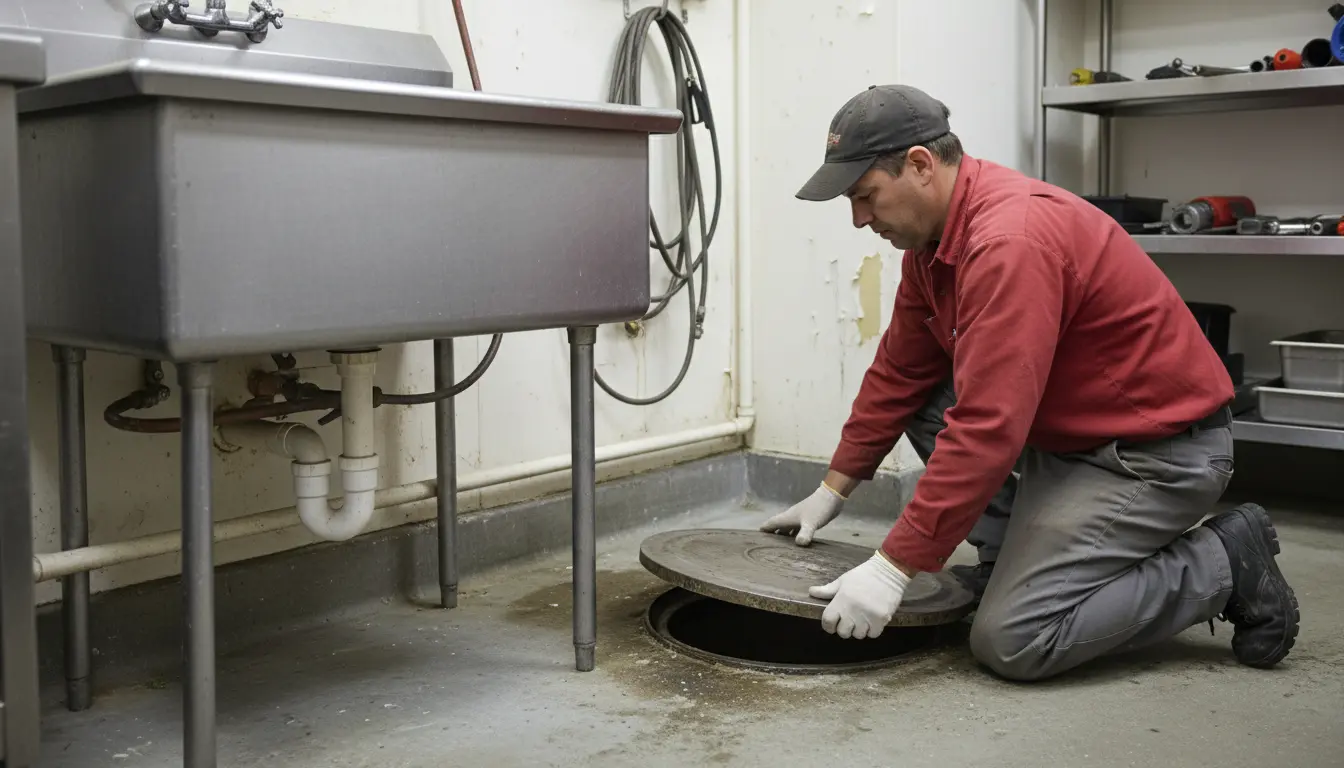
Find the Best Grease Trap Cleaning Companies for Your Business
No obligation • Fast responses • Nationwide coverage

Why you can trust Restaurant Waste Disposal
Restaurant Waste Disposal is a leading U.S. resource for comparing restaurant composting, food-waste recycling, grease trap cleaning, and used cooking oil collection services. Our editorial team researches providers, checks credentials, and organizes unbiased information so operators can make informed decisions. Companies cannot pay to change ratings or placement.
Search providers near you
Top Grease Trap Cleaning Companies in Draper, Utah Ranked
For any restaurant or food service establishment (FSE) in Draper, maintaining a clean and compliant grease interceptor is a non-negotiable aspect of daily operations. These systems are mandated by Utah state and local plumbing codes to prevent fats, oils, and grease (FOG) from entering and clogging the municipal sewer system. Proper grease trap maintenance is not just about avoiding backups; it's a critical regulatory requirement with strict documentation rules. Failure to adhere to these standards can result in significant fines, operational disruptions, and even risks to your business license. Proactive, scheduled cleaning by a licensed provider is the most effective strategy to ensure compliance, protect your plumbing, and manage costs predictably.
Roto-Rooter Plumbing & Water Cleanup
4376 N Forestdale Dr Bldg 12, Ste 3, Park City, UT 84098
Roto-Rooter Plumbing & Water Cleanup offers comprehensive plumbing services in Salt Lake City, UT, and the surrounding Park City area. They handle a wide range of residential and commercial plumbing needs, including floodwater cleanup, sewer and drain cleaning, water heater repairs, grease trap maintenance, and mold remediation. The company is equipped to manage unique local challenges such as frozen pipes and snowmelt floods. Roto-Rooter is known for its expertise in commercial plumbing systems and uses advanced equipment like high-pressure water jetting (hydro-jetting) to clear tough blockages. Established in 1935, Roto-Rooter provides 24/7 emergency plumbing services to address urgent issues at any time.
Roto-Rooter Plumbing & Water Cleanup
333 W 2230 N Ste 320, Provo, UT 84604
Roto-Rooter Plumbing & Water Cleanup offers commercial plumbing and water cleanup services in Provo, UT. They serve office buildings, retail stores, schools, healthcare facilities, and more across Utah County. Their services include grease trap cleaning, high-pressure water jetting (hydro-jetting), sewer and water line excavation, and expert drain cleaning using advanced tools. The company also provides water heater repair and installation for traditional, tankless, and solar models, addressing issues caused by Provo's hard water. Additionally, they perform sewer pipe restoration with video camera inspections and both trenchless and conventional repair methods. Roto-Rooter installs water softener and filtration systems to improve water quality and protect plumbing fixtures. They serve a wide range of communities in the Provo area, including Orem, Spanish Fork, and Pleasant Grove.
Beck's Sanitation
543 Iron Rose Pl, Salt Lake City, UT 84104
Beck's Sanitation is a family-owned sanitation company serving Salt Lake City, UT, with over 75 years of experience. They offer a range of services including grease trap cleaning, septic tank pumping, used cooking oil recycling, storm drain cleaning, and commercial pumping. The company emphasizes eco-friendly waste disposal and regulatory compliance, handling tasks such as car wash sump service, storm water management, and waste enclosure cleanup. Beck's Sanitation provides emergency and routine clean-outs to prevent blockages, flooding, and environmental hazards, supporting businesses in maintaining efficient and compliant operations.
SOS Pumping Services
2230 N Piper Ln, Eagle Mountain, UT 84005
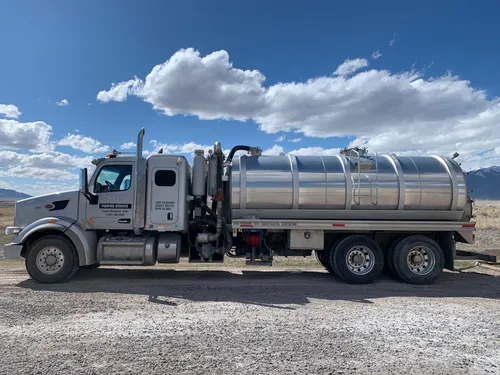
SOS Pumping Services is based in Eagle Mountain, UT, offering grease trap cleaning, septic tank pumping, and non-hazardous waste pumping for residential and commercial clients. They serve all of Utah, as well as parts of Wyoming and Idaho. Established in 1996, the company has over 25 years of experience in safely pumping and transporting non-hazardous waste to appropriate treatment and disposal facilities. Their services include routine maintenance and emergency pumping, focusing on compliance with safety regulations and environmental responsibility.
Understanding Draper's Grease Interceptor Requirements
All food service establishments in Draper are required to have properly sized and installed grease interceptors for grease-laden waste 1. The specific rules are outlined in the Utah State Plumbing Code and local ordinances, which set the standard for operation and maintenance. The key principle is that these devices must be maintained to prevent FOG from discharging into the public sewer. This isn't a suggestion-it's a enforceable code designed to protect the city's wastewater infrastructure from blockages that can lead to costly overflows and environmental issues.
Local health departments and city inspectors have the authority to conduct random inspections to verify compliance. During these inspections, they will request detailed service records. Using a city-approved or licensed waste hauler for your grease trap pumping and cleaning services is essential, as their documentation is typically required to prove proper maintenance.
Mandatory Maintenance Frequency and Procedures
How often does your Draper restaurant need grease interceptor service? The frequency is not arbitrary. Regulations generally require cleaning no less than monthly, or more often if the interceptor is 25% full of FOG and solids 2 3. The best practice is to follow the manufacturer's specifications for your specific unit, which may dictate an even more frequent schedule based on your kitchen's volume.
A proper, code-compliant cleaning involves more than just pumping out liquid. The interceptor must be fully emptied, and all solids must be scraped and removed from the walls, baffles, and interior components. Simply diluting the contents with water is strictly prohibited, as it does not remove the FOG and violates effluent standards. Furthermore, certain equipment like automatic dishwashers and food grinders should never be connected to the line feeding the grease trap, as they can overwhelm the system with solids and emulsified grease.
The Critical Importance of Documentation
In the world of grease trap compliance, if it isn't documented, it didn't happen. Draper food service operators are required to keep detailed service records for a minimum of three years. These logs should be readily available for any inspector and must include:
- Date of service
- Name of the licensed servicing company
- Volume of grease and waste removed
- Disposal location for the hauled waste
- Signature of the service provider
Maintaining this paper trail is your primary defense during an inspection. It demonstrates a commitment to regular maintenance and responsible operations. A reputable, licensed service provider will supply you with this documentation after every service visit.
Find the perfect grease trap cleaning companies for your needs
Get personalized recommendations and expert advice
Cost of Grease Trap Services in Draper
Understanding the cost structure for grease interceptor maintenance helps in budgeting and highlights the value of preventative care. Costs can vary based on the size of your trap, its location, accessibility, and its condition.
- Regular, Preventative Cleaning: For a well-maintained, indoor grease trap that is serviced on a scheduled basis, you can expect costs to range from $175 to $475 per service 4.
- Emergency or Neglected Service: If a trap is overdue for service or has failed, requiring an emergency call, prices can be two to three times higher than standard cleaning. Neglected traps require more labor, time, and disposal volume.
- Annual Maintenance Budget: For a typical restaurant adhering to a monthly or quarterly schedule, total annual costs for proper grease trap maintenance can range from $2,000 to $5,000 5 6 7.
Investing in scheduled maintenance is consistently more cost-effective than reacting to problems. Emergency service calls, potential fines from the city, and repair costs for damaged plumbing or cleanup from a backup far exceed the predictable expense of routine pumping 8 9.
Best Practices for Draper Restaurant Owners
Beyond hiring a licensed provider, there are operational steps you can take to improve efficiency and reduce costs.
- Implement Proactive Scheduling: Don't wait for a problem. Work with your service provider to establish a regular cleaning schedule based on your kitchen's output and the manufacturer's guidelines. This ensures compliance and locks in lower, preventative rates.
- Train Your Kitchen Staff: Educate your team on best practices for minimizing FOG entering the drain. This includes scraping all food waste into trash bins before washing, using sink strainers, and avoiding pouring any oils or grease down the drain.
- Select Your Service Partner Wisely: Choose a reliable, licensed, and insured grease trap cleaning company with a strong reputation in the Draper area. They should be knowledgeable about local codes, provide thorough documentation, and offer responsive service. Their expertise is a key part of your compliance strategy.
Adherence to grease interceptor regulations is a fundamental responsibility for Draper's food service industry. By understanding the requirements, maintaining meticulous records, and partnering with a qualified service provider for regular maintenance, you safeguard your business from penalties, contribute to the health of the city's infrastructure, and ensure the smooth operation of your own kitchen.
Frequently asked questions
Sources
Footnotes
-
2021 Utah State Plumbing Code - 1003.3.1 Grease interceptors and ... - https://codes.iccsafe.org/s/UTPC2021P1/chapter-10-traps-interceptors-and-separators/UTPC2021P1-Ch10-Sec1003.3.1 ↩
-
How to Clean a Grease Trap (and How Often You Should) - https://greaseconnections.com/how-to-clean-a-grease-trap-and-how-often-you-should/ ↩
-
7-5-14-7: GREASE TRAP OPERATION AND MAINTENANCE ... - https://codelibrary.amlegal.com/codes/washingtonut/latest/washington_ut/0-0-0-12180 ↩
-
How Much Does a Proper Grease Trap Cleaning Cost? - https://hulseyenvironmental.com/how-much-does-a-proper-grease-trap-cleaning-partner-cost/ ↩
-
Ultimate Guide To Provo Grease Trap Maintenance - Shyft - https://www.myshyft.com/blog/grease-trap-cleaning-provo-utah/ ↩
-
Grease Trap Pumping Cost vs. Grease Trap Maintenance Cost - https://www.stateindustrial.com/video/cost-comparison-pumping-v-chemicals-to-maintain-a-grease-trap/ ↩
-
Restaurant Grease Trap & Interceptor Cleaning Cost - https://greasemanagement.org/pricing.html ↩
-
Grease Trap Regulations and Compliance: What You Need to ... - https://www.texwaywastewater.com/grease-trap-regulations-and-compliance/ ↩
-
Ultimate Grease Trap Pumping Cost Guide: Essential Money-Saving ... - https://www.texwaywastewater.com/grease-trap-pumping-cost/ ↩