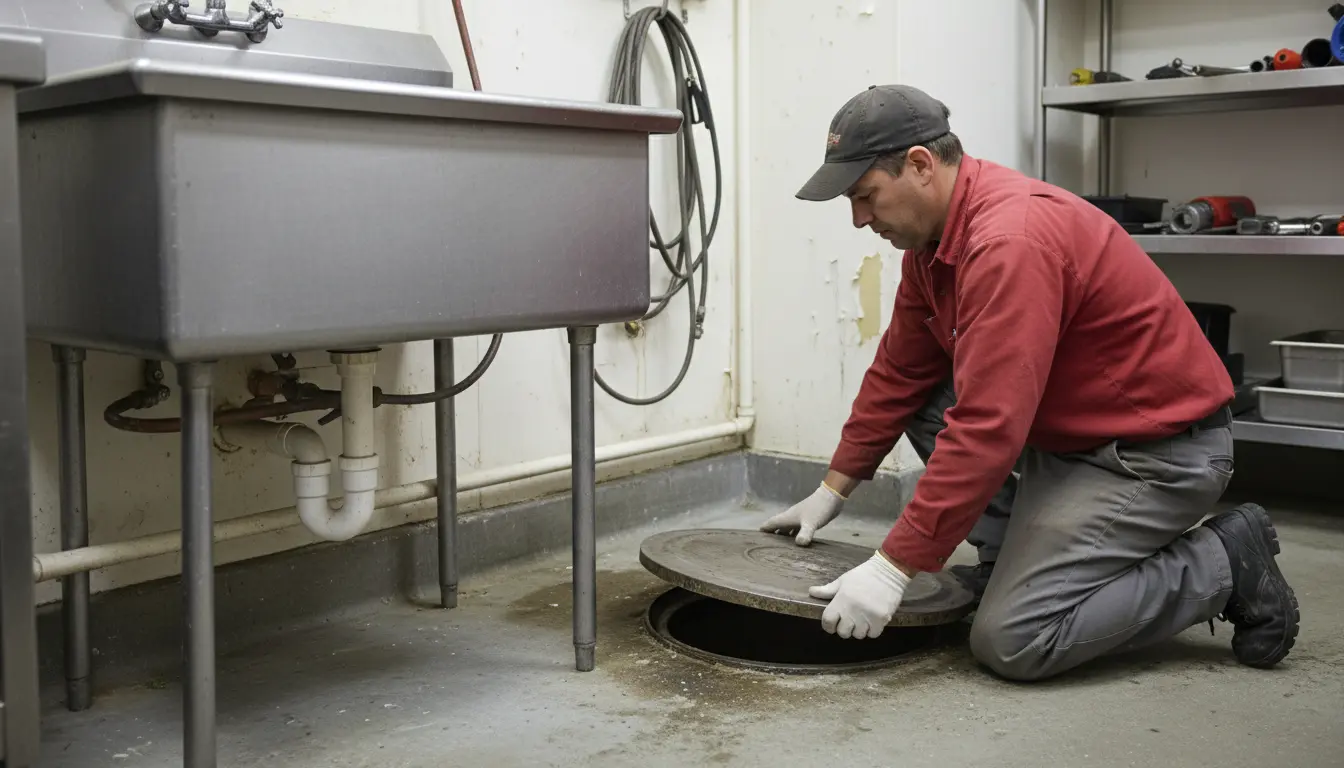
Find the Best Grease Trap Cleaning Companies for Your Business
No obligation • Fast responses • Nationwide coverage

Why you can trust Restaurant Waste Disposal
Restaurant Waste Disposal is a leading U.S. resource for comparing restaurant composting, food-waste recycling, grease trap cleaning, and used cooking oil collection services. Our editorial team researches providers, checks credentials, and organizes unbiased information so operators can make informed decisions. Companies cannot pay to change ratings or placement.
Search providers near you
Top Grease Trap Cleaning Companies in Bountiful, Utah Ranked
For any restaurant, café, or food service establishment in Bountiful, managing fats, oils, and grease (FOG) is a critical operational and legal responsibility. Proper grease trap and interceptor maintenance is not just about avoiding unpleasant odors or clogs; it's a mandated requirement under Utah state and local Bountiful City codes to protect the public sewer system from costly blockages and environmental damage. This guide provides Bountiful food service operators with essential information on regulations, best practices, and costs for effective grease management, helping you stay compliant and avoid significant fines or liability.
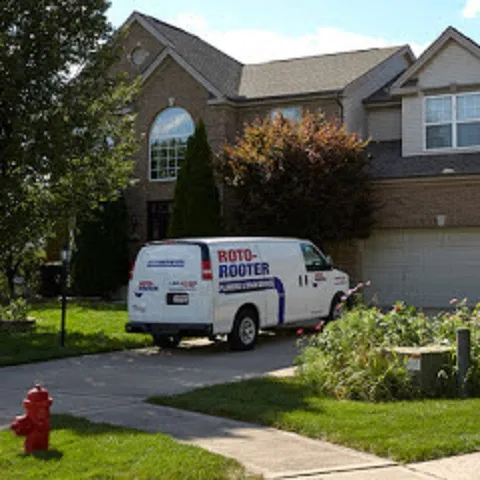
Roto-Rooter Plumbing & Water Cleanup
4376 N Forestdale Dr Bldg 12, Ste 3, Park City, UT 84098
Roto-Rooter Plumbing & Water Cleanup offers comprehensive plumbing services in Salt Lake City, UT, and the surrounding Park City area. They handle a wide range of residential and commercial plumbing needs, including floodwater cleanup, sewer and drain cleaning, water heater repairs, grease trap maintenance, and mold remediation. The company is equipped to manage unique local challenges such as frozen pipes and snowmelt floods. Roto-Rooter is known for its expertise in commercial plumbing systems and uses advanced equipment like high-pressure water jetting (hydro-jetting) to clear tough blockages. Established in 1935, Roto-Rooter provides 24/7 emergency plumbing services to address urgent issues at any time.
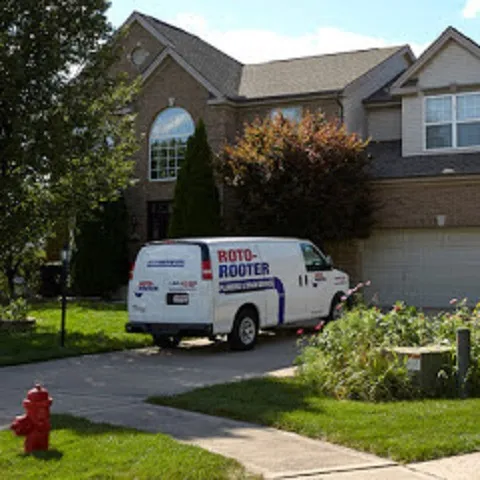
Roto-Rooter Plumbing & Water Cleanup
3670 Quincy Ave Ste 5, Ogden, UT 84403
Roto-Rooter Plumbing & Water Cleanup provides comprehensive plumbing services in Ogden, UT, addressing challenges posed by the local climate. The company offers a wide range of solutions including commercial plumbing, drain cleaning, grease trap pumping, sewer line repair, water heater services, and water softener and filtration installations. They utilize capabilities such as hydro-jetting and video camera sewer inspections to diagnose and resolve plumbing issues efficiently. Serving Ogden and the surrounding metro area, Roto-Rooter is available 24/7 for emergency plumbing needs, ensuring assistance at any time.
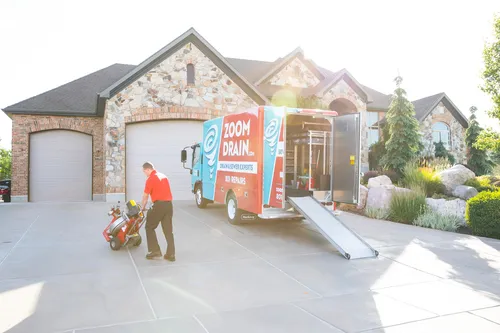
Zoom Drain
340 N Kays Dr #101, Kaysville, UT 84037
Zoom Drain is a drain and sewer cleaning company based in Layton, UT, serving Kaysville and surrounding areas including Davis, Salt Lake, and Weber counties. They provide residential and commercial drain and sewer services, specializing in inspections, cleanings, and repairs. Their capabilities include hydro jetting for thorough pipe cleaning and grease trap maintenance for the food and hospitality sector. Zoom Drain is known for using advanced tools and tailored maintenance plans to support property managers and contractors. They offer a contractor referral program and have a history of reliable service with positive customer feedback.
Beck's Sanitation
543 Iron Rose Pl, Salt Lake City, UT 84104
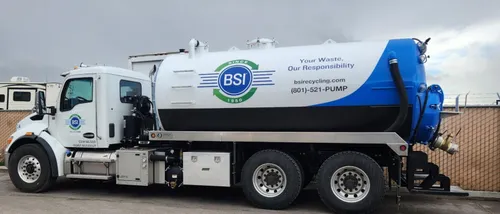
Beck's Sanitation is a family-owned sanitation company serving Salt Lake City, UT, with over 75 years of experience. They offer a range of services including grease trap cleaning, septic tank pumping, used cooking oil recycling, storm drain cleaning, and commercial pumping. The company emphasizes eco-friendly waste disposal and regulatory compliance, handling tasks such as car wash sump service, storm water management, and waste enclosure cleanup. Beck's Sanitation provides emergency and routine clean-outs to prevent blockages, flooding, and environmental hazards, supporting businesses in maintaining efficient and compliant operations.
Pumpers Plus
1606 Seneca Dr, Roy, UT 84067
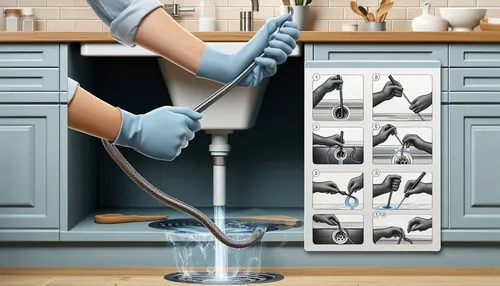
Pumpers Plus is a locally owned business based in Ogden, UT, specializing in septic pumping and the removal of liquid non-hazardous waste. They serve a broad area across Utah, including Salt Lake Valley, Wasatch Front, Summit County, Heber, Park City, and surrounding communities. Their services cover septic tanks, grease traps, holding tanks, RV tanks, car wash tanks, and shop sumps. Pumpers Plus uses state-of-the-art equipment and holds full licensing and permits for all Utah counties, ensuring compliance and capability across their service area.
Understanding Bountiful and Utah FOG Regulations
Compliance starts with understanding the rules. In Utah, grease control is governed by a combination of the statewide plumbing code and municipal ordinances. Bountiful City almost certainly enforces these standards through its Public Works or Sewer Department.
The Utah State Plumbing Code mandates that facilities producing FOG must install and maintain approved grease interceptors or traps. Key operational rules include:
- Prohibited Dilution: It is illegal to use water, emulsifiers, or chemicals to dilute grease waste as a method of bypassing interceptor limits1 2.
- Licensed Haulers: All collected grease and solids must be disposed of by a licensed and approved waste hauler. Dumping FOG into dumpsters, drains, or onto the ground is a violation.
- Record Keeping: Facilities must maintain detailed logs of all interceptor maintenance, cleaning, and inspections. These records are the first thing a city inspector will ask to see.
Local Bountiful City Code (often found in chapters related to sewers or public works) will specify enforcement details. This typically includes the authority for city officials to conduct random or scheduled inspections of your grease control equipment and maintenance records3. Non-compliance can result in substantial fines, suspension of your business license, and liability for any sewer repairs or environmental cleanup costs attributed to your facility.
The Critical Importance of Regular Maintenance
Neglecting your grease interceptor is a high-risk gamble. A failing or overflowing trap can lead to severe consequences:
- Sewer Backups and Fines: The primary purpose of a grease trap is to prevent FOG from entering the city's sewer mains. When grease escapes, it cools and solidifies, creating massive blockages that can cause backups into your business or neighboring properties. You will be held financially responsible for the cleanup and repair costs.
- Operational Disruption: A completely full or malfunctioning trap can cause slow drains, foul odors in your kitchen and dining area, and even a shutdown order from health inspectors until it is serviced.
- Increased Long-Term Costs: Regular, preventative pumping is far less expensive than emergency service calls or the massive bills associated with repairing damaged plumbing or public sewer lines.
Effective maintenance is defined by two key activities: routine inspections and professional pumping.
Inspection and Cleaning Frequency
How often you need service depends on your volume of FOG production. A common best practice, often referenced in Utah municipal guidelines, is the "25% Rule"4. This means your grease interceptor should be pumped out by a professional when the combined volume of FOG and settled solids reaches 25% of the trap's total capacity. Allowing it to fill beyond this point drastically reduces its efficiency.
For most typical restaurants in Bountiful, this translates to a quarterly (every 3 months) cleaning schedule. High-volume establishments like large cafeterias or fried food kitchens may require monthly service. It is your responsibility to determine the correct schedule for your operation, often in consultation with your licensed hauler, and to inspect the trap regularly to monitor accumulation.
What Professional Cleaning Entails
A proper, code-compliant grease trap pumping service involves more than just removing liquid. When you hire a licensed provider, they should:
- Pump Out All Contents: Remove all wastewater, floating FOG, and settled solids from the interceptor.
- Scrape and Clean Interior Walls: Remove hardened grease from the baffles and walls of the tank.
- Inspect Components: Check the baffles, lids, and seals for integrity and proper operation.
- Dispose of Waste Legally: Transport the waste to an approved facility for rendering or disposal.
- Provide Documentation: Give you a detailed service report or manifest. Keep this receipt on file as your proof of compliance.
Find the perfect grease trap cleaning companies for your needs
Get personalized recommendations and expert advice
Cost of Grease Trap Cleaning Services in Bountiful
The price for professional grease interceptor maintenance varies based on several factors. For a standard indoor grease trap commonly found in a restaurant kitchen, you can expect preventative cleaning costs to range from $175 to $400 per service5 6 7.
Larger in-ground or outdoor interceptors, which service higher-volume establishments, typically cost $225 to $500 or more per pumping8 9. The final price is influenced by:
- Trap Size and Type: Larger capacity and harder-to-access underground units cost more.
- Waste Volume: How full the trap is can affect disposal fees.
- Service Frequency: Regular, scheduled service is often cheaper than an emergency call.
- Bundled Services: Some providers offer discounts if you bundle grease trap cleaning with used cooking oil collection.
While cost is a factor, the most important criterion is hiring a licensed and Bountiful City-approved hauler. Using an unlicensed service may result in improper disposal and leave you without valid compliance documentation.
Your Action Plan for Bountiful Compliance
Staying compliant doesn't have to be complicated. Follow these steps to ensure your Bountiful food service business meets all grease control requirements:
- Contact Bountiful City Public Works: Call or visit the Bountiful City Public Works or Sewer Department. Confirm the specific local code sections (e.g., Chapter 13.24 or similar) that apply to your business and request a list of pre-approved, licensed FOG haulers.
- Get Multiple Quotes: Contact several providers from the approved list. Provide details about your trap(s)-size, location, and current condition-to get accurate, comparable quotes for routine service.
- Establish a Schedule: Based on the hauler's assessment and your inspection logs, set up a regular preventative maintenance schedule (e.g., quarterly).
- Maintain Impeccable Records: Create a dedicated logbook or digital folder. File every service manifest, inspection note, and any correspondence with the city. This is your primary defense during an inspection.
- Train Your Staff: Ensure kitchen staff understand what should and should not go down the drain (e.g., no grease, coffee grounds, or food scraps). Proper sink practices extend the time between pumpings and improve trap efficiency.
By proactively managing your grease interceptor, you protect your business from unexpected costs and enforcement actions, contribute to Bountiful's sewer system health, and operate a more efficient and responsible kitchen.
Frequently asked questions
Sources
Footnotes
-
7-5-14-7: GREASE TRAP OPERATION AND MAINTENANCE ... - https://codelibrary.amlegal.com/codes/washingtonut/latest/washington_ut/0-0-0-12180 ↩
-
2021 Utah State Plumbing Code - 1003.3.1 Grease interceptors and ... - https://codes.iccsafe.org/s/UTPC2021P1/chapter-10-traps-interceptors-and-separators/UTPC2021P1-Ch10-Sec1003.3.1 ↩
-
Ultimate Guide To Provo Grease Trap Maintenance - Shyft - https://www.myshyft.com/blog/grease-trap-cleaning-provo-utah/ ↩
-
Grease Trap Cleaning Guide: 25% Rule, Schedule & Compliance - https://greaseconnections.com/how-to-clean-a-grease-trap-and-how-often-you-should/ ↩
-
Ultimate Grease Trap Maintenance Guide For Ogden Facilities - Shyft - https://www.myshyft.com/blog/grease-trap-cleaning-ogden-utah/ ↩
-
Grease Trap Cleaning Prices | Guide on the Industry Average - https://grease-cycle.com/grease-trap-pumping-cost/ ↩
-
The Cost To Clean A Grease Trap For Restaurants - https://thegreasecompany.com/blog/greasetrapcleaningcost/ ↩
-
Ultimate Grease Trap Pumping Cost Guide: Essential Money-Saving ... - https://www.texwaywastewater.com/grease-trap-pumping-cost/ ↩
-
How Much Does a Proper Grease Trap Cleaning Cost? - https://hulseyenvironmental.com/how-much-does-a-proper-grease-trap-cleaning-partner-cost/ ↩