Find the Best Grease Trap Cleaning Companies for Your Business
No obligation • Fast responses • Nationwide coverage

Why you can trust Restaurant Waste Disposal
Restaurant Waste Disposal is a leading U.S. resource for comparing restaurant composting, food-waste recycling, grease trap cleaning, and used cooking oil collection services. Our editorial team researches providers, checks credentials, and organizes unbiased information so operators can make informed decisions. Companies cannot pay to change ratings or placement.
Search providers near you
Top Grease Trap Cleaning Companies in Tigard, Oregon Ranked
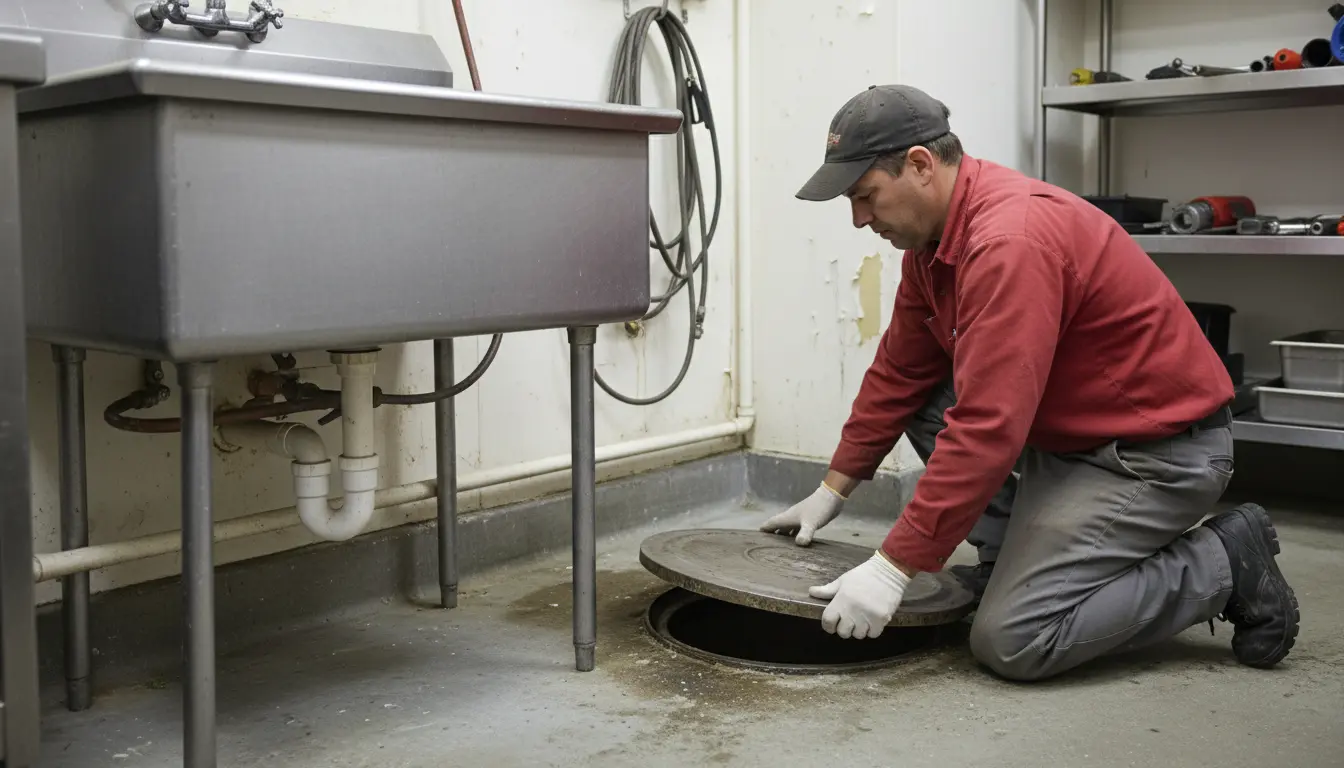
For restaurant owners and food service operators in Tigard, maintaining your grease interceptor is a critical and regulated part of daily business. Proper grease trap cleaning and maintenance is not just about avoiding unpleasant odors or clogs; it's a legal requirement designed to protect the city's sewer infrastructure and our local waterways from harmful Fats, Oils, and Grease (FOG) pollution. The City of Tigard, in coordination with regional utility Clean Water Services (CWS), enforces strict standards based on the Oregon Plumbing Specialty Code (OPS Code) to ensure every establishment does its part. This guide will walk you through the specific regulations, best practices, and costs associated with keeping your grease management system in full compliance, helping you avoid costly fines and operational disruptions.
Scout Septic, Grease & Drain
15535 SE 287th Ave, Boring, OR 97009
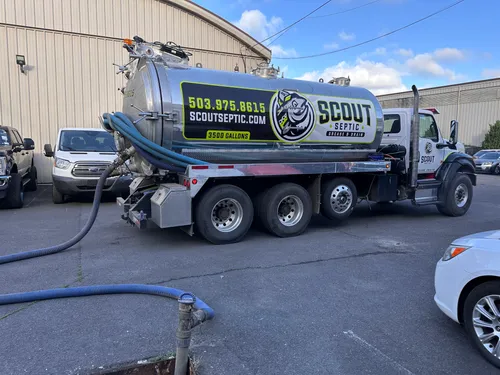
Scout Septic, Grease & Drain provides septic tank pumping, installation, repair, grease trap cleaning, and drain services in Portland, OR. They serve both residential and commercial clients, offering pipe and drain cleaning including hydro jetting, as well as excavation and grading services. The company uses modern equipment and techniques to maintain and repair wastewater systems efficiently. Scout Septic, Grease & Drain is fully licensed and insured, offers 24/7 availability, and has a satisfaction guarantee.
Roto-Rooter Plumbing & Water Cleanup
519 SW Park Ave #303, Portland, OR 97205
Roto-Rooter Plumbing & Water Cleanup is a plumbing and water cleanup company serving Portland, OR. Established in 1935, it provides a wide range of residential and commercial plumbing services including drain cleaning, sewer line repair, water heater installation, and grease trap cleaning. The company uses advanced equipment such as hydro-jetting and video camera inspections to address plumbing issues efficiently. Roto-Rooter offers 24/7 emergency service throughout the year to handle urgent plumbing needs.
Northwest Biofuel
2223 N Randolph Ave, Portland, OR 97227
Northwest Biofuel is a locally owned company based in Portland, OR, specializing in grease trap cleaning and used cooking oil collection. They serve restaurants and commercial properties throughout Oregon and Washington, offering bundled services that include grease trap cleaning, cooking oil collection, drain cleaning, line jetting, and grease trap repair. The company ensures that 100% of the oil and grease collected is recycled locally into feedstock and clean-burning biodiesel. Northwest Biofuel provides 24/7 emergency service and works with clients to schedule service at convenient times.
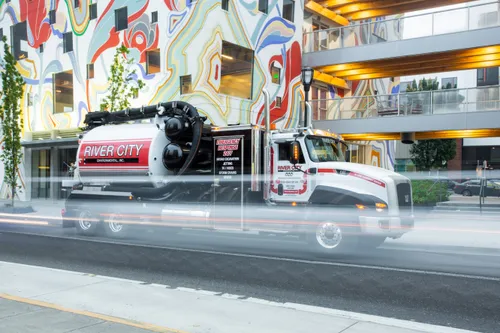
River City Environmental
5410 NE 109th Ave, Portland, OR 97220
River City Environmental is a grease trap cleaning company based in Portland, OR. They provide grease trap cleaning and maintenance services, including emergency response. The company offers 24/7 emergency services and can respond quickly to urgent situations. Customers have relied on River City Environmental for timely service and practical maintenance recommendations.

Oregon Oils, Inc
2515 NW 28th Ave, Portland, OR 97210
Oregon Oils, Inc is a family-owned company based in Portland, OR, providing used cooking oil collection and grease trap cleaning services. Serving businesses across Oregon and Southwest Washington, they offer customizable solutions including grease trap maintenance and used oil recycling. Their Fryer to Fuel program converts collected cooking oil into biodiesel, supporting sustainable practices. With over 30 years of experience since 1992, Oregon Oils emphasizes environmental responsibility and offers emergency service within one business day.
Understanding Tigard's FOG Regulations and Compliance
Tigard falls under the jurisdiction of Clean Water Services (CWS), which administers the Fats, Oils, and Grease (FOG) control program for the Washington County area. The rules are grounded in the Oregon Plumbing Specialty Code (OPS Code), which sets the statewide standard for grease interceptor operation and maintenance. The core mandate is simple: prevent FOG from entering the public sewer system. This is achieved by ensuring your grease trap or interceptor operates efficiently through the periodic, complete removal of accumulated grease and solids.
Non-compliance is taken seriously. Inspections are conducted by city or district staff to verify proper function and maintenance records. Failure to maintain your system can lead to citations, substantial fines, mandated system upgrades, and even liability for any sewer backups or damage caused by FOG discharge from your facility. Proactive maintenance is always less expensive than reacting to an enforcement action or an emergency blockage.
Types of Grease Interceptors and Their Cleaning Schedules
Not all grease containment systems are the same, and the required cleaning frequency depends heavily on the type you have installed. Understanding this distinction is key to setting a compliant service schedule.
Hydromechanical Grease Interceptors (HGIs): Often called "grease traps," these are typically smaller units located inside or directly outside your kitchen. They rely on baffles and separation chambers to capture FOG. Due to their smaller capacity and higher exposure to kitchen flow, they require much more frequent cleaning and pumping. The general rule for HGIs is maintenance every 30 to 90 days, but many high-volume kitchens may need monthly service to prevent overfilling and ensure compliance 1.
Gravity Grease Interceptors (GGIs): These are large, in-ground concrete tanks usually located outside the building. They use gravity and extended retention time to separate FOG. GGIs have a larger capacity and thus require less frequent, but more intensive, cleaning. A typical schedule for a gravity interceptor is quarterly (every 90 days), though this must be validated by regular inspection of FOG and solids accumulation.
Regardless of type, a universal compliance benchmark is that the interceptor must be cleaned before the combined FOG and solids accumulate to 25% of the unit's liquid capacity 2 3. A qualified service provider can help you determine the optimal schedule for your specific equipment and volume of business.
The Importance of Documentation and Recordkeeping
In the eyes of regulators, if you didn't document it, it didn't happen. Maintaining detailed cleaning records is not just a good practice-it's a mandatory part of Tigard's FOG program. During an inspection, you will be asked to produce these logs.
Your records should include for each service visit:
- Date of service
- Name of the servicing company
- Volume of grease and solids removed (in gallons)
- Disposal method or destination (e.g., rendering facility, landfill)
- Signature of the service technician or company representative
Keeping these records organized and readily available demonstrates due diligence and is your first line of defense in proving compliance during a routine inspection.
Find the perfect grease trap cleaning companies for your needs
Get personalized recommendations and expert advice
What to Expect: Service Process and Associated Costs
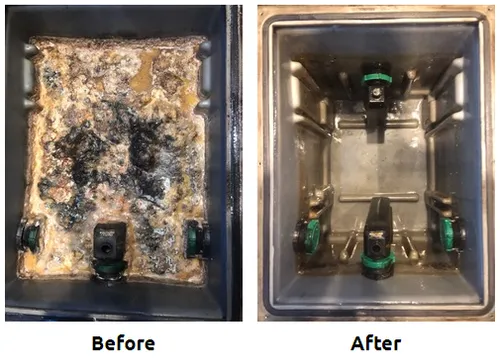
A professional grease interceptor cleaning is a thorough process. It involves removing all liquid and solid contents, scraping and pressure-washing the interior walls and baffles, inspecting all components for damage, and properly disposing of the waste at a licensed facility 4. This ensures the unit is returned to like-new operating condition.
Costs for this essential service in the Tigard area can vary based on the size of your interceptor, its location, and the amount of waste to be removed.
- Standard Scheduled Cleaning: For routine maintenance of a typical hydromechanical or smaller gravity unit, restaurants can expect costs in the range of $250 to $400+ per service visit.
- High-Volume or Emergency Service: If an interceptor is severely neglected, requires emergency service due to a backup, or is a very large gravity system, the price can increase significantly, potentially ranging from $800 to $1,200 or more per call 5 6.
This stark difference in cost highlights the most important financial advice for restaurant managers: proactive, scheduled maintenance is invariably cheaper and safer than emergency cleanups or responding to regulatory fines.
Prohibited Practices and Common Pitfalls to Avoid
The OPS Code and local ordinances specify not just what you must do, but also what you cannot do. A major prohibited practice is the use of chemical or biological additives marketed to "dissolve" grease 7. These products often simply emulsify the grease, allowing it to pass through the interceptor only to re-solidify and cause blockages further down the sewer line, which you can be held responsible for. Enzymes and bacteria may be permitted in some cases for odor control, but never as a substitute for physical pumping and cleaning.
Another common pitfall is allowing excessive food solids or improper waste (like coffee grounds) to enter the drains, which can rapidly fill the interceptor's solids compartment and necessitate more frequent service. Training kitchen staff on best practices for scraping plates and using sink strainers is a cost-effective complement to your professional cleaning schedule.
Partnering for Compliance: Clean Water Services and the City of Tigard
As a Tigard business, your primary regulatory contacts are Clean Water Services (CWS) and the City of Tigard's Public Works department. CWS manages the regional FOG program and provides resources, guidelines, and inspection oversight. The City of Tigard works in partnership with CWS to ensure local compliance with these standards.
It is highly recommended that you contact both entities to confirm your specific obligations, obtain any necessary permits, and understand Tigard's local ordinances that may apply in addition to the regional CWS rules 8 9. Establishing this line of communication early can provide clarity and help you navigate the requirements smoothly.
Frequently asked questions
Sources
Footnotes
-
HYDROMECHANICAL GREASE INTERCEPTOR (HGI ... - https://www.spokanecounty.gov/DocumentCenter/View/51138/Hydromechanical-Grease-Interceptor-HGI-Maintenance---English?bidId= ↩
-
Grease Interceptors and How to Maintain Them - Portland.gov - https://www.portland.gov/bes/preventing-pollution/fats-oil-and-grease/grease-interceptors ↩
-
Code Amendment 12/20/12 2011 Oregon Plumbing Specialty ... - https://www.oregon.gov/bcd/codes-stand/Documents/pl-11opsc-amendments.pdf ↩
-
Grease Traps - https://www.oregonoilsinc.com/grease-traps ↩
-
Grease Traps for Restaurants: The Essential Guide - https://therestaurantwarehouse.com/blogs/restaurant-equipment/grease-trap-for-restaurant-guide ↩
-
Ultimate Grease Trap Pumping Cost Guide: Essential Money-Saving ... - https://www.texwaywastewater.com/grease-trap-pumping-cost/ ↩
-
Oregon Regulations on Grease Interceptors and Grease Traps - https://speedyseptic.com/septic-services/commercial/grease-interceptor/portland-fog-regulations/ ↩
-
ATTENTION FOOD/BEVERAGE SERVICE ESTABLISHMENTS AND ... - https://cleanwaterservices.org/wp-content/uploads/2022/06/fog-protection-requirements.pdf ↩
-
Portland Grease Trap Maintenance: Essential Guide For ... - https://www.myshyft.com/blog/grease-trap-cleaning-portland-oregon/ ↩