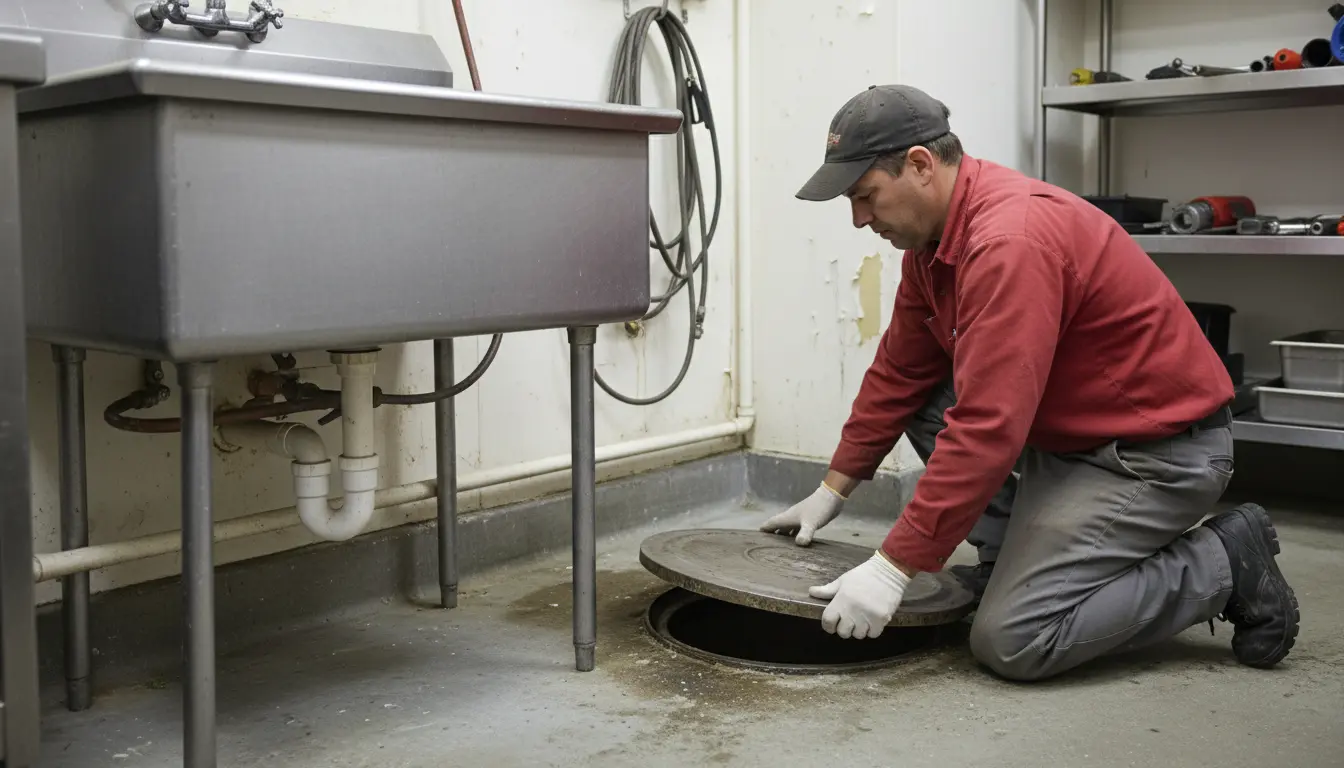
Find the Best Grease Trap Cleaning Companies for Your Business
No obligation • Fast responses • Nationwide coverage

Why you can trust Restaurant Waste Disposal
Restaurant Waste Disposal is a leading U.S. resource for comparing restaurant composting, food-waste recycling, grease trap cleaning, and used cooking oil collection services. Our editorial team researches providers, checks credentials, and organizes unbiased information so operators can make informed decisions. Companies cannot pay to change ratings or placement.
Search providers near you
Top Grease Trap Cleaning Companies in Gresham, Oregon Ranked
For any food service establishment in Gresham, maintaining a clean and compliant grease trap or interceptor is not just a best practice-it's a legal requirement essential for protecting the city's sewer system. The City of Gresham enforces strict regulations based on the Oregon Plumbing Specialty Code (OPSC) to prevent fats, oils, and grease (FOG) from causing costly and disruptive sewer blockages. Proper grease interceptor maintenance involves regular professional cleaning, diligent record-keeping, and adherence to specific operational guidelines to avoid significant fines and liability for damages. This guide outlines everything restaurant owners and managers need to know about grease trap cleaning services, local compliance, and cost considerations in Gresham.
Scout Septic, Grease & Drain
15535 SE 287th Ave, Boring, OR 97009
Scout Septic, Grease & Drain provides septic tank pumping, installation, repair, grease trap cleaning, and drain services in Portland, OR. They serve both residential and commercial clients, offering pipe and drain cleaning including hydro jetting, as well as excavation and grading services. The company uses modern equipment and techniques to maintain and repair wastewater systems efficiently. Scout Septic, Grease & Drain is fully licensed and insured, offers 24/7 availability, and has a satisfaction guarantee.
Roto-Rooter Plumbing & Water Cleanup
519 SW Park Ave #303, Portland, OR 97205
Roto-Rooter Plumbing & Water Cleanup is a plumbing and water cleanup company serving Portland, OR. Established in 1935, it provides a wide range of residential and commercial plumbing services including drain cleaning, sewer line repair, water heater installation, and grease trap cleaning. The company uses advanced equipment such as hydro-jetting and video camera inspections to address plumbing issues efficiently. Roto-Rooter offers 24/7 emergency service throughout the year to handle urgent plumbing needs.
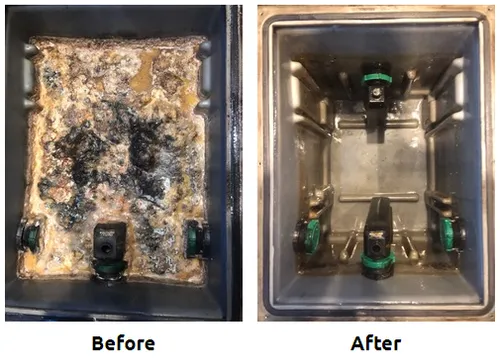
Northwest Biofuel
2223 N Randolph Ave, Portland, OR 97227
Northwest Biofuel is a locally owned company based in Portland, OR, specializing in grease trap cleaning and used cooking oil collection. They serve restaurants and commercial properties throughout Oregon and Washington, offering bundled services that include grease trap cleaning, cooking oil collection, drain cleaning, line jetting, and grease trap repair. The company ensures that 100% of the oil and grease collected is recycled locally into feedstock and clean-burning biodiesel. Northwest Biofuel provides 24/7 emergency service and works with clients to schedule service at convenient times.
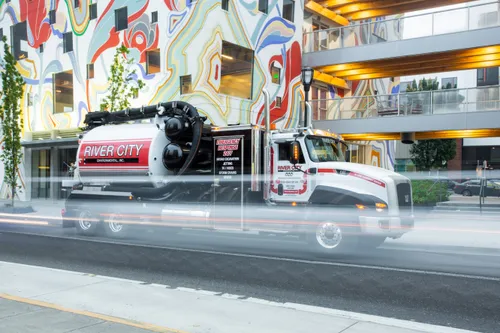
River City Environmental
5410 NE 109th Ave, Portland, OR 97220
River City Environmental is a grease trap cleaning company based in Portland, OR. They provide grease trap cleaning and maintenance services, including emergency response. The company offers 24/7 emergency services and can respond quickly to urgent situations. Customers have relied on River City Environmental for timely service and practical maintenance recommendations.

Oregon Oils, Inc
2515 NW 28th Ave, Portland, OR 97210
Oregon Oils, Inc is a family-owned company based in Portland, OR, providing used cooking oil collection and grease trap cleaning services. Serving businesses across Oregon and Southwest Washington, they offer customizable solutions including grease trap maintenance and used oil recycling. Their Fryer to Fuel program converts collected cooking oil into biodiesel, supporting sustainable practices. With over 30 years of experience since 1992, Oregon Oils emphasizes environmental responsibility and offers emergency service within one business day.
Understanding Gresham's Grease Interceptor Regulations
Gresham's regulations are designed to keep FOG out of the wastewater system. All food and beverage service establishments must install and maintain an approved type of grease interceptor. These devices must be easily accessible for both inspection and cleaning, as mandated by city code 1. It's important to note that each interceptor typically serves only one establishment unless a specific variance is approved by the city 1.
City staff conduct inspections to verify that interceptors are in working condition and are being pumped at the required frequency. Failure to comply can result in citations, fines, or even liability for damages and cleanup costs if a FOG-related sewer backup occurs. Therefore, understanding and following these rules is the first step in responsible restaurant operation.
Types of Grease Interceptors and Cleaning Frequencies
The type of interceptor your restaurant has directly determines how often it needs to be serviced. The two primary categories are:
- Gravity Grease Interceptors (GGIs): These are typically larger, underground tanks. In Gresham, they generally require cleaning every 1 to 3 months, or more specifically, when the combined FOG and solids layer reaches 25% of the tank's capacity 2 3.
- Hydromechanical Grease Interceptors (HGIs): These are usually smaller units located inside the kitchen. They typically need to be cleaned at least every 30 days, as they have a smaller holding capacity 4.
High-volume kitchens may require service more frequently than these general guidelines. A qualified service provider can assess your specific operation and recommend a compliant pumping schedule.
The Cost of Grease Trap Cleaning in Gresham
Investing in regular cleaning is far less expensive than dealing with fines or a sewer overflow. Costs can vary based on several factors, but general ranges provide a useful benchmark.
- Service Range: Nationally, a single grease trap cleaning service can range from $104 to $759 5.
- Gresham Averages: For Gresham establishments, the average cost for a standard service tends to fall between $300 and $450 6 7.
- Key Cost Factors: The final price depends on the size of your interceptor (e.g., a 1000-gallon unit costs more to pump than a small under-sink trap), the frequency of service, and whether you have a recurring service contract, which often provides better value.
Find the perfect grease trap cleaning companies for your needs
Get personalized recommendations and expert advice
Prohibited Practices and Best Management for Kitchens
Compliance isn't just about pumping; it's also about daily kitchen habits. The City of Gresham explicitly prohibits certain practices 8:
- Never pour grease, oil, or food scraps down any drain. This is the most critical rule.
- Avoid using bacterial or enzyme "grease-digesting" additives. These can cause FOG to re-liquify and pass through the interceptor, only to solidify again further down the sewer line, creating blockages. Their use can also violate city codes 9.
- Do not dispose of mop water or other cleaning wastewater outdoors. It should go into an indoor drain connected to the grease interceptor 10.
Instead, implement these best management practices:
- Scrape and dry-wipe pots, pans, and dishes into the trash before washing.
- Collect waste cooking oil in dedicated containers for proper recycling.
- Train all staff on proper FOG disposal procedures.
The Critical Importance of Documentation
One of the simplest yet most vital aspects of compliance is record-keeping. Gresham inspectors will ask to see your maintenance records. You should keep a detailed log that includes:
- Date of each grease interceptor cleaning.
- Name of the service company that performed the work.
- Volume of waste removed.
- Disposal method or manifest number from the hauler.
This documentation proves due diligence and is your best defense during an inspection.
Consequences of Non-Compliance
Ignoring grease trap maintenance carries serious risks beyond a simple fine. If FOG from your establishment causes a sewer blockage or sanitary sewer overflow (SSO), you can be held financially liable for all cleanup and repair costs, which can amount to tens of thousands of dollars 11 12. Furthermore, repeated violations can lead to escalating fines and, in extreme cases, a disruption of your sewer service. Proactive, documented maintenance is the only way to mitigate these significant business risks 11 12.
Choosing a Service Provider in Gresham
When selecting a company for grease interceptor cleaning, look for providers familiar with Gresham's specific codes and inspection expectations. They should offer:
- Knowledge of Oregon Plumbing Specialty Code (OPSC) and local amendments.
- Proper waste disposal documentation.
- Ability to advise on optimal pumping frequency for your interceptor type.
- Emergency service availability for unexpected issues.
Establishing a reliable service relationship ensures your establishment remains in compliance and protects your investment.
Frequently asked questions
Sources
Footnotes
-
Code Amendment 12/20/12 2011 Oregon Plumbing Specialty ... - https://www.oregon.gov/bcd/codes-stand/Documents/pl-11opsc-amendments.pdf ↩ ↩2
-
Oregon Regulations on Grease Interceptors and Grease Traps - https://speedyseptic.com/septic-services/commercial/grease-interceptor/portland-fog-regulations/ ↩
-
Portland Grease Trap Maintenance: Essential Guide For ... - https://www.myshyft.com/blog/grease-trap-cleaning-portland-oregon/ ↩
-
Grease Trap Regulations and Compliance: What You Need to Know - https://www.texwaywastewater.com/grease-trap-regulations-and-compliance/ ↩
-
Ultimate Grease Trap Pumping Cost Guide: Essential Money-Saving ... - https://www.texwaywastewater.com/grease-trap-pumping-cost/ ↩
-
Grease Trap in Gresham, OR - Costs 12 / 2025 - Homeyou - https://www.homeyou.com/or/grease-trap-gresham-costs ↩
-
Grease Trap Cleaning Prices | Guide on the Industry Average - https://grease-cycle.com/grease-trap-pumping-cost/ ↩
-
Fats, Oils and Grease | City of Gresham - https://www.greshamoregon.gov/environmental-services/water-services/fats-oils-and-grease/ ↩
-
ATTENTION FOOD/BEVERAGE SERVICE ESTABLISHMENTS AND ... - https://cleanwaterservices.org/wp-content/uploads/2022/06/fog-protection-requirements.pdf ↩
-
Pollution Prevention Restaurants | City of Gresham - https://www.greshamoregon.gov/globalassets/city-departments/environmental-services/water-resources/watershed-management/pollution-prevention-restaurants.pdf ↩
-
Grease Interceptors and How to Maintain Them - Portland.gov - https://www.portland.gov/bes/preventing-pollution/fats-oil-and-grease/grease-interceptors ↩ ↩2
-
Grease Trap Compliance: What Washington & Oregon Businesses ... - https://drain-proinc.com/grease-trap-compliance-what-washington-oregon-businesses-need-to-know/ ↩ ↩2