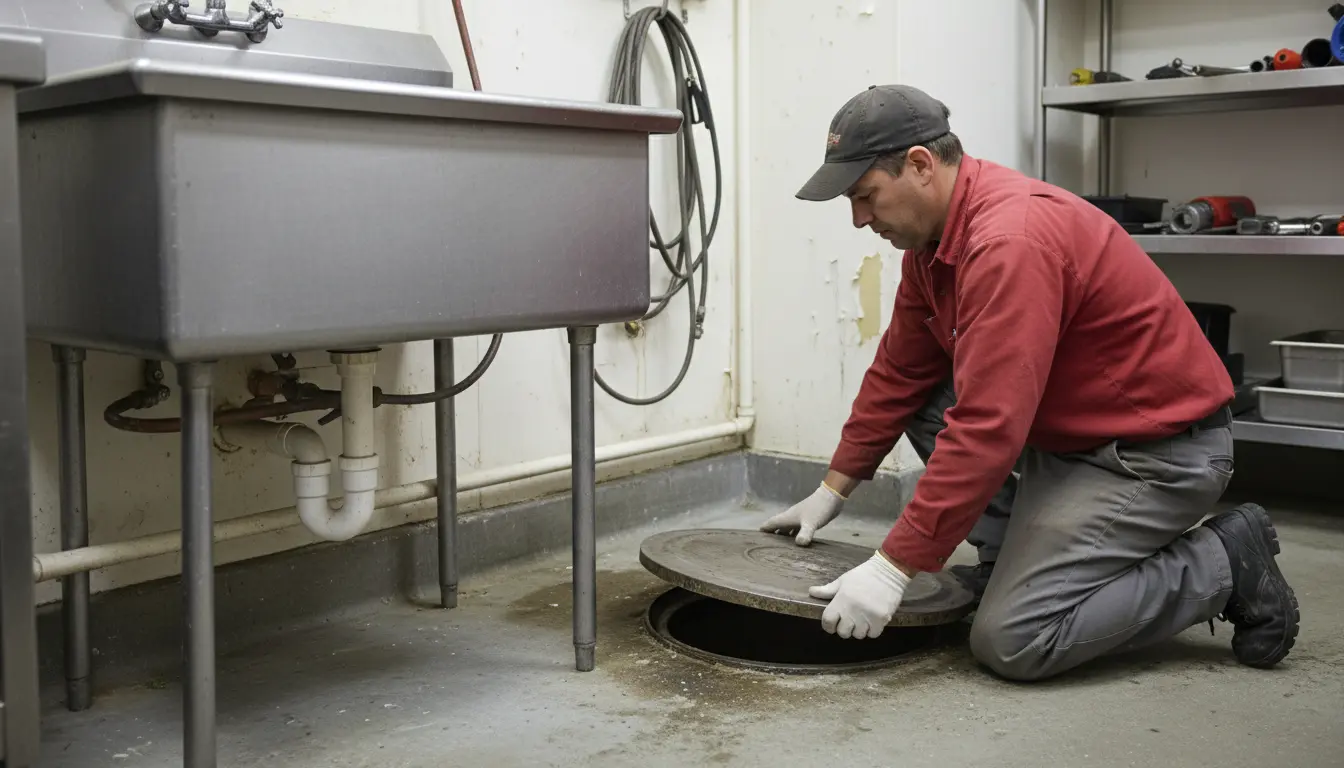
Find the Best Grease Trap Cleaning Companies for Your Business
No obligation • Fast responses • Nationwide coverage

Why you can trust Restaurant Waste Disposal
Restaurant Waste Disposal is a leading U.S. resource for comparing restaurant composting, food-waste recycling, grease trap cleaning, and used cooking oil collection services. Our editorial team researches providers, checks credentials, and organizes unbiased information so operators can make informed decisions. Companies cannot pay to change ratings or placement.
Search providers near you
Top Grease Trap Cleaning Companies in Las Vegas, Nevada Ranked
For any restaurant, cafe, or food service establishment in Las Vegas, maintaining a clean and functional grease interceptor is not just a matter of kitchen hygiene-it's a strict legal requirement. The city's infrastructure and public health depend on preventing fats, oils, and grease (FOG) from entering the sewer system, where they can cause costly and disruptive blockages. Local regulations enforced by the Southern Nevada Health District (SNHD) and the City of Las Vegas mandate specific installation, maintenance, and record-keeping protocols for these essential systems. Proactive, scheduled cleaning is the most effective strategy to ensure compliance, avoid significant fines, and keep your kitchen operations running smoothly without emergency interruptions.

Zoom Drain Las Vegas
4310 Cameron St Suite 2, Las Vegas, NV 89103
Zoom Drain Las Vegas is a specialized grease trap cleaning and drain service provider based in Henderson, NV. They offer residential and commercial drain cleaning, inspection, and sewer line repair services using advanced tools like hydro jetting and camera inspections. Their expertise includes handling grease trap maintenance and providing tailored maintenance plans for various property types. The company is known for addressing urgent plumbing emergencies with prompt response and clear communication, helping to minimize property damage and downtime. Zoom Drain focuses on local infrastructure challenges and offers eco-friendly aftercare solutions to maintain drain health.
Las Vegas Septic Service LLC
Las Vegas, NV
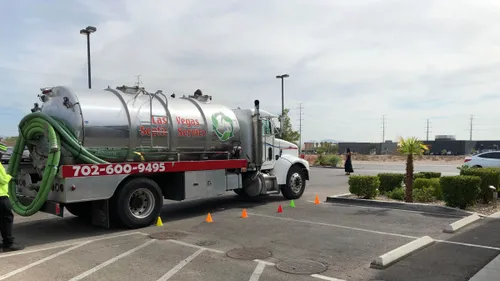
Las Vegas Septic Service LLC offers a wide range of septic system services in Las Vegas, NV, including septic tank pumping, grease trap cleaning, lift station pumping, and septic inspections. They serve both residential and commercial properties and provide specialized services such as laundromat lint trap cleaning, grow house interceptor maintenance, and sand/oil separator care. The company also covers nearby areas including North Las Vegas, Henderson, Moapa, Overton, Logandale, and Glendale. Their expertise includes professional grease trap cleaning to prevent clogs and maintain system efficiency.
Las Vegas Grease Trap Services
1817 Poplar Ave, Las Vegas, NV 89101
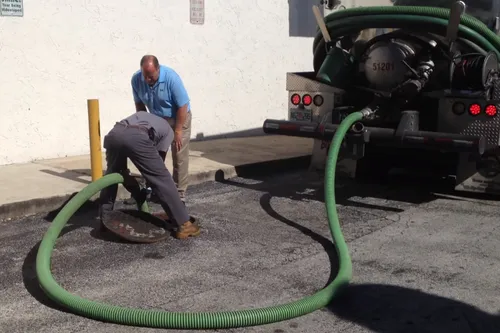
Las Vegas Grease Trap Services specializes in grease trap pumping, cleaning, and interceptor maintenance for commercial and industrial clients in Las Vegas, NV. They serve restaurants, schools, cafeterias, and manufacturing facilities within a 20-mile radius of Las Vegas. Their fleet of eight pump trucks and trained technicians handle all sizes and types of grease traps, ensuring compliance with local safety and health codes. The company maintains detailed service records and offers consultation on grease trap sizing, flow requirements, and odor control. Owner-operated, they emphasize environmentally responsible disposal and recycling of waste products. They provide early and late-hour emergency pumping services to minimize disruption to business operations.
Baker Commodities Inc
5725 Range Rd A, Las Vegas, NV 89115
Baker Commodities Inc provides grease collection and recycling services in North Las Vegas, NV. They specialize in used cooking oil pickup and grease trap pumping and cleaning for restaurants and commercial kitchens. Their Total Grease Management® program offers customized solutions to meet various business needs while ensuring compliance with local regulations. With decades of experience serving the Las Vegas area, Baker Commodities focuses on sustainable grease disposal to support environmental conservation. The company also offers 24/7 availability for emergency grease management services.
Silver City Processing
4505 Andrews St, North Las Vegas, NV 89081
Silver City Processing provides liquid waste management solutions in Las Vegas, NV, specializing in food waste, grease trap cleaning, and commercial plumbing services. They serve restaurants, car washes, and commercial facilities with waste collection, disposal, and maintenance to ensure compliance with local regulations. The company uses hydro jetting with over 3,000 PSI pressure to clear grease clogs and blockages efficiently. Silver City Processing is fully licensed and permitted by local authorities and operates primarily in North Las Vegas. Their services include grease trap repairs, line excavation, and odor troubleshooting. They also focus on environmental sustainability through brown grease recovery and recycling efforts. Technicians are available to manage emergencies such as backups and overflows.
Understanding Local Grease Interceptor Regulations
In Las Vegas, the rules governing grease management are clear and non-negotiable. The primary authority is the Southern Nevada Health District, operating under codes like the City of Las Vegas Municipal Code Title 14 and the Nevada Administrative Code 1. These regulations stipulate that every food service establishment must have an approved and properly sized grease interceptor installed 2 3. The design and capacity of your interceptor must be pre-approved by the local sanitation authority to ensure it can handle your kitchen's specific output 1.
A key operational rule is accessibility. Your grease trap or interceptor must be easily reachable for service technicians without posing a contamination risk to food preparation or storage areas. This foresight in placement simplifies routine maintenance and inspections. The overarching goal of these codes is preventive: to stop FOG at the source before it can congeal in public sewer lines, which can lead to sewage backups, environmental hazards, and expensive municipal repairs.
Determining Your Cleaning Schedule and Frequency
How often does your Las Vegas restaurant need grease trap pumping? There's no single answer, as frequency depends directly on your volume of cooking. However, a standard guideline for most establishments is a cleaning cycle every 1 to 3 months 4. High-volume kitchens like busy buffets or large restaurants may require monthly service, while a smaller cafe might extend to quarterly cleanings.
The universal benchmark used by health inspectors and service professionals is the "quarter-full" rule. When fats, oils, and grease accumulate to fill 25% of the interceptor's volume, its efficiency plummets, and it must be cleaned immediately 5 6 7. Waiting longer allows grease to escape into the sewer line and puts you at direct risk of a violation. The only reliable way to track this is through consistent internal checks and professional servicing.
The Critical Role of Maintenance Logs
Documentation is your first line of defense during a health inspection. Authorities require you to maintain detailed logs of every grease interceptor service. These records should include:
- The date of each pumping and cleaning.
- The grease level and condition of the trap at the time of service.
- The name of the servicing company.
- The volume of waste removed and its disposal location.
A well-kept logbook demonstrates proactive compliance and can be the difference between a pass and a fine during an inspection.
Consequences of Non-Compliance: Inspections and Penalties
The SNHD conducts regular inspections to enforce grease management codes. An inspector will check for proper interceptor function, review your maintenance logs, and assess the physical condition of the trap. Violations are taken seriously because they threaten community infrastructure.
Penalties for non-compliance can escalate quickly:
- Fines: Initial citations can run into the hundreds of dollars, with repeat offenses leading to fines of thousands.
- Operational Disruption: In severe cases, particularly those causing or risking a sewer blockage, the health department can mandate immediate closure until the issue is rectified.
- Legal Action: For egregious, repeated violations that cause significant damage or public health concerns, criminal charges are a possibility.
These enforcement practices underscore that regular grease trap maintenance is a cost-effective investment compared to the steep price of penalties and emergency repairs.
Find the perfect grease trap cleaning companies for your needs
Get personalized recommendations and expert advice
Service Cost Expectations for Las Vegas Restaurants
Understanding the potential costs helps in budgeting for this essential operational expense. For a standard, scheduled grease interceptor pumping and cleaning service in the Las Vegas area, restaurants can generally expect to pay between $250 and $400 per service visit 8 9. The final price within this range depends on factors like the physical size of your trap, its location, and your establishment's historical maintenance record.
It's the unplanned emergencies that become profoundly expensive. If a grease clog causes a backup or you face an imminent inspection with an overfull trap, emergency service calls can cost three to four times more than a scheduled cleaning, with prices often ranging from $800 to $1,200 or higher 10 11. This dramatic cost increase highlights the financial wisdom of adhering to a preventive maintenance schedule.
Best Practices for Grease Trap Management
Beyond simply hiring a pump-and-haul service, effective grease management involves daily kitchen practices. Training your staff on proper waste disposal is crucial. Ensure that sinks have catch baskets to collect solid food scraps and that employees understand that no grease or oil should be poured down the drain. Implementing a program to collect used fryer oil in dedicated containers for recycling can significantly reduce the load on your interceptor.
Furthermore, establish a strong partnership with a licensed, reputable grease trap service provider. A good partner will not only perform the cleaning but also help you interpret local codes, recommend an optimal service frequency based on your actual usage, and provide impeccable documentation for your records. They become an extension of your compliance team.
The Environmental and Community Impact
Proper grease interceptor maintenance extends beyond your kitchen walls. When FOG is correctly captured and disposed of, it is often recycled into products like biodiesel, animal feed, and cosmetics, contributing to a circular economy 12. Conversely, grease that escapes into sewers creates "fatbergs"-massive, solid blockages that are extremely costly and dangerous for municipal workers to remove. By maintaining your system, you're directly helping to protect Las Vegas's sewer infrastructure, reduce public spending on repairs, and prevent environmental contamination.
Frequently asked questions
Sources
Footnotes
-
Nev. Admin. Code § 446.430 - Interceptors for grease - https://www.law.cornell.edu/regulations/nevada/NAC-446-430 ↩ ↩2
-
Pleading form with 28 lines - LasVegasNevada.Gov - https://files.lasvegasnevada.gov/building-safety/impact/UPC-Update-Proposed-Ordinance.pdf ↩
-
Restaurant Grease Trap Cleaning FAQs - https://www.mahoneyes.com/restaurant-grease-trap-cleaning-faqs/ ↩
-
The Importance of Grease Trap Maintenance in Las Vegas - https://silvercityprocessing.com/understanding-local-regulations-for-grease-trap-maintenance-in-las-vegas/ ↩
-
Las Vegas Grease Trap Cleaning: Essential Facility ... - Shyft - https://www.myshyft.com/blog/grease-trap-cleaning-las-vegas-nevada/ ↩
-
Restaurant Grease Trap Cleaning: Step-by-Step Guide for ... - Boh - https://boh.ai/blog-article/maintaining-a-spotless-kitchen-a-guide-to-optimal-restaurant-grease-trap-cleaning-frequency-for-busy-restaurant-owners ↩
-
Grease Trap Cleaning in Las Vegas | ZOOM DRAIN® - https://www.zoomdrain.com/vegas/commercial-service/grease-trap-services/ ↩
-
Grease Trap Services in Las Vegas & Southern Nevada - https://silvercityprocessing.com/grease-trap-service/ ↩
-
Ultimate Grease Trap Pumping Cost Guide: Essential Money-Saving ... - https://www.texwaywastewater.com/grease-trap-pumping-cost/ ↩
-
Grease Trap Regulations and Compliance: What You Need to Know - https://www.texwaywastewater.com/grease-trap-regulations-and-compliance/ ↩
-
How Much Does a Proper Grease Trap Cleaning Cost? - https://hulseyenvironmental.com/how-much-does-a-proper-grease-trap-cleaning-partner-cost/ ↩
-
Choosing the Right Grease Trap for Your Restaurant: A Comprehensive Guide - https://www.greaseguardianusa.com/2024/06/11/choosing-the-right-grease-trap-for-your-restaurant-a-comprehensive-guide/ ↩