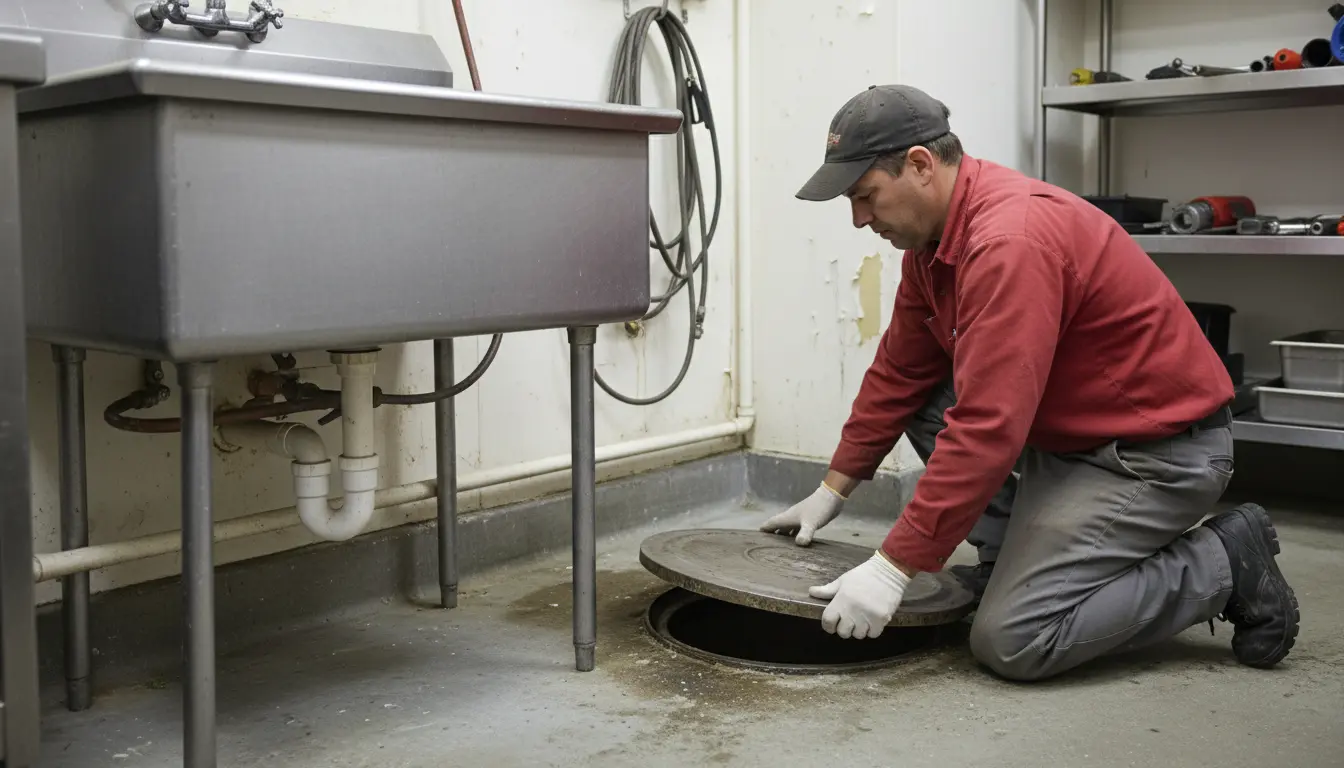
Find the Best Grease Trap Cleaning Companies for Your Business
No obligation • Fast responses • Nationwide coverage

Why you can trust Restaurant Waste Disposal
Restaurant Waste Disposal is a leading U.S. resource for comparing restaurant composting, food-waste recycling, grease trap cleaning, and used cooking oil collection services. Our editorial team researches providers, checks credentials, and organizes unbiased information so operators can make informed decisions. Companies cannot pay to change ratings or placement.
Search providers near you
Top Grease Trap Cleaning Companies in Henderson, Nevada Ranked
For restaurant owners and kitchen managers in Henderson, maintaining a clean and compliant grease interceptor is not just a maintenance task-it's a critical legal and operational requirement. The Southern Nevada Health District (SNHD) enforces strict regulations to prevent fats, oils, and grease (FOG) from entering the municipal sewer system, where they can cause costly blockages and environmental damage. Effective grease trap maintenance is essential for avoiding hefty fines, ensuring smooth kitchen operations, and protecting your business's reputation. This guide provides a detailed overview of local codes, best practices, and service insights to help you navigate this vital aspect of restaurant management in Henderson.

Zoom Drain Las Vegas
4310 Cameron St Suite 2, Las Vegas, NV 89103
Zoom Drain Las Vegas is a specialized grease trap cleaning and drain service provider based in Henderson, NV. They offer residential and commercial drain cleaning, inspection, and sewer line repair services using advanced tools like hydro jetting and camera inspections. Their expertise includes handling grease trap maintenance and providing tailored maintenance plans for various property types. The company is known for addressing urgent plumbing emergencies with prompt response and clear communication, helping to minimize property damage and downtime. Zoom Drain focuses on local infrastructure challenges and offers eco-friendly aftercare solutions to maintain drain health.
Las Vegas Septic Service LLC
Las Vegas, NV
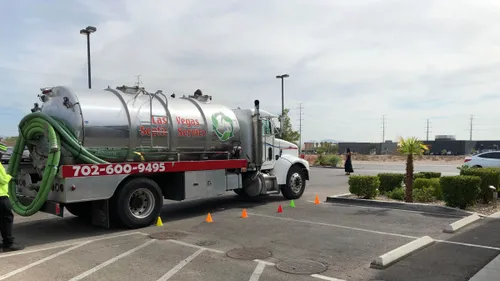
Las Vegas Septic Service LLC offers a wide range of septic system services in Las Vegas, NV, including septic tank pumping, grease trap cleaning, lift station pumping, and septic inspections. They serve both residential and commercial properties and provide specialized services such as laundromat lint trap cleaning, grow house interceptor maintenance, and sand/oil separator care. The company also covers nearby areas including North Las Vegas, Henderson, Moapa, Overton, Logandale, and Glendale. Their expertise includes professional grease trap cleaning to prevent clogs and maintain system efficiency.
Las Vegas Grease Trap Services
1817 Poplar Ave, Las Vegas, NV 89101
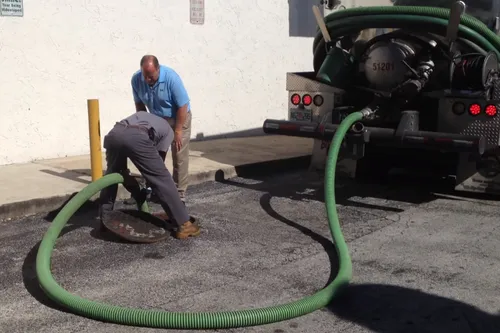
Las Vegas Grease Trap Services specializes in grease trap pumping, cleaning, and interceptor maintenance for commercial and industrial clients in Las Vegas, NV. They serve restaurants, schools, cafeterias, and manufacturing facilities within a 20-mile radius of Las Vegas. Their fleet of eight pump trucks and trained technicians handle all sizes and types of grease traps, ensuring compliance with local safety and health codes. The company maintains detailed service records and offers consultation on grease trap sizing, flow requirements, and odor control. Owner-operated, they emphasize environmentally responsible disposal and recycling of waste products. They provide early and late-hour emergency pumping services to minimize disruption to business operations.
Baker Commodities Inc
5725 Range Rd A, Las Vegas, NV 89115
Baker Commodities Inc provides grease collection and recycling services in North Las Vegas, NV. They specialize in used cooking oil pickup and grease trap pumping and cleaning for restaurants and commercial kitchens. Their Total Grease Management® program offers customized solutions to meet various business needs while ensuring compliance with local regulations. With decades of experience serving the Las Vegas area, Baker Commodities focuses on sustainable grease disposal to support environmental conservation. The company also offers 24/7 availability for emergency grease management services.
Silver City Processing
4505 Andrews St, North Las Vegas, NV 89081
Silver City Processing provides liquid waste management solutions in Las Vegas, NV, specializing in food waste, grease trap cleaning, and commercial plumbing services. They serve restaurants, car washes, and commercial facilities with waste collection, disposal, and maintenance to ensure compliance with local regulations. The company uses hydro jetting with over 3,000 PSI pressure to clear grease clogs and blockages efficiently. Silver City Processing is fully licensed and permitted by local authorities and operates primarily in North Las Vegas. Their services include grease trap repairs, line excavation, and odor troubleshooting. They also focus on environmental sustainability through brown grease recovery and recycling efforts. Technicians are available to manage emergencies such as backups and overflows.
Understanding Henderson's Grease Trap Regulations
The primary governing body for grease trap compliance in Henderson is the Southern Nevada Health District (SNHD). Their regulations are designed to protect the local wastewater infrastructure from FOG-related blockages, which can lead to sewer overflows and significant repair costs for the city. Compliance is not optional; it's a mandatory condition of operating a food service establishment.
Key SNHD rules mandate that grease interceptors must be kept clean, often requiring the removal of at least 75% of accumulated solids and grease during each service 1. A widely followed guideline is the "one-quarter rule," which states that a trap should be cleaned professionally once the combined FOG and solids reach 25% of the trap's capacity 2 3. This preventative approach is far more effective and cost-efficient than waiting for a complete clog or a violation notice.
The Critical Role of Documentation
Perhaps one of the most emphasized aspects of SNHD compliance is record-keeping. You are required to maintain detailed maintenance logs, service invoices, and pump-out records. These documents should include the date of service, the company that performed the work, the volume of waste removed, and the disposal method. During an inspection, these records are your first line of defense, demonstrating proactive management and due diligence.
Inspection Schedules and Enforcement Actions
SNHD inspectors conduct routine and complaint-driven inspections to ensure compliance. The frequency of inspections can increase if your establishment has a history of violations or if issues are reported. Enforcement actions for non-compliance are serious and can escalate quickly.
Initial violations typically result in fines and formal citations. Repeated or severe non-compliance, however, can lead to significantly increased inspection frequency, mandatory corrective action plans, and in the worst cases, a suspension of your operating permit or business closure. Proactive maintenance, coupled with impeccable records, is the most reliable strategy for passing inspections and avoiding disruptive enforcement actions.
Service Frequency and Cost Factors
Determining the right cleaning schedule is crucial. Frequency depends entirely on your kitchen's volume. High-volume establishments or those serving particularly greasy cuisine may require monthly service for smaller under-sink grease traps. Larger, in-ground grease interceptors for full-service restaurants often operate on a quarterly schedule, but this should be validated by a professional assessment.
The cost for grease trap pumping and cleaning in Henderson varies based on several key factors:
- Trap Size and Type: Larger, in-ground interceptors cost more to service than smaller under-sink units.
- Accessibility: Easily accessible traps are less expensive to service than those in confined or difficult-to-reach spaces.
- Condition: A well-maintained trap on a regular schedule is far less costly to clean than a severely neglected one that requires extensive labor and time.
- Service Type: Scheduled, preventative maintenance is always more affordable than emergency service.
Based on industry data, typical costs in the Henderson area range from $175 to $400 per service for routine, preventative pumping and cleaning 4 5 6. In contrast, emergency service calls for a clogged or overflowing interceptor can cost $800 to $1,200 or more, not including any potential fines from the SNHD 7 8. This stark difference highlights the financial wisdom of consistent, preventative care.
Find the perfect grease trap cleaning companies for your needs
Get personalized recommendations and expert advice
Best Practices for Ongoing Compliance and Efficiency
Beyond hiring a professional service, several internal practices can extend the life of your grease interceptor, improve its efficiency, and keep you in the SNHD's good graces.
Implement Comprehensive Staff Training
Your kitchen staff are the first line of defense. Train them on best practices such as:
- Scraping all food scraps and solids from plates, pots, and pans into trash bins before washing.
- Never pouring used cooking oil, grease, or dairy products down the drain.
- Using sink strainers to catch food particles. These simple daily habits dramatically reduce the FOG and solid waste entering your trap, slowing its fill rate and reducing service frequency 9.
Partner with a Licensed and Reputable Provider
Not all service companies are equal. Work with a licensed, insured, and locally knowledgeable grease trap cleaning provider. A reputable partner will not only perform the physical cleaning but will also help you understand SNHD requirements, recommend an optimal service schedule, and provide the detailed documentation you need for inspections 10.
Maintain Vigilance and Act on Warning Signs
Do not ignore the early warning signs of a problem. A foul odor emanating from drains, slow-draining sinks, or gurgling sounds from your plumbing are clear indicators that your grease interceptor is nearing capacity or is already compromised 11. Addressing these signs immediately by calling your service provider can prevent a full backup, an emergency service call, and a potential compliance issue.
Digitize Your Record-Keeping
While physical logs are acceptable, consider using a digital system to track your grease trap maintenance. This can be as simple as a dedicated folder in your cloud storage for scanned invoices and a shared calendar for service dates. Digital records are easier to organize, search, and present during an inspection, ensuring you never lose a critical document.
The Consequences of Neglect: More Than Just a Fine
Failing to maintain your grease trap has ripple effects beyond a fine from the SNHD. A severely clogged interceptor can cause:
- Kitchen Shutdowns: A major backup can halt kitchen operations during peak hours, leading to lost revenue and customer dissatisfaction.
- Property Damage: Sewage backups can damage flooring, equipment, and inventory.
- Environmental Harm: Overflows can contaminate local waterways, leading to significant environmental penalties and reputational damage.
- Increased Municipal Costs: When FOG causes blockages in city sewer lines, the cost of repairs is ultimately borne by the community, including local businesses.
Investing in regular grease interceptor maintenance is, therefore, an investment in your business's continuity, profitability, and community standing.
Frequently asked questions
Sources
Footnotes
-
The Importance of Grease Trap Maintenance in Las Vegas - https://silvercityprocessing.com/understanding-local-regulations-for-grease-trap-maintenance-in-las-vegas/ ↩
-
Grease Trap Restaurant: The Essential Guide - https://therestaurantwarehouse.com/blogs/restaurant-equipment/grease-trap-restaurant-guide ↩
-
The Importance of Grease Trap Maintenance in Las Vegas - https://silvercityprocessing.com/understanding-local-regulations-for-grease-trap-maintenance-in-las-vegas/ ↩
-
The Cost To Clean A Grease Trap For Restaurants - https://thegreasecompany.com/blog/greasetrapcleaningcost/ ↩
-
Ultimate Grease Trap Pumping Cost Guide: Essential Money-Saving ... - https://www.texwaywastewater.com/grease-trap-pumping-cost/ ↩
-
Grease Trap Cleaning Prices | Guide on the Industry Average - https://grease-cycle.com/grease-trap-pumping-cost/ ↩
-
Importance of Regular Grease Interceptor Cleaning - https://silvercityprocessing.com/importance-of-regular-grease-interceptor-cleaning/ ↩
-
How Much Does a Proper Grease Trap Cleaning Cost? - https://hulseyenvironmental.com/how-much-does-a-proper-grease-trap-cleaning-partner-cost/ ↩
-
Restaurant Grease Trap Maintenance: Best Practices & Step- ... - Boh - https://boh.ai/blog-article/restaurant-grease-trap-maintenance-a-complete-guide-for-kitchen-efficiency ↩
-
Complying with Grease Trap Codes: 5 Essential Tips | Business Name - https://www.unitedsewerservice.com/complying-with-local-regulations-and-codes-for-grease-trap-maintenance/ ↩
-
The Ultimate Guide to Restaurant Grease Trap Cleaning: Smart Solutions for Commercial Kitchens - Mokher Plumbing - https://mokherplumbing.com/ultimate-guide-restaurant-grease-trap-cleaning/ ↩