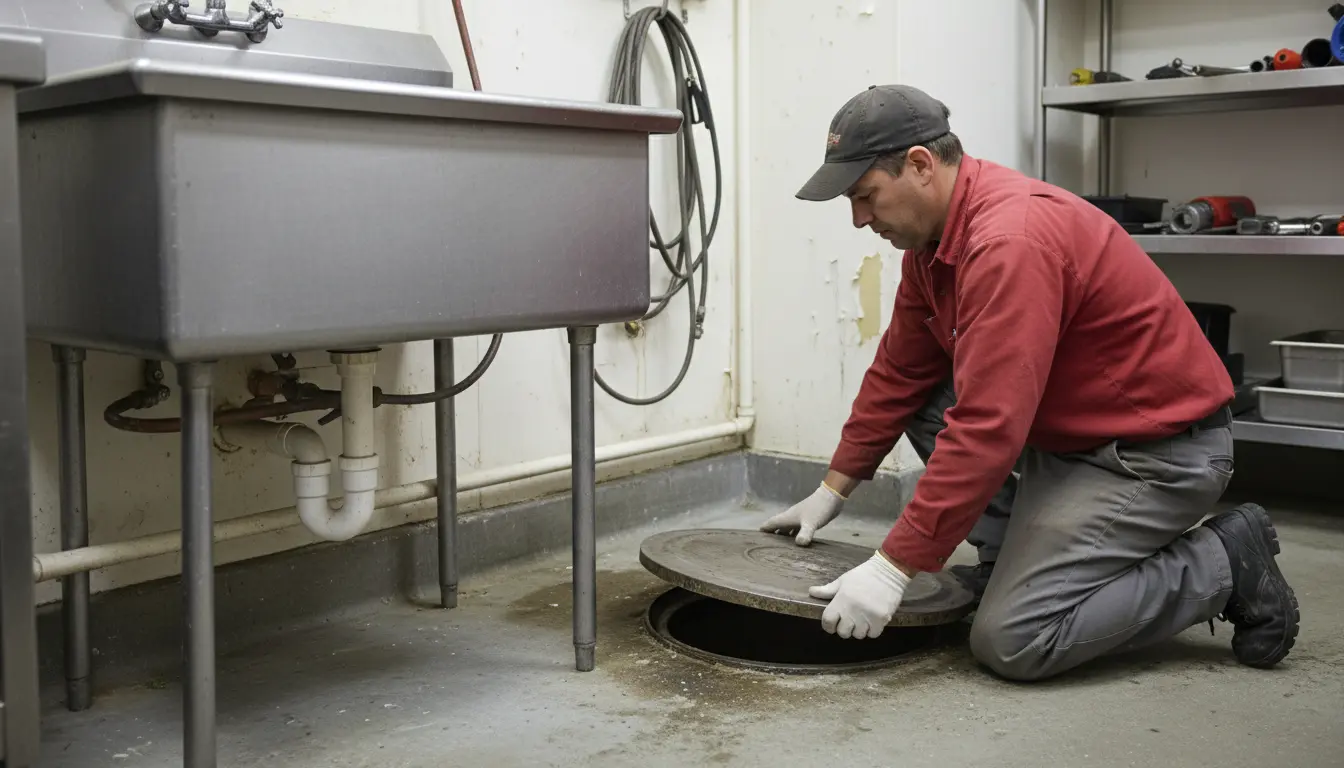
Find the Best Grease Trap Cleaning Companies for Your Business
No obligation • Fast responses • Nationwide coverage

Why you can trust Restaurant Waste Disposal
Restaurant Waste Disposal is a leading U.S. resource for comparing restaurant composting, food-waste recycling, grease trap cleaning, and used cooking oil collection services. Our editorial team researches providers, checks credentials, and organizes unbiased information so operators can make informed decisions. Companies cannot pay to change ratings or placement.
Search providers near you
Best Grease Trap Cleaning Companies in Nevada Ranked
For any food service establishment in Nevada, from the bustling kitchens of the Las Vegas Strip to a local café in Reno, proper grease trap and interceptor maintenance is not just a best practice-it's a legal requirement. The state's arid environment and strict public health codes make effective management of fats, oils, and grease (FOG) critical for preventing sewer blockages, avoiding hefty fines, and ensuring smooth business operations. Compliance hinges on understanding local regulations, which are primarily enforced by the Southern Nevada Health District (SNHD) in Clark County and by local health or sewer authorities in other regions. This guide outlines the essential rules, schedules, and practical steps for maintaining compliance and protecting your plumbing and the municipal sewer system.
Zoom Drain Las Vegas
4310 Cameron St Suite 2, Las Vegas, NV 89103
Zoom Drain Las Vegas is a specialized grease trap cleaning and drain service provider based in Henderson, NV. They offer residential and commercial drain cleaning, inspection, and sewer line repair services using advanced tools like hydro jetting and camera inspections. Their expertise includes handling grease trap maintenance and providing tailored maintenance plans for various property types. The company is known for addressing urgent plumbing emergencies with prompt response and clear communication, helping to minimize property damage and downtime. Zoom Drain focuses on local infrastructure challenges and offers eco-friendly aftercare solutions to maintain drain health.
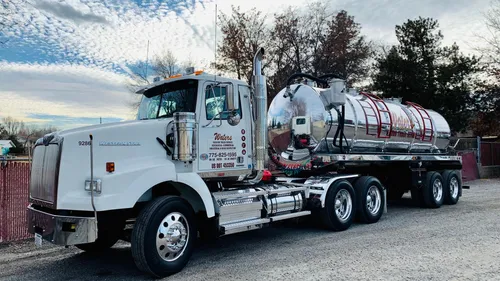
Waters Vacuum Truck Service
4275 Rewana Wy, Reno, NV 89502
Waters Vacuum Truck Service is a family-owned business based in Reno, NV, specializing in the installation, repair, and maintenance of septic systems, storm drains, sand/oil separators, and grease traps/interceptors. They also provide excavation and drain cleaning services. Serving Northern Nevada and Northeastern California, Waters Vacuum Truck Service has been operating since 1952, making it one of the most experienced liquid waste haulers in the region.
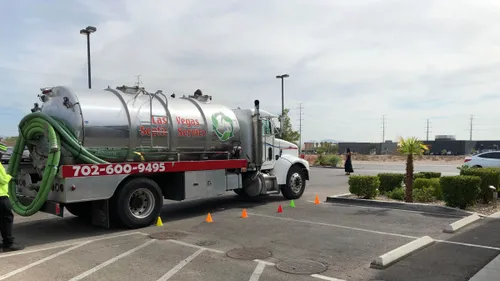
Las Vegas Septic Service LLC
Las Vegas, NV
Las Vegas Septic Service LLC offers a wide range of septic system services in Las Vegas, NV, including septic tank pumping, grease trap cleaning, lift station pumping, and septic inspections. They serve both residential and commercial properties and provide specialized services such as laundromat lint trap cleaning, grow house interceptor maintenance, and sand/oil separator care. The company also covers nearby areas including North Las Vegas, Henderson, Moapa, Overton, Logandale, and Glendale. Their expertise includes professional grease trap cleaning to prevent clogs and maintain system efficiency.
Las Vegas Grease Trap Services
1817 Poplar Ave, Las Vegas, NV 89101
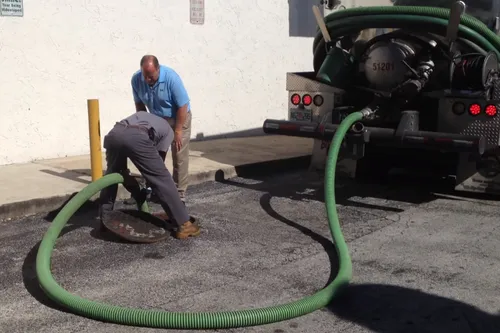
Las Vegas Grease Trap Services specializes in grease trap pumping, cleaning, and interceptor maintenance for commercial and industrial clients in Las Vegas, NV. They serve restaurants, schools, cafeterias, and manufacturing facilities within a 20-mile radius of Las Vegas. Their fleet of eight pump trucks and trained technicians handle all sizes and types of grease traps, ensuring compliance with local safety and health codes. The company maintains detailed service records and offers consultation on grease trap sizing, flow requirements, and odor control. Owner-operated, they emphasize environmentally responsible disposal and recycling of waste products. They provide early and late-hour emergency pumping services to minimize disruption to business operations.
Baker Commodities Inc
5725 Range Rd A, Las Vegas, NV 89115
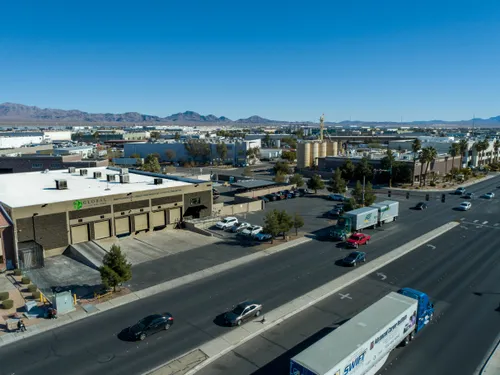
Baker Commodities Inc provides grease collection and recycling services in North Las Vegas, NV. They specialize in used cooking oil pickup and grease trap pumping and cleaning for restaurants and commercial kitchens. Their Total Grease Management® program offers customized solutions to meet various business needs while ensuring compliance with local regulations. With decades of experience serving the Las Vegas area, Baker Commodities focuses on sustainable grease disposal to support environmental conservation. The company also offers 24/7 availability for emergency grease management services.
Understanding Nevada's Grease Control Regulations
In Nevada, the installation and maintenance of grease interceptors are mandated by health code for all food establishments that produce grease. The regulatory landscape is defined by a clear preference for large, outdoor grease interceptors over smaller indoor traps. Authorities favor outdoor units due to their greater capacity, easier access for service vehicles, and improved sanitation, as maintenance activities are kept outside the food preparation area.
Before any installation or significant modification, the location and design of the grease interceptor must be approved by the local health authority1. Operating legally requires an Environmental Control Permit (or a similar permit from your local jurisdiction). This permit is not a mere formality; it specifically details the size of your interceptor and, crucially, the mandated pumping frequency your business must follow. Skipping this step or failing to adhere to the permit's conditions can lead to immediate compliance actions.
Determining Your Cleaning Schedule and the 25% Rule
While your permit dictates the minimum legal frequency, effective grease management relies on a fundamental principle: the 25% rule. Professional cleaning is required when the combined volume of FOG and settled solids reaches 25% of the interceptor's capacity2 3. Beyond this point, the unit's efficiency drops sharply, allowing grease to pass into the sewer lines.
The standard cleaning interval in Nevada typically ranges from every 30 to 90 days (quarterly). However, this is highly variable and depends on several key factors:
- Volume of Business: A high-turnover fast-food restaurant will require more frequent service (often monthly) than a lower-volume bakery or coffee shop.
- Menu Items: Establishments that fry foods, use heavy sauces, or process meats typically generate more FOG.
- Interceptor Size: A properly sized unit for your output can allow for longer intervals between cleanings.
Ultimately, your specific schedule is a function of your permit requirements and the actual accumulation rate in your interceptor, with the 25% threshold serving as the absolute maximum allowable accumulation4 5.
Costs of Grease Trap and Interceptor Service in Nevada
The cost for professional grease trap pumping in Nevada varies significantly based on the type and size of your unit, your location, and your service frequency. Understanding these factors can help in budgeting for this essential operational expense.
- Indoor Grease Traps (Smaller Units): Cleaning for these smaller, under-sink units generally ranges from $115 to $475 per service.
- Outdoor Grease Interceptors (Large Tanks): Service for the larger, in-ground interceptors preferred by health authorities is more involved, with costs typically ranging from $325 to $1,040 or more per pump6 7. The final price depends on the tank's capacity (from 50 to over 1000 gallons), the volume of waste, the distance to the disposal facility, and whether you have a standing service contract.
While these are service costs, neglecting regular maintenance can lead to far greater expenses, including emergency plumbing bills for backups, chemical "treatment" products that may not be compliant, and fines from health or sewer districts for violations8.
Find the perfect grease trap cleaning companies for your needs
Get personalized recommendations and expert advice
A Step-by-Step Guide to Compliance
Navigating grease interceptor regulations successfully involves a proactive, documented approach. Here is a practical compliance checklist for Nevada food service operators:
- Secure the Proper Permit: Before opening or if you're unsure of your status, contact your local health department (SNHD in Southern Nevada) to obtain the required Environmental Control Permit. This formalizes your legal obligations9 10.
- Maintain Detailed Service Logs: After every professional cleaning, obtain a detailed service report from your provider. This log should include the date, company name, volume of waste removed, and the condition of the interceptor. Keep these records on-site for health inspector review. They are your primary proof of compliance.
- Implement Proactive Kitchen Practices: Extend the time between necessary pumpings and improve interceptor efficiency by training staff on best practices. This includes dry-wiping pots and pans before washing, using sink strainers to catch food solids, and avoiding pouring grease down any drain11.
- Schedule Service Proactively: Don't wait for a problem or an inspection notice. Schedule regular service with a licensed provider based on your permit requirements and the observed accumulation in your interceptor. Consistent maintenance is the most cost-effective strategy.
Consequences of Non-Compliance
Failing to maintain your grease interceptor has direct and serious consequences. The most immediate risk is a sanitary sewer overflow (SSO) on your property or in the public sewer line, leading to business disruption, unpleasant odors, and potential exposure hazards12. From a regulatory standpoint, inspectors can issue violations, levy significant fines, and in severe cases, suspend your operating permit until the issue is corrected and proven to be in ongoing compliance13. Financially, the cost of an emergency cleanup and plumbing repair far exceeds the planned expense of routine maintenance.
Choosing a Service Provider in Nevada
When selecting a company for grease interceptor cleaning, look for providers that are licensed, insured, and familiar with the specific codes in your Nevada municipality (e.g., SNHD codes for Las Vegas). A reputable provider will offer detailed service reports suitable for inspection logs, can help you determine an optimal schedule, and will dispose of the collected FOG at a licensed facility, often for recycling into biofuels.
Frequently asked questions
Sources
Footnotes
-
2023 Food Regulation Change Document 1 8/18/2022 - https://media.southernnevadahealthdistrict.org/download/eh/2022/regs/SNHD-2023-Food-Regulations-Changes-by-Chapter.pdf ↩
-
Restaurant Grease Trap Cleaning FAQs - https://www.mahoneyes.com/restaurant-grease-trap-cleaning-faqs/ ↩
-
The Ultimate Guide to Restaurant Grease Trap Cleaning - https://mokherplumbing.com/ultimate-guide-restaurant-grease-trap-cleaning/ ↩
-
Grease Trap Service Boulder, Longmont CO | Sullivan Septic & Excavating - https://www.sullivanseptic.net/grease-trap-service ↩
-
HYDROMECHANICAL GREASE INTERCEPTOR (HGI ... - https://www.spokanecounty.gov/DocumentCenter/View/51138/Hydromechanical-Grease-Interceptor-HGI-Maintenance---English?bidId= ↩
-
Grease Trap Services in Las Vegas & Southern Nevada - https://silvercityprocessing.com/grease-trap-service/ ↩
-
Ultimate Grease Trap Pumping Cost Guide: Essential Money-Saving ... - https://www.texwaywastewater.com/grease-trap-pumping-cost/ ↩
-
Grease Trap Pumping Cost vs. Grease Trap Maintenance Cost - https://www.stateindustrial.com/video/cost-comparison-pumping-v-chemicals-to-maintain-a-grease-trap/ ↩
-
Spotlight on Grease Interceptor Cleaning - https://www.watersvacuum.com/spotlight-grease-interceptor-cleaning/ ↩
-
Nev. Admin. Code § 446.430 - Interceptors for grease - https://www.law.cornell.edu/regulations/nevada/NAC-446-430 ↩
-
Importance of Regular Grease Interceptor Cleaning - https://silvercityprocessing.com/importance-of-regular-grease-interceptor-cleaning/ ↩
-
The Importance of Grease Trap Maintenance in Las Vegas - https://silvercityprocessing.com/understanding-local-regulations-for-grease-trap-maintenance-in-las-vegas/ ↩
-
Las Vegas Grease Trap Cleaning: Essential Facility ... - Shyft - https://www.myshyft.com/blog/grease-trap-cleaning-las-vegas-nevada/ ↩