Find the Best Grease Trap Cleaning Companies for Your Business
No obligation • Fast responses • Nationwide coverage

Why you can trust Restaurant Waste Disposal
Restaurant Waste Disposal is a leading U.S. resource for comparing restaurant composting, food-waste recycling, grease trap cleaning, and used cooking oil collection services. Our editorial team researches providers, checks credentials, and organizes unbiased information so operators can make informed decisions. Companies cannot pay to change ratings or placement.
Search providers near you
Top Grease Trap Cleaning Companies in West New York, New Jersey Ranked
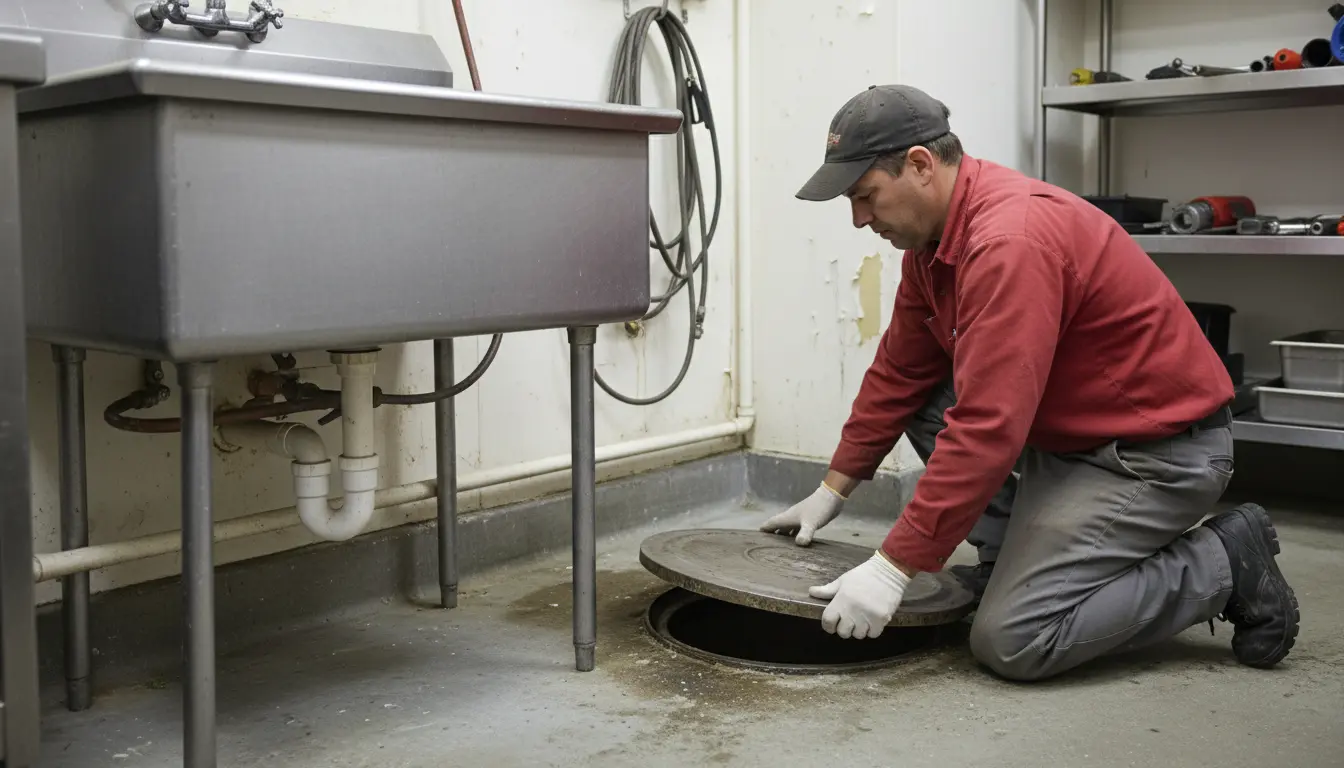
For any restaurant or food service business in West New York, managing fats, oils, and grease (FOG) is a critical operational and legal requirement. Proper grease interceptor maintenance is not just about avoiding clogs; it's a mandated part of local and state plumbing codes designed to protect the municipal sewer system. Compliance involves scheduled cleanings by licensed professionals, meticulous record-keeping, and readiness for inspections. Neglecting this essential facility management task can lead to severe blockages, unpleasant odors, and significant financial penalties from the city. This guide outlines the specific regulations, best practices, and cost considerations for effective grease trap service in West New York.
PowerFlo Sewer Service
2277 Victory Blvd, Staten Island, NY 10314
PowerFlo Sewer Service is a sewer and drain cleaning company serving New York, NY. They provide a range of services including grease trap cleaning, water jet cleaning, camera inspection, vacuum pumping, and flood control for residential, commercial, and condominium customers. The company emphasizes respect and care for customers' properties and employs experienced technicians to handle both simple and complex drainage problems. PowerFlo Sewer Service is known for leaving no mess behind and maintaining clear communication throughout the service process.
Envirogreen Solutions
New York, NY
Envirogreen Solutions provides grease trap cleaning and used cooking oil collection services in New York, NY, including the five boroughs and Nassau County. They help commercial kitchens comply with local environmental regulations by responsibly removing and recycling cooking oil and grease trap waste. Envirogreen is fully licensed and insured, offering compliance paperwork and stickers upon service completion. Their capabilities include grease trap cleaning, cooking oil recycling, and emergency grease trap waste collection. The company is known for maintaining grease traps to keep them flowing properly and offers prompt emergency services when needed.
Viper Jet Drain Services
5-02 Banta Pl, Fair Lawn, NJ 07410
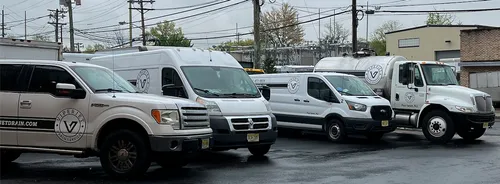
Viper Jet Drain Services provides drain, septic, and grease trap cleaning services in New York, NY, and New Jersey. They serve residential, commercial, and municipal clients with solutions ranging from household drain cleaning to large-scale sewer and stormwater management. Their licensed and insured technicians use advanced equipment such as hydro jetting and camera inspections to deliver reliable results. The family-owned company emphasizes expertise and customer care, offering emergency services and professional maintenance for grease traps and septic systems.
Zoom Drain
152 Stevens Ave, Jersey City, NJ 07305
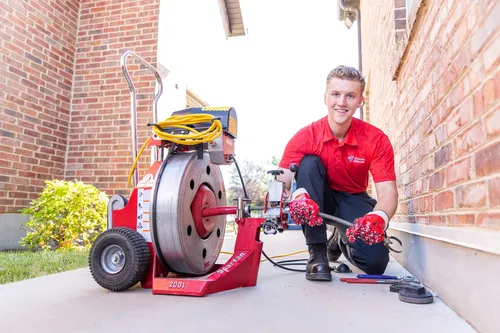
Zoom Drain is a drain and sewer cleaning company serving New York, NY, and the surrounding North Jersey area. They provide services for residential and commercial properties, including grease trap maintenance and sewer cleaning. The company uses advanced equipment such as PowerSnake, Zoom Jetting®, and video inspection to address clogs, root invasions, and other drain issues efficiently. Zoom Drain also offers specialized solutions like Zoom Drain Bio™ to dissolve common drain blockages. Their team is known for knowledgeable technicians and tailored maintenance plans to meet diverse customer needs.
Green Oil Recycling
317 Liberty Ave, Brooklyn, NY 11207
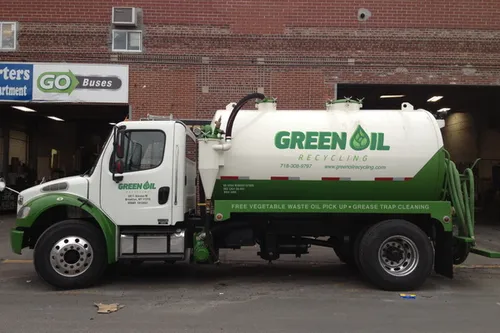
Green Oil Recycling provides professional grease trap cleaning and used cooking oil collection services in New York, NY. They specialize in maintaining commercial kitchen grease traps, including passive hydro mechanical, large pre-cast concrete gravity traps, and auto-grease removal systems like Big Dipper. Their trained technicians thoroughly clean traps, scrape walls, and use bio-safe chemicals to break down waste oil, helping kitchens stay odorless and compliant with local regulations. Green Oil Recycling serves New York City, New Jersey, and Nassau County, ensuring all waste oil disposal meets BIC, DEC, and EPA standards. They also inspect gaskets and fittings to prevent violations and hazards, working closely with Done Right Hood & Fire Safety for comprehensive grease trap and kitchen exhaust maintenance.
Understanding Local Grease Interceptor Regulations
West New York operates under stringent New Jersey state regulations, specifically NJAC 7:9A, and local plumbing codes that mandate the use of grease traps or interceptors for all restaurants and commercial kitchens. These rules are strictly enforced to prevent FOG from entering and damaging the public sewer infrastructure. Key local requirements include the prohibition of garbage disposals if a grease trap is required and a strict ban on returning any grease trap waste into the sewer or regular municipal waste stream. Officials have the right of entry to inspect your premises during business hours to verify compliance.
The cornerstone of compliance is proof of service. You must use a licensed and registered hauler for all pumping and cleaning services and retain detailed receipts. Violations, which can include issues like odors, inadequate maintenance logs, or improper disposal, are considered unlawful and subject to penalties. Proactive management with documented proof from licensed professionals is the most effective strategy to avoid fines and operational disruptions.
Mandatory Maintenance Schedules and Logs
New Jersey state guidelines and local West New York enforcement typically require grease interceptors to be pumped at a minimum of every 90 days (quarterly) 1. However, the universal best practice-and often a more specific code requirement-is to clean the trap whenever the combined FOG and solids accumulate to 25% of the unit's capacity 2 3. For high-volume kitchens, this may need to occur more frequently than quarterly.
Maintaining a detailed maintenance log is not optional; it's a legal record you must keep on file for at least 24 months and present to inspectors upon request 4. Each service entry should include the date, time, company name, service technician's signature, and the volume of waste removed. Furthermore, an annual inspection and report by a licensed plumber are often required to renew your establishment's food service license 4. This documented history demonstrates due diligence and is your first line of defense during a compliance check.
The Real Cost of Grease Trap Service
Investing in regular grease interceptor cleaning is far more cost-effective than dealing with the consequences of neglect. For a well-maintained trap with standard accessibility, scheduled pumping services in the West New York area typically range from $200 to $500 per service 5. The final price depends on factors like the size and type of your trap (indoor vs. outdoor), the volume of FOG, and how easy it is for service vehicles to access the unit 6 7.
In contrast, emergency service calls for severely clogged or overflowing traps can cost between $800 and $1,200 or more 8. This premium price reflects the urgency, potential for additional labor, and the complexity of resolving a serious backup. When you factor in the risk of fines from the city for violations, the business lost during an emergency closure, and potential damage to your plumbing, a preventative maintenance program with a reliable service provider is clearly the smarter financial decision.
Find the perfect grease trap cleaning companies for your needs
Get personalized recommendations and expert advice
Best Practices for Restaurant Kitchen Management
Beyond just scheduling pump-outs, effective FOG management starts in the kitchen. Implementing and documenting best practices can significantly reduce the load on your grease interceptor, extending time between services and improving efficiency. Key steps include training staff to scrape food waste into compost or trash bins before washing, using sink filters to catch solids, and promptly cleaning up grease spills 9. Minimizing the use of garbage disposals, which push food particles into the trap, is also highly recommended where codes allow.
Proper waste segregation is crucial. Used cooking oil should be collected separately in dedicated containers for recycling by a licensed collector-this material should never be poured down the drain or into the grease trap 10. By reducing the amount of FOG and solids entering the drain lines, you protect your own plumbing from costly clogs and ensure your primary interceptor functions as intended, making each professional cleaning more effective and keeping you firmly in compliance with West New York regulations.
Choosing a Licensed Service Provider in West New York
Selecting the right partner for your grease trap maintenance is a critical business decision. Always verify that a service provider is fully licensed and registered to handle grease waste in New Jersey. A reputable company will not only perform the pumping but also help you understand your specific compliance requirements, maintain the necessary logs, and advise on optimal service frequency based on your kitchen's output 11 12.
Look for providers with experience serving the Hudson County area, as they will be familiar with local inspectors and the nuances of West New York's enforcement of state codes. They should offer transparent pricing, detailed service reports, and proper disposal documentation. Establishing a regular service relationship ensures your interceptor is consistently maintained, provides you with a reliable point of contact for questions, and builds a documented history that simplifies the annual licensing process.
Consequences of Non-Compliance
Failing to adhere to grease interceptor regulations carries serious risks for West New York restaurant owners. The most immediate consequence is often a fine from the city for code violations, which can be levied for issues like missing maintenance logs, evidence of an overfull trap, or odor complaints 13. Repeated violations can lead to heftier penalties and even the suspension of your operating license.
Operational disruptions are another major risk. A severely clogged interceptor can cause slow drains, backups into your kitchen, or even a complete shutdown until the issue is resolved-costing you revenue and damaging customer trust. In the worst-case scenario, FOG that escapes your premises can contribute to sewer blockages (sanitary sewer overflows) in the municipal system, for which your business could be held liable. Proactive, documented maintenance is the only sure way to mitigate these costly and disruptive risks.
Frequently asked questions
Sources
Footnotes
-
New Jersey FOG & Used Oil Rules: Permits & 90-Day Limit - https://greaseconnections.com/resources/compliance/nj/ ↩
-
New Jersey FOG Regulations - D&W Alternative Energy - https://dandwalternativeenergy.com/blog/new-jersey-fog-regulations/ ↩
-
Installation and Maintenance of Grease Traps - eCode360 - https://ecode360.com/34939379 ↩
-
Commercial Grease Trap Cleaning in New Jersey and New York - https://www.davidzuidema.com/septic-services/commercial-grease-trap-cleaning/ ↩ ↩2
-
Grease Trap Cleaning Prices | Guide on the Industry Average - https://grease-cycle.com/grease-trap-pumping-cost/ ↩
-
Restaurant Grease Trap & Interceptor Cleaning Cost - https://greasemanagement.org/pricing.html ↩
-
What Kind of Grease Trap Is Right for My Restaurant? - https://www.southerngreen.com/what-kind-of-grease-trap-is-right-for-my-restaurant ↩
-
Ultimate Grease Trap Pumping Cost Guide: Essential Money-Saving ... - https://www.texwaywastewater.com/grease-trap-pumping-cost/ ↩
-
N.J. Admin. Code § 7:9A-8.1 - Grease removal and high ... - https://www.law.cornell.edu/regulations/new-jersey/N-J-A-C-7-9A-8-1 ↩
-
Grease Interceptor Information - NYC.gov: Business - https://nyc-business.nyc.gov/nycbusiness/description/grease-interceptor-information ↩
-
The Essential Guide to Grease Trap Cleaning for Restaurants and ... - https://filtakleenco.com/essential-guide-to-grease-trap-cleaning/ ↩
-
Fresno Grease Trap Maintenance: Essential Facility Management Guide - myshyft.com - https://www.myshyft.com/blog/grease-trap-cleaning-fresno-california/ ↩
-
Grease Traps, Interceptors and Oil Separators - eCode360 - https://ecode360.com/13731865 ↩