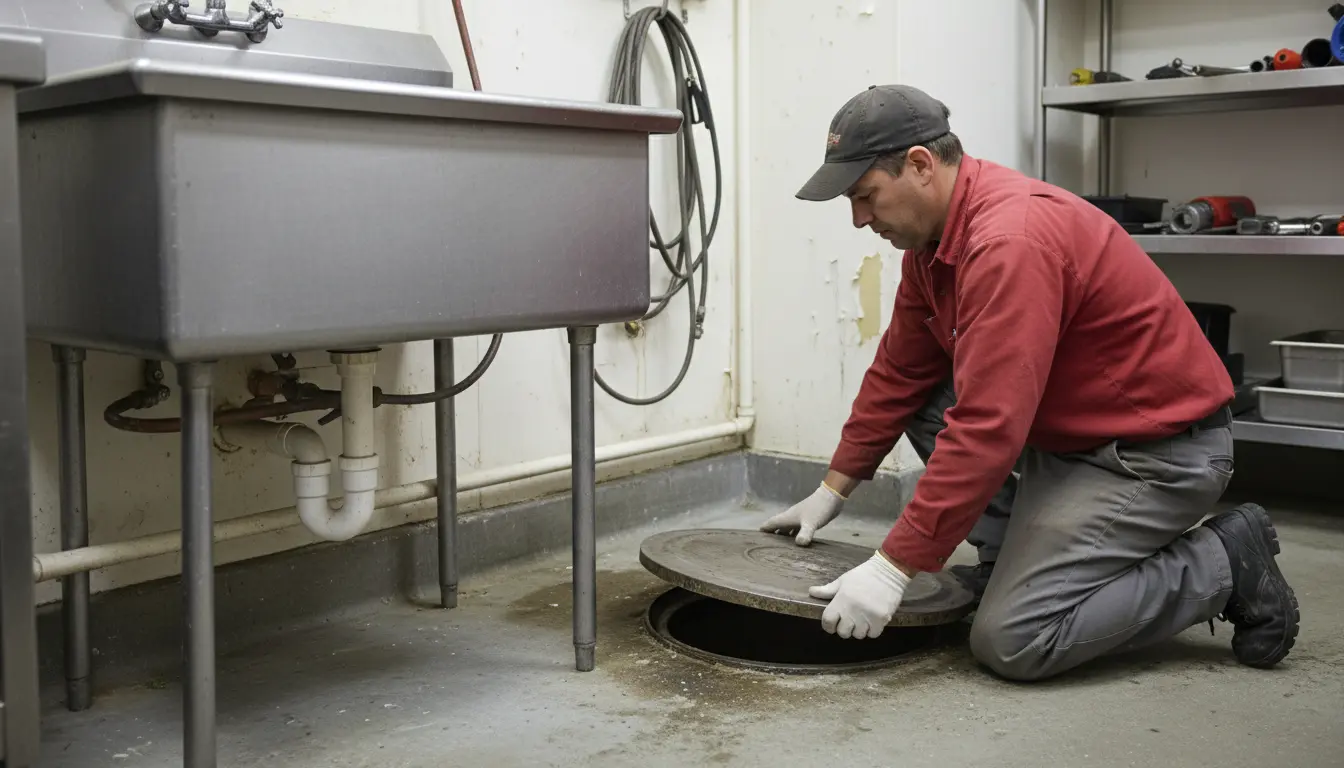
Find the Best Grease Trap Cleaning Companies for Your Business
No obligation • Fast responses • Nationwide coverage

Why you can trust Restaurant Waste Disposal
Restaurant Waste Disposal is a leading U.S. resource for comparing restaurant composting, food-waste recycling, grease trap cleaning, and used cooking oil collection services. Our editorial team researches providers, checks credentials, and organizes unbiased information so operators can make informed decisions. Companies cannot pay to change ratings or placement.
Search providers near you
Top Grease Trap Cleaning Companies in Hillsborough, New Jersey Ranked
For any food service establishment in Hillsborough, from bustling diners to cozy cafes, proper grease trap and interceptor maintenance is not just a best practice-it's a legal requirement. Local ordinances and New Jersey state regulations mandate strict adherence to prevent fats, oils, and grease (FOG) from entering the public sewer system, where they can cause costly blockages and environmental damage. Effective grease management involves routine professional cleaning, meticulous record-keeping, and comprehensive staff training to ensure compliance and avoid significant penalties. Understanding these rules is the first step in protecting your business from fines and maintaining a smooth, sanitary operation.
PowerFlo Sewer Service
2277 Victory Blvd, Staten Island, NY 10314
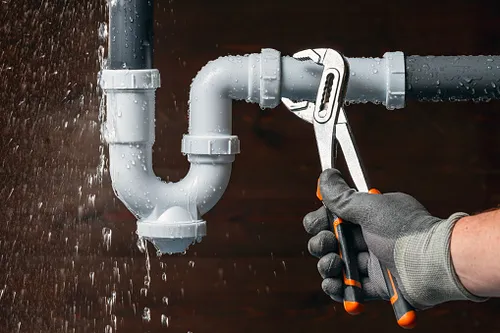
PowerFlo Sewer Service is a sewer and drain cleaning company serving New York, NY. They provide a range of services including grease trap cleaning, water jet cleaning, camera inspection, vacuum pumping, and flood control for residential, commercial, and condominium customers. The company emphasizes respect and care for customers' properties and employs experienced technicians to handle both simple and complex drainage problems. PowerFlo Sewer Service is known for leaving no mess behind and maintaining clear communication throughout the service process.
Arrow Sewer and Drain
165 Union Ave, Middlesex, NJ 08846
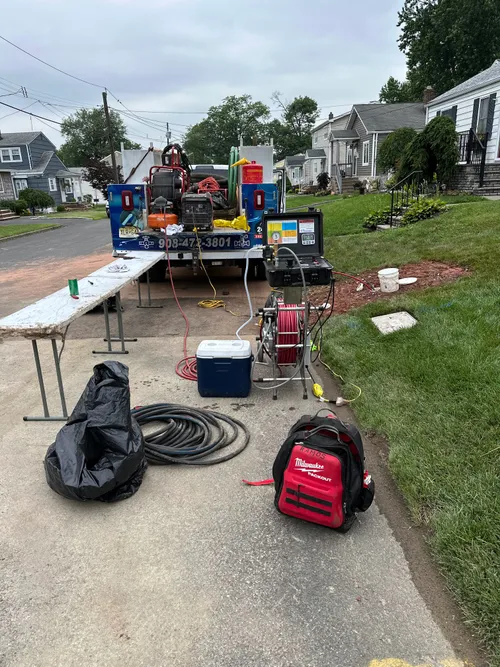
Arrow Sewer and Drain is a plumbing and sewer service provider based in Middlesex, New Jersey, serving residential and commercial clients throughout Edison and the broader New Jersey area. They offer a wide range of services including grease trap cleaning, trenchless sewer repair, hydro jet drain cleaning, hydro excavation, septic tank installation and replacement, and emergency plumbing. Their use of advanced equipment such as sewer scopes, cured-in-place pipe (CIPP) technology, and hydro excavation allows for efficient, non-invasive repairs that minimize disruption to properties. With over 15 years of experience, Arrow Sewer and Drain provides 24/7 emergency plumbing services to address urgent issues at any time.
Zoom Drain
Philadelphia, PA
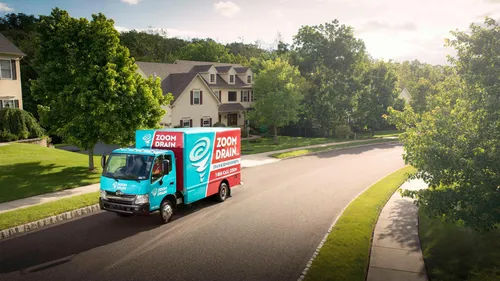
Zoom Drain is a drain and sewer service provider serving Philadelphia, PA, and the surrounding Bucks County area. They offer residential and commercial drain cleaning, sewer line repairs, and specialized services such as grease trap maintenance and bio dispenser installation for the food and hospitality sector. The company uses advanced tools and technology to address a wide range of drainage issues, including clogged drains and sewer emergencies. Zoom Drain supports property managers, contractors, and homeowners with tailored maintenance plans and a referral program. Their team is known for thorough diagnostics, including camera inspections, and they provide up-front pricing with a satisfaction guarantee.
Wind River Environmental
Toms River, NJ
Wind River Environmental is a grease trap cleaning company serving Toms River, NJ, and the Central New Jersey area. They provide residential, commercial, municipal, and industrial septic, grease, and drain cleaning services. The company is part of the Wind River Environmental family, which has been an industry leader since 1946, and has been serving Central New Jersey locally for nearly 30 years. Wind River Environmental offers 24/7 emergency services and uses cost-efficient, minimally invasive methods to maintain and repair septic systems and grease traps.
Roto-Rooter Plumbing & Water Cleanup
438 Lawton Pl #1, Perth Amboy, NJ 08861
Roto-Rooter Plumbing & Water Cleanup provides comprehensive plumbing services in Edison, NJ, and the surrounding counties. They serve both residential and commercial customers with a wide range of offerings including drain cleaning, sewer line repair and replacement, water heater installation and repair, grease trap maintenance, and water damage cleanup. The company is equipped to handle complex commercial plumbing systems and uses advanced tools such as hydro-jetting for drain cleaning. Roto-Rooter offers 24/7 emergency plumbing services to address urgent issues like burst pipes, sewer backups, and clogged drains promptly. Serving the Edison area and nearby communities, Roto-Rooter is a licensed and insured provider with extensive local knowledge.
Understanding Local FOG Regulations
Hillsborough Township, in alignment with New Jersey Department of Environmental Protection (NJDEP) standards, enforces specific codes for grease control. The cornerstone of these regulations is the mandatory installation and maintenance of approved grease traps or interceptors for all food service establishments 1. These devices are designed to capture FOG before wastewater leaves your property.
Key prohibitions are clearly defined to prevent system abuse. It is illegal to discharge fats, oils, or grease down sinks, floor drains, or toilets. Furthermore, the use of garbage grinders or disposals in conjunction with a grease removal system is typically prohibited, as they can overwhelm the trap with solids. Compliance starts with knowing what not to do, ensuring that only appropriate waste enters your plumbing.
Mandatory Cleaning Frequency and Logs
How often does your grease trap need service? Regulations specify a minimum cleaning frequency of every 90 days, or whenever the accumulated grease and solids reach 25% of the trap's volume 2 3. However, for many busy restaurants, this is a bare minimum. Depending on your volume of cooking, you may require more frequent service-bi-weekly or monthly-to stay compliant and functional. A professional assessment can determine the optimal schedule for your specific FOG load.
Documentation is as critical as the cleaning itself. Hillsborough requires businesses to maintain a detailed logbook of all grease interceptor maintenance. This log must include the date of service, the name of the licensed waste disposal company that performed the work, and the signature of the employee who witnessed the service. This record is your first line of defense during an inspection, proving due diligence and scheduled maintenance.
The Role of Inspections and Enforcement
Local authorities take grease management seriously. The Township's Plumbing Subcode Official has the authority to inspect grease traps at any reasonable time. They can mandate upgrades to inadequate systems and even require laboratory tests to verify a trap's efficiency. In addition to these potential spot checks, an annual inspection by a licensed plumber is often a required part of your maintenance compliance.
The consequences of non-compliance are substantial. Violations can trigger significant fines, often starting at $250 for a first offense and escalating with subsequent infractions 4. More critically, if a blockage occurs in the public sewer attributed to your establishment, you can be held financially responsible for the often exorbitant cost of clearing that blockage 5 4. Proactive maintenance is far less expensive than reactive penalties.
Cost Considerations for Service
Investing in regular grease trap pumping is a cost-saving measure. For smaller, indoor traps serviced on a monthly basis, you can expect costs to range from approximately $100 to $300 per service. Larger, outdoor grease interceptors typically cost between $250 and $400 or more per scheduled cleaning 6 7. These prices are for routine, planned maintenance.
Find the perfect grease trap cleaning companies for your needs
Get personalized recommendations and expert advice
The real financial danger lies in emergency service. A clogged or overflowing trap that requires immediate, unscheduled attention can cost between $800 and $1,200 or more to resolve 8 9. When you factor in the potential for fines and sewer damage fees, the value of a consistent, preventative cleaning schedule becomes clear. Scheduled service is a predictable operating expense that protects against unpredictable and severe financial penalties.
Choosing a Licensed Service Provider
Not just any waste hauler can handle your grease trap. Hillsborough and New Jersey regulations require that cleaning and waste disposal be performed by a licensed, county-registered waste disposal company. These licensed providers have the expertise to service your system correctly and the permits to dispose of the collected FOG and solids at approved facilities, ensuring full regulatory compliance from collection to disposal.
A reputable service will do more than just pump out the trap. They should provide a detailed service report for your logbook, offer insights into your trap's condition, and advise if your frequency is adequate. They become a partner in your compliance strategy, helping you navigate the complexities of local and state FOG rules.
Best Practices for Restaurant Staff
Technology and professional services are only part of the solution. Your staff plays a crucial role in daily grease management. Implementing a simple kitchen policy of scraping plates and cookware into a trash bin before washing can dramatically reduce the FOG load entering the trap. Training all employees on the importance of keeping grease out of drains is a mandatory component of many local ordinances.
Consider installing sink baskets to catch food solids and using dry methods for floor cleaning instead of hosing grease into floor drains. These frontline practices extend the time between necessary pump-outs, improve the efficiency of your grease interceptor, and reduce the risk of costly backups. Empowered and informed staff are your first and most effective line of defense.
Frequently asked questions
Sources
Footnotes
-
N.J. Admin. Code § 7:9A-8.1 - Grease removal and high strength ... - https://www.law.cornell.edu/regulations/new-jersey/N-J-A-C-7-9A-8-1 ↩
-
Installation and Maintenance of Grease Traps - eCode360 - https://ecode360.com/34939379 ↩
-
New Jersey FOG & Used Oil Rules: Permits & 90-Day Limit - https://greaseconnections.com/resources/compliance/nj/ ↩
-
New Jersey FOG Regulations - D&W Alternative Energy - https://dandwalternativeenergy.com/blog/new-jersey-fog-regulations/ ↩ ↩2
-
Grease Traps, Interceptors and Oil Separators - eCode360 - https://ecode360.com/13731865 ↩
-
Grease Trap Regulations and Maintenance - A Rooter Pros - https://njsewerdrain.com/grease-trap-and-grease-interceptor-regulations-in-nj/ ↩
-
Grease Trap Cleaning Prices | Guide on the Industry Average - https://grease-cycle.com/grease-trap-pumping-cost/ ↩
-
Ultimate Grease Trap Pumping Cost Guide: Essential Money-Saving ... - https://www.texwaywastewater.com/grease-trap-pumping-cost/ ↩
-
How Much Does It Cost To Clean A Grease Trap? - https://www.greasecollection.com/blog/how-much-does-it-cost-to-clean-a-grease-trap/ ↩